
Dear ST reader,
We hope you’ve been keeping well.
In our Asian Insider newsletter this week, we look at China’s place in the Ukraine crisis and whether its own economic and geostrategic interests could compel it to mediate a truce between Moscow and Kyiv. Meanwhile India’s prime minister Narendra Modi triumphed in recent state polls, with his Bharatiya Janata Party winning in Uttar Pradesh, Manipur, Goa and Uttarakhand. This sets the stage for a repeat performance at the next general election in 2024, and a likely third term for Mr Modi.
Ukraine war: The view from China
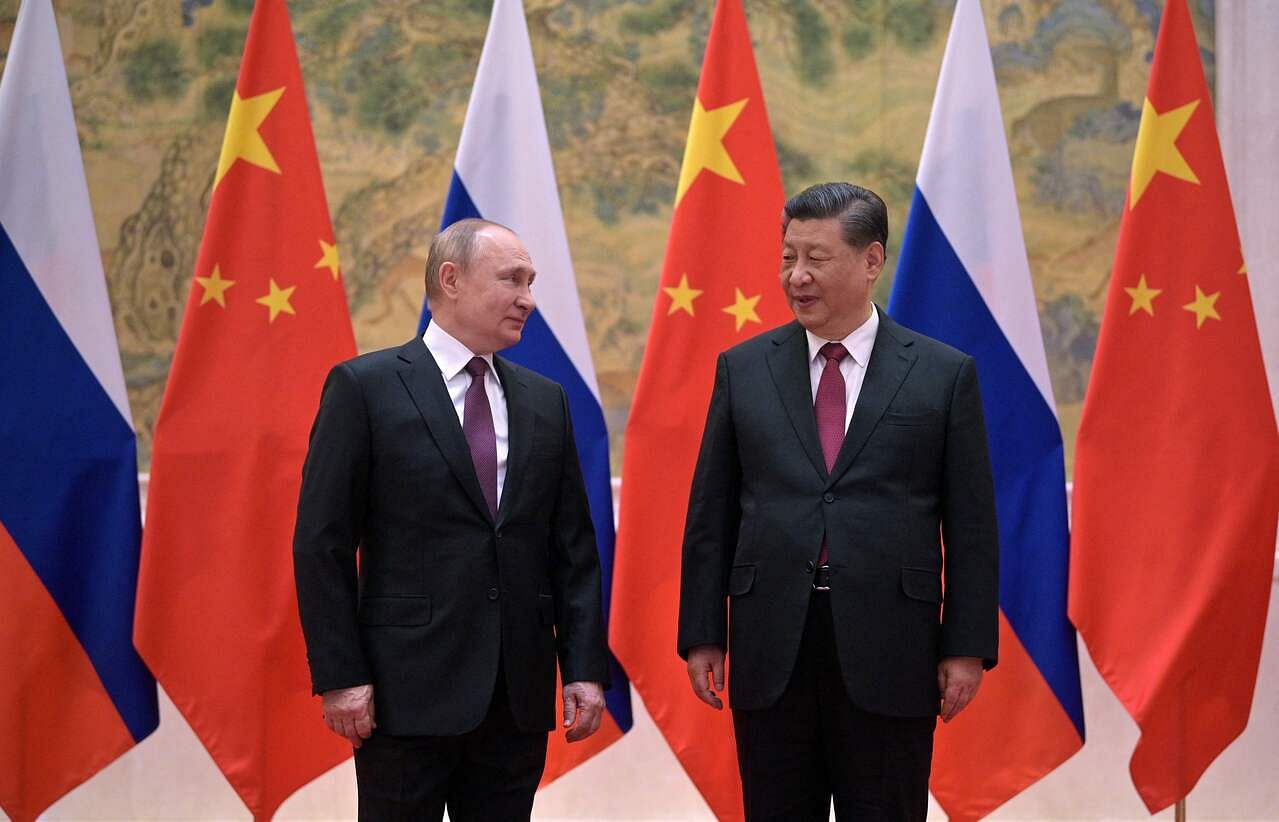
Party insiders in Beijing tell global affairs correspondent Benjamin Kang Lim that China’s empathy for Russia’s security concerns in Europe is the lesser of two evils compared to siding with the US on the Ukraine crisis. Many of them say the US was fully aware that Nato’s expansion in Europe would provoke Moscow, yet President Joe Biden refused to send troops ahead of Russia’s invasion of Ukraine, effectively allowing Russia to do as it wished.
Nevertheless, it is still in China’s interests to play its part to stabilise the situation, writes global affairs correspondent Goh Sui Noi, as the war is hurting its economy, harming its efforts to keep Europe on side and disrupting crucial global supply chains. How China acts - to mediate a truce for example - could determine how long this war will last, and China's status in the world.
Listen to the China Perspective Podcast for bureau chief Tan Dawn Wei’s take on the issue.
Listen here as US correspondent Charissa Yong and China correspondent Danson Cheong discuss the US and China response to the war in Ukraine.
Read more:
War sets back South-east Asia's tourism recovery
Russians stranded as war cuts off funds, flights
Spotlight on US-India ties after Delhi abstained from vote against Russia
No spots at home: Why thousands of Indian medical students go to Ukraine
Modi eyes third term after Uttar Pradesh win
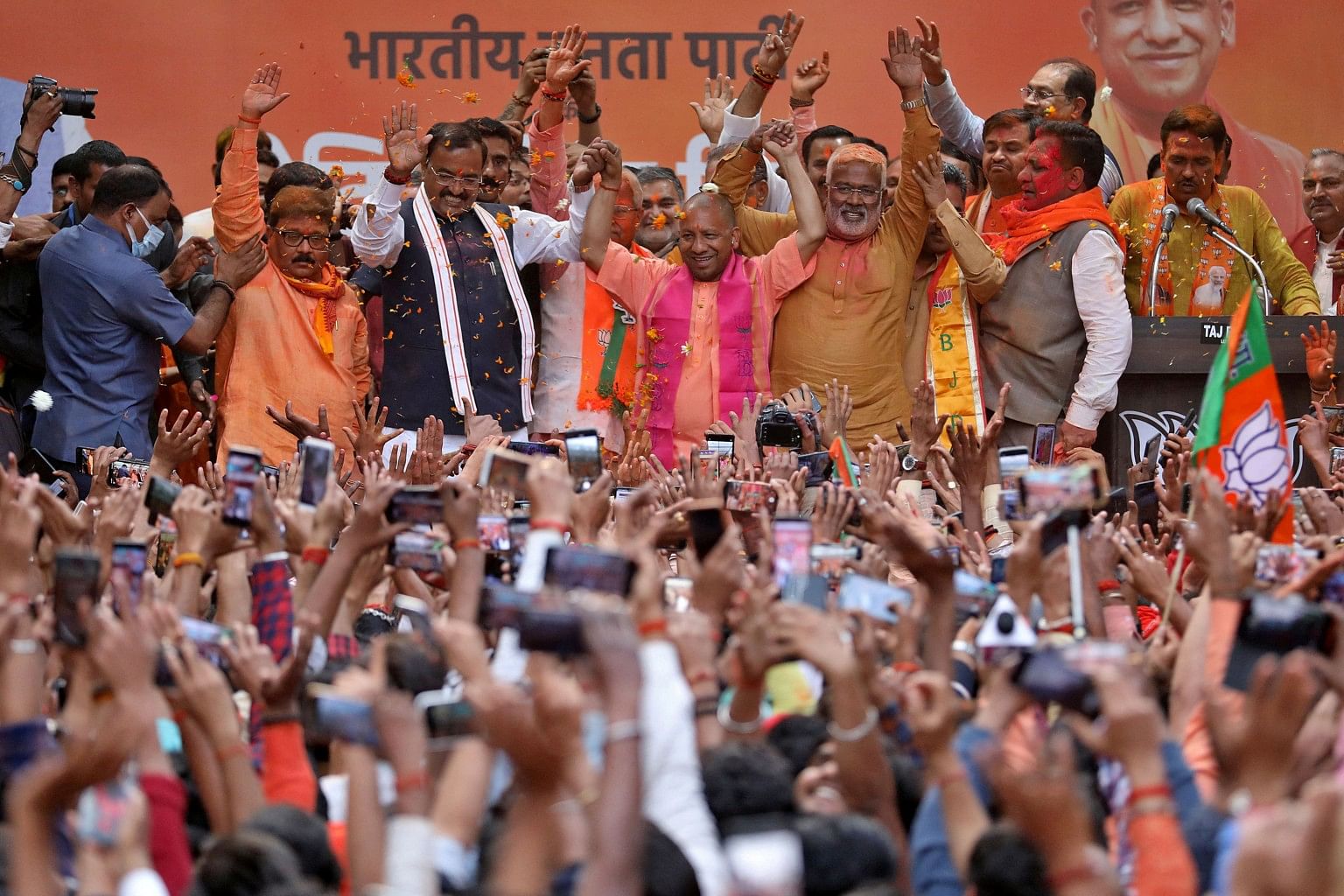
Indian prime minister Narendra Modi and his Bharatiya Janata Party (BJP) shrugged off their rivals’ claims of high unemployment and Covid-19 mismanagement to romp to electoral victory in key state Uttar Pradesh last week. The resounding win - repeated in state polls in Manipur, Goa and Uttarakhand - prompted Mr Modi to declare that the 2024 general election campaign has kicked off, and analysts to predict a third term for him, writes India bureau chief Nirmala Ganapathy.
Thai bamboo diplomacy no more
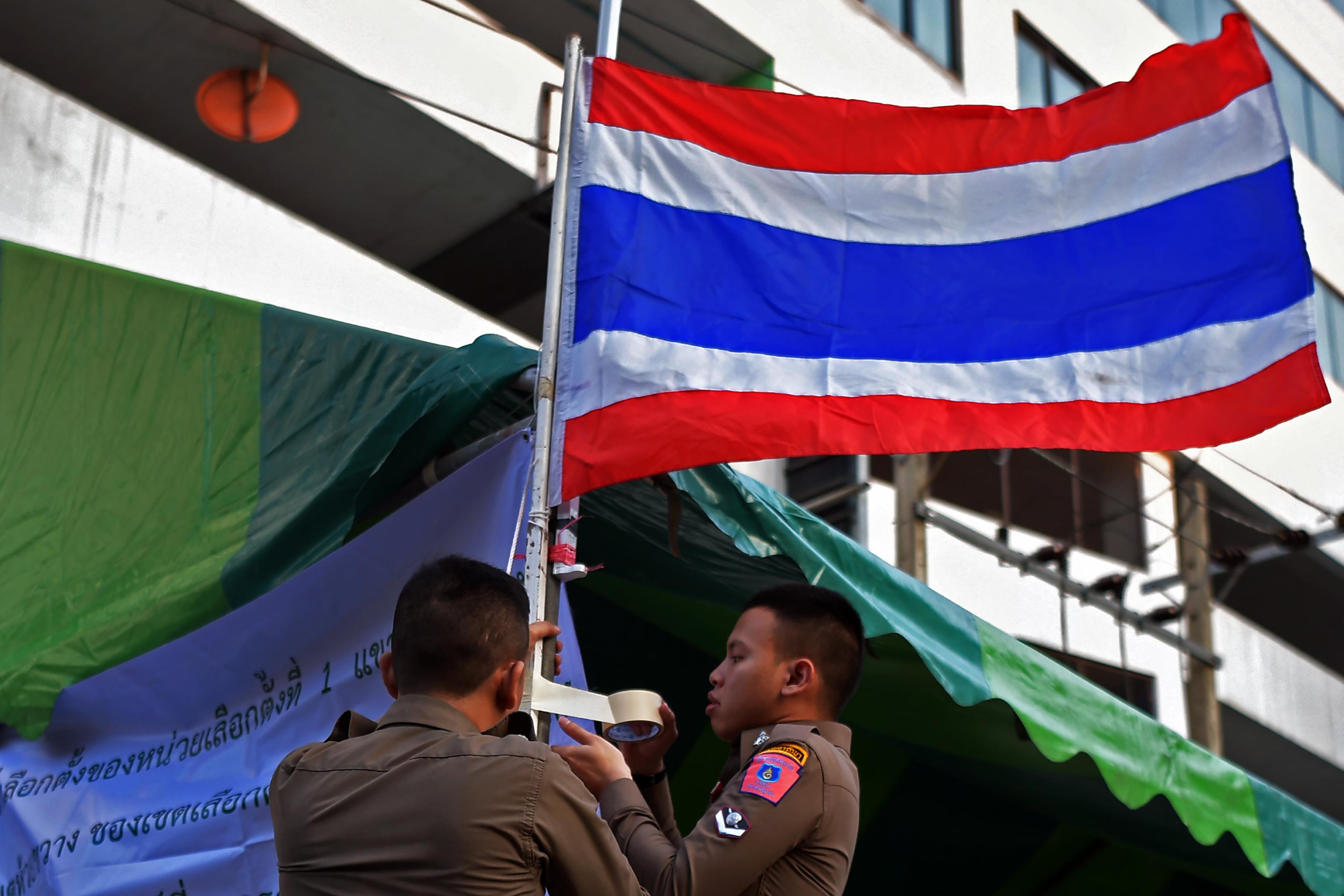
Thailand has taken a back seat when it comes to regional diplomacy, writes Indochina bureau chief Tan Hui Yee in the latest instalment of Power Play. Its vaunted tradition of “bamboo diplomacy”, combining flexibility and pragmatism, has turned passive at a time of growing rivalry between the US and China, she says.
BN wins big in Johor state polls
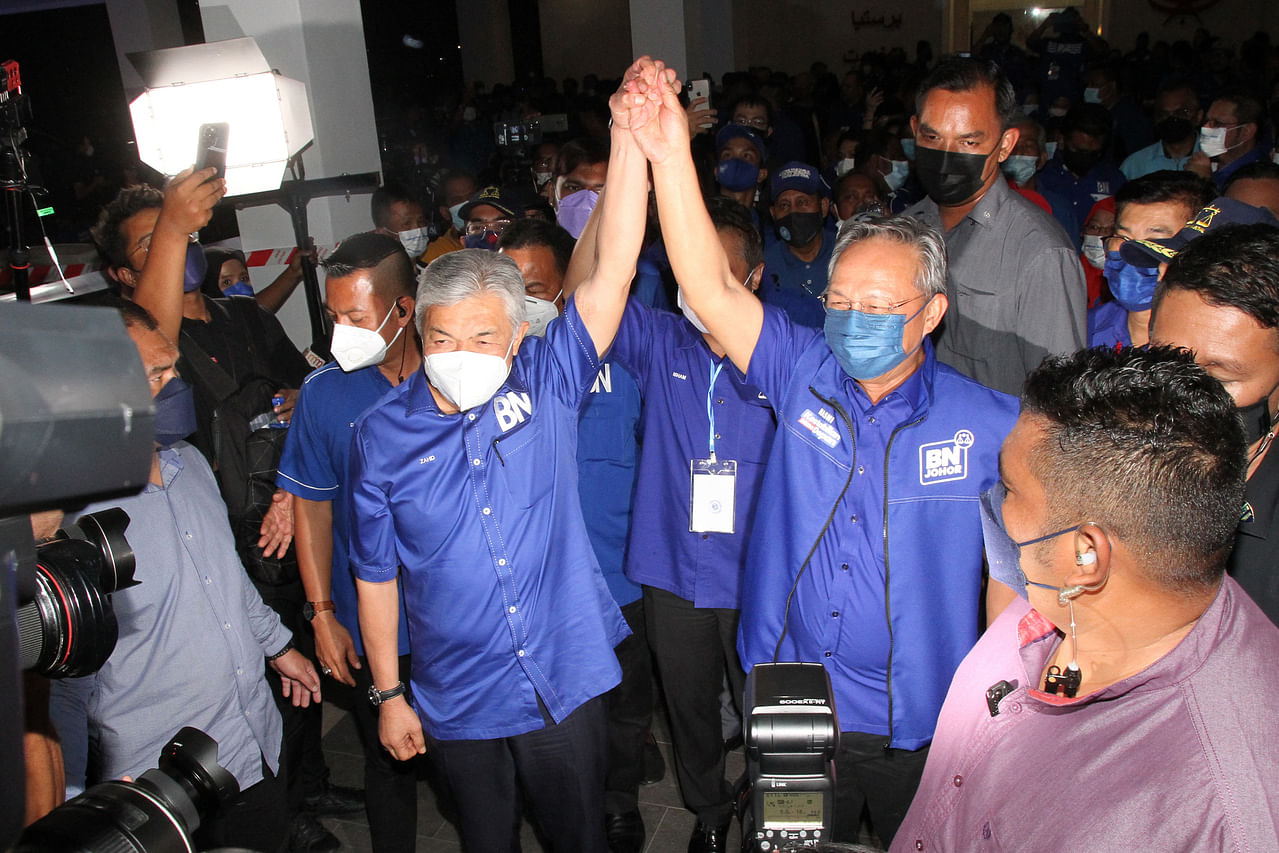
Malaysia’s Barisan Nasional (BN) alliance posted a landslide win in the Johor state election last week, spurring calls from its lead party Umno for a snap general election. Prime Minister Ismail Sabri Yaakob however is resisting his party colleagues’ calls, writes Malaysia bureau chief Shannon Teoh, as he only ranks third in the Umno hierarchy and may not be returned as prime minister. Low voter turnout and a fractured opposition were key factors in BN’s Johor win, writes Malaysia correspondent Ram Anand, a state of affairs that has emboldened Umno to strike while the iron’s hot.
For more Malaysia stories, subscribe to our newsletter.
Box-office hit

Step aside superhero blockbusters, here comes the pro-democracy documentary. People in Taiwan are flocking to see Revolution of Our Times, which tells the story of Hong Kong’s massive street protests in 2019, writes Katherine Wei from Taipei. The documentary by Hong Kong filmmaker Kiwi Chow has become the highest-grossing Chinese-language documentary made outside Taiwan.
Read our Asian Insider features here.
Saving wolves
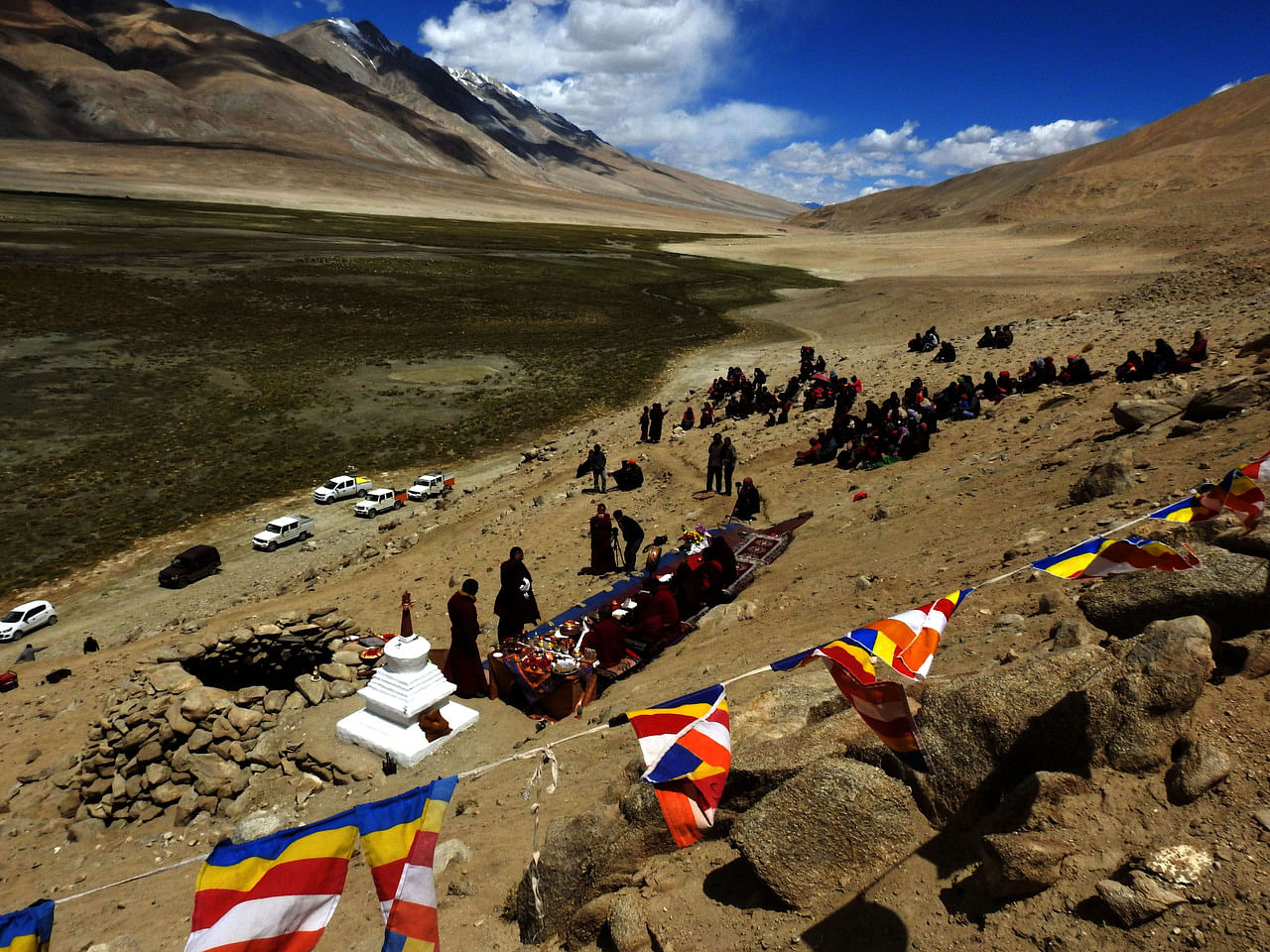
Animal conservationists have hit on a novel way to save India’s wolves in Ladakh, reports Debarshi Dasgupta, by combining Buddhism, livestock insurance and stronger pens to stop herders from stoning the canines.
