
How to evacuate when a medical emergency strikes overseas
Sign up now: Get ST's newsletters delivered to your inbox

Insurers usually cover the cost of transporting the insured party to the nearest medical facility for suitable treatment.
PHOTO: ADOBE STOCK

- Demands for medical evacuation are rising, especially for seniors, leading to complex and costly repatriation processes.
- Travellers must check insurance covering overseas medical, evacuation, and repatriation, noting exclusions like pre-existing conditions and high costs.
- In emergencies, call local services then insurer. Travellers with health issues should consult doctors, carry medication, and know emergency contacts.
AI generated
SINGAPORE – When Grace Tay’s mother went into cardiac arrest in Spain in 2025, Tay had to arrange for her parent to be medically evacuated and repatriated to Singapore.

A 63-year-old woman was on holiday in Barcelona, Spain, when she went into cardiac arrest in her hotel room.
ST GRAPHICS: NG WENG CHI

First responders took her to the hospital. Her husband and children called the medical evacuation hotline number that came with their insurance.
ST GRAPHICS: NG WENG CHI
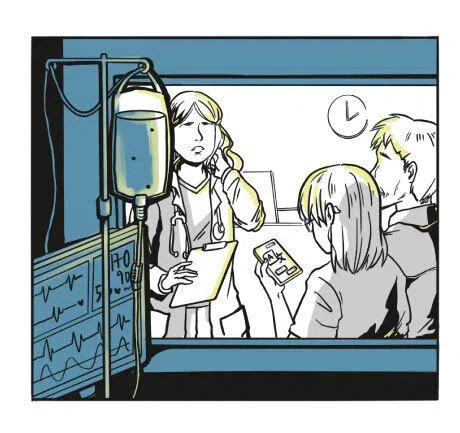
None of the family spoke Spanish, so it was hard to coordinate with local doctors and the medical evacuation team to discuss the patient’s condition, and how evacuation could be arranged.
ST GRAPHICS: NG WENG CHI
To the financial adviser’s surprise, it took more than a week for the insurer’s appointed emergency medical evacuation team to arrange a suitable aircraft to reach her mother’s location and get the necessary flight permits.
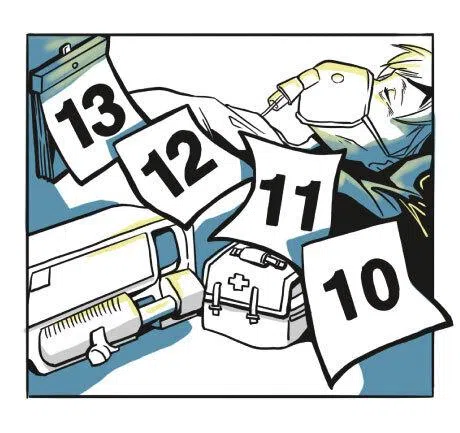
The patient needed an air ambulance fitted to manage a person needing intensive care. It took four days for this to arrive. During this time, she remained in hospital.
ST GRAPHICS: NG WENG CHI
A commercial flight between Barcelona and Singapore takes from 13½ hours non-stop to at least 16 hours with a single layover. The aircraft used by Tay’s 63-year-old mother took close to three days to reach Singapore as it required refuelling and maintenance to deal with a technical fault.
During the evacuation, the 34-year-old and her family were added to a WhatsApp chat group with the medical evacuation team and the doctors in Singapore.
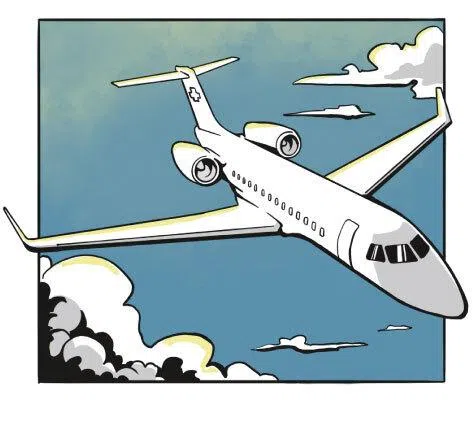
The air ambulance had to make several refuelling stops and needed maintenance, so the journey back to Singapore took longer than a commercial fight.
ST GRAPHICS: NG WENG CHI
They received updates on her mother’s condition during refuelling stops and had a tense few hours when engineers had to troubleshoot an issue with the left engine fuel pump.
“It was a traumatic experience,” recalls Tay. She is glad her parents had insurance that covered medical expenses overseas and the cost of repatriation.
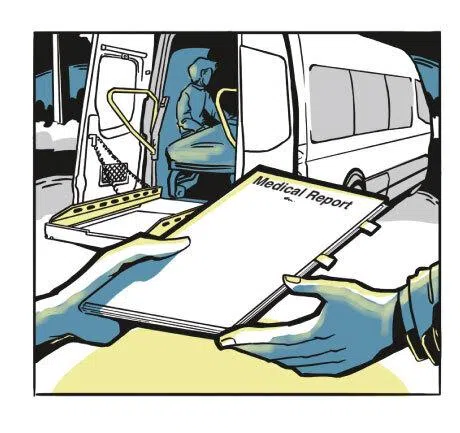
On reaching Changi Airport, the patient and her husband were taken to a local public hospital via ambulance. The medical evacuation team handed over her care at the hospital.
ST GRAPHICS: NG WENG CHI
Demand for medical evacuation and repatriation to Singapore is steady, say hospitals, insurers and health and security risk services company International SOS.
Some even say it is growing, as more seniors travel, and as more from Singapore opt for adventure travel. Most cases of medical evacuation and repatriation are seen during the holiday season and may involve accidents during leisure activities such as skiing, diving or road trips, according to insurers and hospitals.
Tan Tock Seng Hospital (TTSH) received over 60 queries about medical evacuation in 2025, compared with over 40 in previous years. Singapore General Hospital (SGH) saw 80 cases in 2024 and 2025, compared with 50 in 2023.
Samuel Duong, a senior manager of SGH’s patient liaison service, says cases come in via ferry from Batam, land transport from West Malaysia or via flights. Foreign patients are also medically evacuated to SGH for complex conditions such as burns, he adds.
A spokesperson for International SOS says it is seeing more complex cases, with growing need for a level of care similar to a hospital’s intensive-care unit. Patients may need to be on ventilators or extracorporeal membrane oxygenation for people with heart and lung failure.
This can increase the costs of medical evacuation and repatriation. Older travellers, especially, should read the fine print in their insurance coverage.
“Many travellers are unaware that policies often exclude pre-existing conditions or have reduced coverage for older individuals,” the spokesperson says.
Here is what you need to know about medical evacuation and repatriation before your next overseas holiday.
Check travel insurance carefully
Does your travel insurance cover overseas medical expenses, medical evacuation and repatriation, and for how much?
A spokesperson for insurer MSIG Singapore says a recent case of medical evacuation from South Korea cost more than $100,000. This was fully paid by the insurer.
“Medical evacuation is inherently costly, especially from remote locations or certain countries when complex medical arrangements are needed,” adds the spokesperson.
MSIG Singapore and Great Eastern offer travel insurance plans with medical evacuation and repatriation coverage of up to $1 million for medical evacuation.
FWD Singapore says its plans cover “necessary and reasonable costs of arranging the evacuation, such as medical transport and related logistics, rather than up to a fixed dollar limit”.
All insurers say to read the fine print carefully. People with pre-existing conditions usually need to pay an extra premium for coverage of medical emergencies arising from those conditions, or may have limited coverage for medical evacuation and repatriation.
Medical evacuation coverage is generally for the costs of transporting the insured party to the nearest medical facility for suitable treatment. Medical supervision during this transport is also covered.
A person in a ski accident in Hokkaido, Japan, would thus be able to claim the costs of transfer from the snowy slopes to the nearest medical facility that can provide treatment.
However, if search-and-rescue services are needed to find the injured skier, that cost may not be covered, says the spokesperson for MSIG Singapore.
Repatriation to Singapore is covered when deemed medically necessary. The insurer assesses and approves the case, along with the emergency assistance provider. The latter needs to coordinate with the medical team on the ground to decide on when the patient can travel.
The spokesperson for International SOS says timelines depend on the patient’s condition. Emergency evacuations are carried out as quickly as clinically and logistically possible, but planned repatriations may take longer as equipment needs to be arranged, along with visas and flight permits.
Who to call in an emergency
Always call local emergency services first to ensure the patient receives medical care as soon as possible. Then call your travel insurer, as well as others, such as your doctor in Singapore.
The Ministry of Foreign Affairs cannot help with medical or travel expenses, but can notify friends and family in case of an accident overseas.
When a 67-year-old Singaporean had a stroke while holidaying in the US, his family called emergency services to transport him to hospital. He had surgery and was in intensive care for a week.
His son Mark (not his real name) decided to repatriate him to Singapore, where he would be more comfortable and the family could make long-term arrangements for rehabilitation and care. Costs would also be more manageable in Singapore.
Mark called the insurer, who coordinated with the attending physicians and its medical team to decide when and how the repatriation could take place.
He also called TTSH’s Pearl Liaison Centre, which helps to admit patients from overseas. It receives medical reports from the overseas hospital and the medical evacuation team, and keeps the TTSH medical team updated on the patient’s condition.
The centre also tracks the patient’s overseas journey and provides live updates until the patient reaches the hospital.
Mark, who is in his 40s and declined to reveal his occupation, says he and his family were grateful to have a single point of contact to coordinate and oversee his father’s return to Singapore.
His father was eventually able to take a commercial flight with an attending doctor and nurse. All costs of medical evacuation and repatriation were covered, thanks to the travel insurance chosen.
Mark says: “I have paid a lot more attention to the fine print of insurance since.”
Tips for travellers with health issues
Teo Li-Tserng, director of TTSH’s Trauma Centre, stresses the importance of being prepared before you travel. Get travel insurance that covers pre-existing conditions. Note down the emergency contact numbers from the insurer and its medical evacuation provider.
“If something happens, do you have a number to call? Do your research before travelling,” says the senior consultant at TTSH’s department of general surgery.
His advice for those with existing health conditions is to consult their doctor before they travel and ensure their conditions are well-controlled before travelling.
They should take more than enough medication for the trip. They should also take a list of their medication, in case their luggage gets lost or medication runs out.
TTSH has received patients whose underlying conditions flared up when on holiday, or were injured during recreational activities or road trips.
“Thousands of Singaporeans travel every day. If they fall sick anywhere in the world and would like to come back, we are ready 24/7 to give them a hand,” Teo says.
Medical evacuation contacts at public hospitals
SGH Patient Liaison Department
Fill in the evacuation form here and call (+65) 6326-5656 on weekdays, 8.30am to 5.30pm. After office hours, call (+65) 6222-3322.
Pearl Liaison Centre at TTSH
Call (+65) 6357-1590 (24-hour hotline), or e-mail ttsh.plc@nhghealth.com.sg