
Silent disease: Watch out for the hidden risk of osteoporosis
Sign up now: Get ST's newsletters delivered to your inbox

Madam Muthiah Vasanthakumari, 73, has osteoporosis and suffered a vertebral fracture in May after lifting something heavy.
ST PHOTO: DESMOND WEE
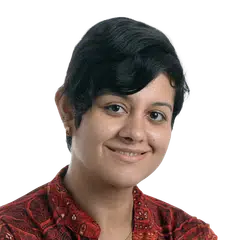
SINGAPORE – Madam Muthiah Vasanthakumari, 73, does yoga daily. However, in recent months, she has had to avoid doing extreme twists or backbends.
Madam Kumari, as she is known, has osteoporosis or brittle bones. The condition typically presents without any warning symptoms and leaves sufferers at risk of becoming immobile due to spine or hip fractures.
In May, she suffered a sudden and painful backache after lifting something heavy. It turned out to be a vertebral fracture.
“If I had known, I would have been more careful,” Madam Kumari says. She is now receiving monthly injections to promote bone formation and has been asked to walk slower to reduce the likelihood of tripping and falling.
The married mother of three found out 13 years ago that she had low bone density, which can indicate osteoporosis.
Until recently, she did not think it would affect her much. She made sure to take calcium supplements and ate green leafy vegetables rich in calcium.
She walks regularly, clocking 10,000 to 15,000 steps a day. She can climb stairs and go on pilgrimages in hilly regions in India.
However, consultant endocrinologist Caroline Hoong at Woodlands Health, says: “By the time you have been diagnosed with osteoporosis or broken a bone because of osteoporosis, simply taking calcium and vitamin D supplements is not enough.”
Treatment can also involve oral or injectable medications to reduce the loss of bone and promote bone formation, adds Dr Hoong, who treats Madam Kumari.
Stealthy condition
Family physician Gabriel Ding says people with osteoporosis have bones that have become brittle and fragile, usually because of hormonal changes or deficiencies in calcium or vitamin D, which aids the take-up of calcium by the bones.
There are typically no warning signs in the early stages of bone loss, adds Dr Ding, who is a consultant and head of Khatib Polyclinic. Yet, he says: “Osteoporosis causes bones to become so weak and brittle that a fall or even mild stresses like bending over or coughing can cause a fracture.” The most common such fractures are of the hip, wrist and spine.
Endocrinologist Chew Chee Kian sees 30 to 40 patients with osteoporosis every week. Some may have had lower back pain or a decrease in height over time. But mostly, says Dr Chew, osteoporosis is a silent disease. “People may realise they have the disease only after having a fracture.”
The senior consultant at Tan Tock Seng Hospital’s department of endocrinology says that in Singapore, osteoporosis is estimated to be prevalent in 0.7 per cent of men above the age of 50, according to a 2023 study of the Asia-Pacific region.
In post-menopausal women here, the prevalence is estimated to be 9.3 to 19.4 per cent.
“Osteoporosis is more common in women, especially after menopause. With the onset of menopause around the age of 50 years, bone loss accelerates due to a marked decrease in oestrogen levels,” says Dr Chew.
Dr Ding says the risk of developing osteoporosis increases as people age and is typically seen in those aged 65 and older. Other risk factors include conditions such as diabetes mellitus or hyperthyroidism, smoking and excessive consumption of alcohol or caffeine.
Dr Hoong says that many do not realise the severity of osteoporosis. Spine and hip fractures may cause pain and reduce mobility, affecting a person’s quality of life.
Reduced mobility or immobility increases the risk of a patient developing other conditions, such as thrombosis, or blood clots.
She adds that when it comes to hip fractures, one in three patients need long-term care.
“It is important to get screened for osteoporosis as we age,” says Dr Hoong. She recommends a bone mineral density scan for post-menopausal women aged 65 and older, and for men aged 70 and older. Younger people might also benefit from such a scan if they are in higher risk groups.
Maximising bone mass
While bone loss is part of ageing, osteoporosis does not need to be. Dr Chew says bone health can be optimised by maximising bone accrual during youth and adolescence – between ages 12 and 20 – maintaining bone mass as an adult, and minimising bone loss due to ageing and menopause.
Ensure adequate intake of calcium and vitamin D, and do exercises to stimulate bone formation, he says.
The Health Promotion Board recommends taking 1,000mg of calcium daily for those aged 10 to 18, people over the age of 50, and those who are breastfeeding. Adults aged 19 to 50 should get 800mg of calcium a day.
“Dairy products such as milk, yogurt and cheese are excellent sources of calcium. Other good alternatives are dark green vegetables, soya products such as bean curd, and calcium-fortified soya milk,” says Dr Chew.
Getting 10 to 15 minutes of sunlight daily between 10am and 3pm will produce adequate vitamin D in the body, he adds. Dietary sources of vitamin D include oily fish such as salmon and mackerel; eggs; liver; cheese and food products fortified with the vitamin.
Dr Ding says that exercise will slow bone loss and strengthen bones, no matter when a person starts exercising.
“Combine strength-training exercises with weight-bearing exercises,” he says. “Strength-training exercises such as squats, lifting weights and using resistance bands help strengthen bones in your arms and upper spine, and weight-bearing exercises such as jogging, stair-climbing and rope skipping will strengthen mainly the bones in your legs, hips and lower spine.”
Dr Chew also recommends that older patients do exercises to improve balance and strengthen their core. He asks his patients to exercise for at least 30 minutes, five times a week.

Ms Tong Wai Han, 66, is a full-time caregiver to a parent with dementia. She uses caregiving support services to allow her to go for her medical appointments to manage her osteoporosis.
Treating osteoporosis
Dr Chew recalls a 58-year-old patient who suffered a vertebral fracture after lifting a heavy pot.
Her treatment included having to drink two glasses of milk a day and do regular weight-bearing and strengthening exercises. After two years, her bone mineral density improved significantly and she has not suffered any more fractures, he says.
Osteoporosis treatment involves the elements that contribute to overall bone health, such as exercise and adequate intake of calcium and vitamin D. Patients also go on medications to reduce bone loss and promote bone formation.
Reducing the risk of falls is also important. Dr David Ng, a family physician and senior consultant with the National Healthcare Group Polyclinics, says that the group has started asking patients aged 65 and older if they have fallen in the past six months. Those who have fallen are given advice on preventing falls and referred to appropriate exercise programmes.
Ms Tong Wai Han, a 66-year-old who has osteoporosis, had to give up her hobby of rollerblading after a fall in 2002.
The former vice-principal of a secondary school attributes her condition to not getting enough calcium while growing up in post-war Singapore.
Apart from doing resistance training to strengthen her bones, Ms Tong has to take an injection of osteoporosis-treating medication every six months.
She also receives spinal traction therapy – a form of decompression therapy that relieves pressure on the spine – to address issues caused by the degeneration of her bones and vertebrae.
The retiree visits the hospital for treatment once every two or three weeks. This used to be difficult for her, as she cares for her 94-year-old mother, who has dementia and is prone to leaving her HDB flat in Chinatown when left unattended.
Ms Tong manages to keep up with her medical appointments thanks to professional carers, who look after her mother while she is away. She started using such care services, coordinated by the Agency for Integrated Care, after she fell and injured her kneecap while rushing to get to her mother.
“When I had that fall, I realised I couldn’t keep doing this alone,” says Ms Tong. “You need to take care of yourself in order to take care of others.”