
More can be done to shorten diagnosis process for patients with rare diseases, say panellists at forum
Sign up now: Get ST's newsletters delivered to your inbox

Ms Sheryl Lee, 45, whose daughter Jolee, 7, has Lennox-Gastaut Syndrome, a rare and severe form of epilepsy, said it took about two years for her daughter to be diagnosed.
ST PHOTO: AZMI ATHNI
SINGAPORE - It typically takes around seven years, eight doctors and two to three wrong diagnoses before a rare disease is accurately diagnosed.
These statistics, from the United States and Britain, were quoted by paediatric genetics specialist Tan Ee Shien at a forum on rare diseases on Feb 25, as she spoke about the psychological and financial toll this can take on patients and their families.
“When we see a doctor for a cough and a fever, we expect a diagnosis, we expect some medicine, and we expect to get better within a couple of days,” said Dr Tan at the Carry Hope Forum, part of a whole day’s events organised by the Rare Disorders Society (Singapore) (RDSS) to mark World Rare Disease Day on Feb 29.
“But that’s not the journey of a patient with rare diseases. They often have many tests, see many specialists, and go down many routes.”
This was the case for Ms Sheryl Lee’s six-year-old daughter, Jolee, who started to experience seizures when she was two years old.
Doctors first told Ms Lee, 45, that her daughter had a genetic disorder with global developmental delay.
Despite medicine and therapy, Jolee’s seizures got more frequent, sometimes happening up to 40 times a day.
It took around two years for her to be finally diagnosed with Lennox-Gastaut syndrome, a severe form of epilepsy where patients experience repeated seizures. This came after a brain scan was conducted.
Speaking to The Straits Times on the sidelines of the RDSS event, held at the Singapore Sports Hub, Ms Lee said: “The doctor was not sure as sometimes kids just outgrow seizures... we had to keep guessing what sickness she had.”
Finding the right treatment plan took another two years, said Ms Lee. The treatment was also costly, and her family had to pay $1,000 a month for a particular medicine that had to be imported from Britain.
The challenges she faced were not unique to her, and panellists at the forum called for the pharmaceutical industry, doctors and patients to collaborate to seek better solutions on diagnosis and in turn improve illness management for rare diseases.
Dr Tan, the medical director for RDSS, said therapies for rare diseases are expensive due to high development and production costs, and research and development for new drugs take a long time.
She added that rare diseases are not as rare as people think.
Although they affect one in 2,000 people or fewer, based on the world’s population, there are around 300 million people living with a rare disease globally.
Based on statistics from the last five years, there is around one such patient from every 10 to 20 families in Singapore, according to the RDSS website.
Ms Lee said she felt helpless when Jolee was initially diagnosed.
“The most difficult part was to see her seizing and suffering, but (we) could not protect or help her,” said Ms Lee.
She added: “But as time goes by, we got used to it. We would not be frightened but would instead focus on how to make her more comfortable and abort the seizures.”

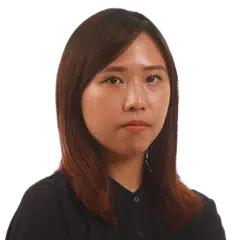
Specialist in paediatric genetics and medical director of Rare Disorders Society (Singapore) Dr Tan Ee Shien said patients of rare diseases typically go through a lengthy process for an accurate diagnosis.
What also helped was joining support groups for children with similar epileptic conditions, which provided valuable information and resources, said Ms Lee.
Over the weekend, some children with rare diseases had a break from their usual cycle of hospital visits and treatments.

Over the weekend of Feb 24 to 25, children with serious illnesses enjoyed a special VIP experience meeting pilots and exploring planes at the Singapore Airshow, organised by charitable organisation Barrie Wells Trust.
At the Singapore Airshow, 65 children with serious illnesses, including rare conditions like ADAMTS13 deficiency which results in a blood-clotting disorder, met pilots and explored planes in a special event planned by charitable organisation Barrie Wells Trust.
Another 17 children battling cancer – a rare disease for children – enjoyed Porsche car rides and a carnival at the Paediatric Brain and Solid Tumour Awareness Day, organised by Duke-NUS medical school students at KK Women’s and Children’s Hospital (KKH).
Dr Soh Shui Yen, senior consultant from KKH’s paediatric brain and solid tumour programme, said there are about 150 child cancer diagnoses in Singapore every year – only 1 per cent of all cancer diagnoses here.
“The families feel quite isolated. If they are given a diagnosis (for a brain tumour) and they ask around, they don’t find anybody else with the same diagnosis,” said Dr Soh, adding that more awareness is needed of such conditions.

Nawfal (third from right), diagnosed with a brain tumour, plays with his parents and Duke-NUS medical students Ms Nur Sarah Binte Ibrahim (second right) and Ms Coco Cao (right).
Ms Nura Fiqah, 31, and her husband Mr Muhammad Nasri, 36, took their three sons to the carnival. Their eldest son Nawfal, seven, was diagnosed with a 10cm brain tumour when he was five years old, and has undergone multiple surgical operations.
The couple were surprised to meet other caregivers like themselves at the event.
Said Ms Nura: “So far throughout this entire journey, we met only one other parent (of a child with the same condition). Here, we actually see all of them. We realised we are not alone in this.”