
Gwangju Biennale resolves naming row over Taiwan pavilion
Sign up now: Get ST's newsletters delivered to your inbox

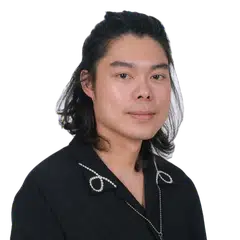
Singapore artist Ho Tzu Nyen is the artistic director of 2026’s Gwangju Biennale and one of the signees of the curatorial team’s open letter.
PHOTO: SINGAPORE ART MUSEUM
- The Gwangju Biennale Foundation initially insisted Taiwan's pavilion be named after its museum, sparking accusations of political censorship.
- Singapore artist Ho Tzu Nyen and the Biennale curatorial team pressured the Foundation to reverse its decision.
- The Foundation eventually allowed the pavilion to proceed as the "Taiwan pavilion," with Taiwan’s culture minister expressing gratitude.
AI generated
SINGAPORE – A two-week controversy over the naming of the Taiwan presentation at the upcoming 2026 Gwangju Biennale, helmed by Singapore artist Ho Tzu Nyen, has been resolved after organisers gave permission for it to officially proceed as the “Taiwan Pavilion”.
Taiwanese curators and artists had been in a public fallout with the Gwangju Biennale Foundation since Aug 15 over the naming of the Taiwan exhibition space at Asia’s oldest contemporary art fair, set to open on Sept 5.
The foundation had insisted that Taiwan present its pavilion under the institutional name of the National Taiwan Museum of Fine Arts, abbreviated to NTMoFA – rather than as “Taiwan” – in all its promotional materials, prompting allegations of political censorship and an official statement by the Taiwanese titled A Pavilion Under Censorship.
In the weeks since, other artists and curators have made public shows of support that cited Gwangju Biennale’s special relationship to political violence.
The event was established in 1995 to commemorate the fight for human rights and democracy that saw hundreds to thousands of people killed by South Korean soldiers during the suppression of a 1980 uprising.
The Gwangju curatorial team headed by Ho added to public pressure by issuing a formal request to the foundation to reverse its position, saying: “Hospitality is reciprocal: a host also assumes responsibilities towards those it invites. Our colleagues from the Taiwan Pavilion are guests, and for them to have reached the point where they feel compelled to speak publicly against their host is something we cannot take lightly.”
That Aug 24 letter gave the foundation till 6pm on the same day to respond – a deadline it missed.
The Straits Times understands that the curatorial team did not immediately issue a second statement as it had threatened because there was evidence of positive steps being taken and discussions were ongoing, fast-moving and fluid.
By Aug 26, the foundation had written to Taiwan’s Ministry of Culture, relenting on the naming.
The venue, Asia Culture Center, began letting Taiwan exhibition staff onto the biennale grounds to begin their belated set-up.
From the start, the foundation had insisted the dispute was not a matter of censorship, but one of administrative miscommunication.
There are two participating categories in the biennale: national pavilions, identified by country name and accompanied by an official letter of approval issued by the country’s embassy or ministry of culture; and institutional participants.
The foundation said its agreement with the Taiwanese on Jan 12, 2026, had proceeded in the institutional category. Taiwan’s Ministry of Culture rejects these claims.
There has been no public evidence of Chinese interference or pressure.
On Aug 26, Taiwan’s Culture Minister Li Yuan said on Facebook that his ministry had already drafted a statement announcing Taiwan’s withdrawal from the Gwangju Biennale when the foundation changed its mind.
He said: “The processes of democratisation in Korea and Taiwan occurred almost simultaneously. We should cherish even more the similar struggles we have shared and our longstanding friendship.
“Thank you to all the strangers who stepped forward during these days of immense struggle, when we were racing against time. Justice that arrives late is still justice. The spirit of Gwangju lives on.”
Biennales have become arenas of political contest in recent years. At the ongoing Venice Biennale, protests happened almost every day during the opening week in May.
The protests included those by the Art Not Genocide Alliance against the Israeli Pavilion that took place near the Singapore Pavilion.
The Taiwan presentation at the Venice Biennale was an official national pavilion until 2003, when it was downgraded to an official collateral event. China claims self-ruled Taiwan as its territory.
