
Ambulance crisis may have sparked first debate of Sri Lanka’s presidential election season
Sign up now: Get insights on Asia's fast-moving developments

Sri Lanka is only just emerging from its worst economic crisis, in 2022, which saw massive shortages of essential goods like food, fuel and medicines.
PHOTO: AFP
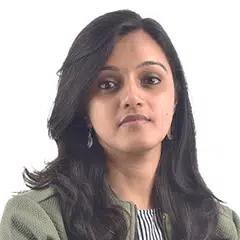

BENGALURU – Dr Yasuni Manikkege, who works in a Colombo-based government hospital, discovered a painful truth about Sri Lanka’s economy recently.
One night in early May, her 51-year-old neighbour fell in his bathroom. She rushed to give him cardiopulmonary resuscitation and dialled 1990, the government’s free ambulance service.
Usually, the ambulance would have arrived in three minutes. But that day, none came for 30 minutes. The neighbour died.
Dr Manikkege later found out the Suwa Seriya ambulance service – a gift from neighbouring India in 2016 that the World Bank said is among the globe’s most efficiently run – had been underfunded and severely short-staffed since Sri Lanka’s economic crisis triggered a massive exodus of medical professionals.
Sri Lanka is only just emerging from its worst economic crisis in 2022 that caused hyperinflation and loss of livelihood as well as massive shortages of essential goods like food, fuel and medicines that the island nation could not afford to import. The economy shrank by 7.3 per cent that year.
The crisis-hit economy has since stabilised due to tough reforms prompted by an International Monetary Fund (IMF) rescue package of US$2.9 billion (S$3.9 billion) in 2023. Since then, inflation has decelerated to single digits, foreign exchange reserves are being built up, and the exchange rate has appreciated. Tourist arrivals and remittance inflows have also improved.
While food and medical shortages are not debilitating the country today, Sri Lanka faces a crippling exodus of its most qualified professionals. “The number of doctors, nurses and other medical staff leaving has not stopped. The inadequate salary is one reason, but it’s also anxiety over uncertainty and a feeling of total hopelessness about the future,” said Dr Manikkege.
Government officials estimate that 4,500 doctors have left the country in the past two years on “no-pay leave” of two to five years, driven by economic hardship and tax hikes. They may return, but without a real vacancy that occurs after a doctor quits, the government is unable to recruit new ones, thus leaving the healthcare system floundering.
Every ambulance requires one driver and two emergency medical technicians who are paid 35,000 Sri Lankan rupees (S$157) and 55,000 Sri Lankan rupees a month, respectively. Of its nearly 1,500 staff, around 400 have quit since 2022, forcing 56 of its 322 ambulances out of service, according to Mr Dumindra Ratnayaka, chairman of the Suwa Seriya Foundation.
Hours after Dr Manikkege posted on May 14 on X, formerly Twitter, about the ambulance shortage, opposition leader Sajith Premadasa read it out in Parliament, triggering what analysts say might have been the first national debate to kick off the election season.
Sri Lanka’s election commission announced in early May that it will hold presidential elections between Sept 16 and Oct 17, 2024. It will be the first presidential election since the economic downturn and the fifth since the end of its civil war on May 19, 2009.
Analysts say the next leader of the country of 22 million must address the root causes of its two biggest vulnerabilities: ethnic rifts and economic crises.
At the height of the day-long power cuts during the economic crisis in 2022, angry protesters had forced then President Gotabaya Rajapaksa to resign.
Mr Rajapaksa’s successor, President Ranil Wickremesinghe, introduced austerity measures including sharp tax hikes and sale of state-run assets like Sri Lankan Airlines. He also cracked down hard on anti-government demonstrations.
Mr Wickremesinghe has said he will seek another term as president. His challengers could be Mr Sajith Premadasa, the urbane son of a former president, and a small socialist alliance that has grown popular after the crisis.
Ousted former prime minister Mahinda Rajapaksa, whose Sinhala nationalist Sri Lanka Podujana Peramuna party earlier backed Mr Wickremesinghe’s presidency, is likely to support him again, but he has categorically opposed the “sale of any national assets”.
Sri Lanka’s central bank chief Nandalal Weerasinghe in a May 7 press statement said the presidential election could actually stall Sri Lanka’s tentative recovery from its worst economic crisis.

A tourist taking photos at in Sri Lanka’s Colombo. Tourist arrivals and remittance inflows have improved since the country’s 2022 crisis.
PHOTO: REUTERS
Mr Wickremesinghe’s rivals have indicated they want to renegotiate terms of the IMF bailout, reduce taxes and increase food and energy subsidies.
Economist and MP Harsha de Silva, who heads the economics wing of the Samagi Jana Balawegaya party that is backing Mr Premadasa as its presidential candidate, said: “The current government’s budget, primary balances and revenue are looking good in terms of macro stability, but people from whom the 36 per cent income taxes and 30 per cent corporate taxes have been extracted from, are up the creek.”
His party under Mr Premadasa proposes an economic programme that will balance social equity and market reforms, he said.
Foreign lenders have warned that any delay in restructuring Sri Lanka’s foreign debt could impact the economy. Sri Lanka had expected a deal with foreign lenders including China, its single biggest bilateral creditor, by the end of March, but so far no accord has been announced.
As long as there are no abrupt policy changes after the election, the Asian Development Bank forecasts the economy to record moderate growth of 1.9 per cent in 2024 and 2.5 per cent in 2025.
But that growth would make little difference to more than 5.7 million Sri Lankans – or 26 per cent of the population – who are living below the poverty line of US$3.65 a day, said the World Bank. Only 11.3 per cent of the population was below the poverty line in 2019, prior to the economic crisis of 2022.
“Whatever reserves people had – their gold or savings – are spent now. The only option now is out-migration, across class,” said political economist Ahilan Kadirgamar, who teaches sociology at Sri Lanka’s University of Jaffna, adding that for the poor, migration increases indebtedness as they borrow money to pay agents.
Over two million people have left Sri Lanka to study or work abroad since 2022. In comparison, around 54,000 went abroad in 2020.
Among the poor, minority communities like the Tamils, Muslims and up-country Tamils who labour in tea plantations, face the worst financial stressors, on top of their continued marginalisation in a Sinhala majority nation, Mr Kadirgamar told The Straits Times.
Marking the 15th-year anniversary of the end of the war on May 18, hundreds of Tamil families held a memorial in north Sri Lanka at the site of the final battle to commemorate the killing of at least 70,000 ethnic Tamil civilians.

People in Mullivaikkal village, in northern Sri Lanka, remember victims of the 26-year Tamil separatist war.
PHOTO: AFP
“Security forces were more vigilant in the past few days, but even otherwise, we are constantly watched under the gun and intimidated,” said a resident of Mullaitivu who lit an oil lamp at the memorial. She requested anonymity to prevent reprisal.
The “ethnonationalism that is at the root of the ethnic divide has not subsided, and sadly even informs some economic policies,” said Ms Bhavani Fonseka, senior researcher and lawyer at the Centre for Policy Alternatives.
As examples, she cited the state’s efforts to honour only the military’s victory in the war, while ignoring the suffering of minorities, and the state allegedly appropriating land in Tamil- and Muslim-dominated northern and eastern regions using the military, corporations and Buddhist clergy.
“Political and economic grievances – and thereby solutions – in Sri Lanka are more entwined than ever before,” she added.
Dr Manikkege, who said she is staying put in her country because she is “sentimental”, also wondered: “With the kind of hopelessness Sri Lankans are feeling, who knows how many will even be around to vote in the presidential election?”
