
Asian Insider: Malaysia Edition helps you connect the dots on the biggest stories playing out in Malaysia every week. Sign up here to get the newsletter in your inbox.
All eyes are now on Johor, as political parties campaign to take control of the state ahead of the July 11 polls, when up to 2.7 million eligible voters go to the ballot box.
The state election will be closely watched for hints of national dynamics leading up to the federal polls, with Parliament due to dissolve by next year. Malaysia’s political landscape has many moving parts, and internal strategists and external analysts alike will be parsing through the results once all the votes are counted.
If there’s a lesson from the March 2022 edition, it’s that turnout matters as much as who wins the 56 seats on offer. UMNO-led Barisan Nasional (BN) swept to victory then, taking a two-thirds supermajority. Buoyed by that win, it quickly called for federal polls eight months later. But instead of a return to the dominance it enjoyed before its first-ever defeat in 2018, it was soundly thrashed, limping home with just 30 MPs in its worst outing ever.
Turnout at the last Johor polls was a dismal 55 per cent, a record low for a state election, partly due to Covid-19 restrictions at the time. By the general election in November 2022, that figure had risen to 74 per cent of eligible voters.
The general understanding is that the long-ruling BN has a secure vote bank built over decades of dominance, while other coalitions that have risen over the past two decades need to galvanise their supporters. So if the early barometer is how exciting the campaign has been so far, a BN victory still looks likely.
“It’s a slow-starting campaign, as most top national figures are busy with the ongoing parliamentary sitting. But we’ll have to see if more of them descend on Johor over the weekend, when Parliament isn’t sitting,” said our roving reporter Lu Wei Hoong, who has traversed the state’s western coast over the past week.
Our other two reporters there, Hadi Azmi and Harith Mustaffa, have made similar observations. “If you look around Johor Bahru, you only see party flags around their branch offices, except in a handful of tightly contested seats,” said Harith.
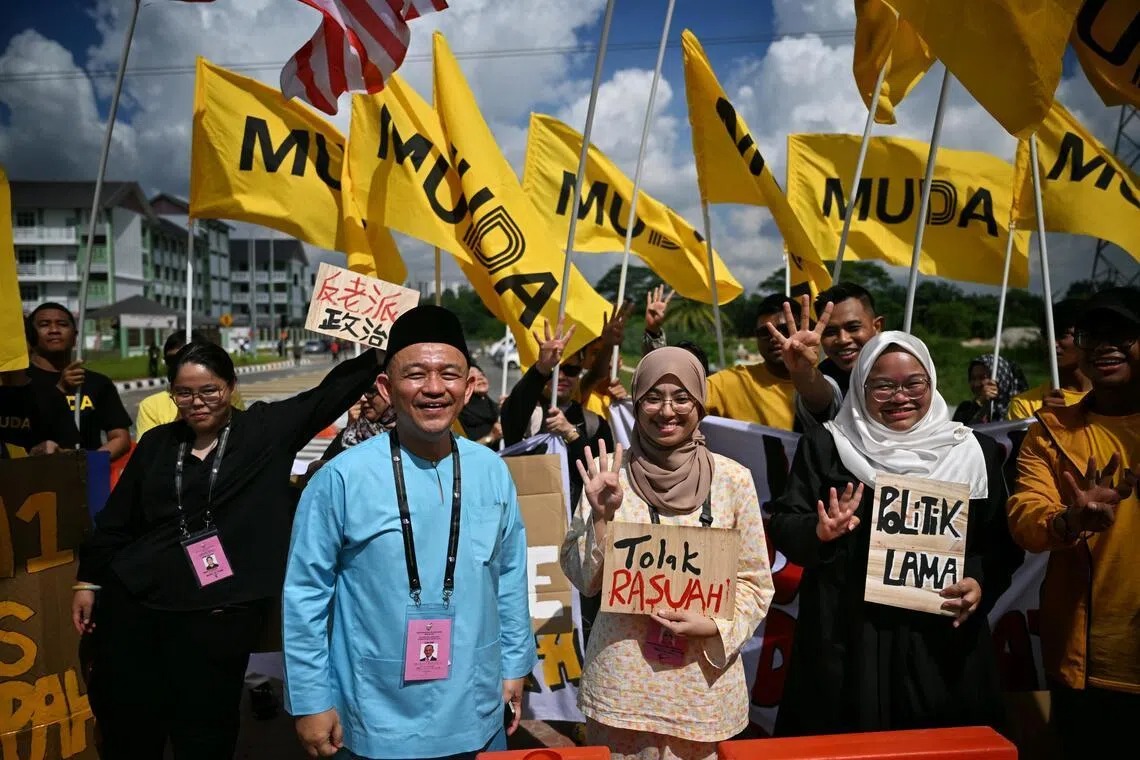
In fact, it’s the smaller parties – like the youth-focused Malaysian United Democratic Alliance (MUDA) and former economy minister Rafizi Ramli’s newly launched Parti Bersama Malaysia – who appear to be the busiest. Perhaps being unencumbered by the jousting and sabre-rattling at federal level lets them train their guns fully on Johor.
As such, I’ll have to give you the standard cop-out responses for now: “too early to tell”, “too close to call”, “too murky to predict”, and so on.
Will the picture be clearer in a week’s time, when I write the next newsletter? I certainly hope so. Whatever happens, you can be sure we’ll bring you the best coverage possible, from now until Johoreans cast their votes, and beyond.
What are your predictions? Let us know after you’ve checked out some of our best coverage from Malaysia in the past week.
Johor goes to the polls: The coalitions, the conflicts, and what to watch
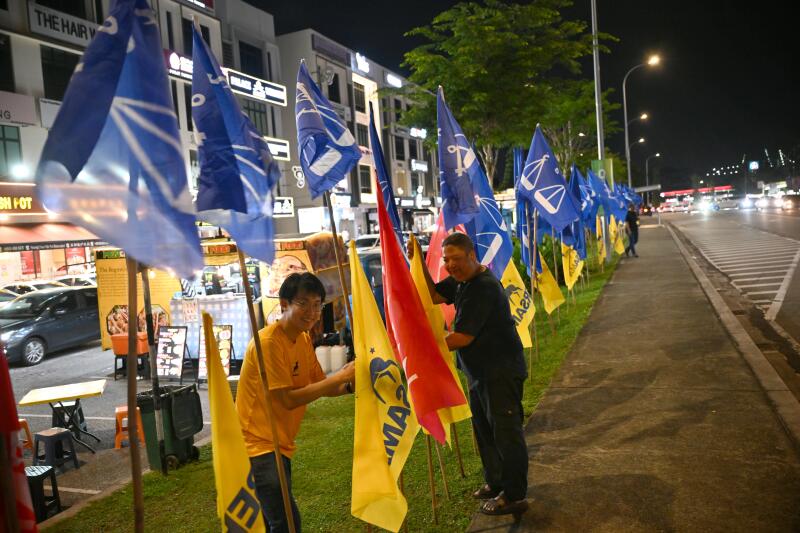
Five key battles at Johor state election
From Larkin to Endau, these fights will show whether Malaysia’s political tide has turned.
Podcast: Will the Johor polls kill the unity government?

Why Johor polls contenders are all in on youth

Could PAS call to back BN in Johor backfire?
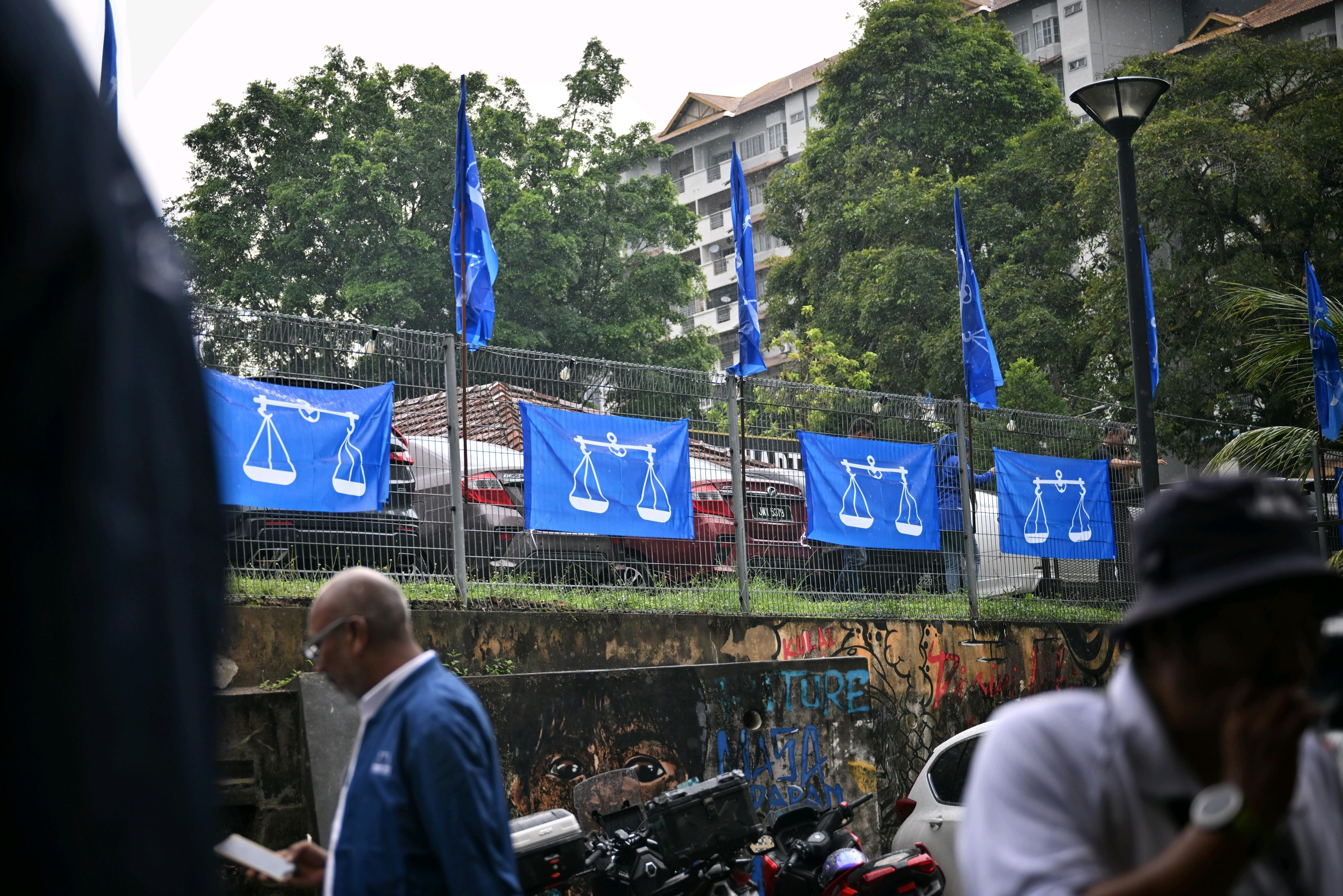
The call reflects the opposition coalition’s long-term push for greater Malay political unity.
Malaysia vows smooth borders for Johor polls
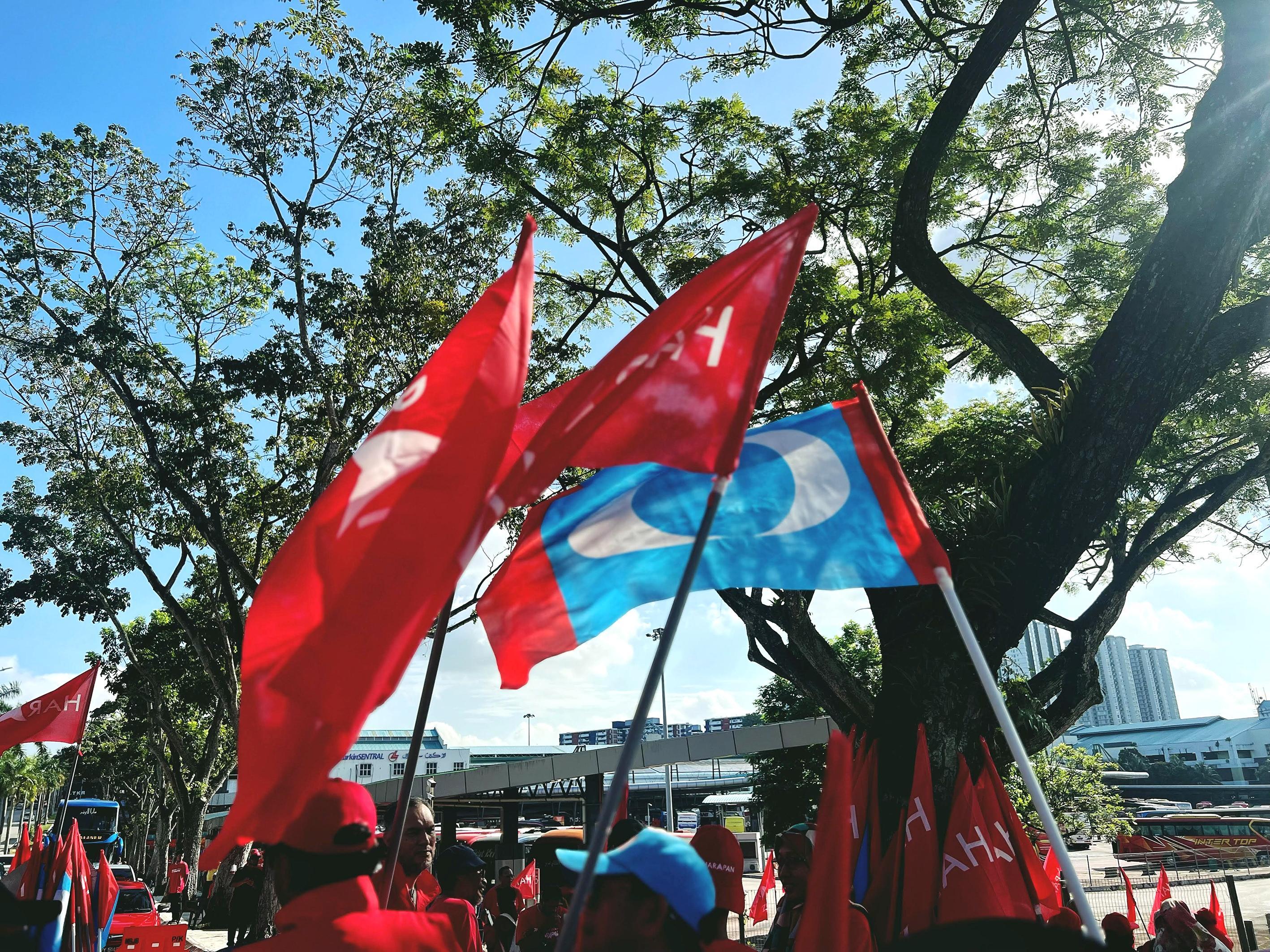
How a Johor resident is tackling the state’s rubbish problem

Ringgit expected to weaken further against Singdollar in 2026
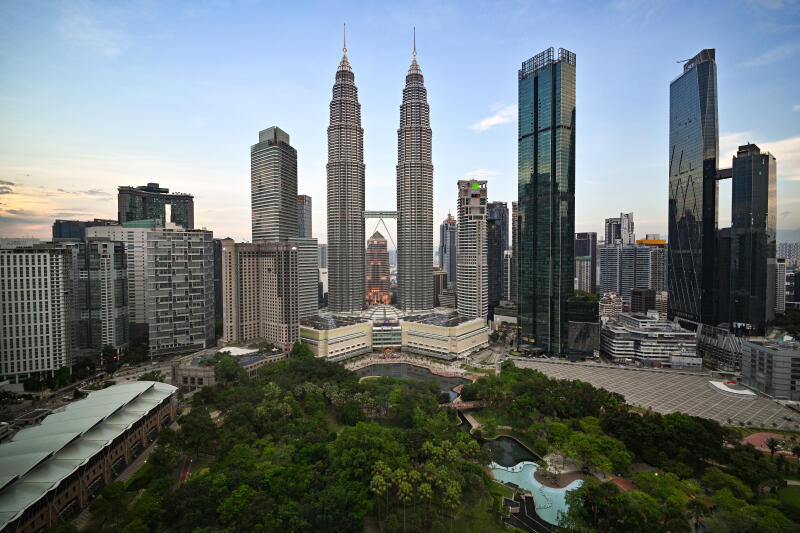
Political uncertainty in Malaysia and expectations of higher US rates are putting pressure on the ringgit.
Rainfall alone not causing KL floods: Minister
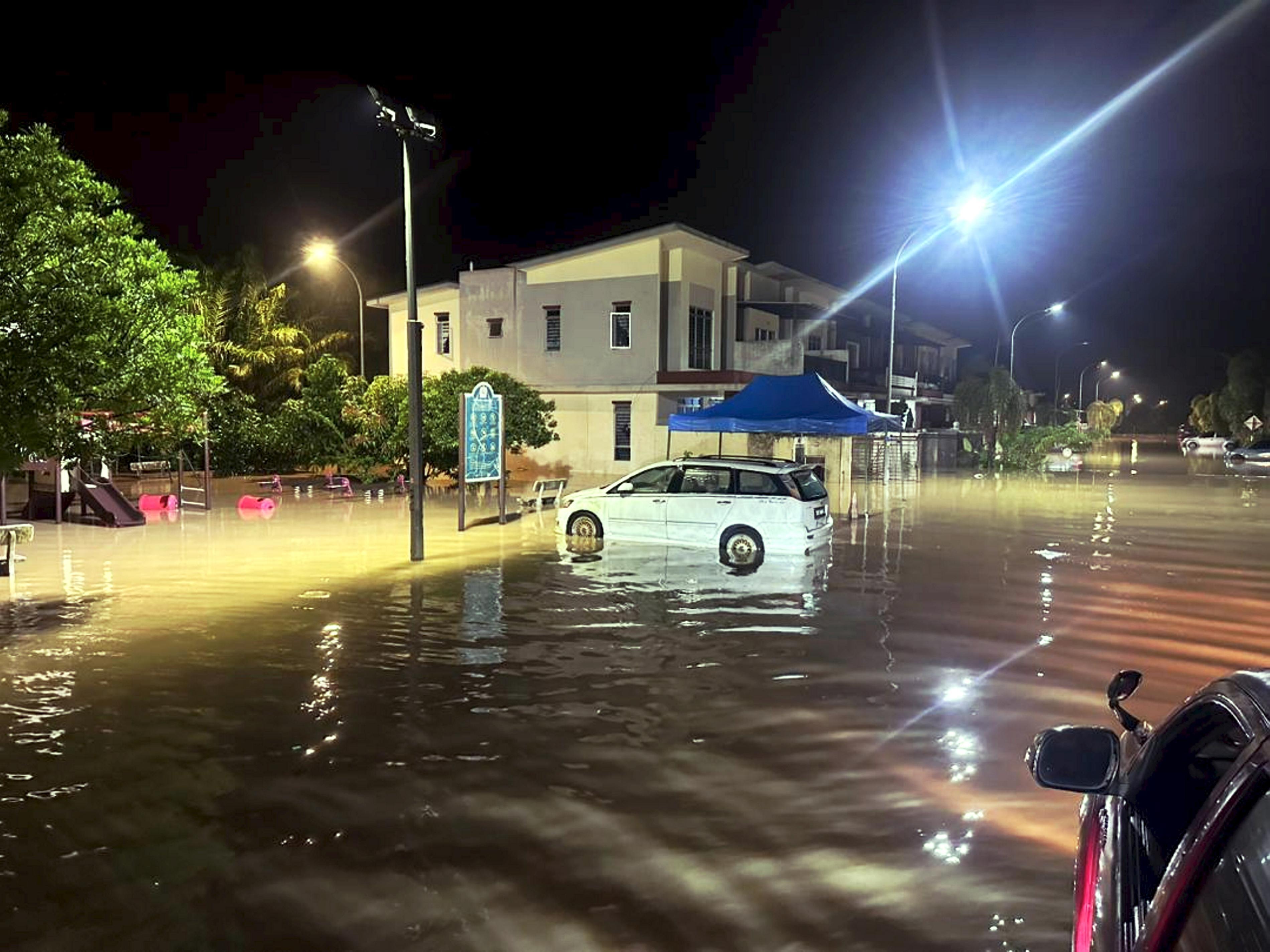
Hannah Yeoh says poor planning decisions have left the city increasingly vulnerable to flash floods.