
Asian Insider: Malaysia Edition helps you connect the dots on the biggest stories playing out in Malaysia every week. Sign up here to get the newsletter in your inbox.
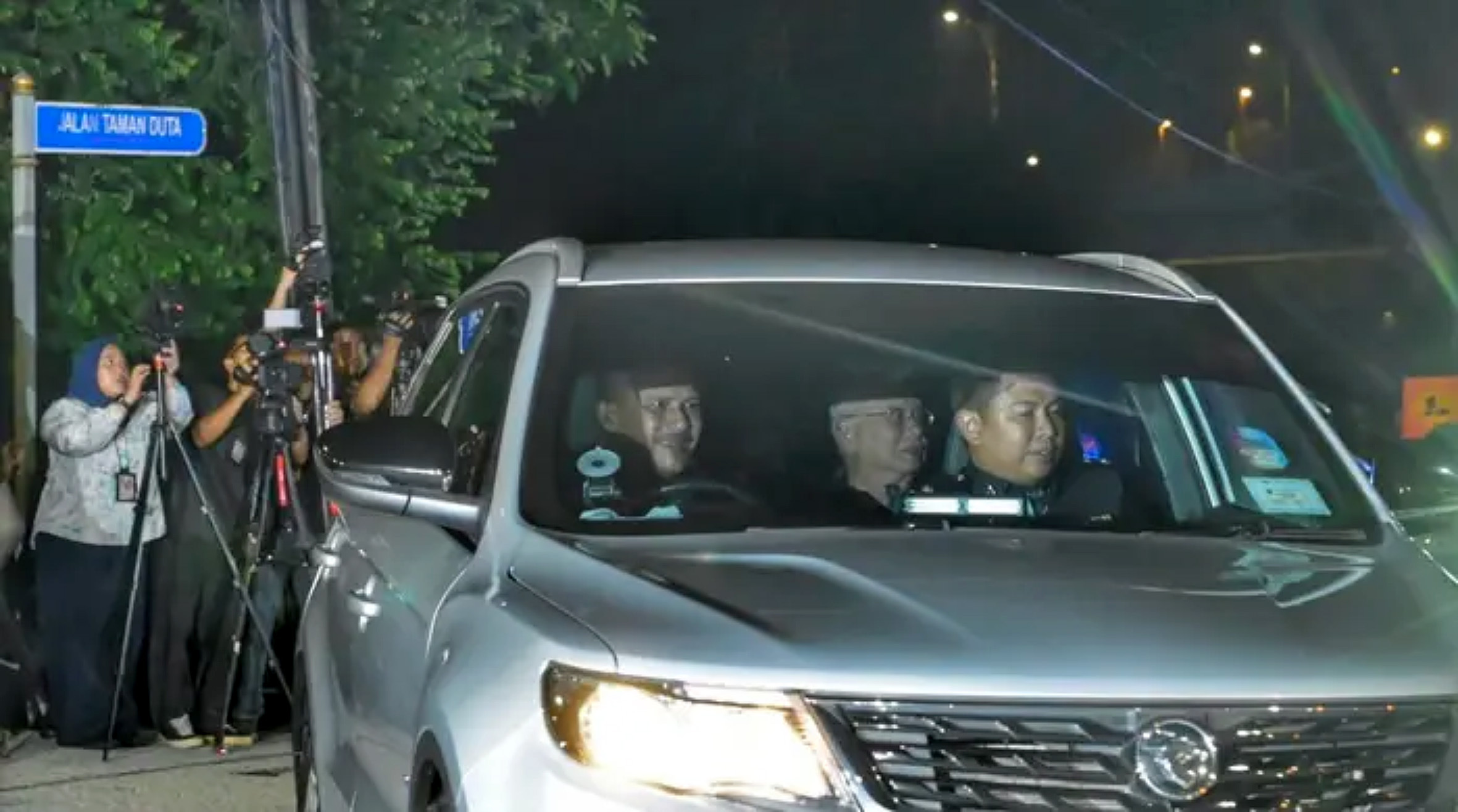
After four years, two months, two weeks and four days, former Malaysian prime minister Najib Razak has returned home.
This follows a weekend of confusion over whether he has been discharged from his entire sentence or merely the confines of Kajang Prison after paying his RM50 million (S$15.7 million) fine. He is finally under house arrest at his palatial home in Kuala Lumpur.
He will be home at least until Aug 23, 2028, when the shortened six-year sentence for graft related to a 1MDB subsidiary SRC International, ends. If he fails in his appeal against another 15-year sentence on a larger RM2.3 billion graft case involving the 1MDB scandal, he will then be carted back to jail.
To be clear, the ex-UMNO chief is still a convicted criminal. Although he has twice received royal clemency on the SRC case – first halving his sentence from 12 years in 2024, and then on Sept 18 allowing him the house arrest – neither of these amounts to a full pardon.
What is unclear, however, are the terms of his house arrest. And thus, also the question of whether he can wield more influence versus when he was confined to an actual cell.
Yet this will matter little to his supporters and UMNO, the party where he remains an influential figure. UMNO will view the fruit of years of lobbying as proof that despite losing two successive general elections after six decades of uninterrupted rule, it remains a powerful force that can move mountains.
Najib’s return home will be yet another morale booster after successive two-thirds supermajorities won by UMNO and its allies at the Johor and Negeri Sembilan state polls in July and August.
It will hope to make it a hattrick in Melaka this Saturday.
Yet, the events preceding Najib’s 2022 incarceration should prove a cautionary tale. UMNO had reclaimed the prime ministership just a year earlier and then won Melaka and Johor handsomely. Its Barisan Nasional coalition looked a sure bet at the November 2022 general election, only to limp home to its worst-ever result.
It managed to remain in government as a hung Parliament. This meant that Anwar Ibrahim needed to cobble together a multi-coalition alliance to be sworn in as Malaysia’s 10th prime minister.
In an increasingly fragmented political landscape, UMNO – or any other party for that matter – cannot take anything for granted. A successful fledgling electoral alliance with former rivals Parti Islam SeMalaysia can just as easily fall apart. Especially if they fail to agree on seat allocations before a general election expected next year, or even how to share power after the vote.
After all, the next polls could be over a year away, and in politics that is a long time.
When do you think the general election will be? Let us know why you think so and if it’s a compelling argument, we could discuss it in next week’s newsletter. Until then, do check out some of our top Malaysian stories from the past week.
Cheers greet Najib as he returns for house arrest
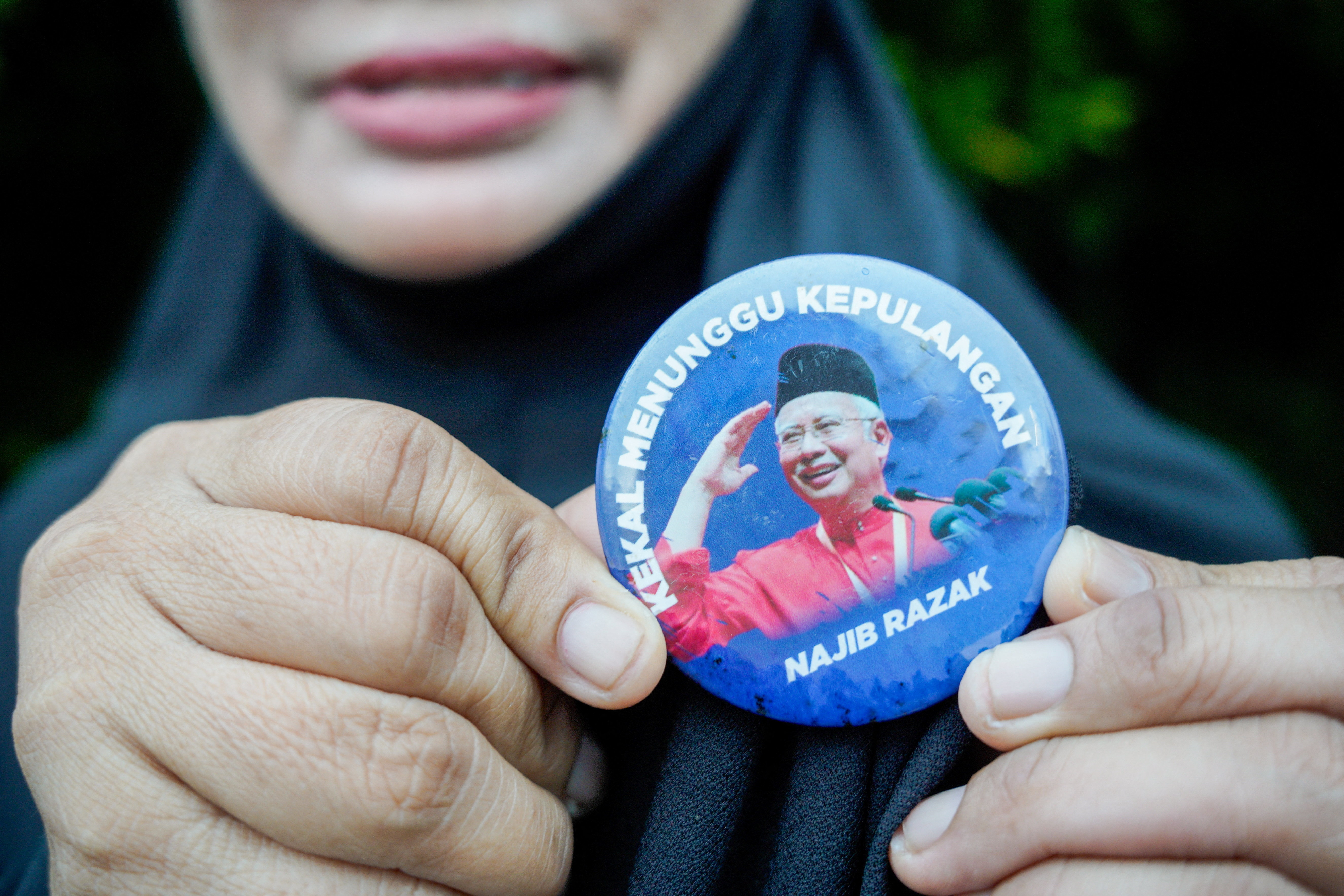
Compromises to UMNO leave Anwar in a bind over Najib
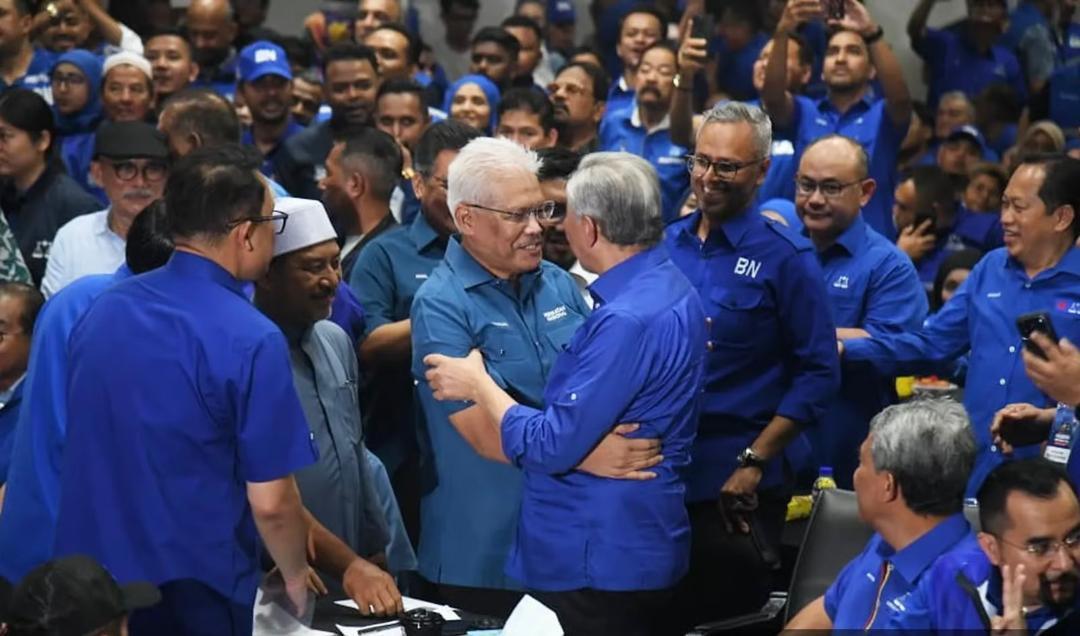
Malaysian politicians ride blue wave after Democrats’ midterms win
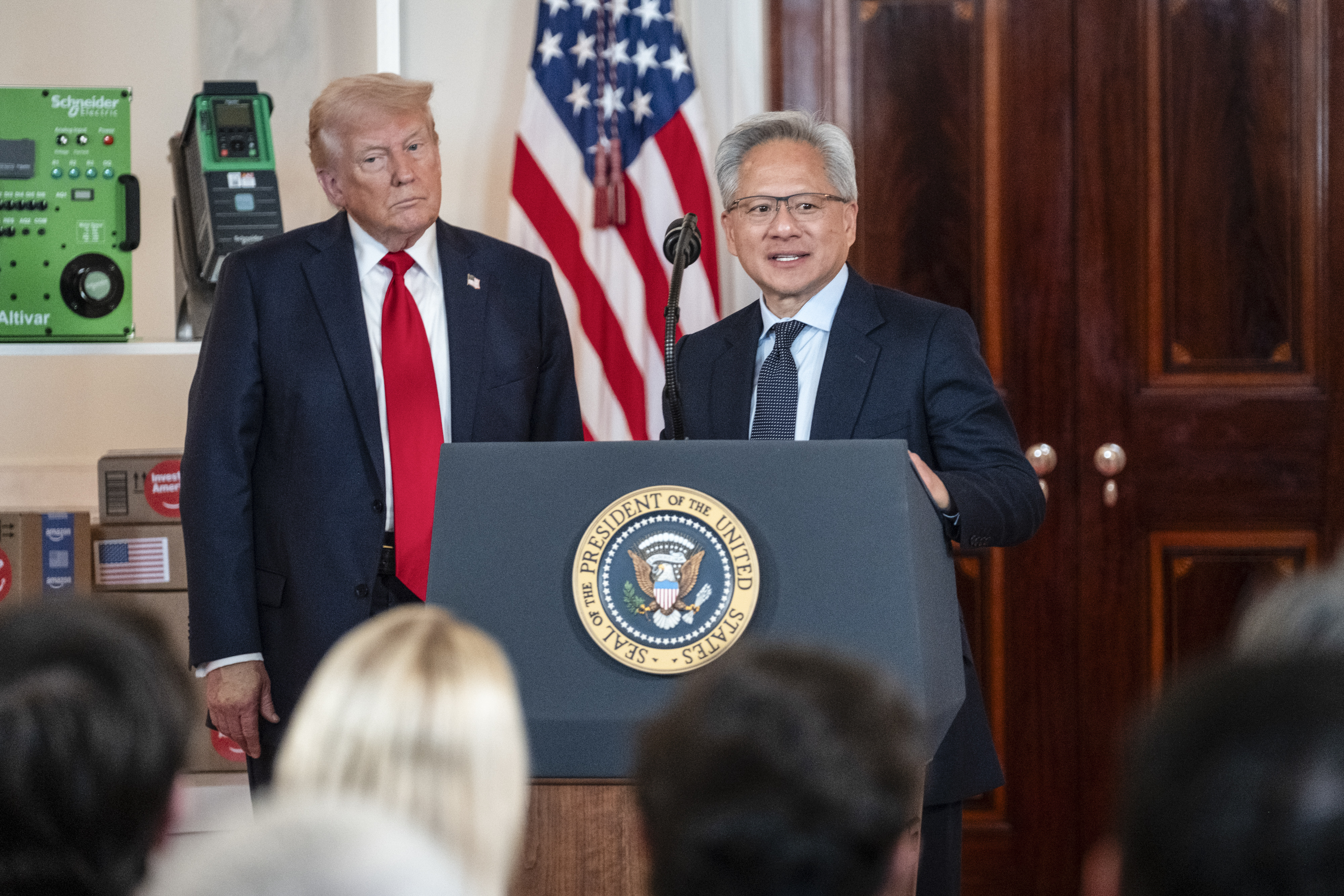
Why the Jensen Huang affair spells trouble for South-east Asia
Melaka’s UNESCO status generates misplaced priorities
Gardenia KL says tests show its products are safe