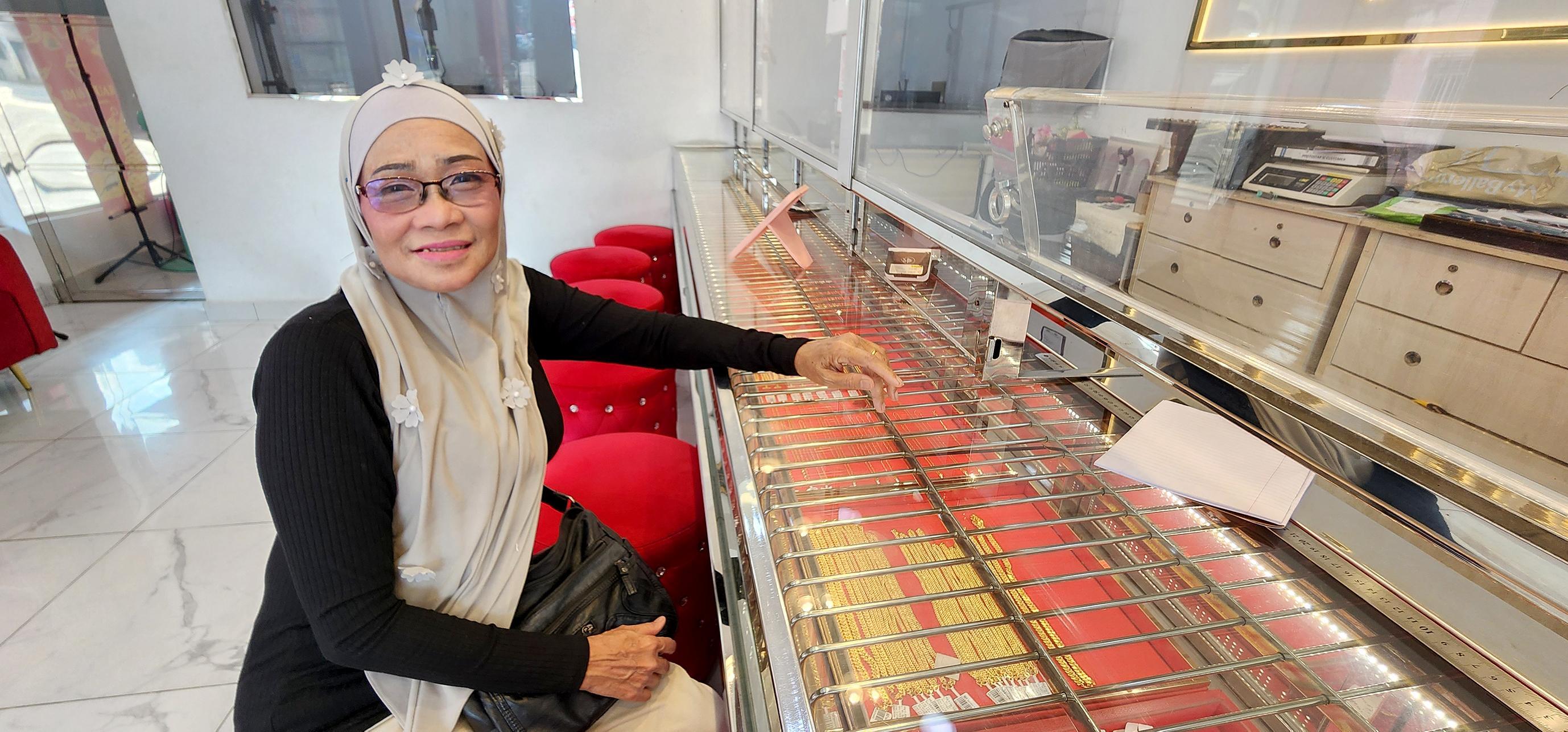
Asian Insider: Malaysia Edition helps you connect the dots on the biggest stories playing out in Malaysia every week. Sign up here to get the newsletter in your inbox.
It was all a bit of a tame affair in the end. After three successive drubbings at state elections, Pakatan Harapan’s two main parties went into concurrent meetings that wrapped up on Sunday with the fate of the ruling coalition hanging in the balance.
For his part, Malaysian Prime Minister Anwar Ibrahim assured his Parti Keadilan Rakyat (PKR) that reforms and anti-graft measures will accelerate over the 18 months before the general election. In his presidential policy speech on Saturday, he said reforms could not take place overnight. He cited the need to stabilise his unity government – a multi-coalition alliance of former foes formed after Malaysia’s first hung Parliament in 2022 – and ensure the economy is on good footing.
Whether the public buys this narrative or not is another matter. The general view is that his administration is at its least stable now, with the UMNO-led Barisan Nasional having ended its electoral pact with a struggling PH. However, the Democratic Action Party (DAP) appears to be giving him the benefit of the doubt.
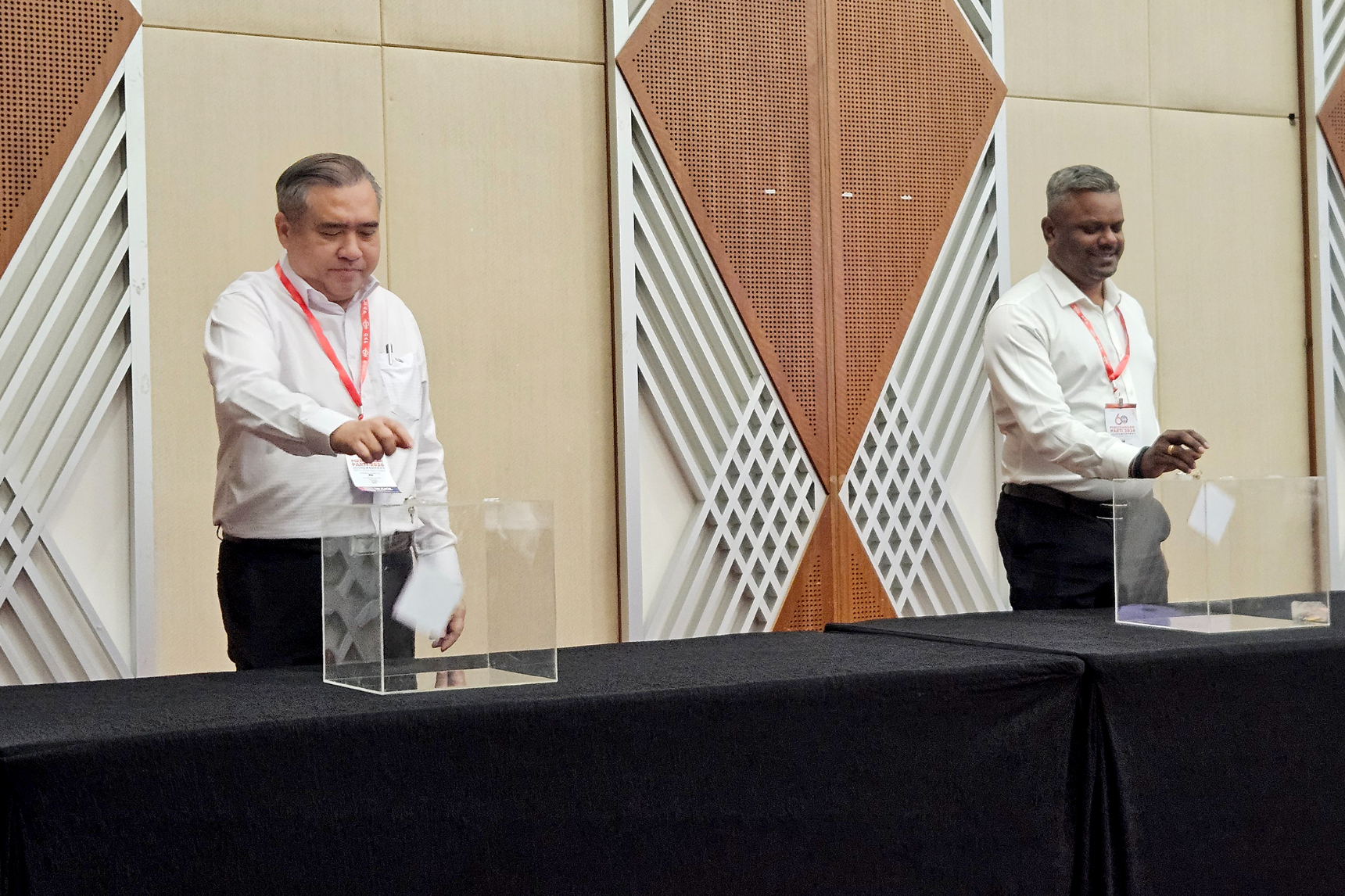
At its congress on Sunday, the DAP – which supplies Anwar with more MPs than any other party – voted against quitting government posts in an internal referendum. While this was expected, the landslide result surprised some analysts. Nine in 10 delegates voted to stay, instead of signalling dissatisfaction over the slow pace of reforms, controversial abuses and perceived injustices against non-Malay minorities.
And yet, the loyalty to Anwar comes with some caveats. Kuala Lumpur delegate Sangeet Kaur, sister of party chairman Gobind Singh Deo, called on the leadership to reassess their relationship with the prime minister. Her speech while debating the motion drew wide applause, underlining the feeling that Anwar’s policies have become a liability for DAP.
Since the assembly, DAP leaders have outlined reforms that should be rolled out swiftly. This included amendments to draconian security and peaceful assembly laws, and equal constituency allocations to all MPs. Others included the long-delayed Bills to limit any prime minister’s tenure to 10 years and removing prosecutorial discretion from the attorney-general.
Are these enough to steer PH back on course? There may be an early opportunity to test it out. Melaka, where PKR held its congress, is expected to head to the polls by November.
While the pact between UMNO and Parti Islam SeMalaysia (PAS) appears to have sewn up the Malay-Muslim majority vote, PH would at least hope to win back non-Malay support. This demographic has been a bedrock of PH’s successes for nearly two decades.
Reforms are one thing, but retail politics remain the bread-and-butter of Malaysian life. Studies show that 60 per cent of small and medium enterprises (SMEs) are owned by ethnic minorities. And a longstanding complaint from the group is the influx of cheap Chinese goods, which they claim are subsidised by Beijing.
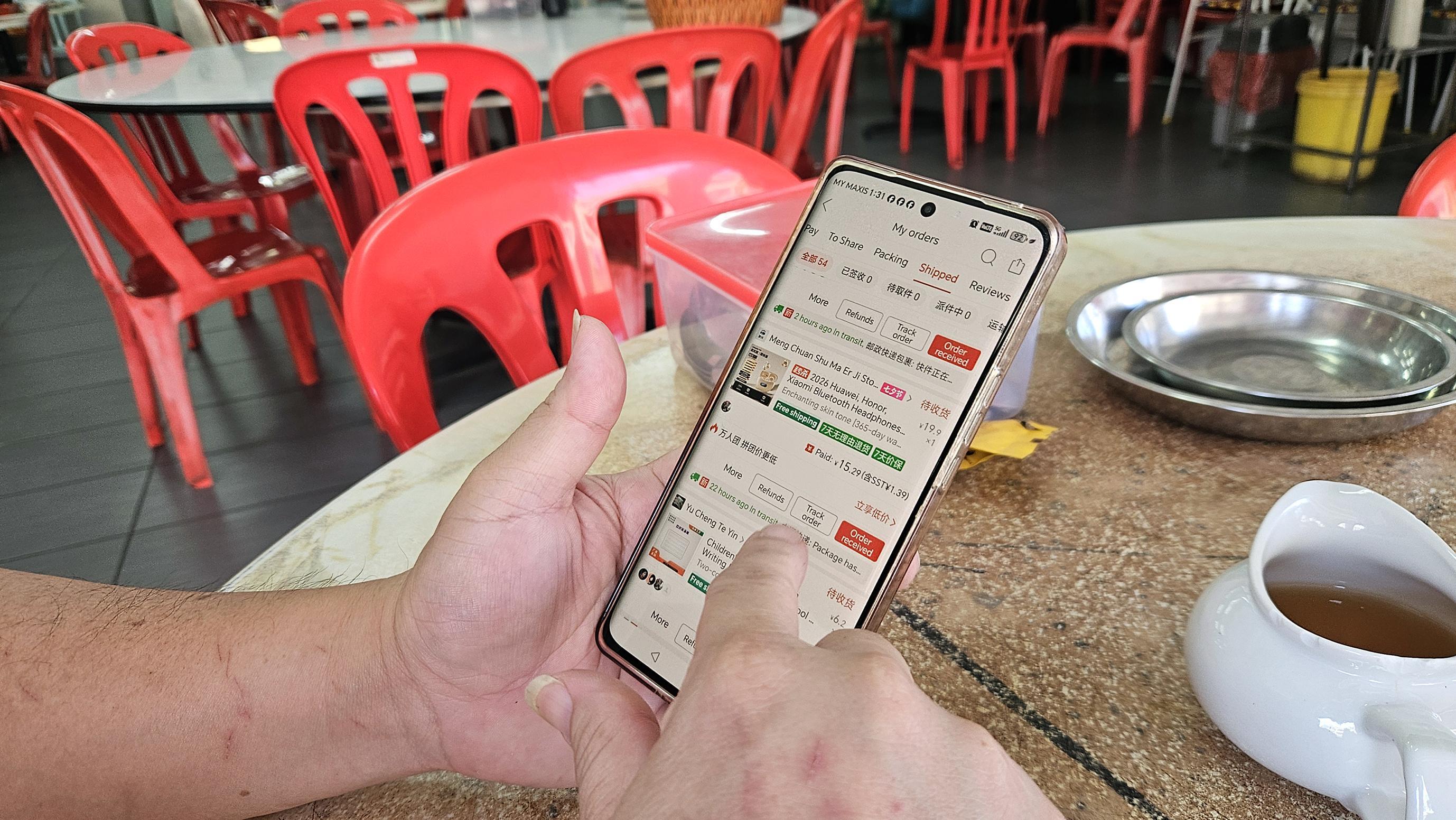
The Federation of Sundry Goods Merchants Associations of Malaysia estimates that its 4,000 members have seen sales slashed by nearly a third since Chinese e-commerce giant Pinduoduo entered Malaysia in late-2025. The platform offers everything from toilet paper to nail clippers, and even prayer and funerary supplies.
Our correspondent Lu Wei Hoong found that SMEs view what they feel is the dumping of goods by China as an existential threat.
“The first step is to regulate these ultra-cheap prices, which are clearly meant to just clear warehouses in China at prices which are not sustainable,” he said.
“The second is to fight fire with fire by subsidising the cost of doing business. For example, reducing service tax on rental and either eliminating or subsidising the cost of implementing e-invoicing.”
But Anwar caused a diplomatic storm this week by backing Beijing’s One China policy and supporting its right to use force against Taiwan. Therefore, not many Malaysians are holding out hope that the prime minister will take a firm stance against the flood of cheap Chinese shipments to Malaysia.
How else do you think the prime minister can win back support from Malaysian voters? Send any ideas to us after checking out our top stories from the past week.
Is Pakatan Harapan sharpening knives for war with UMNO?

DAP votes to not quit government posts
RTS Link in final testing, fare and launch date to be announced soon

Johor grapples with dumping of illegal construction waste

S’pore doesn’t allow construction waste to be exported for disposal: NEA

They own homes in Singapore. So why are they renting abroad?

Singaporeans seeking to relocate to Malaysia quadrupled between Dec 2024 and March 2026.
Malaysia’s small businesses blame Chinese app for dwindling sales
Unearthing gold bargains in two small Malaysian towns