
Asian Insider: Malaysia Edition helps you connect the dots on the biggest stories playing out in Malaysia every week. Sign up here to get the newsletter in your inbox.
The holy fasting month is nearly over for Muslims, and some have taken advantage of the extra school holiday on Wednesday to travel back to their hometowns.
But our correspondents were not part of the exodus, as they were still bringing readers the latest on new Ramadan trends.
Johor reporter Harith Mustafa worked with his counterpart in Indonesia on a story about how the conflict in the Middle East has affected the supply of popular Ramadan foods such as energy-packed dates.
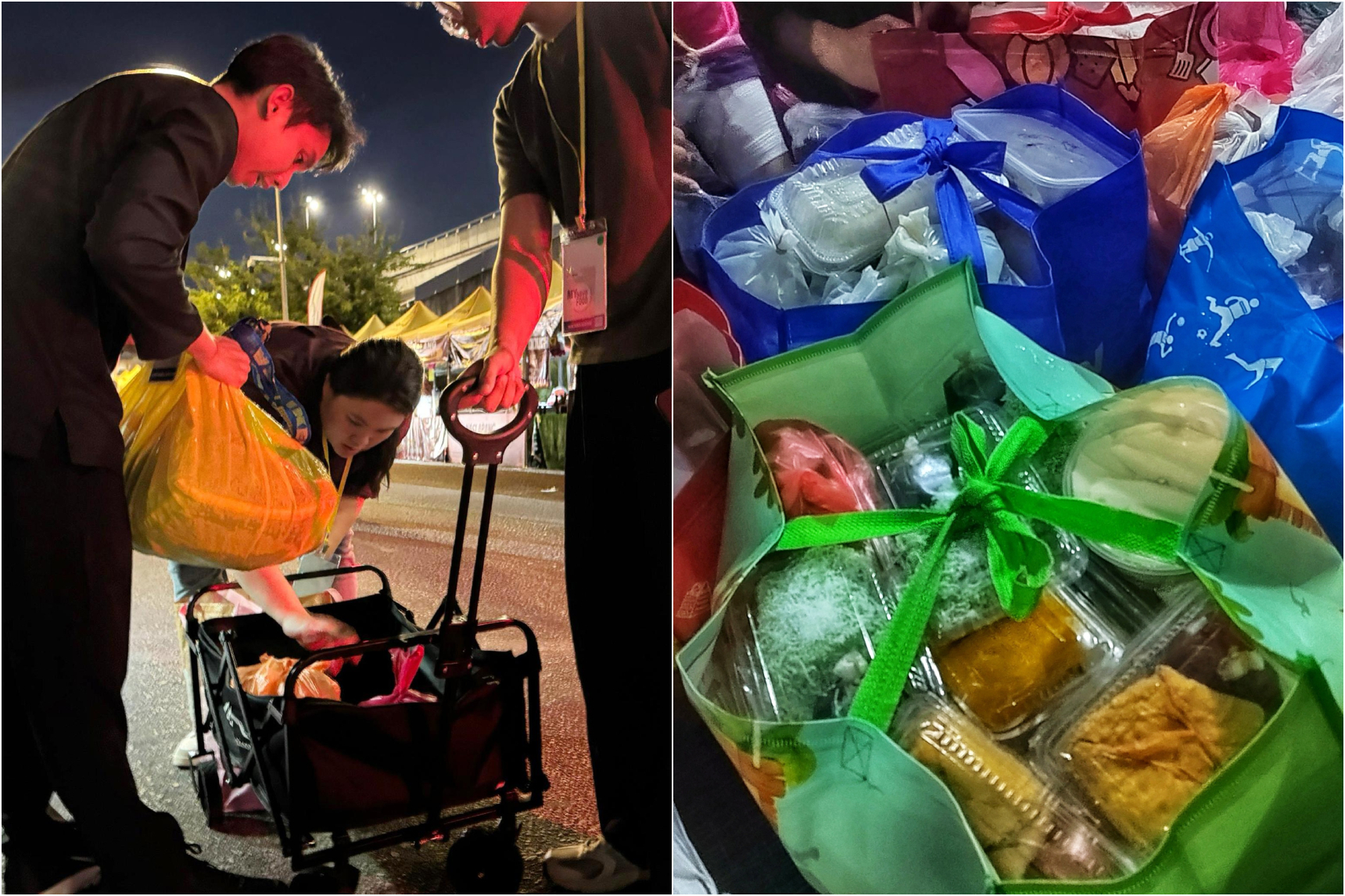
Muzliza Mustafa (no relation to Harith, although the bureau is like a family!) reported on young Malaysians who are rescuing surplus food from festive bazaars to feed the less fortunate. They are embracing some key themes of Ramadan such as sacrifice and empathy.
Looking ahead to the long Hari Raya weekend, some Malaysians are eschewing the “balik kampung” tradition of spending hours stuck in a commute.
Instead, some are planning staycations in Kuala Lumpur or the resort island of Langkawi. Others are going as far as Seoul in South Korea, while making sure they enjoy the customary rendang while there.
We hope you enjoy our selection of stories this week. If you have feedback for the bureau, do let us know.
Malaysian workers who commute to Singapore welcome new insurance scheme
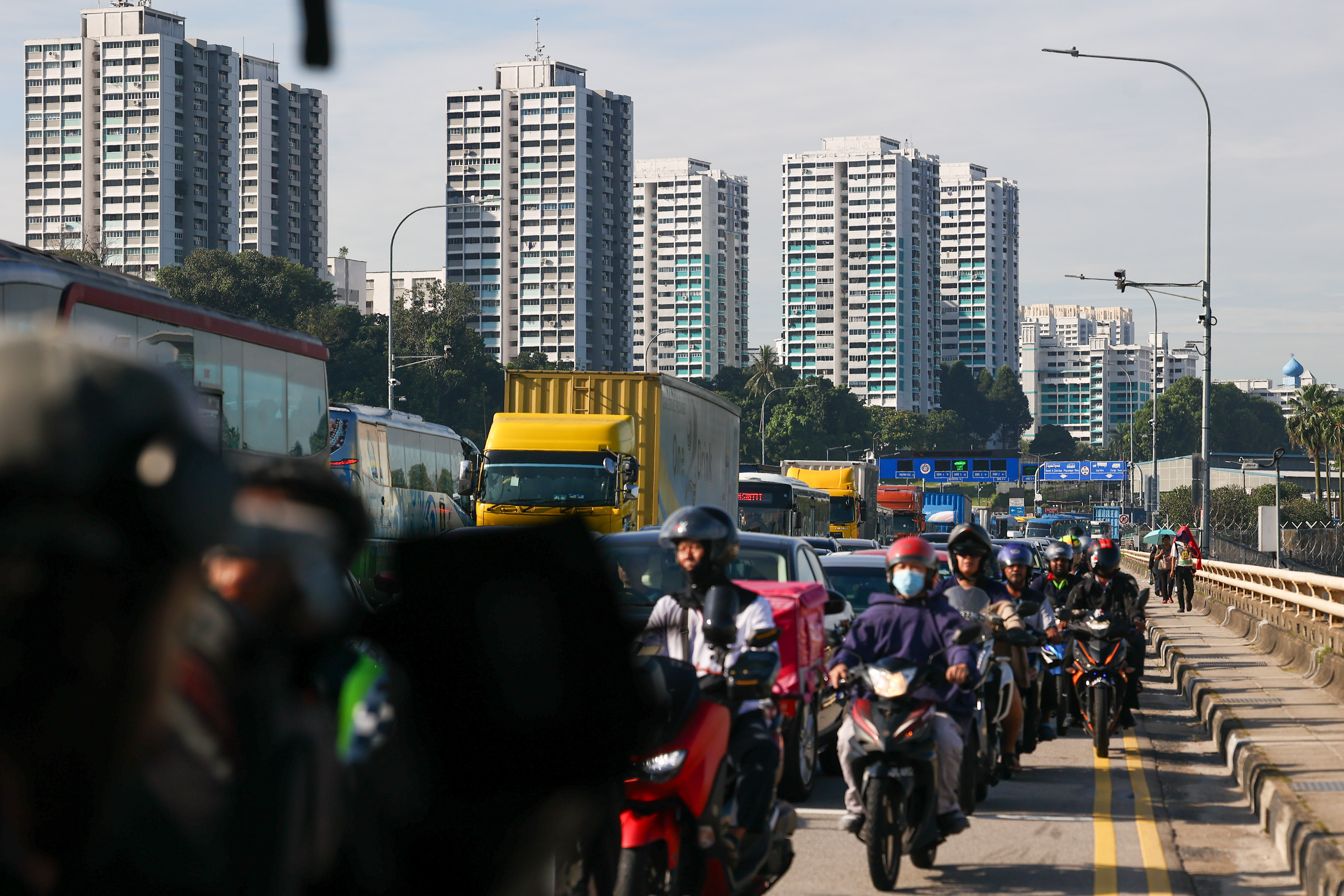
Hundreds of thousands of Malaysians cross the land border each day, many on motorcycles.
How the Mid-East conflict is affecting supply of Ramadan food in S-E Asia
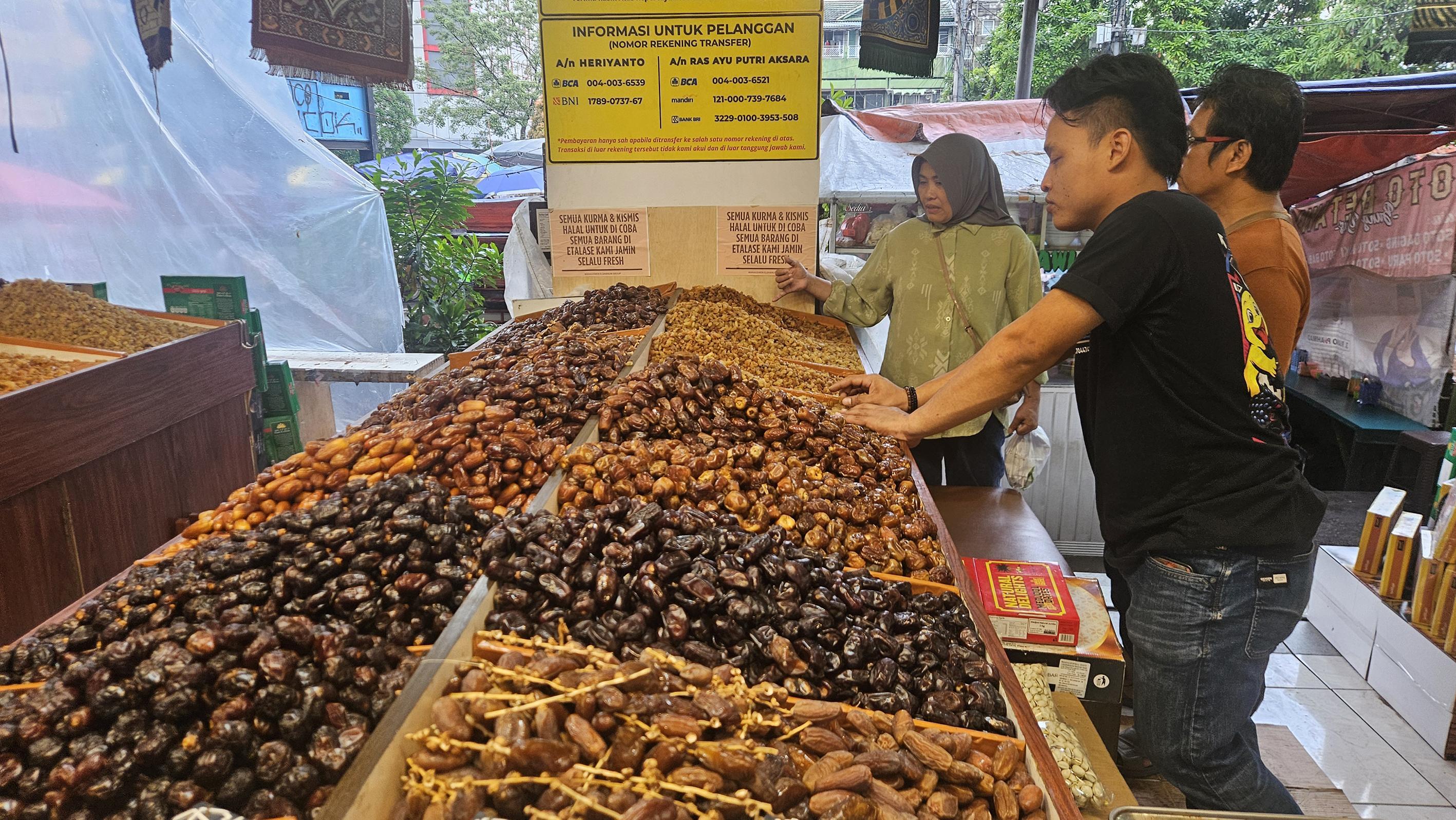
While Malaysia and Singapore have yet to feel the impact due to pre-ordered stocks, traders expect price hikes soon.
How Malaysian youth rescue unsold bazaar food to feed communities
From Langkawi to Seoul: How Malaysians are rewriting Hari Raya travel

UMNO set to welcome Khairy, Hishammuddin back into the fold

This comes as the party seeks to strengthen its position ahead of upcoming state and national polls.
Iranian shadow fleet still passing through South-east Asia, say analysts
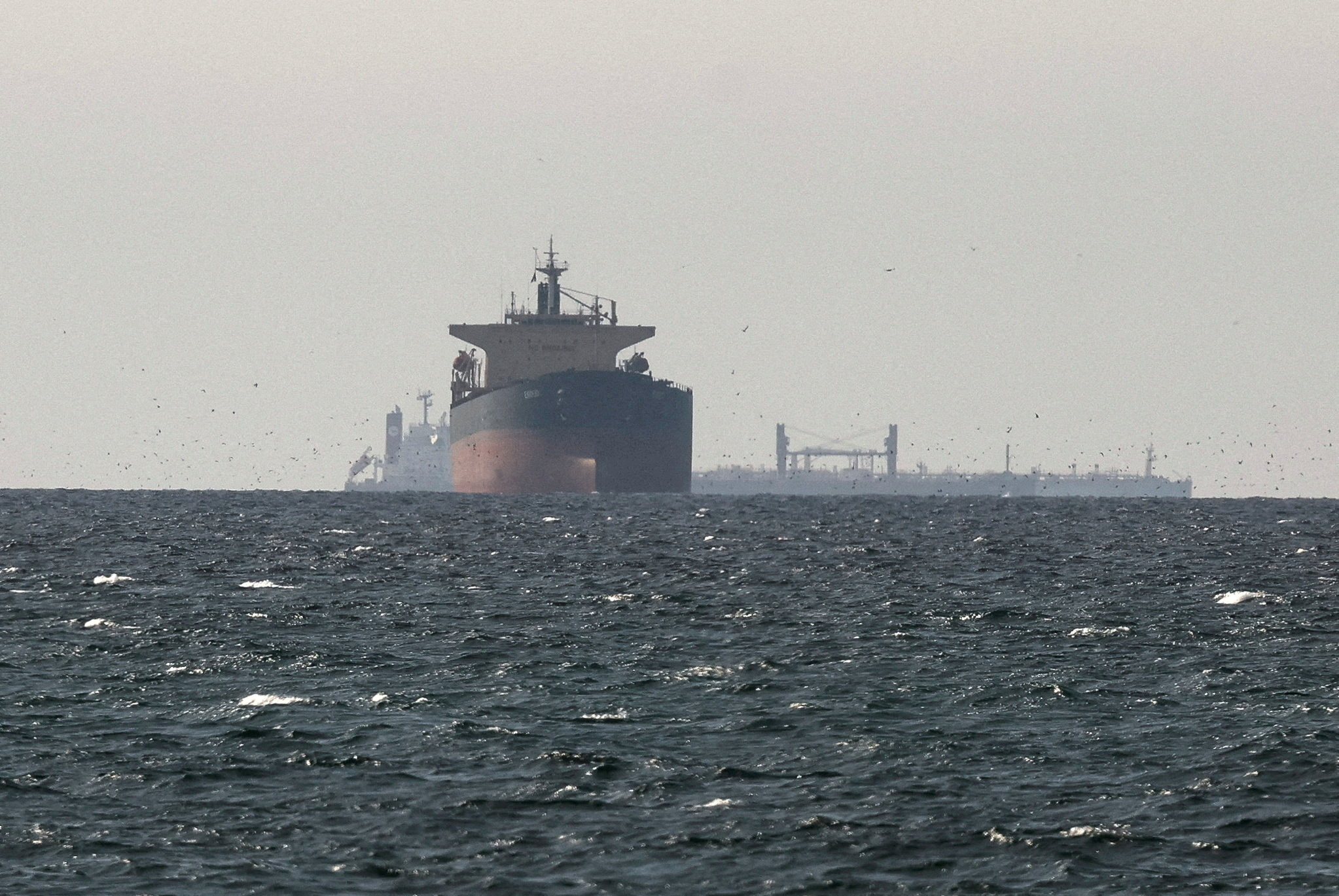
Malaysia has been identified as a hub for illegal ship-to-ship transfers of crude oil in recent years.