Asian Insider: Malaysia Edition helps you connect the dots on the biggest stories playing out in Malaysia every week. Sign up here to get the newsletter in your inbox.
It has been an eventful six months in Malaysian politics, particularly for Prime Minister Anwar Ibrahim’s Pakatan Harapan (PH) coalition.
It began when PH was thrashed in the Sabah state polls. The Democratic Action Party (DAP), which is the coalition’s largest partner in the federal government, lost all eight seats it contested.
The DAP then pushed to accelerate reforms and electoral promises to appease its base, including recognising the Unified Examination Certificate (UEC) for entry into public universities and the civil service. The UEC is the equivalent to A-levels and offered at independent Chinese-medium high schools.
There has been little update on that front. Instead, the MACC has been mired in allegations of abuse – involving irregular shareholdings, extortion and corporate manipulation – specifically implicating its now-retired chief Azam Baki. This has compounded damage from perceived selective prosecutions ahead of the Sabah polls.
Datuk Seri Anwar’s hardline stance against Hindu temples of disputed legality and the sudden banning of pig farming in Selangor, which is Malaysia’s richest state and a PH stronghold, just before Chinese New Year have further angered minorities.
Given these headwinds, concerns are growing that the DAP-led PH chapter in Penang could face a shock defeat after four terms of two-thirds supermajorities, due to an exodus of core Chinese support.
As one senior DAP leader told me: “Anwar’s leadership was once a boon, giving voters real hope that we could topple BN. But now it’s a liability because they feel PH has not delivered on our promises.”
Against this backdrop, DAP’s July congress to decide whether to remain in the Anwar administration comes into sharp focus. While PH leaders acknowledge disenchantment among progressive voters, it remains unclear if this is enough to drive them toward other coalitions.
The opposition Perikatan Nasional (PN) is now led by the Islamist party PAS, though its newly installed chairman Samsuri Mokhtar – who received Singapore’s Senior Minister Lee Hsien Loong last week – is viewed as a more moderate figure.
The UMNO-dominated Barisan Nasional (BN) is still chaired by Deputy Prime Minister Zahid Hamidi, who had graft charges dropped in 2023 despite the prosecution establishing a prima facie case. While legally innocent, the case remains a reminder of the scandals, including the 1MDB saga that saw BN’s support dwindle over the past two decades.
Hence, PH supporters face slim pickings. This may yet be Mr Anwar’s trump card as election season nears, with Johor, Melaka, Sarawak, and likely Negeri Sembilan following its palace crisis, heading into state polls over the next year ahead of the 2027 general election.
With these votes approaching, political news will arrive fast and furious. ST’s Malaysia Bureau will help make sense of it all, while also tracking developments across the Causeway. Read those stories below, and ask away if you have any questions.
Is DAP’s dominance in Penang nearing the end?

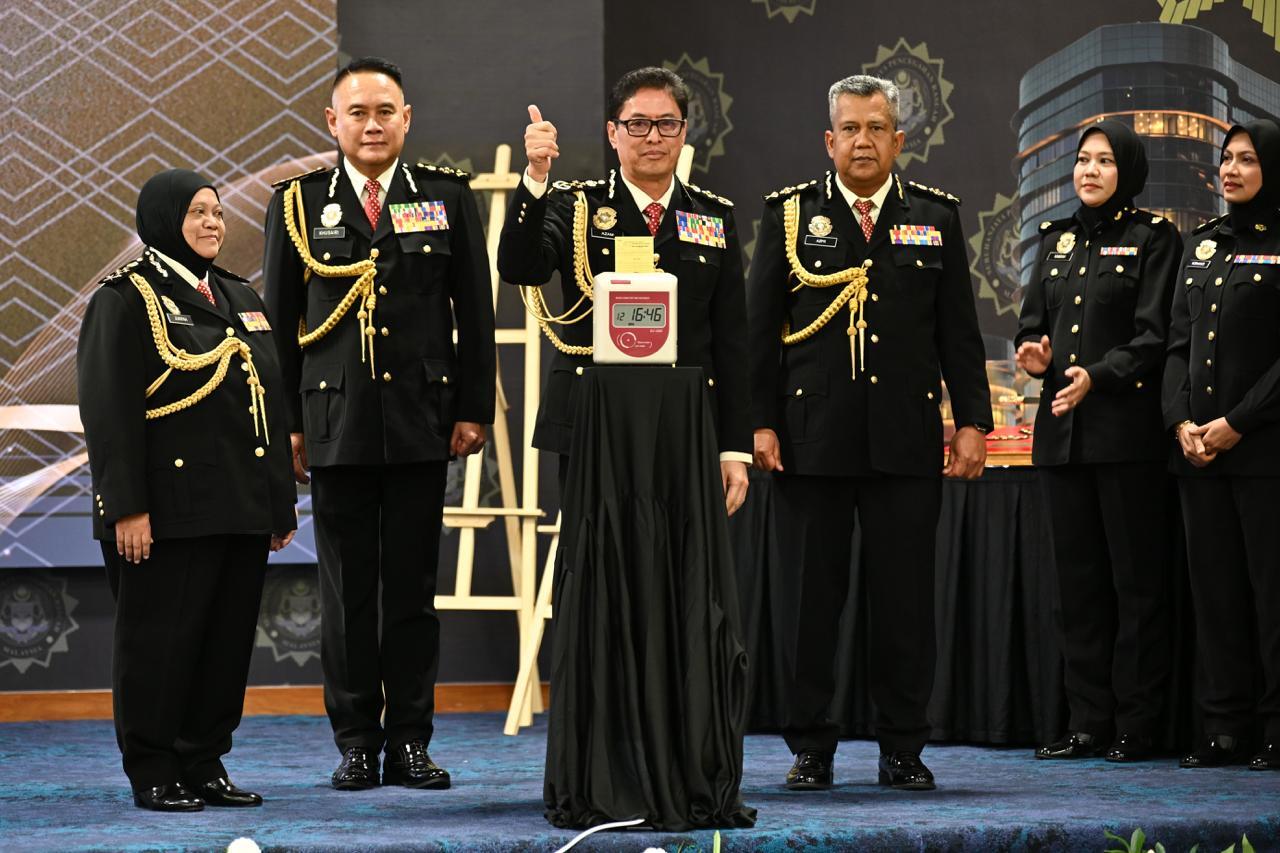
What Azam Baki leaves behind at Malaysia’s anti-graft agency
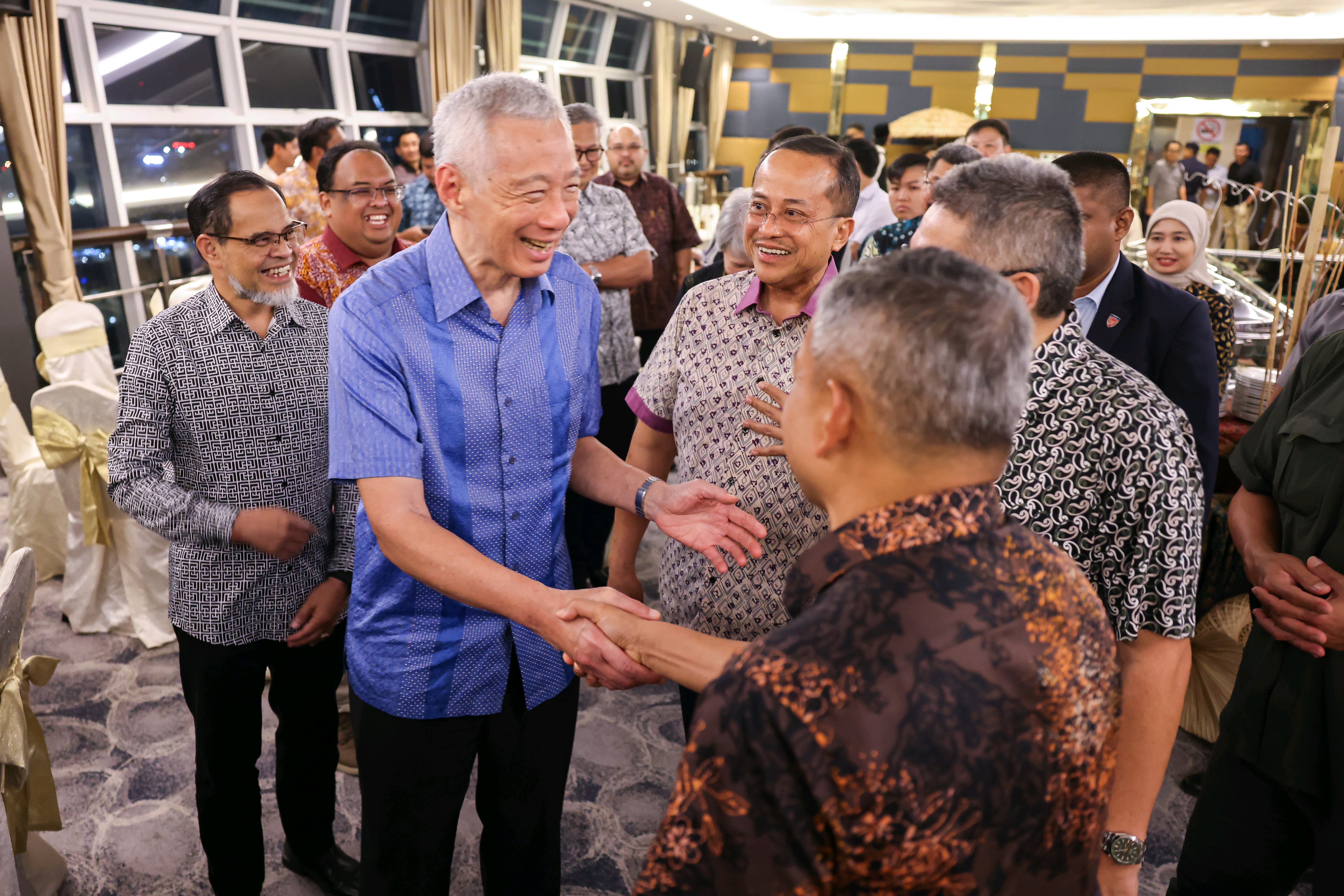
‘Forever neighbours’ S’pore, Malaysia must not allow issues to affect relationship: SM Lee
Construction in Malaysia slows down from rising diesel prices

2 S’poreans dead after sports car crashes on road to Mersing

How global Tamils celebrate actor Vijay’s victory at India polls

Malaysians selling meals below $2 find it harder to stay sustainable
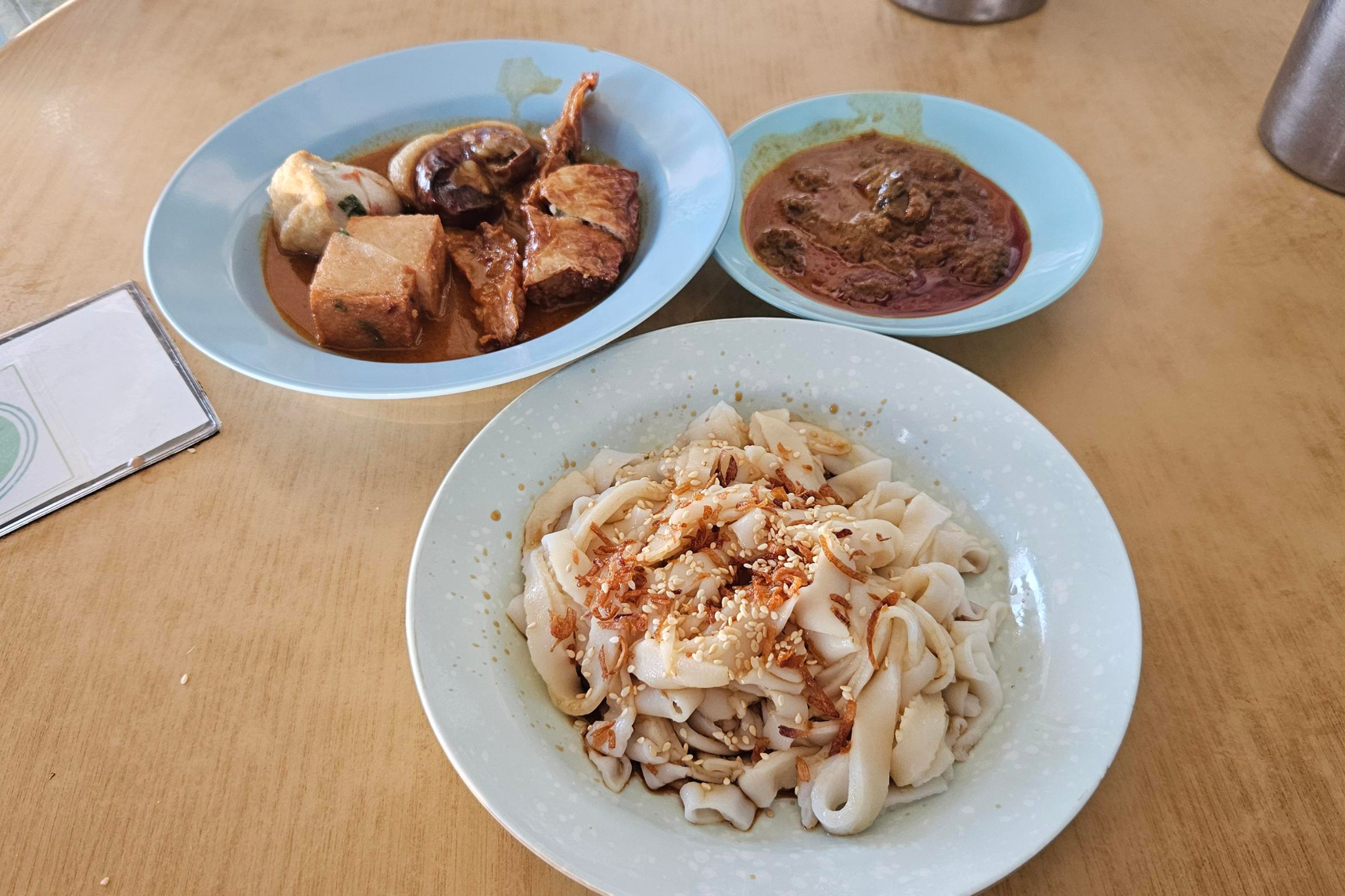
What a plate of chee cheong fun reveals about migration in Malaysia