
Dear reader,
2026 started with a bang and the whir of choppers, as Venezuelan President Nicolas Maduro was nabbed and whisked from Caracas to New York in a startling pre-dawn operation on Jan 3 directed by President Donald Trump.
In its wake, one narrative that quickly emerged was that such actions flouting international law could embolden the likes of China to execute its own strike on, say, Taiwan President Lai Ching-te, across the Strait. What legal and moral ground, after all, is left for the world to protest?
But as The Straits Times’ Jonathan Eyal makes clear in this piece, the leaders of China and Russia will decide to use force as and when they believe it is useful and promising – and not because Mr Trump broke all manner of global laws and norms sending troops into Venezuela. What Beijing and Moscow will gain from the US President’s actions, instead, is additional anti-US propaganda material and encouragement to erect their own spheres of influence.
Our senior correspondent Yew Lun Tian argues that what, in fact, grips China most about the Venezuela episode is not the opportunities it could profit from, but its deepest fear – that it could itself one day be the subject of regime change.
This seems counterintuitive. China is not Venezuela, given its size and strength, and the odds of it being the subject of a forced leadership transition by external forces are near-zero.
Yet, the anxieties among some Chinese analysts and netizens were palpable. As Lun Tian observed, their knee-jerk reaction to the Maduro capture was: What if this happens to us?
“Logic tells me China’s security strength makes such a scenario implausible. But the reflex was so instinctive that it made me want to dig deeper into why fears of regime change remain so close to the surface,” she said to me.
Read her piece to better understand the Chinese psyche, but suffice to say, the People’s Liberation Army will be taking careful notes of American military prowess.
That this extraordinary episode defies easy conclusions is clear. Initial analyses that Mr Trump was ostensibly motivated by combating the flow of drugs to the US – but really was driven by the lure of oil – have since been overtaken by discourses that it might, well, be about China after all.
As US bureau chief Bhagyashree Garekar writes here, there is a combination of factors, not least big-power rivalry in the western hemisphere. In that regard, Mr Trump could have achieved, at least initially, some knock-on effect on China’s courtship of Latin America including impacting its substantial investments.
Meanwhile, Asia – with its contested security landscape – finds itself walking a fine line. While governments have responded cautiously to the US attack, lawmakers and former officials are more open about hitting out at Washington’s move, saying its actions risk accelerating the erosion of the rules-based international order.
As this development continues to spool out, The Straits Times’ network of foreign correspondents will keep you updated with fresh insight. If there is a particular question you have, write me at xueying@sph.com.sg.
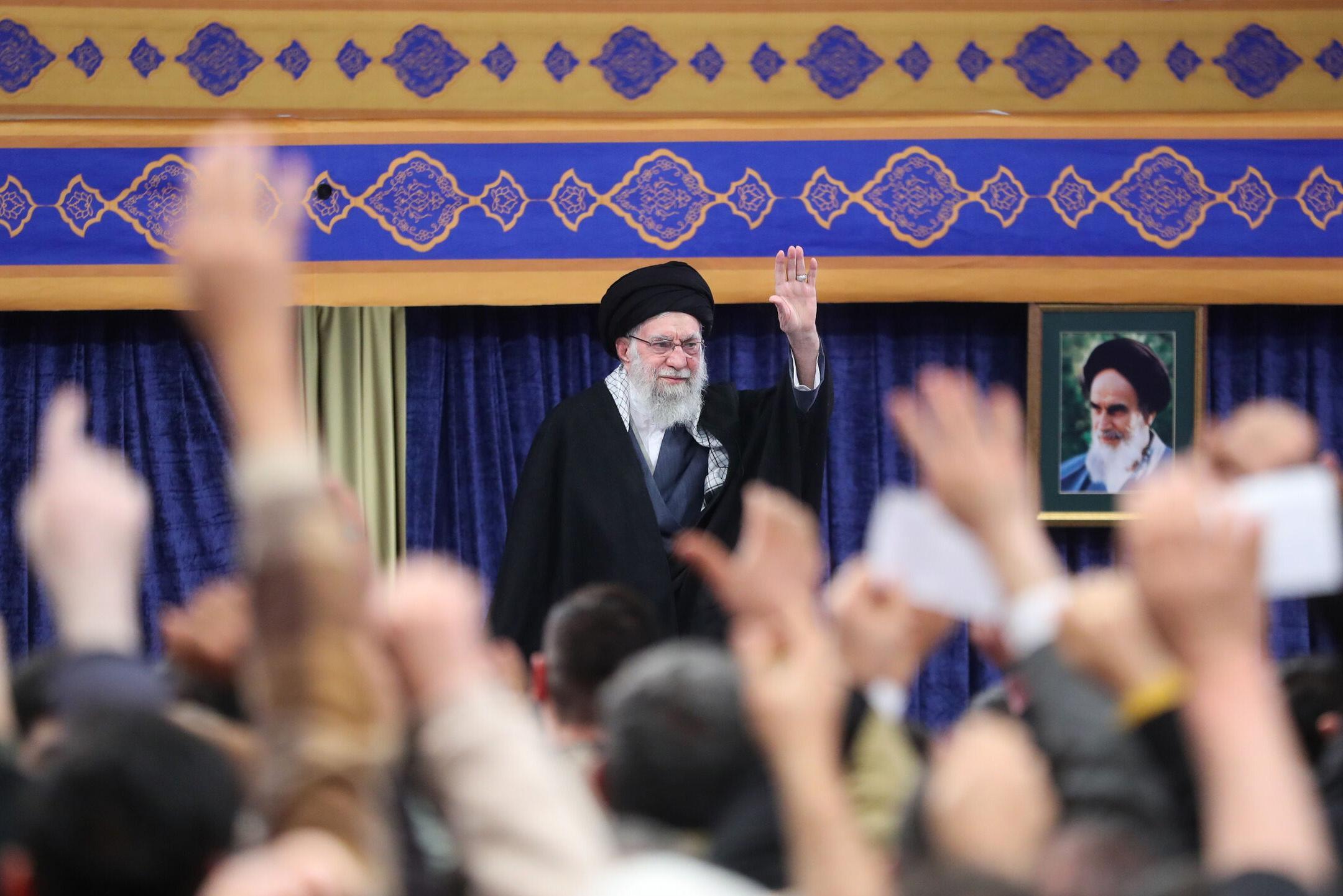
Protests, ailing economy, Trump threats: Iran’s regime might struggle to survive
Double standards in China’s powering of world’s e-cigarette boom
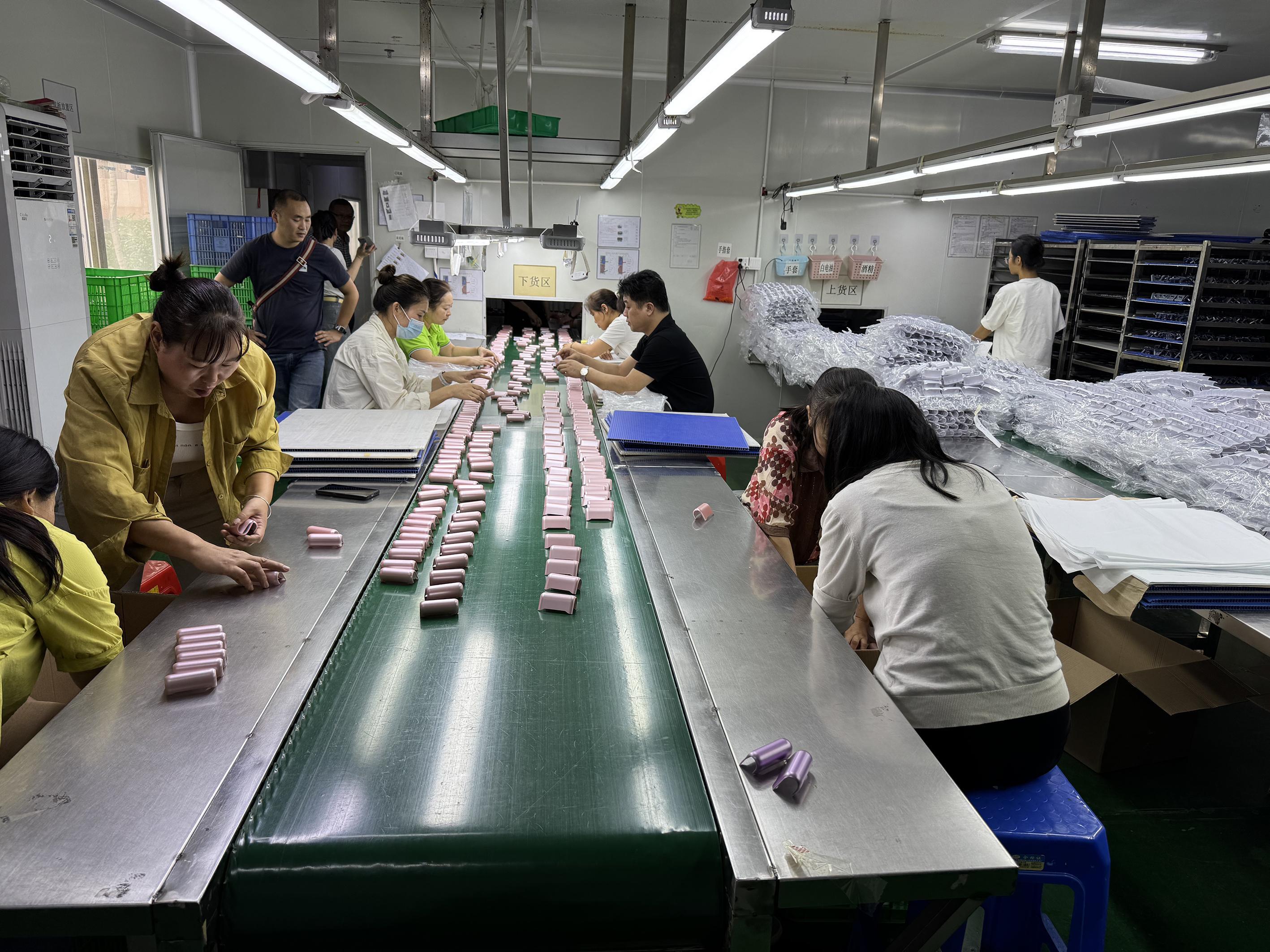
Chinese consumers are barred from buying the same flavoured nicotine vapes that China exports.
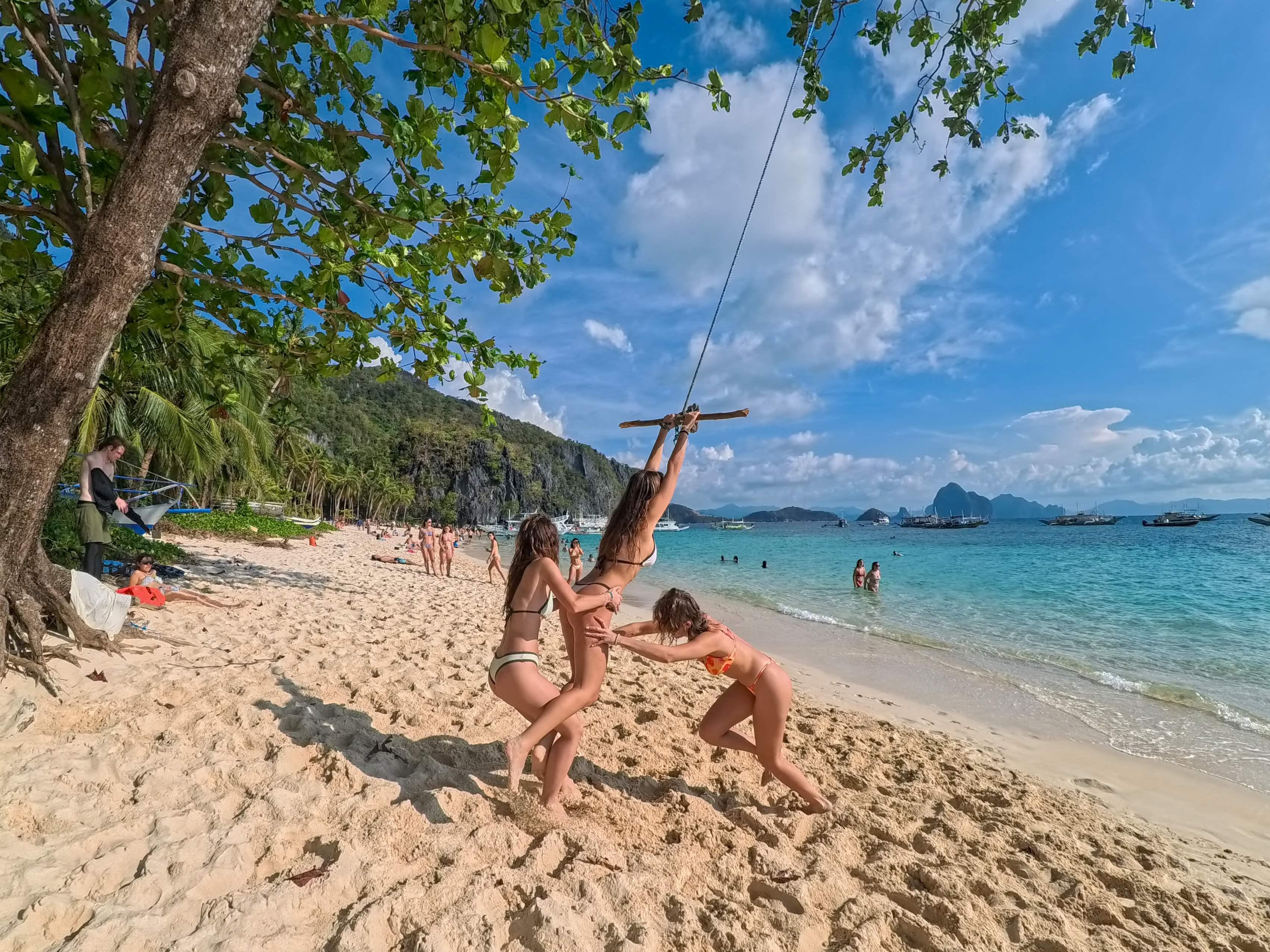
‘More hassle than fun’: Philippines struggles to draw tourists as it lags regional peers in arrivals
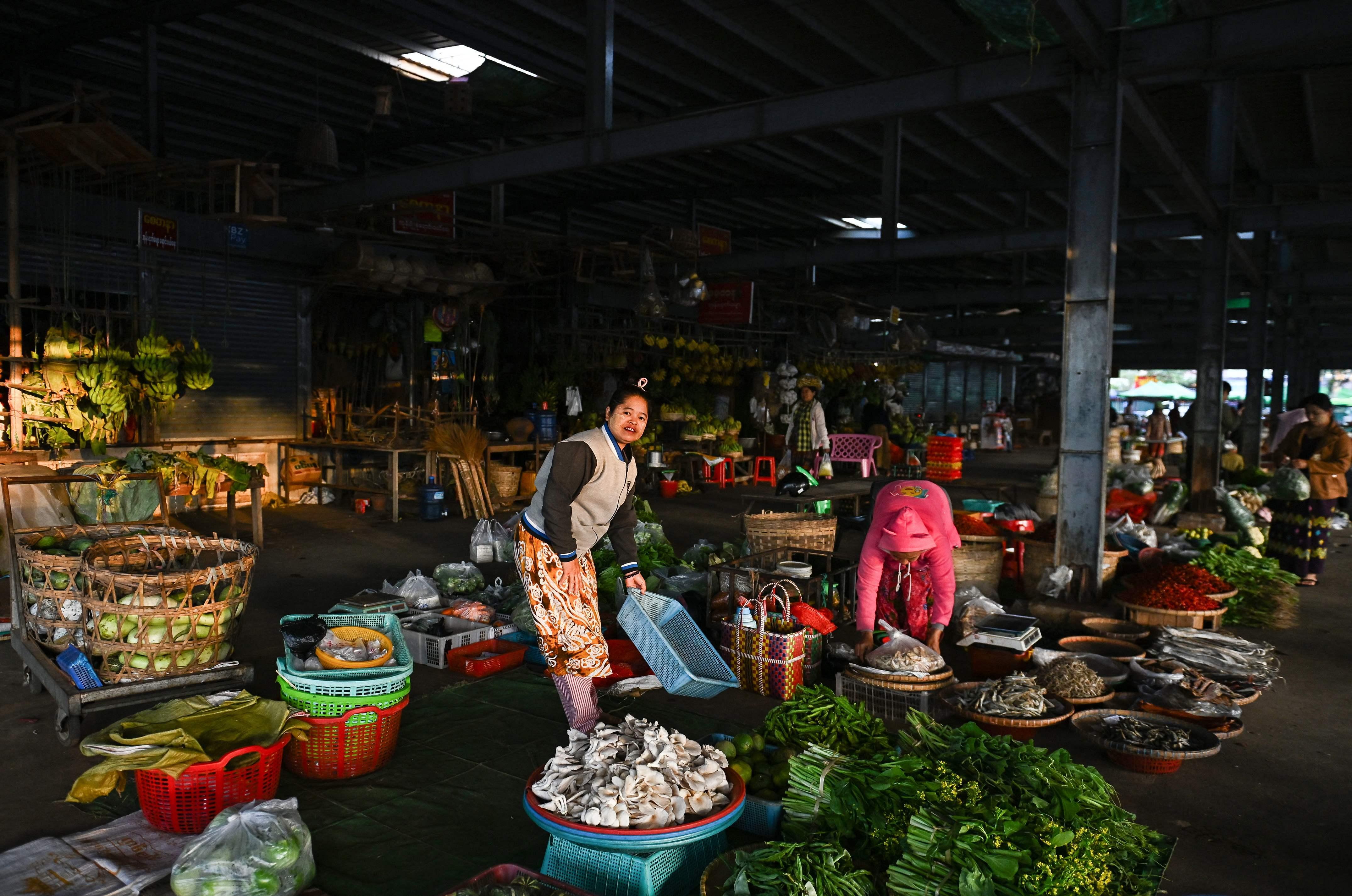
Myanmar businesses hope for reset with polls
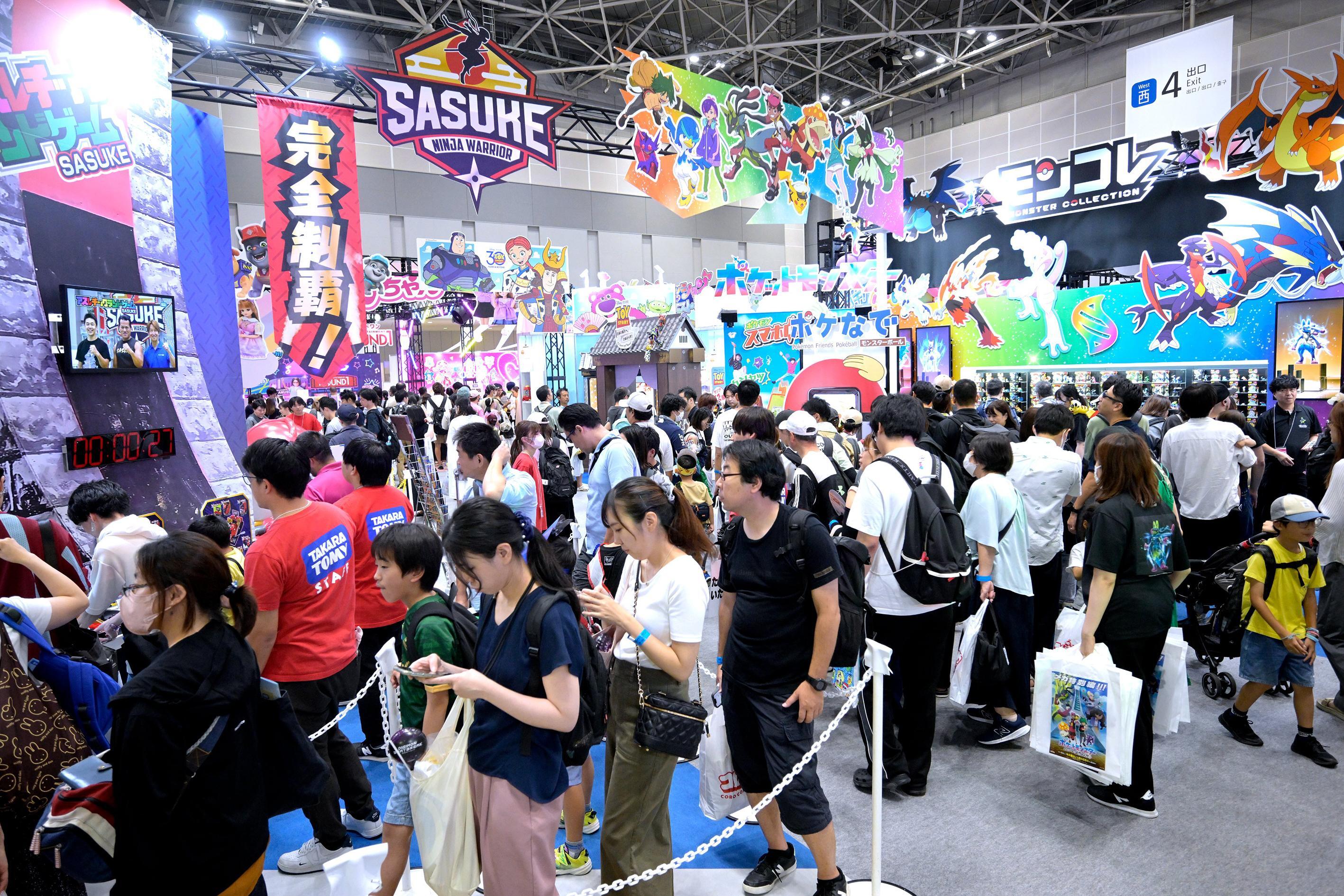
Japan has a shrinking population of kids and a tepid economy. But its toy market is booming
China frowns as Mona Lisa of Taiwan’s palace museum goes on loan to Prague
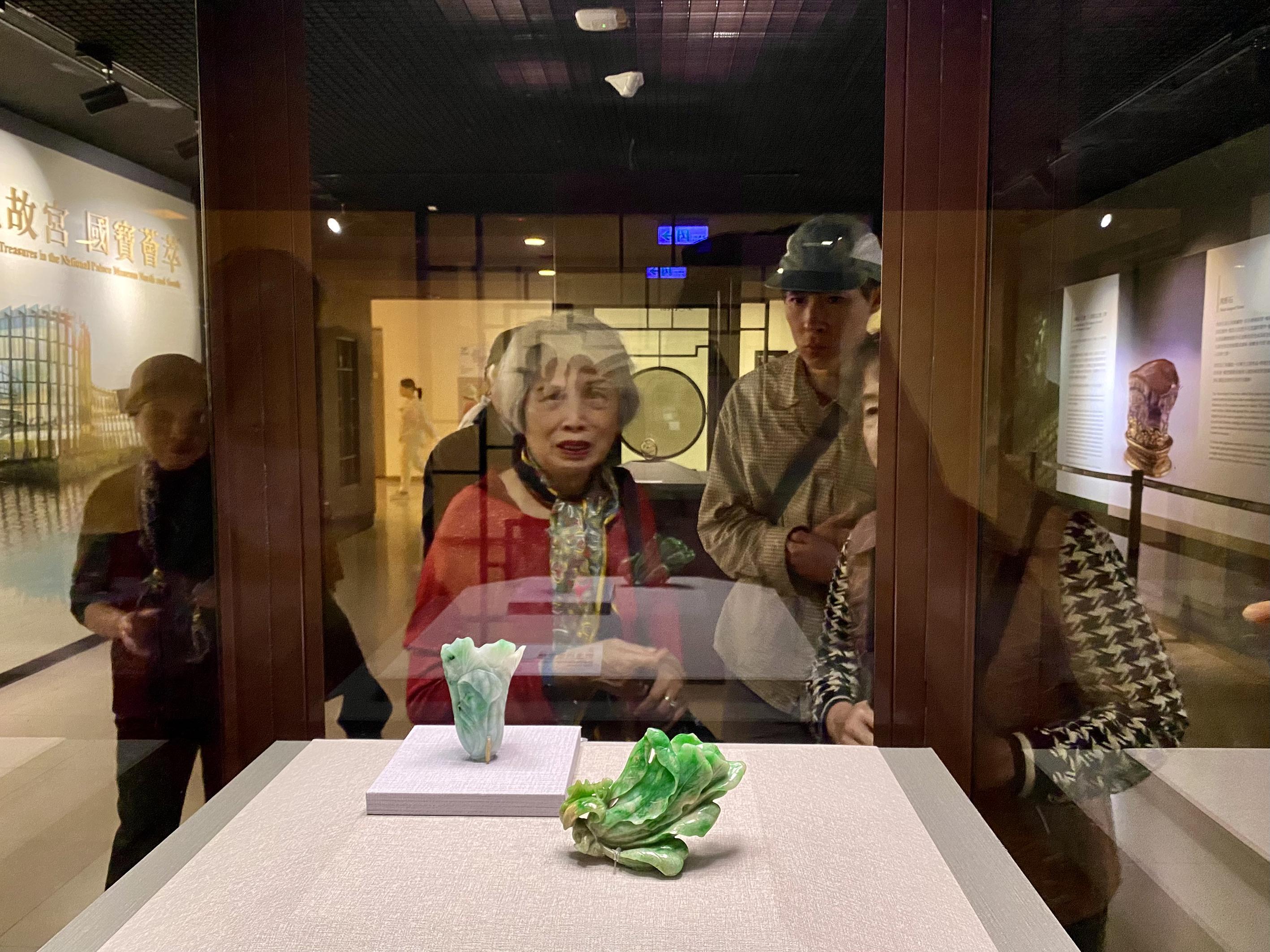
A 19th-century carving of a Chinese cabbage with a locust lurking in its leaves has been sent to Prague.
10 questions on what 2026 holds for Asia
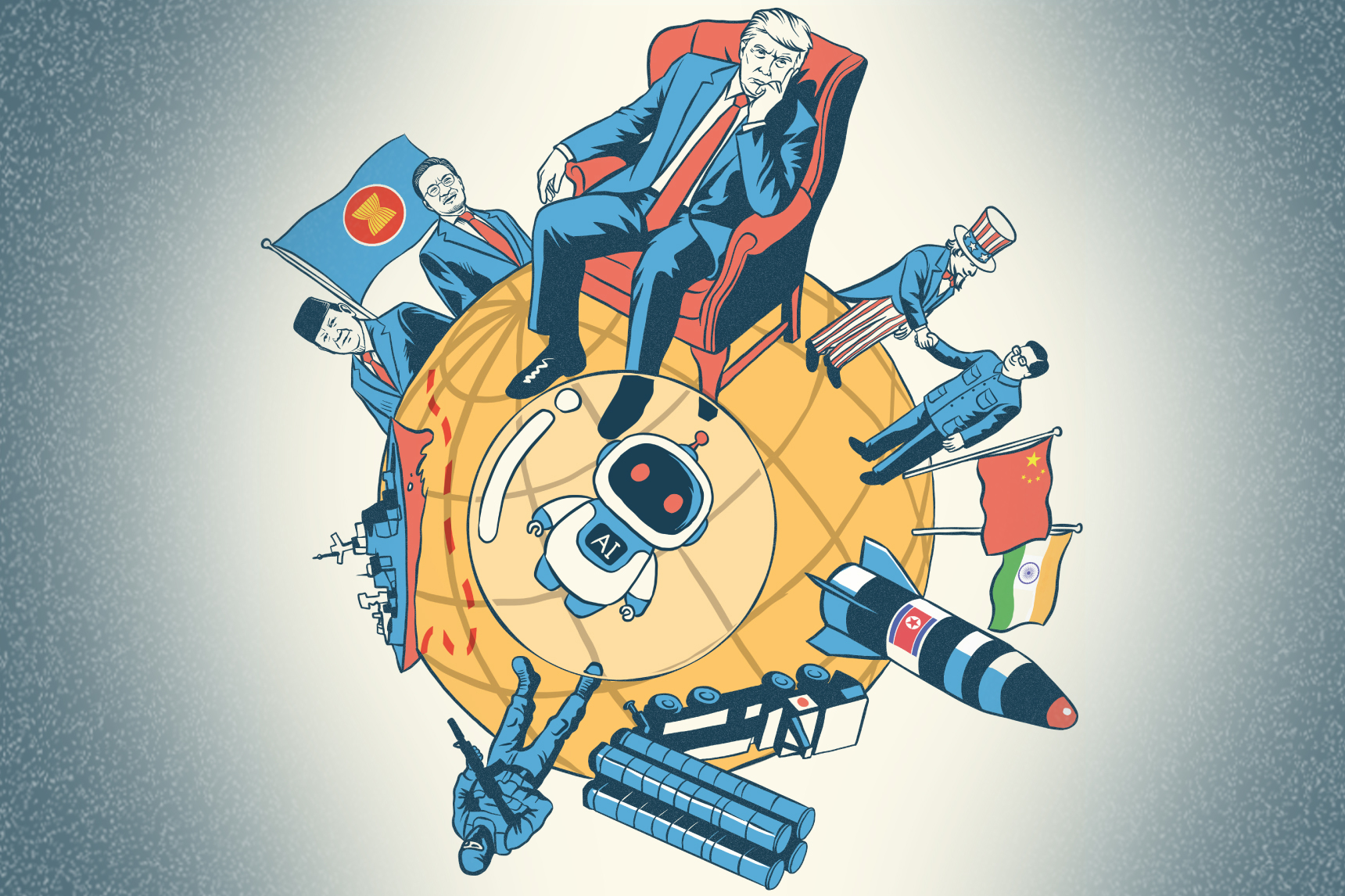
ST’s global correspondents examine 10 consequential questions for countries in Asia in the next 12 months and beyond.
If you received this newsletter from someone, sign up here to get it delivered to your inbox weekly!
If you have any feedback, please drop us an e-mail at st-newsletters@sph.com.sg