Beneath every immaculate neighbourhood in Singapore runs a busy network of sewers that turns wastewater from the city above into potable water, one of the island-state’s most precious resources.
Parts of this system grind to a halt roughly 100 times every month, national water agency PUB senior engineer Carl Tan, 32, told The Straits Times. This amounts to about three choked sewers reported by the public daily.
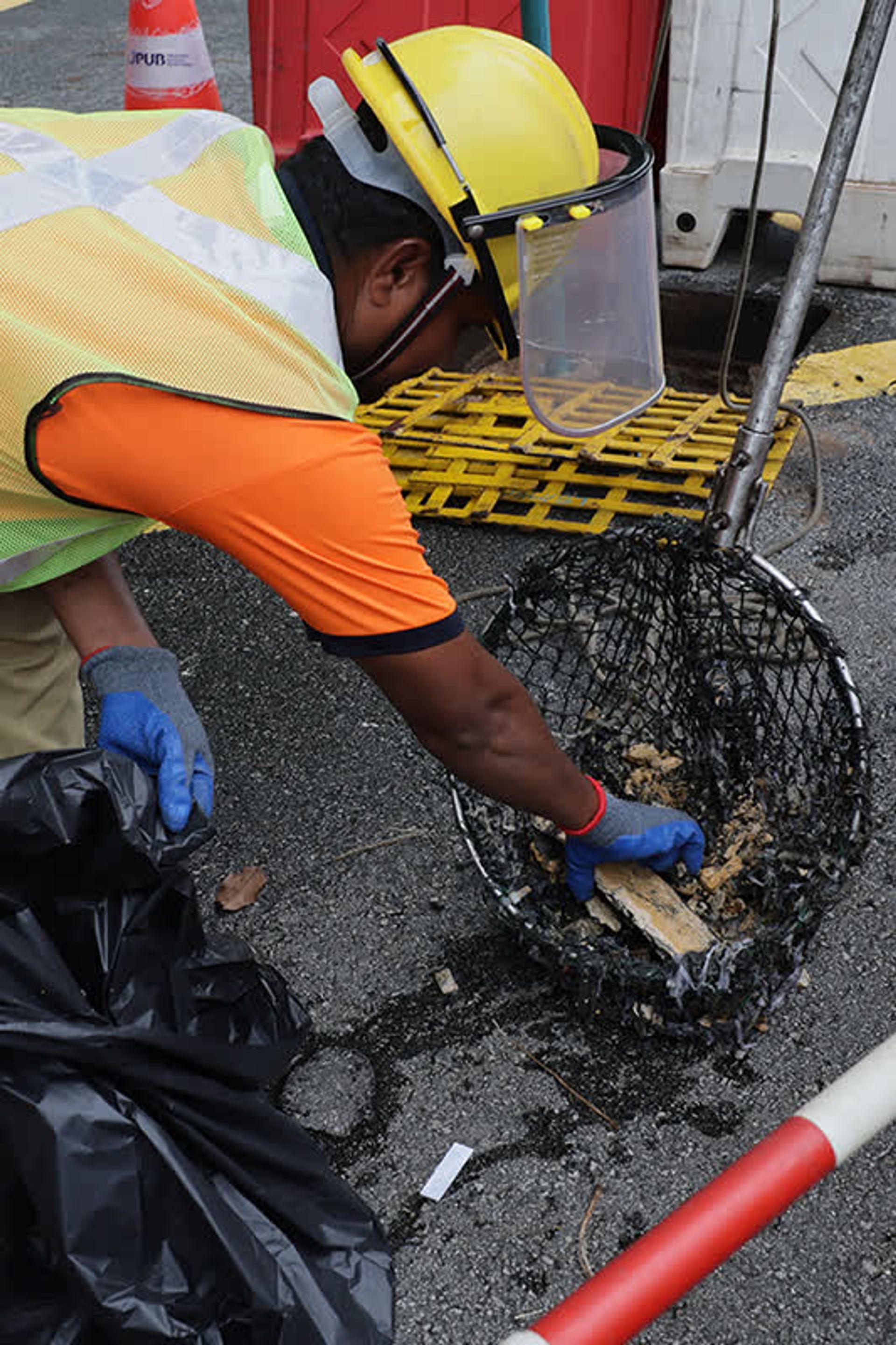
The cause of a choke is usually man-made – insoluble waste like wet wipes, oil, sanitary pads and, among the strangest finds, an Argentina football scarf, that could have been dumped into the sewers through a toilet bowl, sink or shower drain.
These underground blockages often go unnoticed until a toilet bowl fails or, worse, coughs up its contents.
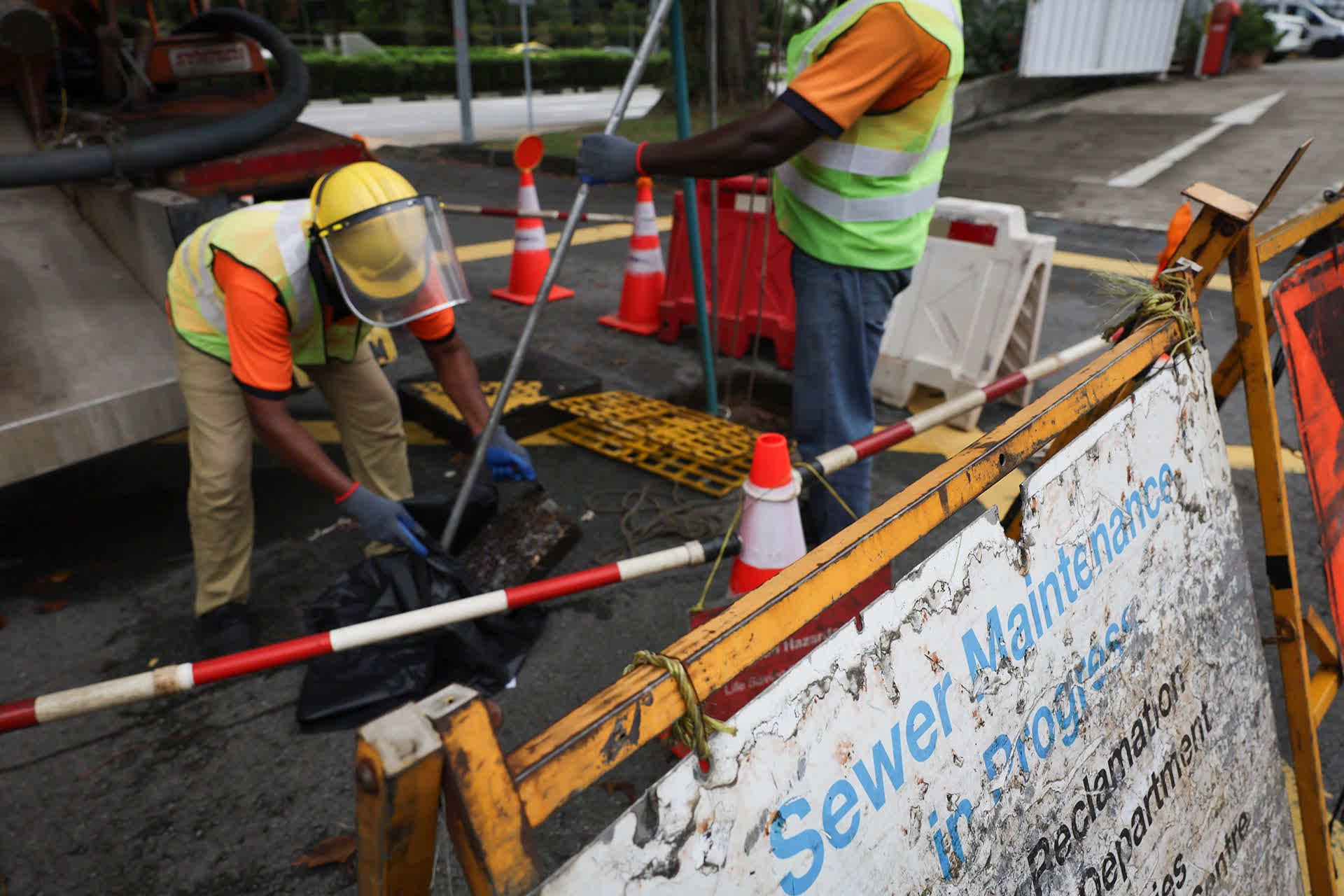
When such incidents are reported, a team from the department's Network Management Branch – which has a staff strength of around 80 – will race to the affected site within one to two hours, said Mr Tan.
“When you can’t use the toilet for the whole day, that will certainly be an issue. Everyone needs to clear their bowels,” added senior assistant engineer Saiful Anwar, 38, who has been unclogging sewers since 2021.
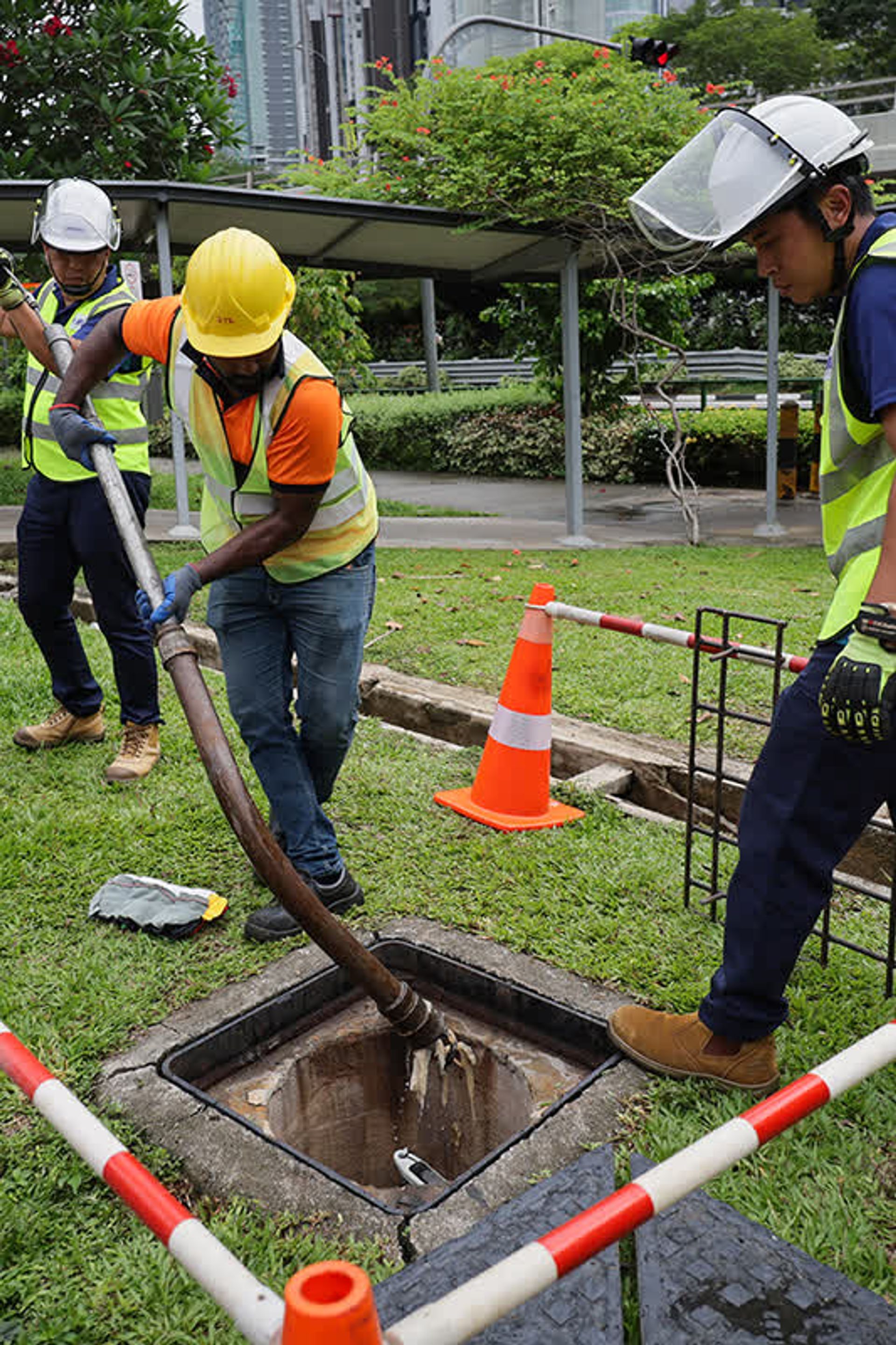
Mr Saiful’s team is responsible for cleaning and maintaining a total of 3,600km of public sewers in Singapore, a vast expansion from about 550km that Singapore had when PUB was formed in 1963.
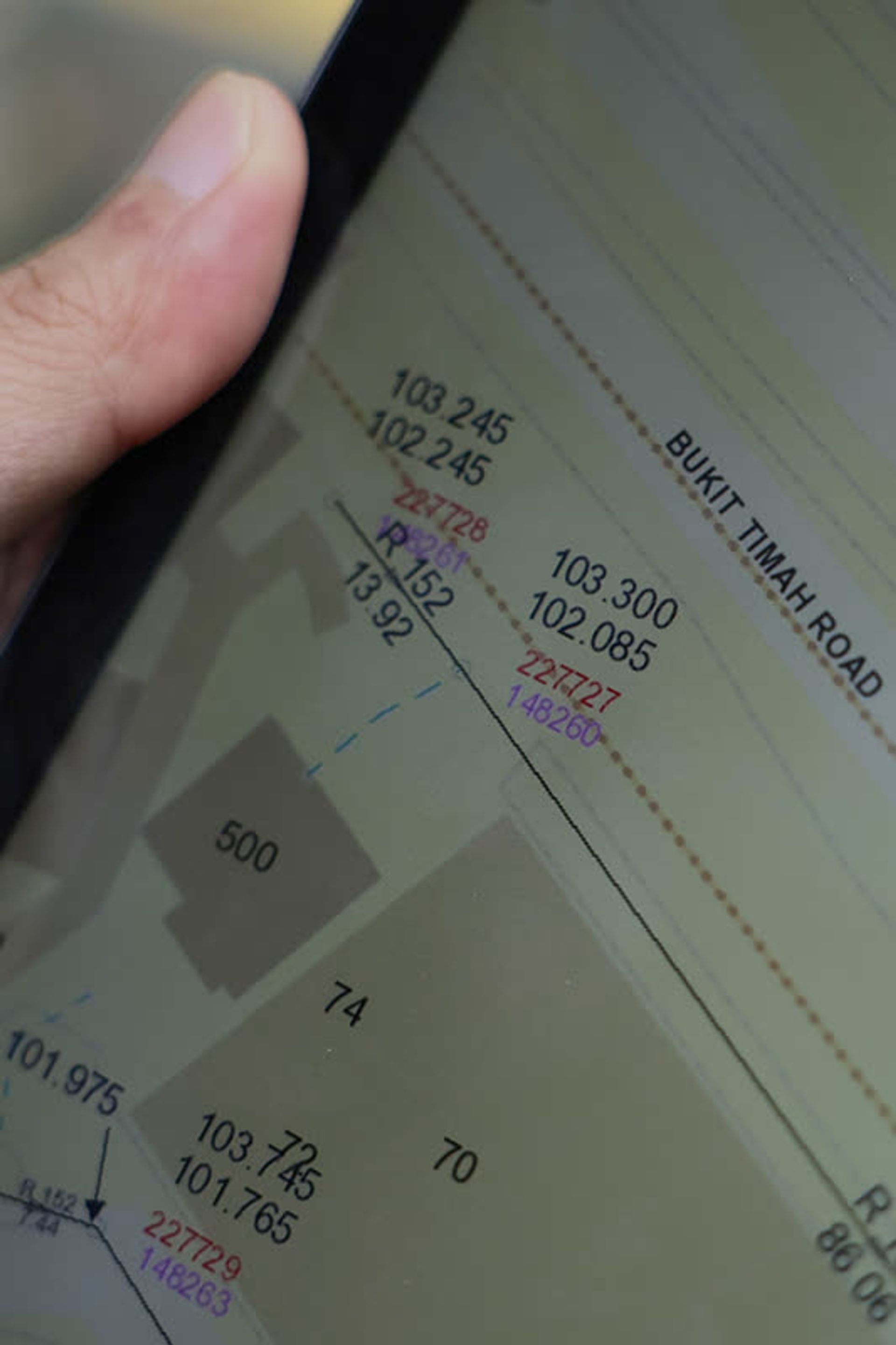
Wet wipes, in particular, have been a growing concern since the Covid-19 pandemic.
An estimated seven out of 10 incidents have been caused by wet wipes, according to Mr Saiful.
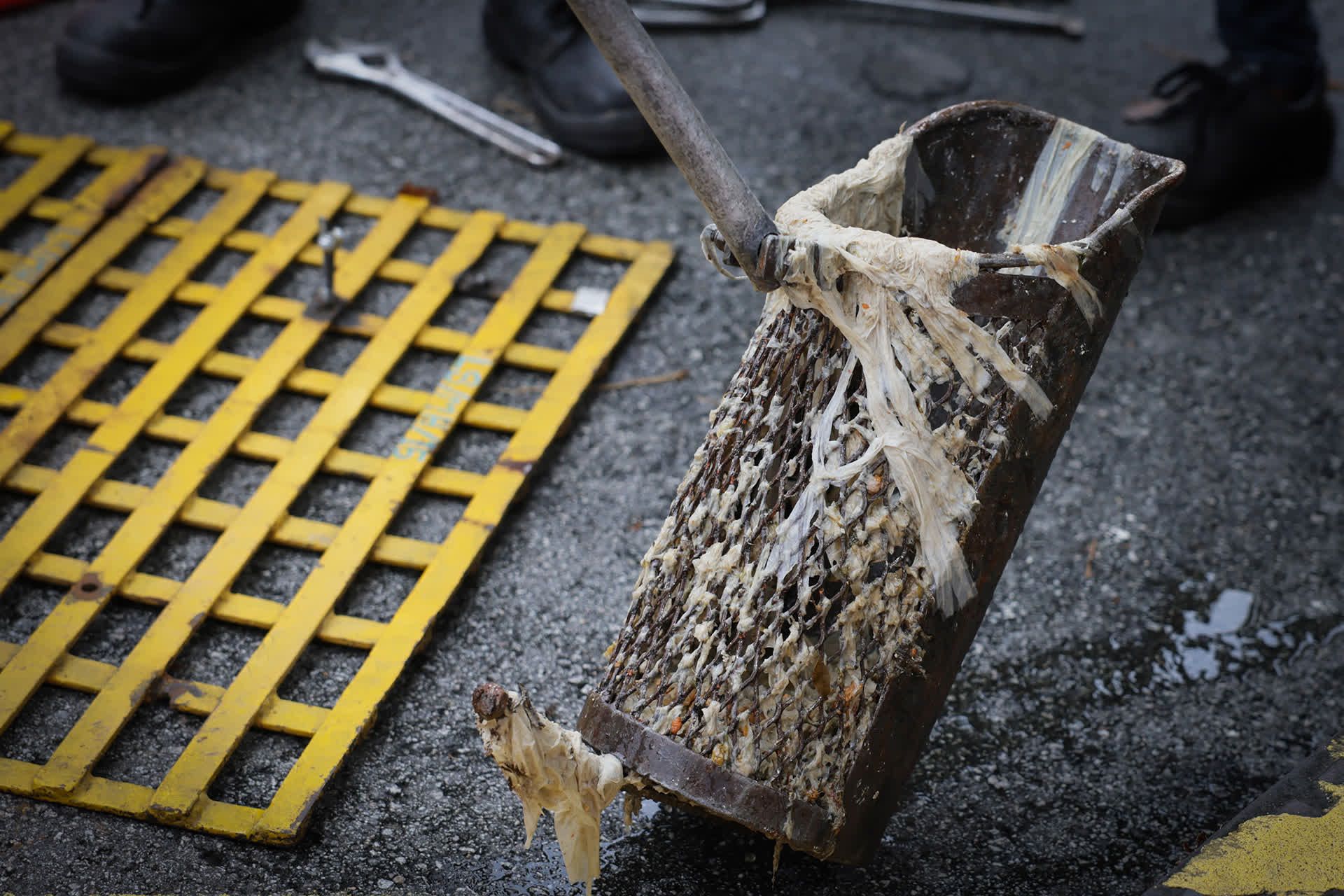
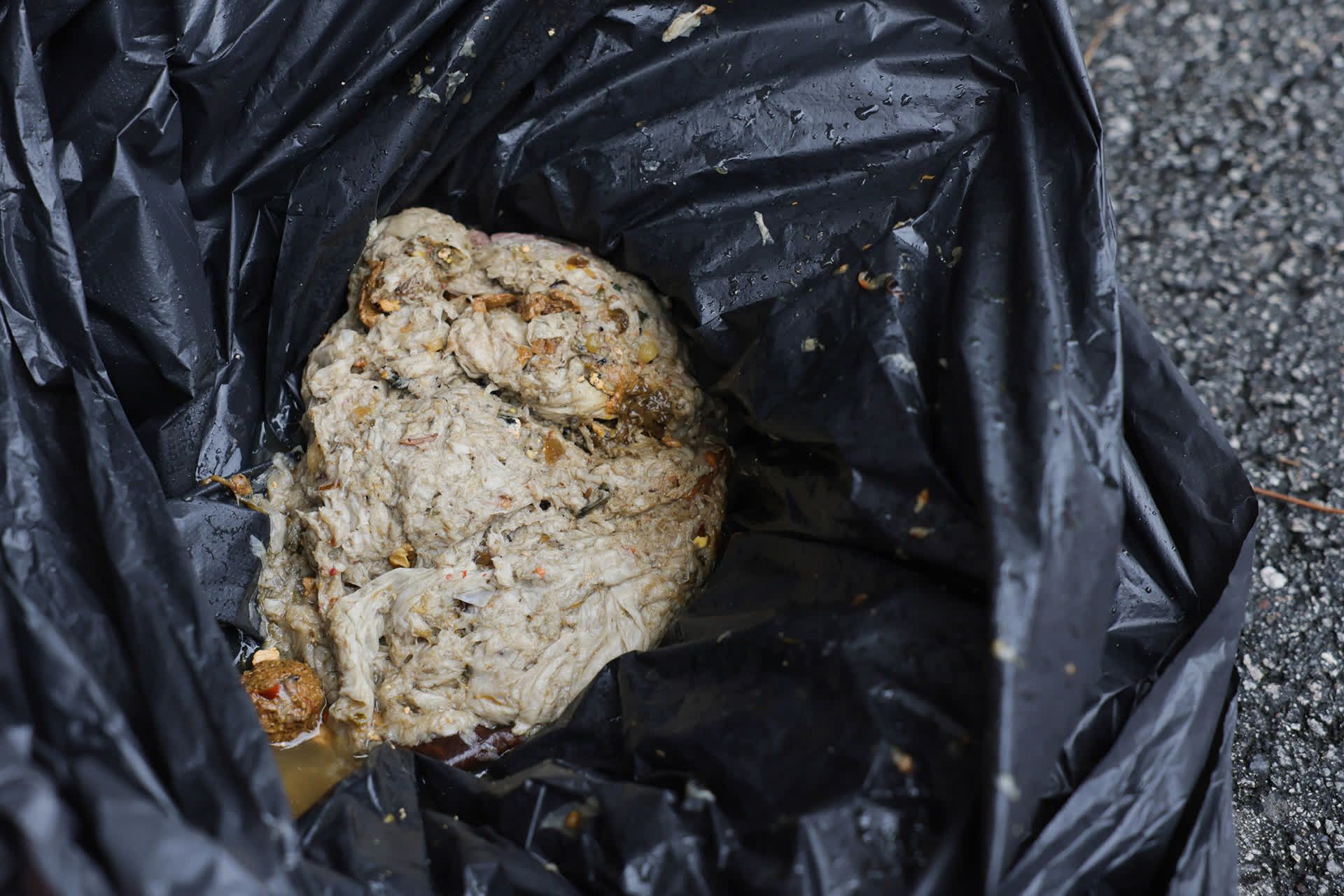
Said Mr Tan: “A lot of people think that as long as it can be flushed down the toilet bowl, then it is okay to do so.
“But… you should only flush toilet paper down the toilet bowl.”
Wet wipes were among the contents of one of the world’s largest “fatbergs”, which are rock-solid masses that form when blobs of fat meet non-biodegradable sanitary waste.
In 2017, cleaners in London encountered a 250m-long fatberg that comprised congealed fat, wet wipes, nappies, oil and condoms, and weighed a whopping 130 tonnes – nearly as heavy as a blue whale.
In Singapore, “fatbergs” typically build up to only as large as a palm-sized stone, as places known to be prone to chokes are cleaned regularly by the PUB team, said Mr Tan.
YELLOW GREASE
Fat, oil and grease are major causes of blockages in sewers here and abroad.
Said Mr Tan: “This occurs mainly in areas with more food establishments, but can also occur in residential areas when residents pour cooking oil and gravy down the sink.”
Food waste and grease should be bagged and thrown into the rubbish bin, instead of poured into the sink or grease trap.
A choke behind Newton Food Centre’s toilet in May required the team to lift one manhole cover after another to trace which segments of the sewer were affected.
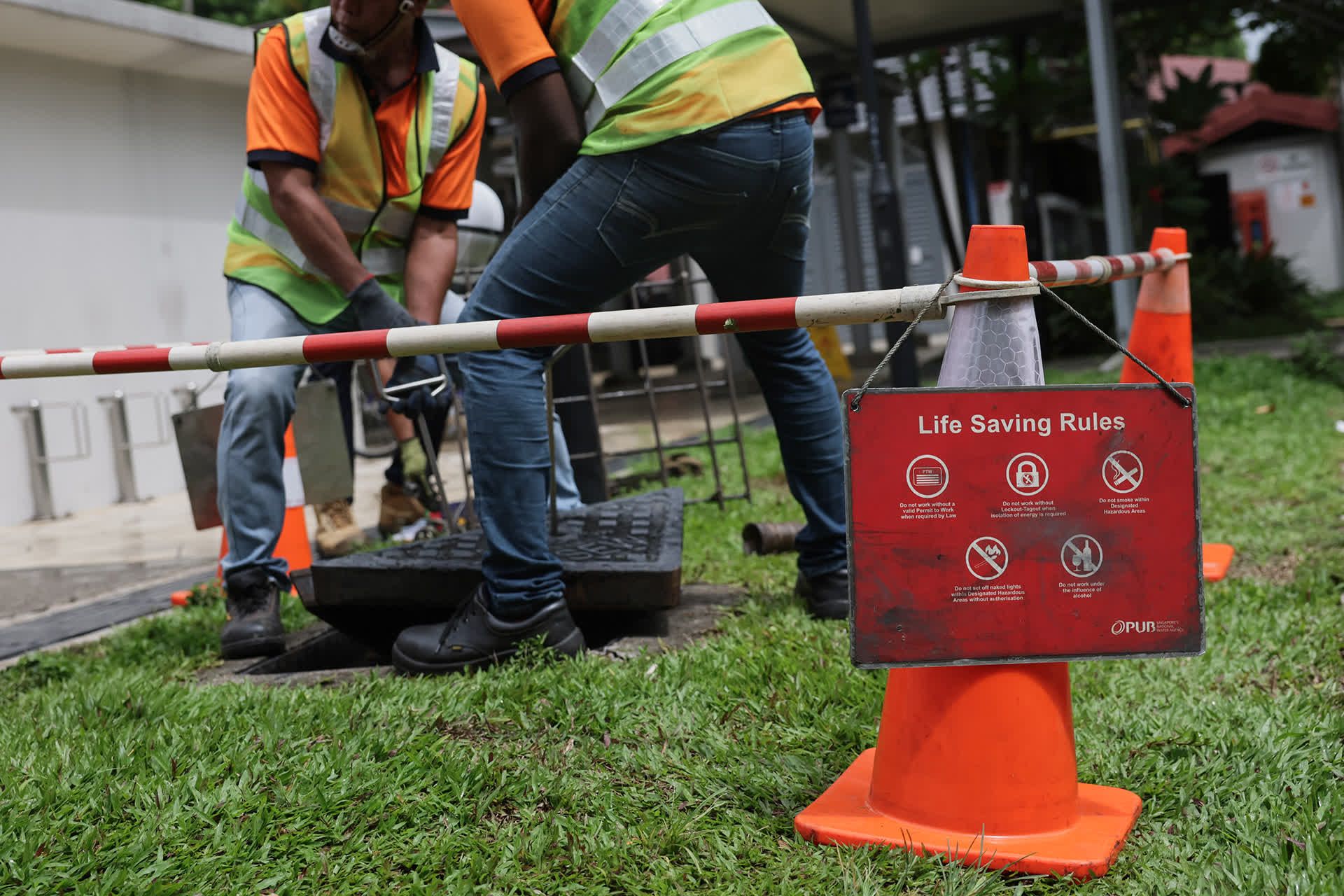
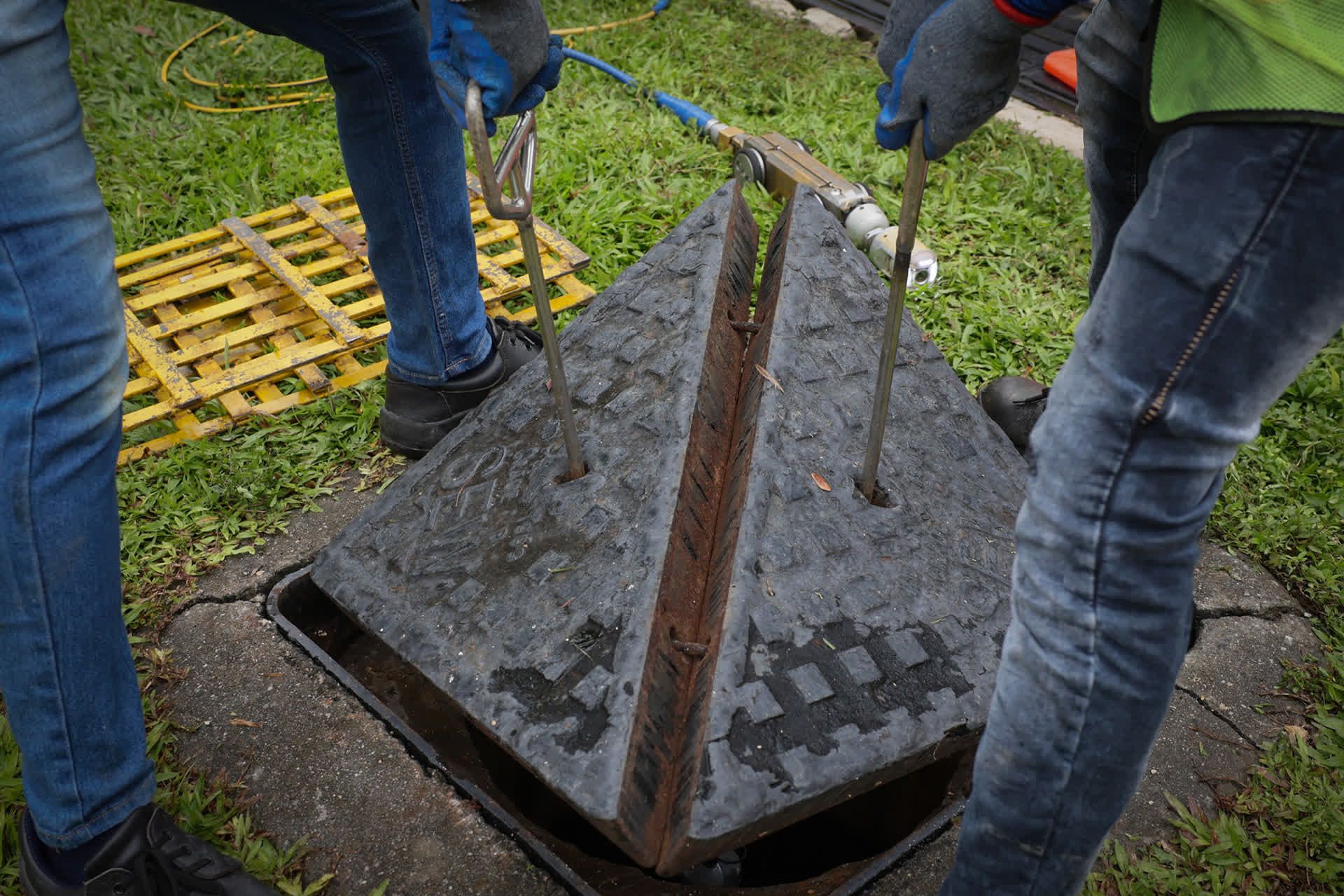
As heavy as each manhole cover can be – up to 120kg – the biggest hurdle in the process is not the toil itself but the homeowners who prevent the team from accessing manholes located in private residences, said Mr Tan.
Mr Saiful added: “Sometimes, they curse. Mostly, they will just shout at us… Sometimes they tell us, ‘If we don’t have any issue, why do you need to come into our house to check?’
“Usually, I pray to God that a sewer is not overflowing in a house.”
When homeowners show a lack of sympathy for their neighbours experiencing the effects of a choked sewer, the team has little choice but to find an inspection chamber farther downstream – an effort that can double the time taken to unclog a sewer, said Mr Saiful.
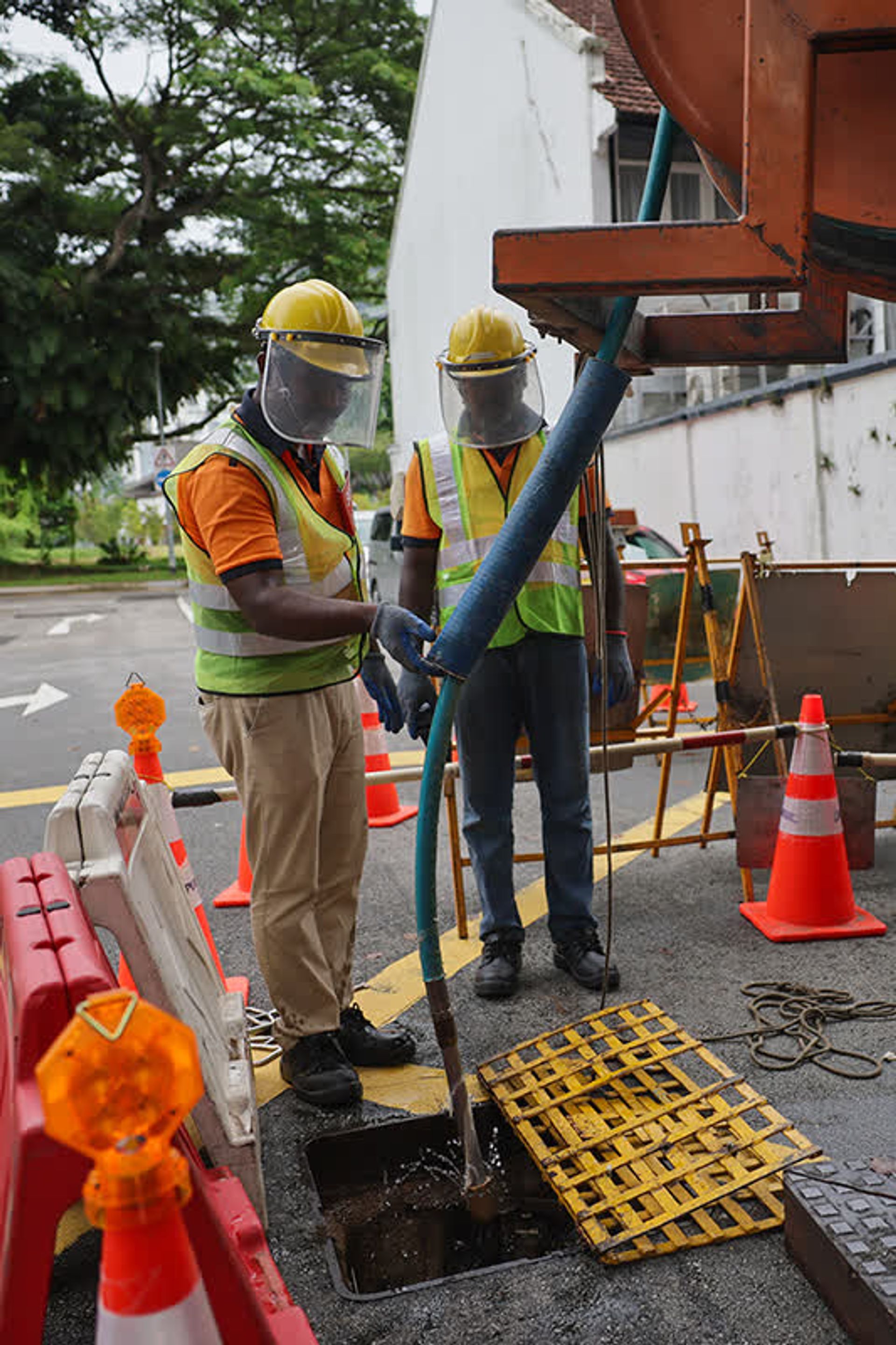
The team uses metal rods that can extend up to 100m to prod and capture parts of the blockage.

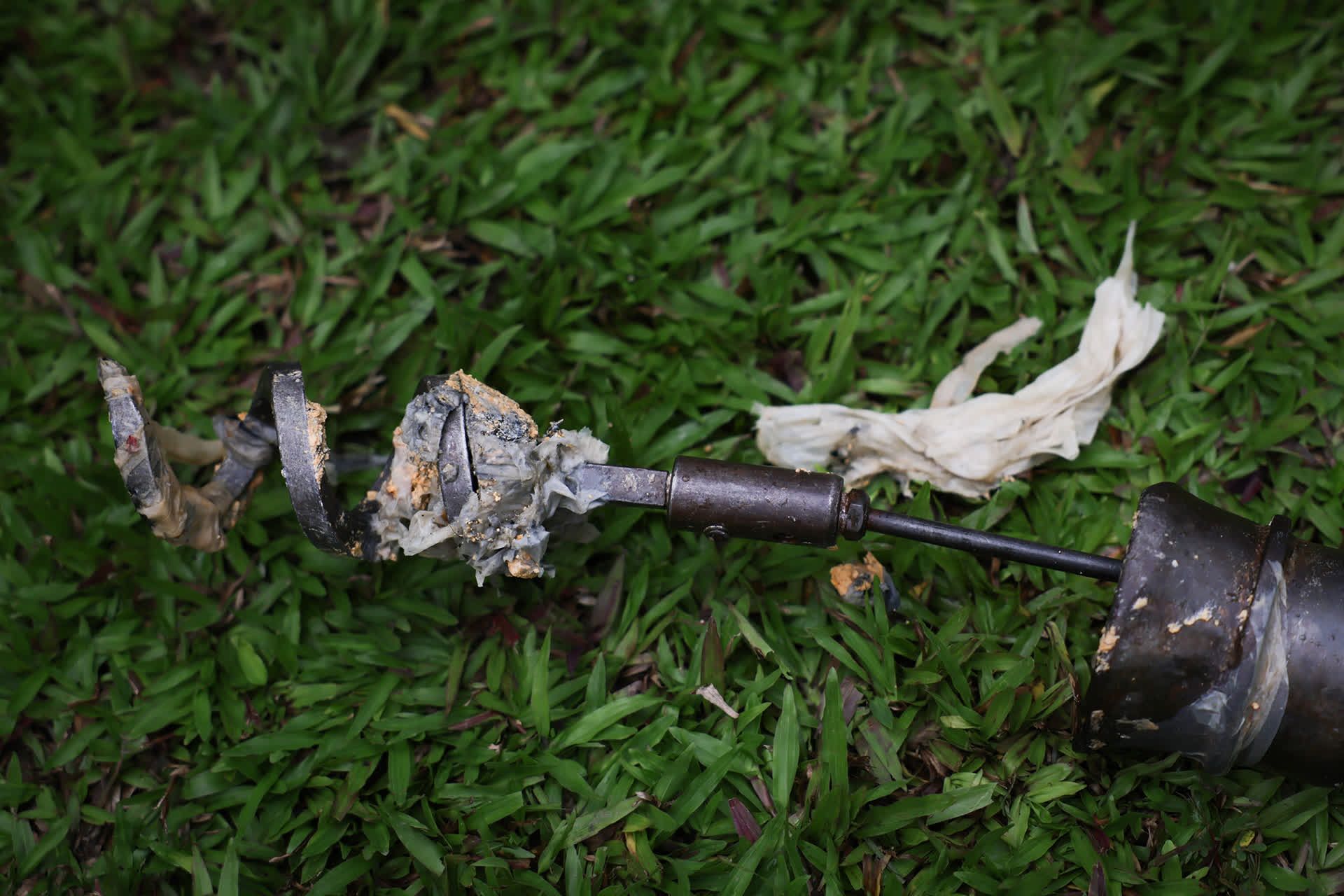
A high-powered water jet called the Combi is deployed to clear stubborn obstructions, usually arising from hardened grease, chunks of which were seen in the Newton sewer.
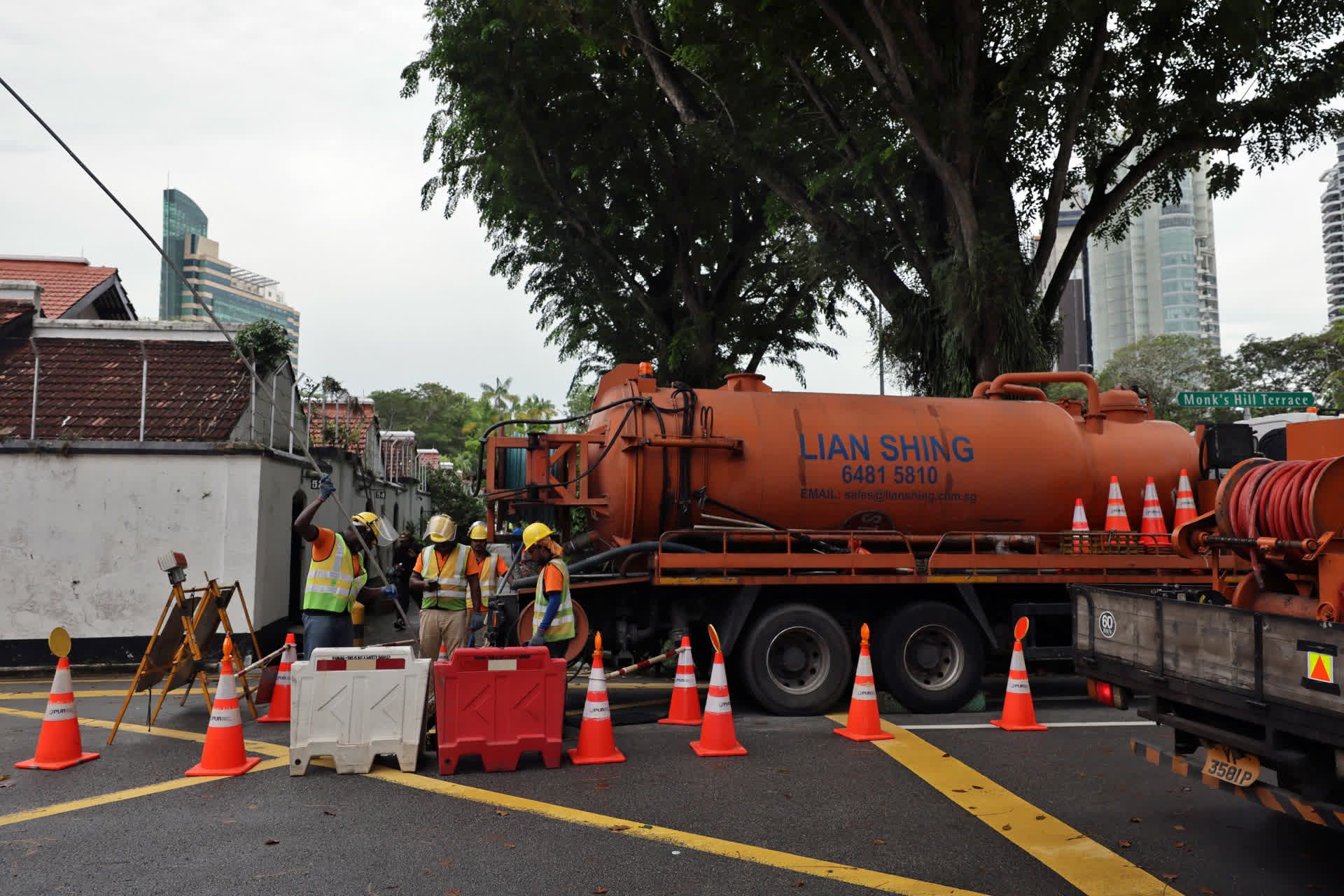
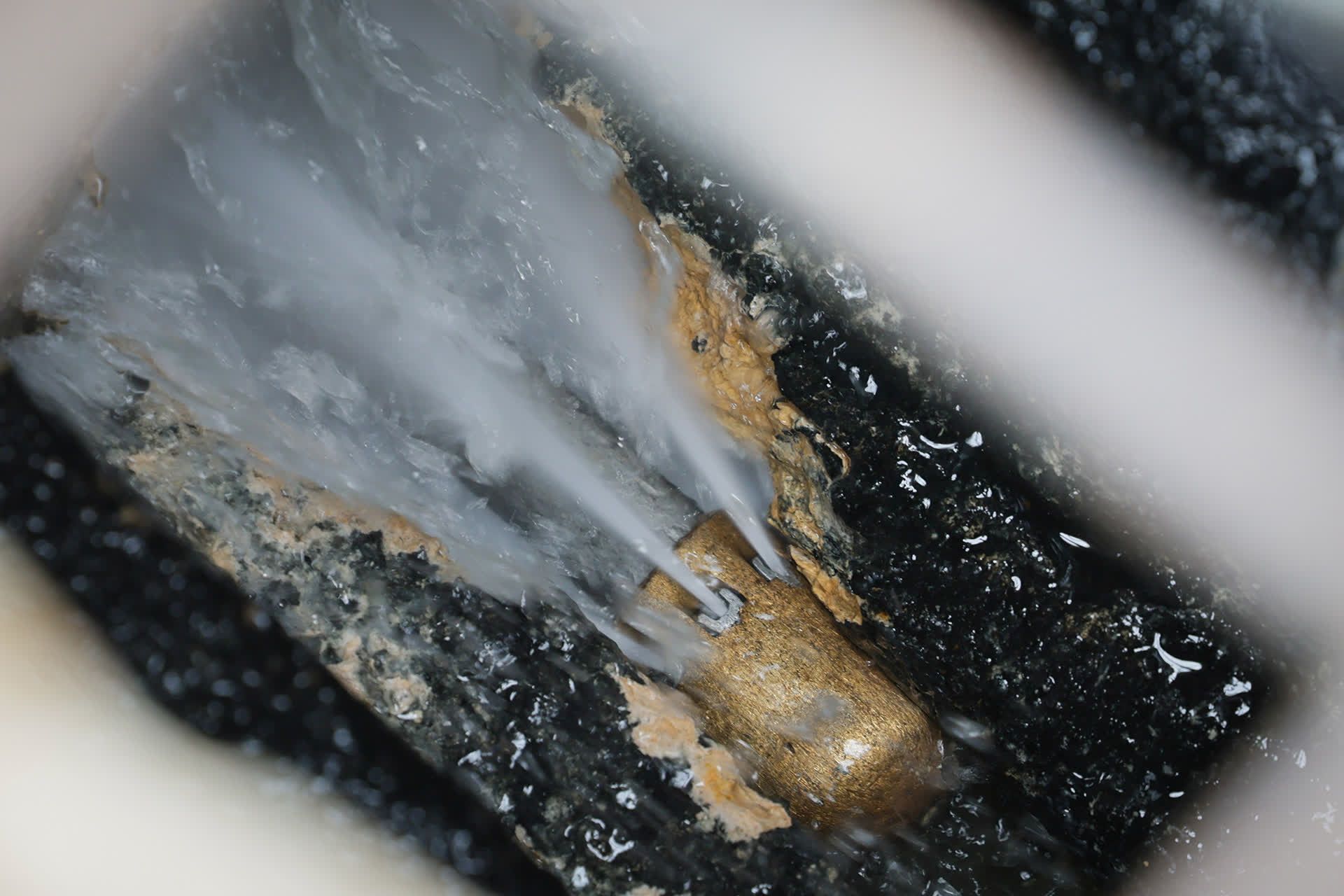
“The smell of grease is worse than the smell of faeces,” said Mr Saiful. Even after having worked in the construction industry for more than a decade, he took more than a month to get used to the stench that came with unclogging sewers.
Every day, PUB inspects or cleans about 2.5km of sewers, with the aid of remote-controlled robotic CCTV cameras that act as eyes for the team.
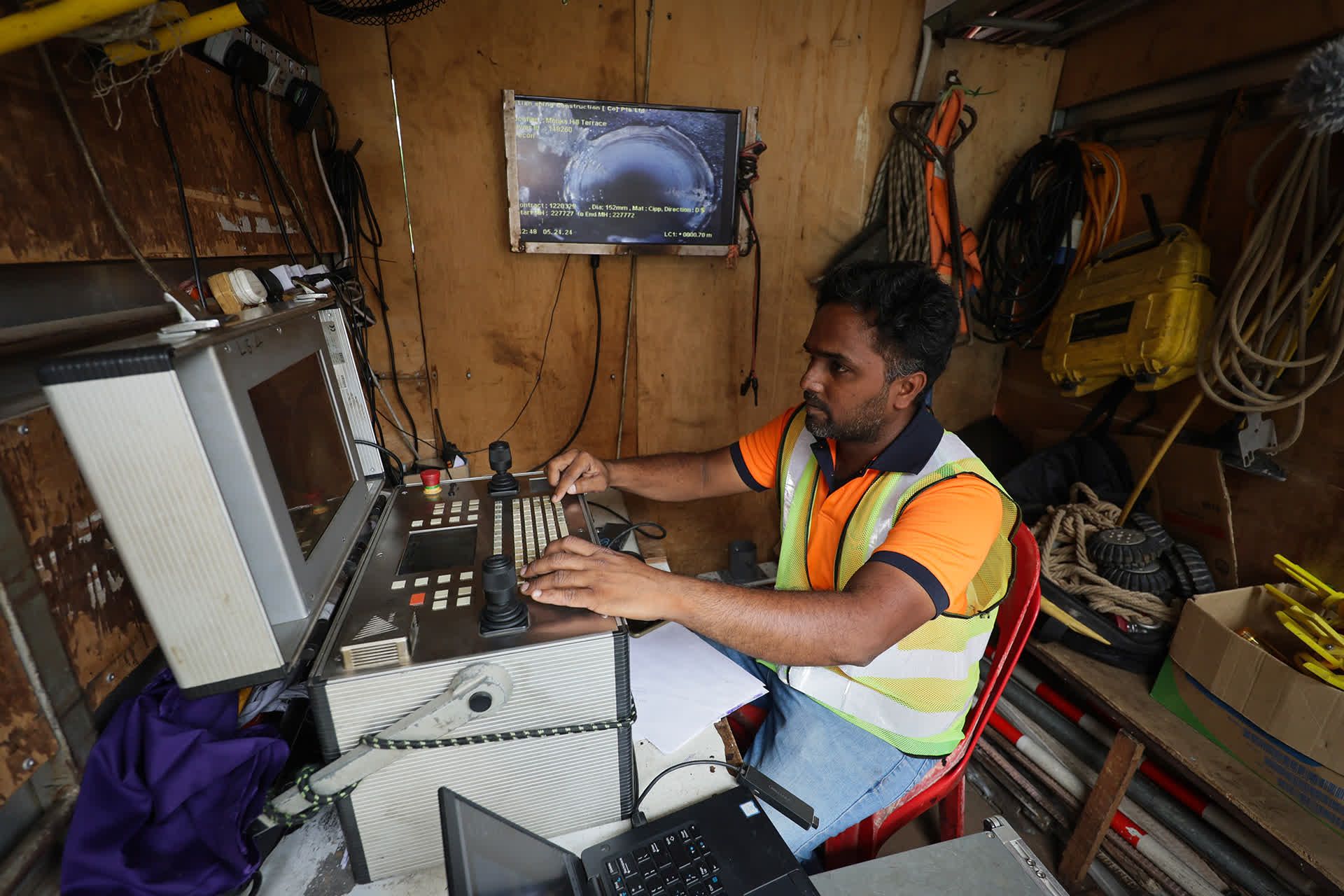
Mr Musa Osman, 59, who has been part of Singapore’s sewer cleaning team since 1994, said: “Sewer cleaning in the older days required ‘man-entry’, where we had to enter (through) the manhole to scoop up the debris using buckets and then bring them up to the ground level.”
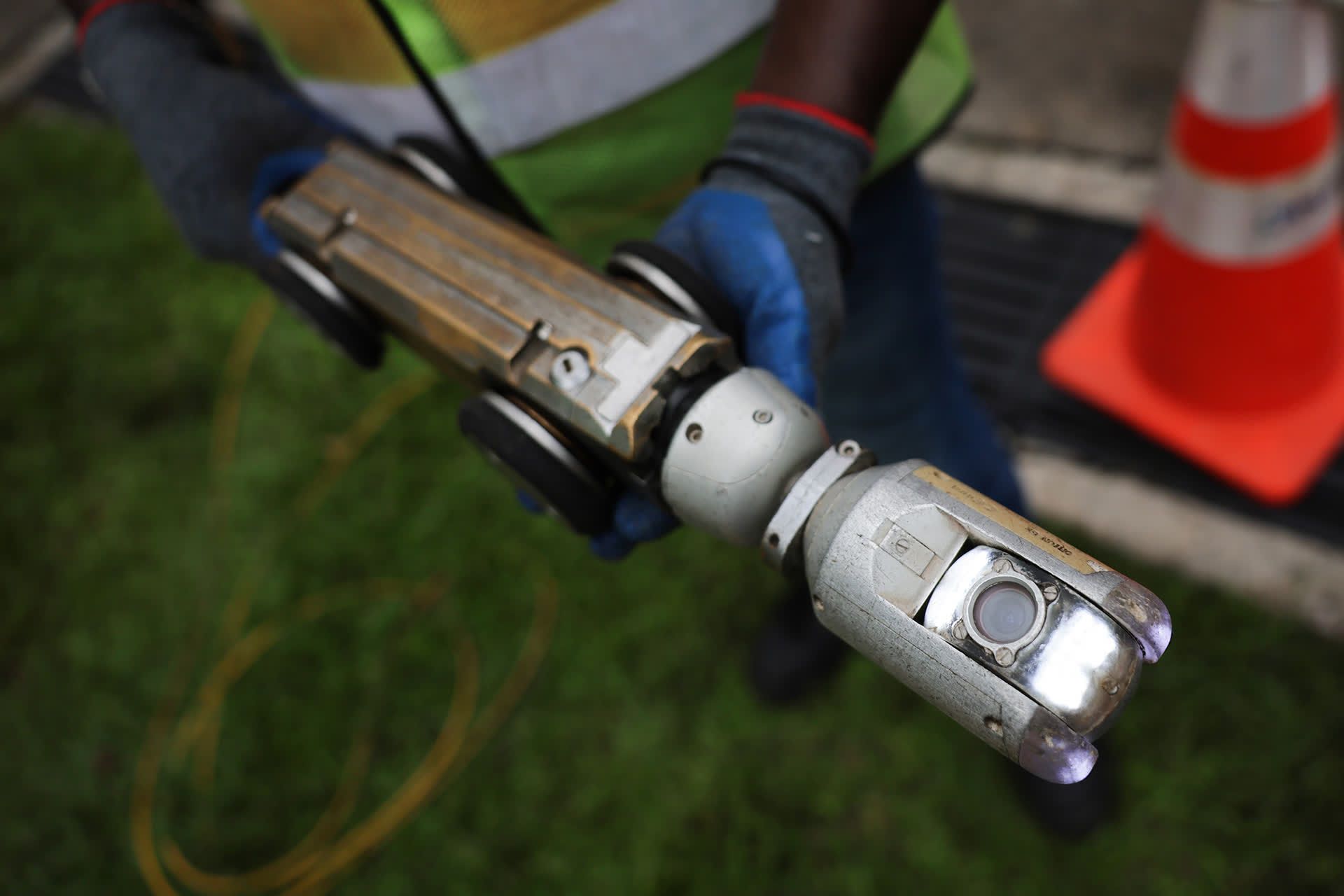
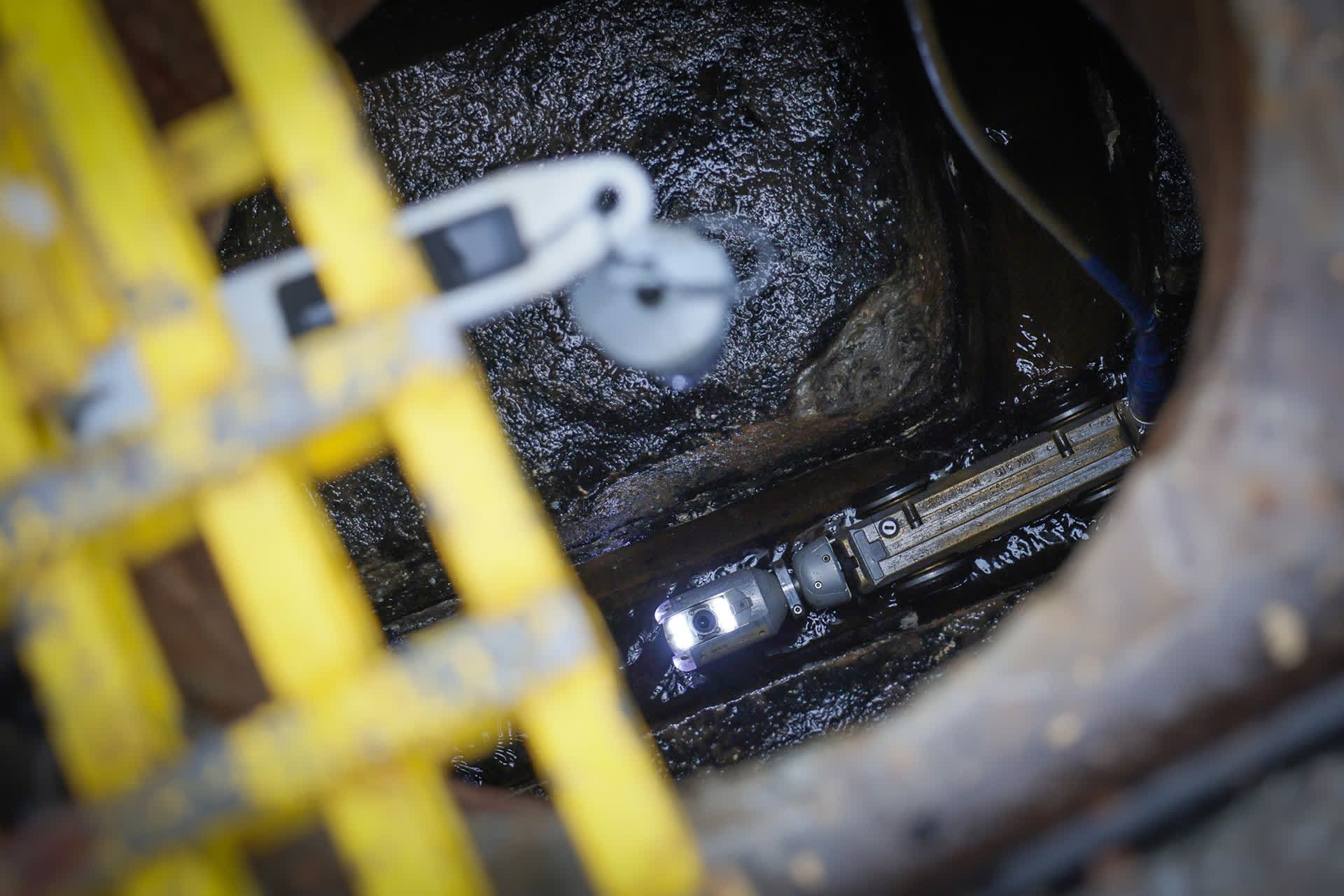
Current methods and equipment like rodding and high-pressure jets now allow staff to clean the sewers from above ground, he added.
This relentless quest for cleanliness dates back to the 1950s under then Prime Minister Lee Kuan Yew, who sought to have Singapore crowned as the region’s cleanest and greenest city – an achievement that he regarded as the most distinctive hallmark of success.
By the late 1980s, the manual disposal of night soil through buckets, which Mr Musa used while growing up in a seaside kampung, was replaced with a seamless network of sewers, pumping stations and treatment plants.
The amount of water used daily is expected to rise in tandem with population and economic growth, having already increased from some 400 million gallons a decade ago to about 440 million gallons in 2023.
Embedded in the island’s used water system today are hundreds of sensors that alert the PUB when water levels in sewers exceed a certain level.
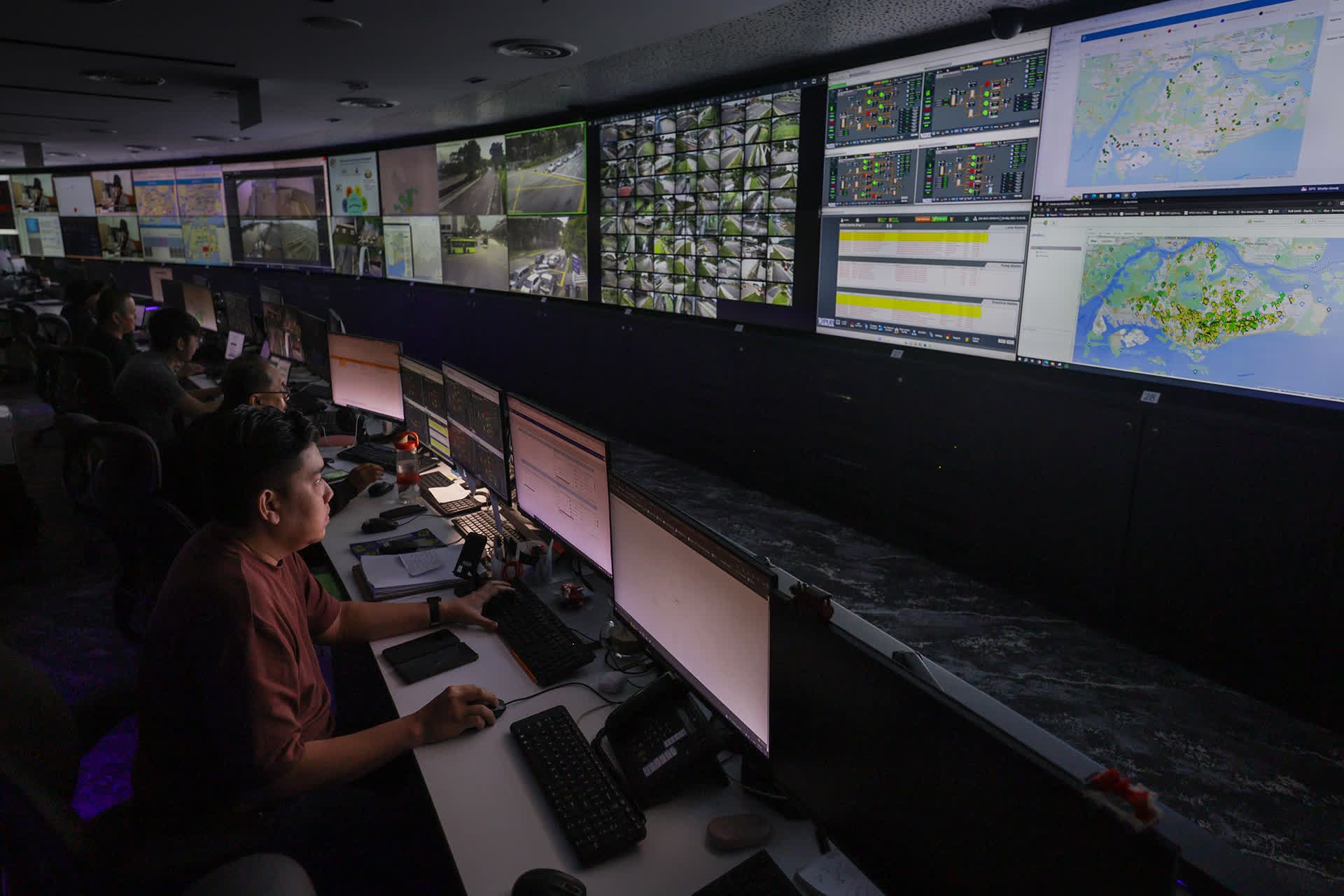
By the end of 2024, the national water agency aims to install better sensors – totalling 1,000 across the country – that harness radar technology to constantly monitor the movements of wastewater.
Mr Tan said this will do away with unnecessary checks and allow the sewer cleaners to focus on clearing chokes, a challenging job that teamwork makes less tedious.
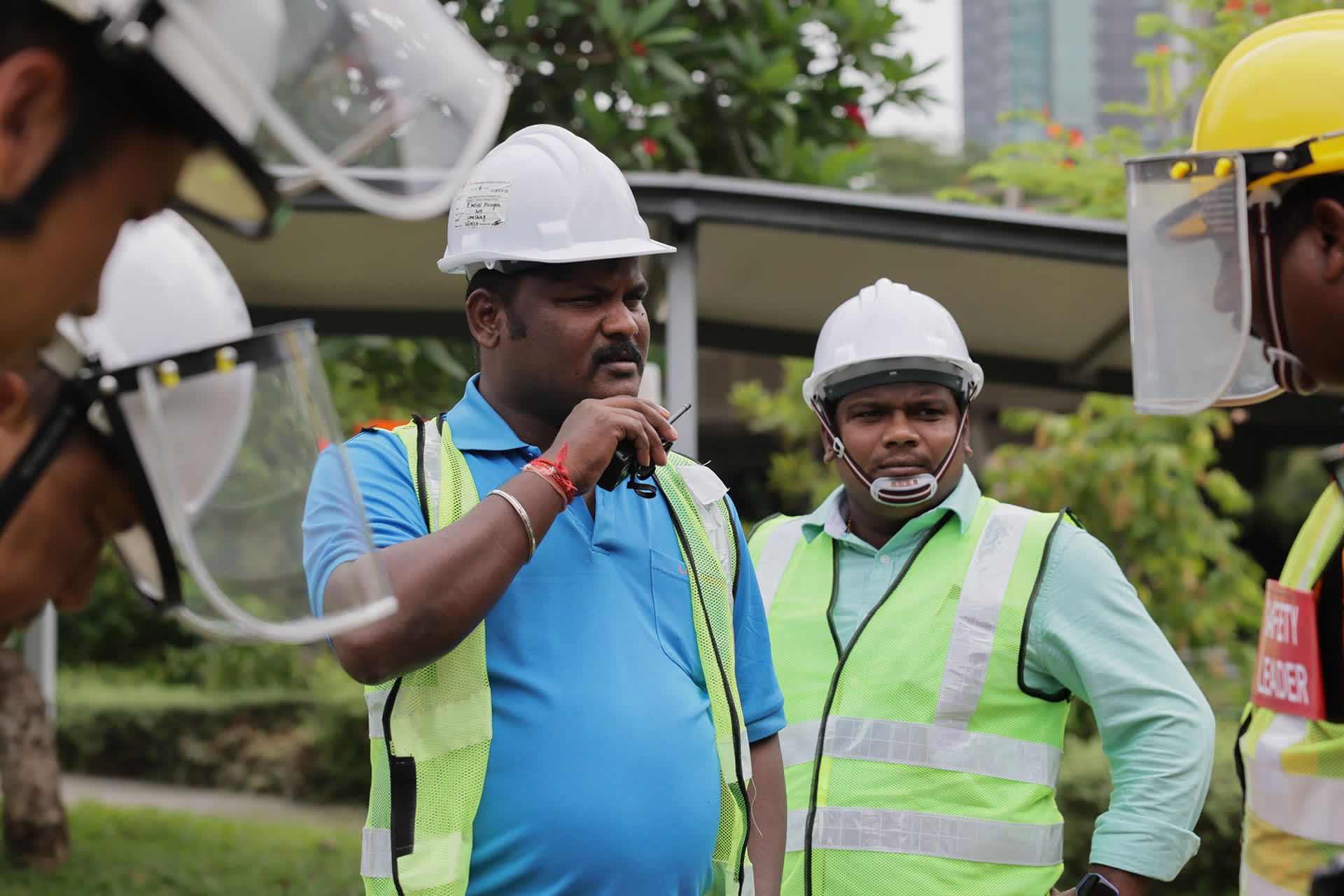
Mr Musa, who has provided for his family of six with his job, said: “I enjoy the teamwork as we can rely on each other to tackle tough jobs and face the challenges together, from unpredictable weather to demanding customers.
“As the Malay proverb goes, ‘berat sama dipikul, ringan sama dijinjing’, which translates to ‘A burden is easier to carry when shared’.”
There is just one thing that Mr Saiful wishes his fellow Singaporeans would do to make the lives of sewer cleaners easier: “Use a bidet. Even toilet paper, when there’s a big lump, can choke a sewer.”