
Dear reader,
Bodies are floating along some of South Asia’s fast-flowing rivers, criss-crossing Nepal and into India, making what is already a harrowing catastrophe an especially traumatising one for families and local communities.
Most of the thousands missing in the Aug 26 flash floods in northern Nepal and Tibet are presumed dead after a week. Local authorities at the disaster epicentre and downstream along the waterways are struggling to cope with a myriad of questions: how to store the mangled and bloated remains that have emerged, how to identify them as they wait for faraway loved ones to arrive, how to prevent diseases from spreading.
Our India bureau chief Debarshi Dasgupta has been on the ground speaking to survivors, families and rescue teams. He and our Bangalore-based correspondent Rohini Mohan have been documenting the distress as well as the desperate ingenuity of officials in small riverside towns in fashioning new protocols to deal with the difficult situation.
Local morgues have not been able to cope, necessitating the bodies be housed temporarily in other buildings. Air-conditioners were brought in to mitigate the speed of rotting, but were not enough given the scale of the disaster.
“Bodies are decomposing and it is very difficult to keep them in the holding centre or hospitals because the smell from the bodies ends up going… into the society, to the community,” a police officer tells Debarshi.
As Debarshi describes from Chitwan: “On Aug 30, there were 103 bodies at the Bharatpur centre until it was cleared out later in the evening. The stench of the dead hung in the air outside the centre, wafting over the lemony fragrance of floor cleaners and sanitisers.”
So, instead of holding on to the bodies, what officials are now doing is to keep them in body bags, and to bury them in temporary mass graves in the forest.
One looming question is how Nepal will struggle to recover from this devastation, which the government has estimated to cost US$5 billion.
After Kathmandu, Nuwakot and Chitwan, Debarshi will be travelling to Trishuli Bazaar to understand the scale of the wreckage and the problem at hand.
What he is hearing from the Nepalese so far is this: “It is unfair that a people who contribute so little to global warming are suffering so much because of it. I have heard this comment often during my visit and one volunteer at the Bharatpur temporary body identification centre told me that her country had become the “scapegoat” of the developed world and other polluters.
“In the fallout of this tragedy, Nepal has made a strategic move to demand not ‘aid’ but ‘compensation’ from the outside world. While Nepal sure has the responsibility to build better – for instance, not base so much of its development along river beds – it clearly doesn’t want to be a scapegoat anymore.”
Stay with The Straits Times as we continue to bring you ground-zero stories from our correspondents.
___________________________________________________________________________
What lies behind CIA boss’ lightning visit to Moscow
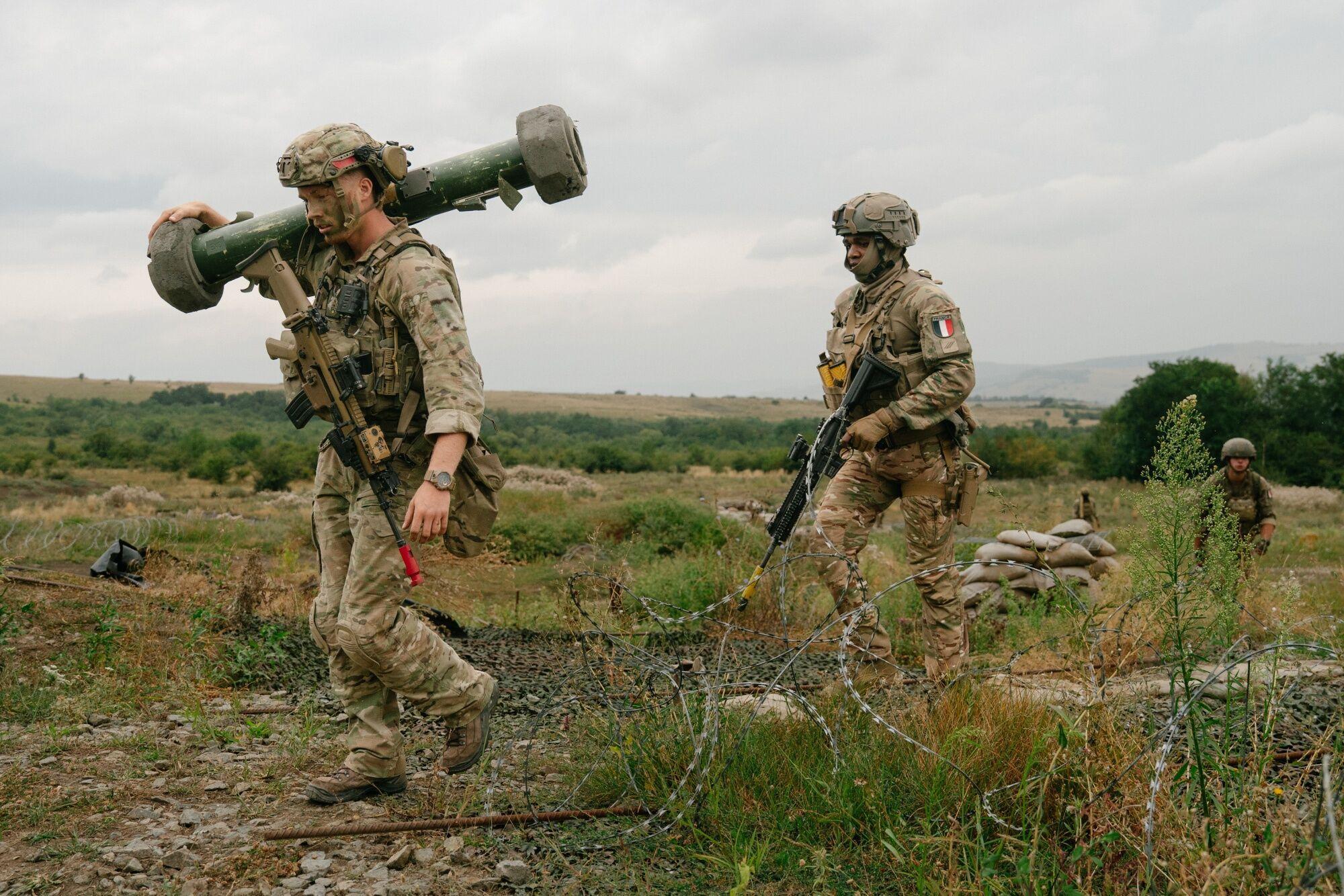
Ratcliffe’s trip was an attempt to persuade the Russian leadership against new provocations in Europe.
Maritime ASEAN bends with the China wind – for now

New flight routes are changing Singapore’s ties with Indonesia

A fast-emerging tech issue is driving voter anger in US battleground states
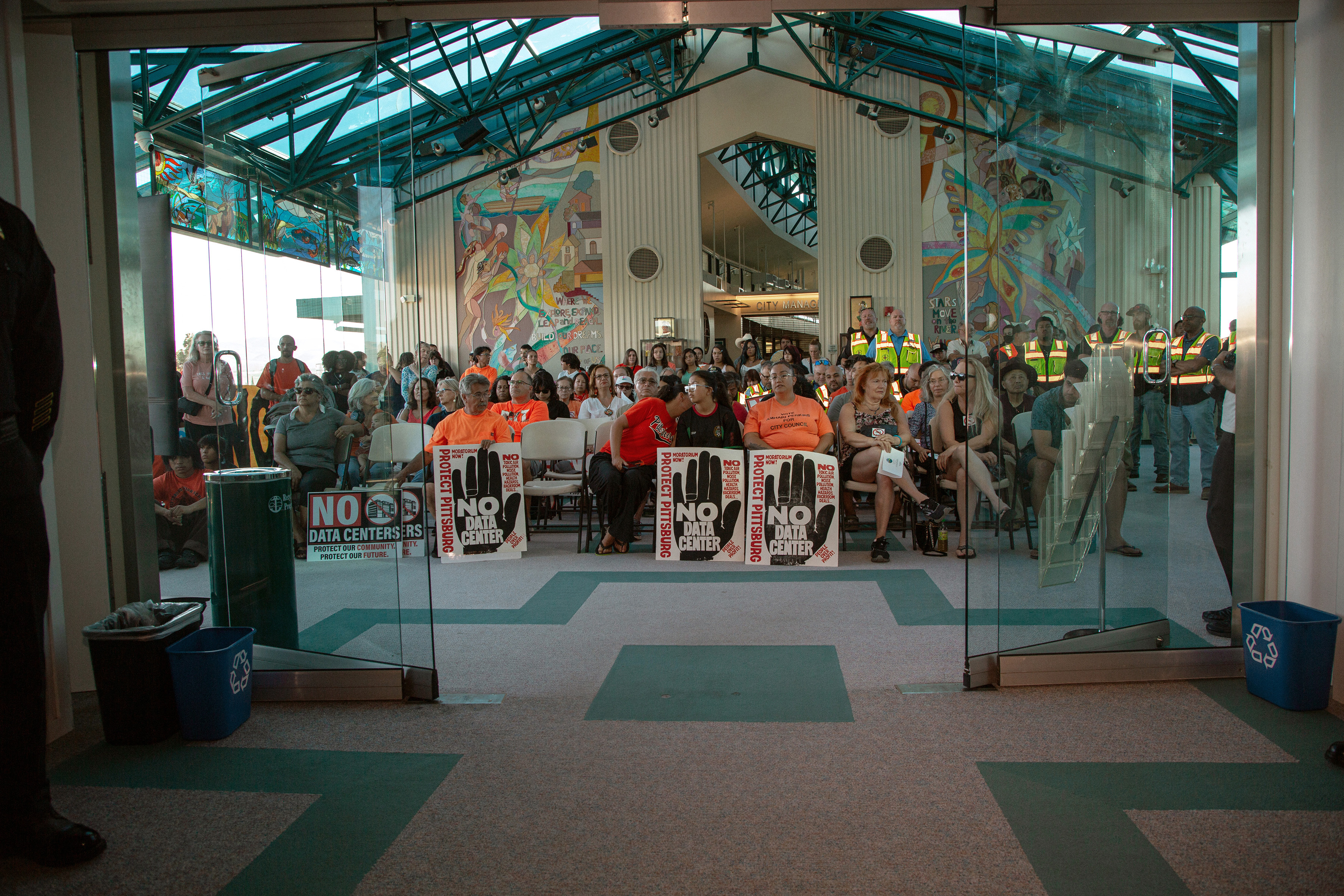
As techno-pessimism rises among Americans, both parties curb their enthusiasm for AI and data centres.
Why the Japanese are ‘drifting away’ from their most sacred grain

Netanyahu’s two-faced act
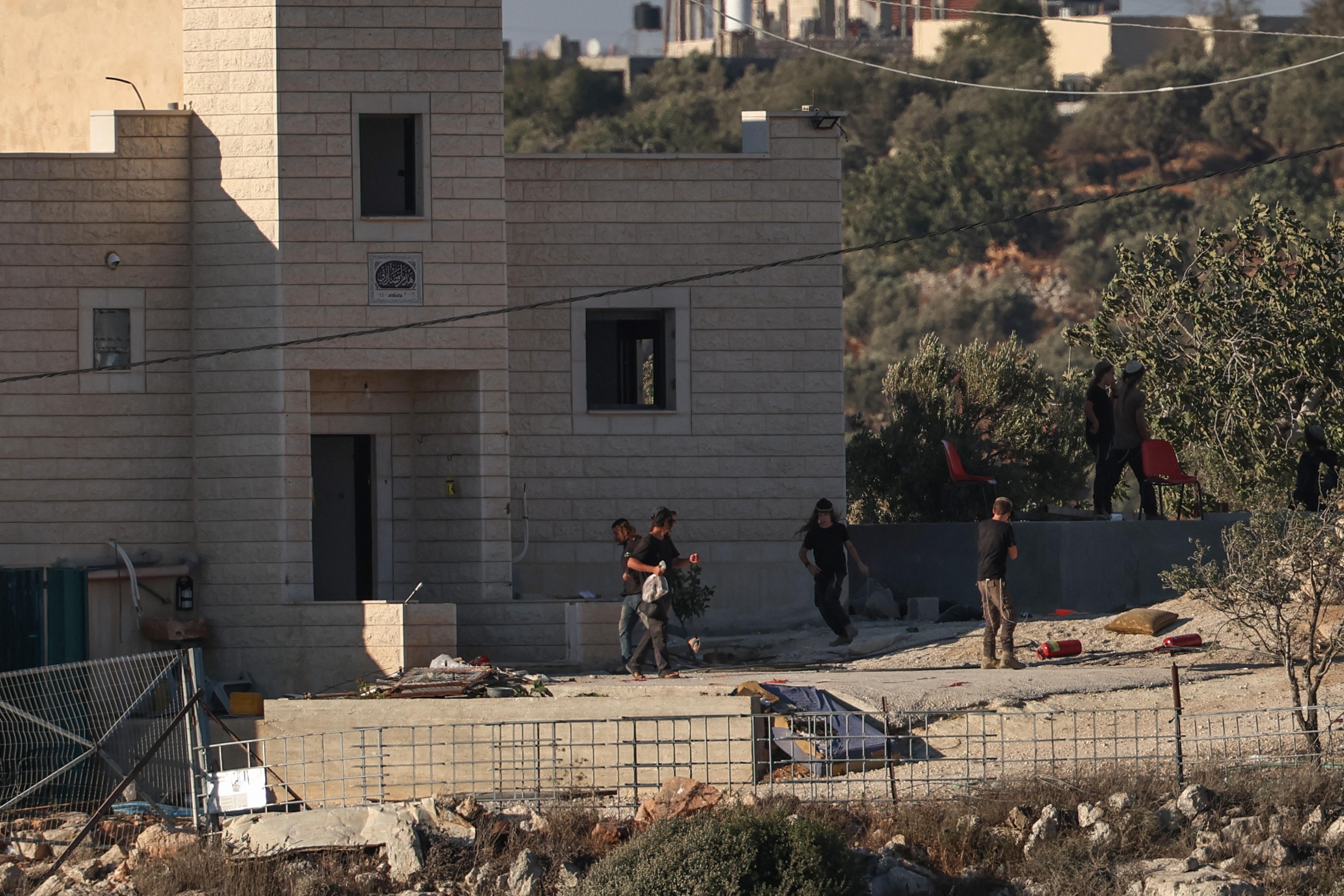
Violence by Israeli settlers is explicitly encouraged by some Israeli politicians close to him.
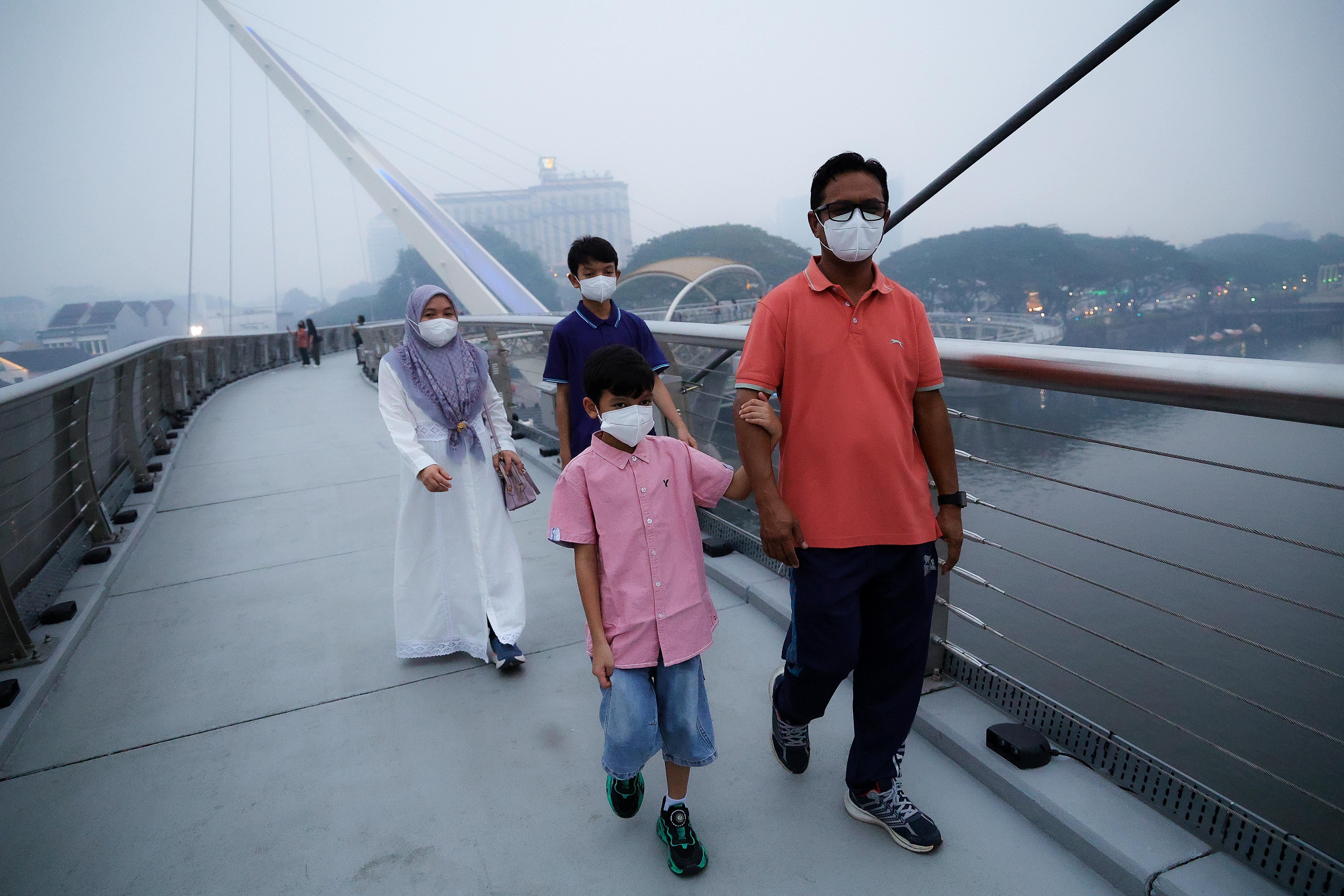
Sarawak nears haze emergency as air quality hits worst level since 2019
Is Anwar Ibrahim’s coalition reaching breaking point before GE16?
If you received this newsletter from someone, sign up here to get it delivered to your inbox weekly!
If you have any feedback, please drop us an e-mail at st-newsletters@sph.com.sg