
Dear reader,
On July 2, the Economist issued a mea culpa. “We woz wrong about oil”, it wrote, for asserting in an article in late April that oil traders were in “la-la land” thinking that oil prices would fall to US$88 (S$113.62) by year-end. At the point of its admission, Brent crude costs just over US$70 a barrel, although it has since risen to hover around US$90 as the fragile truce in the Middle East crumbles.
The British news magazine however was hardly alone back in April for predictions that the world was in for a nasty shock. The Paris-based International Energy Agency said the conflict between the United States and Iran, resulting in the closure of the Strait of Hormuz, was “creating the largest supply disruption in the history of the global oil market” which will surpass those of the 1970s. Asia will be hardest hit.
At The Straits Times, we ran a series of ground-level reports in March and April of how the crisis was playing out, quite differently, in various Asian countries.
Among them, jeepney drivers and truckers in the Philippines - the first country in the world to declare a state of national energy emergency - fretted about shrinking earnings, Malaysian families stockpiled essentials while some Indian migrant workers returned home to their villages.
Notably, those in China said they felt little of its effects as yet.
Everyone braced themselves for what seemed certain to be a summer of skyrocketing fuel prices and smouldering discontent.
But it is now nearing end-July, the doomsday scenario has yet to materialise, and in this article, senior correspondent Chew Hui Min, together with our correspondents across the region, unpacks why that was so. China is one big factor.
At the same time, with hostilities having broken out afresh in the Gulf, a new question arises: could prices shoot up this time?
One analyst stuck his neck out, saying: “What has saved the world in the past four months might not be able to save the world going forward.”
China, which severely curbed its oil imports since March, seems set to replenish its stockpiles from July, notes correspondent Kok Yufeng. He however added the caveat that “some analysts have said that while China's crude demand will recover, it will not go all the way back to pre-war levels because of EV adoption, economic slowdown etc”.
Again, the realities on the ground across Asia differ, depending on how various governments have adjusted their sails since. Those that will be hardest hit are poorer countries with fewer options, though they too are trying to diversify energy sources and change consumer patterns.
Says Hui Min: “There's been a mix of measures by both governments and people - turning to alternative sources of oil and gas, using different types of fuel e.g. coal, providing subsidies, while consumers and industry are turning to electric vehicles and switching to clean energy like solar.”
Underscoring her point is this timely report by Philippines correspondent Mara Cepeda on how Filipinos are embracing solar panels and buying Chinese EVs - no small thing given the deep suspicion towards Chinese technology.
As one industry leader told her: “Coming into the auto industry, it was very tough for Chinese vehicles to be accepted because of the Chinese stigma. But now, during the ongoing Iran war, acceptance has been super high.”
So will we get it wrong? Hui Min said that one key takeaway for her was how resilient the global supply chain has been. “Five months on, most of the world economy still hums along.”
The real test lies ahead.
As usual, I leave you with a selection of our correspondents’ articles and podcasts.
__________________________________________________________________________
Asian students adjust plans after Trump’s new visa rules

Second China Shock? Wait till you see Version 3.0
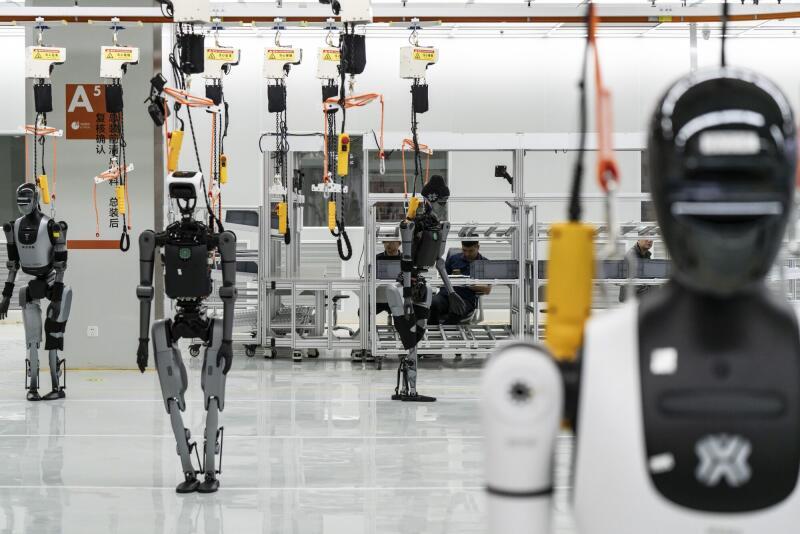
Version 3.0 is going to also involve the services sector and will be even more daunting than previous phases.
Indonesian traffickers who smuggled babies into Singapore sentenced to jail

Young Indians increasingly believe a degree will not change their lives

With more Indians avoiding college education, the country could squander its demographic dividend.
Why hit film Dear You struck a chord with Chinese Malaysians over roots and dual identity
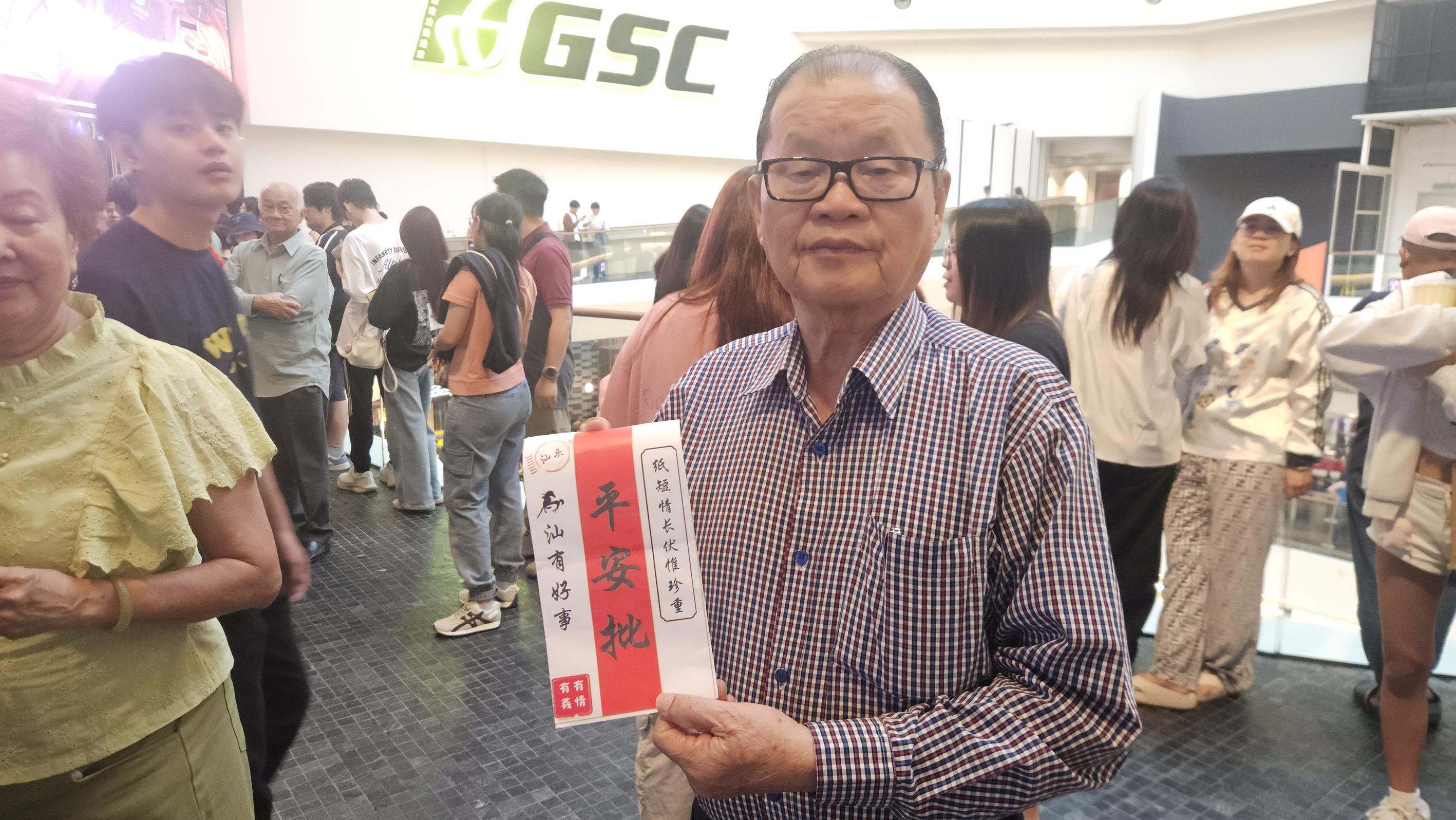
The film, which has taken at least $4.8m at the box office, has prompted reflections on belonging, heritage and home.
Trump says China stole US voters’ data. Will this derail his September summit with Xi?
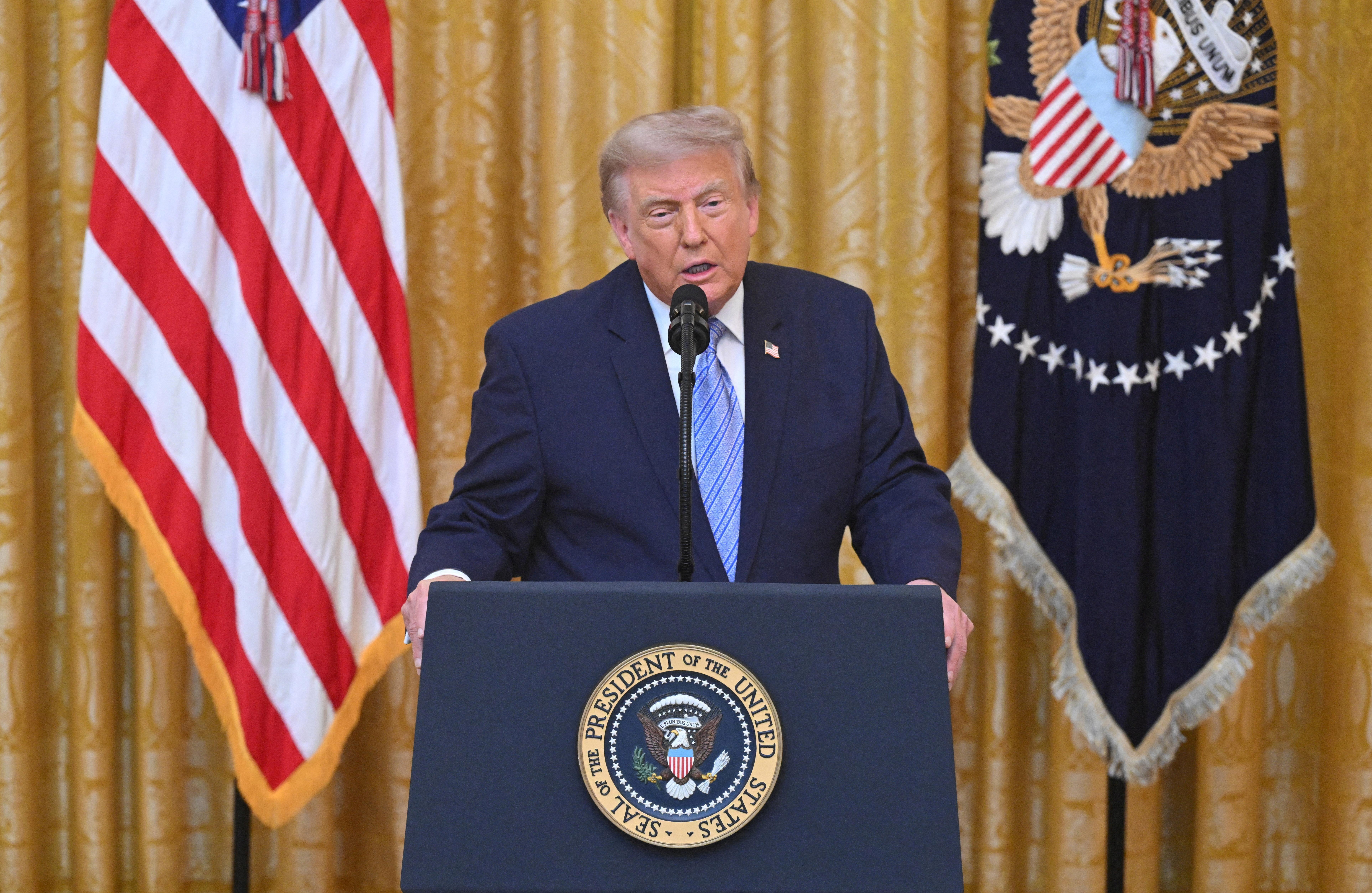
Analysts say his claims did not appear to be borne out and China was likely to brush them off.
7th PM in a decade: Is Andy Burnham and Labour’s survival tactic a cure for UK’s woes?

The incoming leader does not have much time to prove himself as electoral honeymoons for British leaders are notoriously brief.
In Malaysia, the good vibes are with a resurgent Barisan Nasional
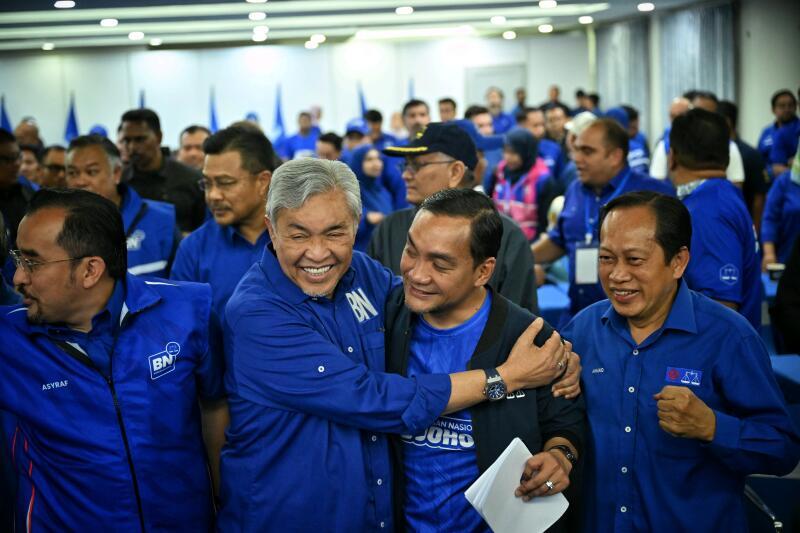
The Johor polls suggest that the BN empire is striking back, while the grouping in power looks ragged.
If you received this newsletter from someone, sign up here to get it delivered to your inbox weekly!
If you have any feedback, please drop us an e-mail at st-newsletters@sph.com.sg