
Dear reader,
My family visited the Albatross exhibition at the National Library in Singapore recently where my daughters, aged seven and ten, were most enthralled by filing cabinets labelled “Top Secret”. That, in turn, led to the question: why was the separation of Singapore and Malaysia brokered so secretively?
Many reasons, but if I could try to distill it down to one for my kids' understanding, it would have been this: people quarrel and disagree. There was a fundamental clash of visions in how Chinese-majority Singapore and Malay-majority Malaysia were to be organised and governed, and unlike many siblings’ squabbles, this could be neither neatly nor quickly resolved.
Even as top leaders on both sides decided mutually to part, others in their camp would have fought it, making it a messy process had everything been done openly.
This tangled history hangs over the relationship of the two countries today. It is also what rouses curiosity among many Singapore readers about life for the minority Chinese community in Malaysia, especially those under Islamic rule.
Stereotypes abound. As our Malaysia correspondent Lu Wei Hoong notes: “PAS has a poor image among the Chinese community due to its hardline stance on certain Chinese customs, including alcohol consumption, pig rearing and the purchase of 4D lottery tickets.”
A more nuanced picture is timely. The Islamist opposition Parti Islam SeMalaysia (PAS) is now Malaysia’s largest single party in Parliament with 43 seats – and has a more than plausible shot at forming the federal government in the near future.
PAS is in power in four states. Malaysia correspondents Hadi Azmi and Lu Wei Hoong take a deeper look at Kelantan where PAS has governed since 1990. This means that for most Malaysians below 40 there, this is the only state government they have known. And as Hadi says: “This experience in Kelantan can be inferred to shape PAS’ attitude towards governing ethnic minorities in the other states it governs.”
This is no linear story. Despite longstanding curbs on their lifestyles, the Chinese in Kelantan benefit from what historians say is “deep acculturation” due to history and the positive influence of its late leader Nik Aziz Nik Mat, who promoted a moderate form of Islam under the banner of “PAS for all”.
Meanwhile, there is increasing encroachment into minority rights as PAS undergoes what Hadi says is a transition to its current form as “a hardline Malay nationalist party”. Economic stagnation is also resulting in a rapid brain drain.
One question that bureau chief Shannon Teoh often gets is, when might PAS form the Malaysian government? In the near to medium term, PAS – having wrested from UMNO the status as Malaysia’s guardian of Malay-Muslim rights – will always figure in any such calculus, he says.
The more pertinent question then is, will a Prime Minister emerge from PAS? “That may very well be its Achilles’ Heel for now,” says Shannon. “In a polity like Malaysia’s, previous leaders got to the top because they could build a consensus across the nation’s disparate demographics.”
Going beyond PAS, what worries Malaysians like Shannon is the observation that political tactics – from across the spectrum – that seek to divide them along racial fault lines are effective “because Malaysians increasingly live in silos, whether race, language or class and there is much less room for empathy to flourish”.
This can be seen in recent controversies erupting over matters ranging from halal certification to education to even the pet a family adopts. Shannon calls for “courage” to get the nation to move past its fixation with race and religion.
Do you agree with him, and what might that look like? You can read more from Shannon in our Malaysia edition of Asian Insider newsletter. Sign up here.
As usual, I leave you with a selection of our correspondents’ articles and podcasts.
Why investors are dumping Indonesia stocks
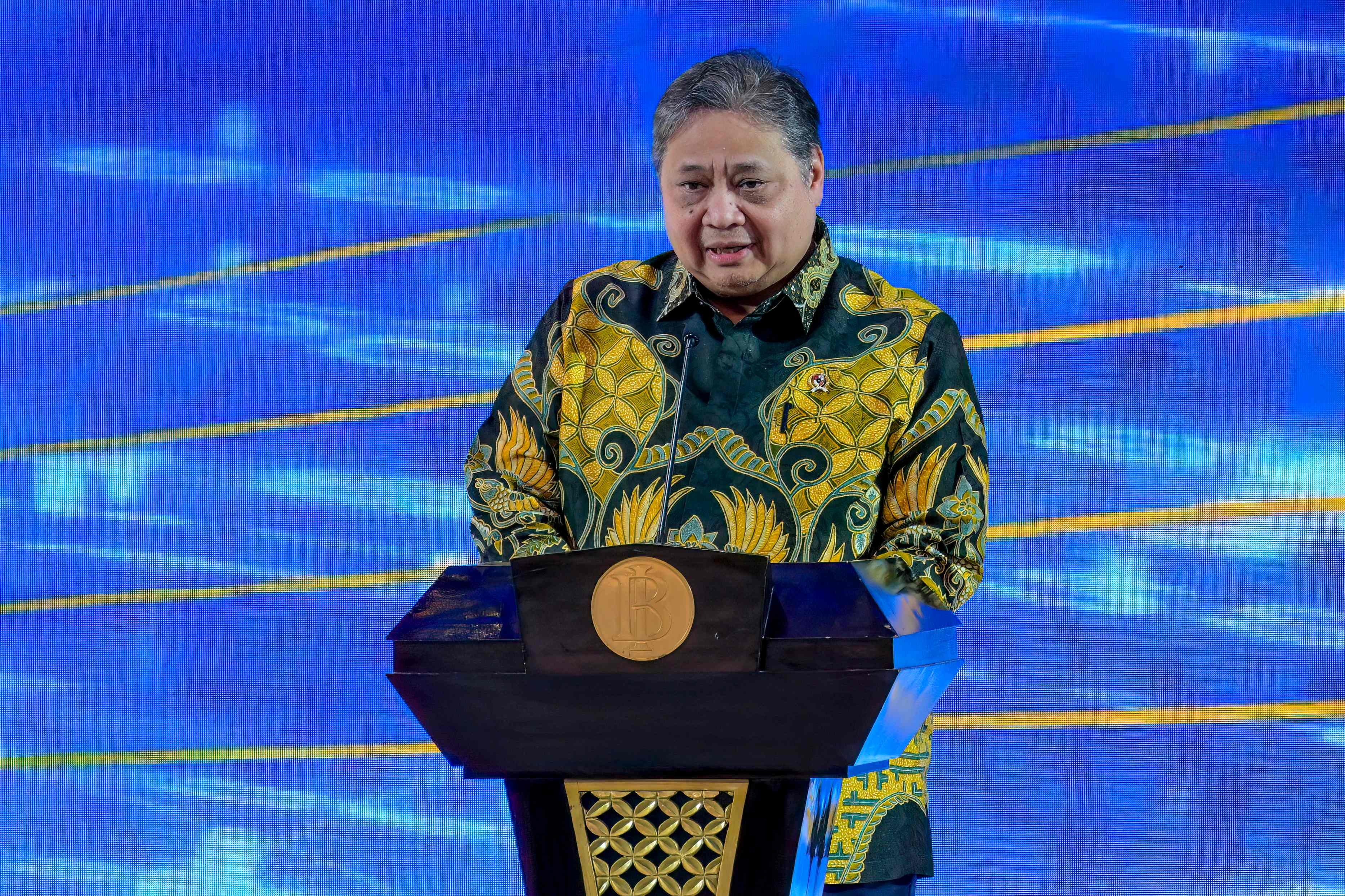
No consensus ‘for now’ on recognising Myanmar polls, says ASEAN chair
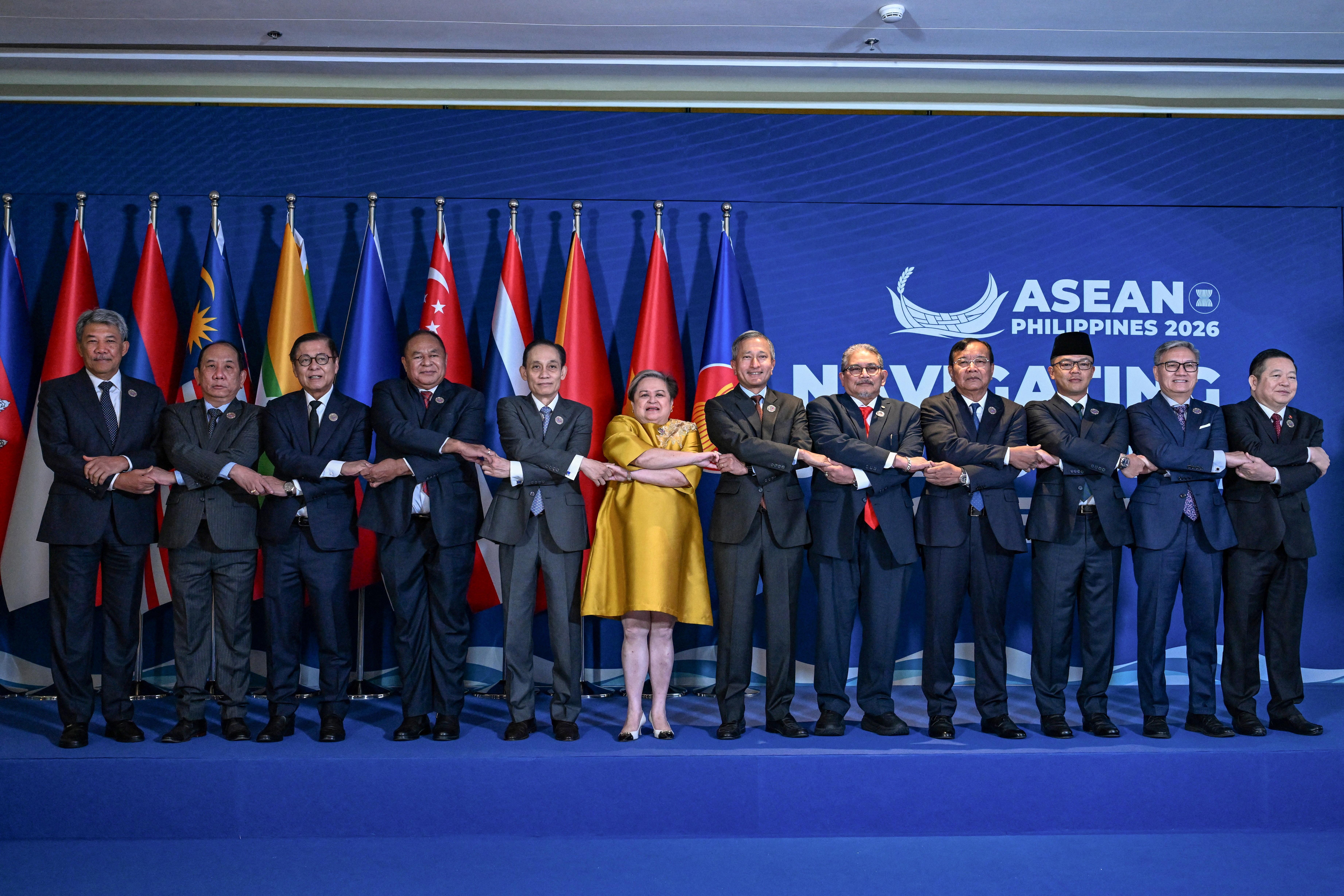
The election, which concluded on Jan 25, has been criticised as an exercise to rebrand army rule.
In China’s richest province, not every city is in the fast lane
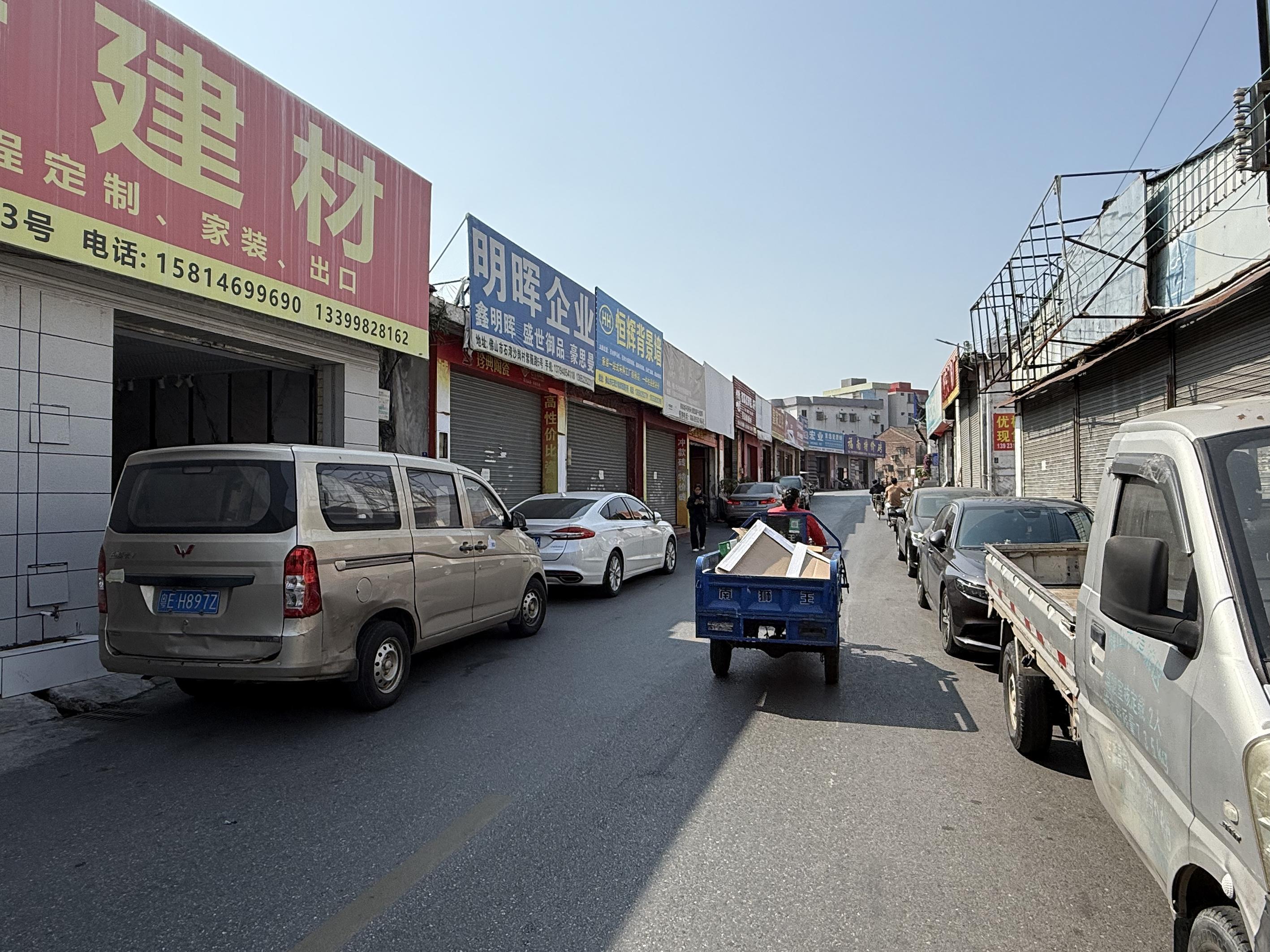
The differing fortunes Foshan and Shenzhen show the challenges of China’s economic transition.
Beijing’s hands may be tied as US scores win in Panama Canal ports ruling
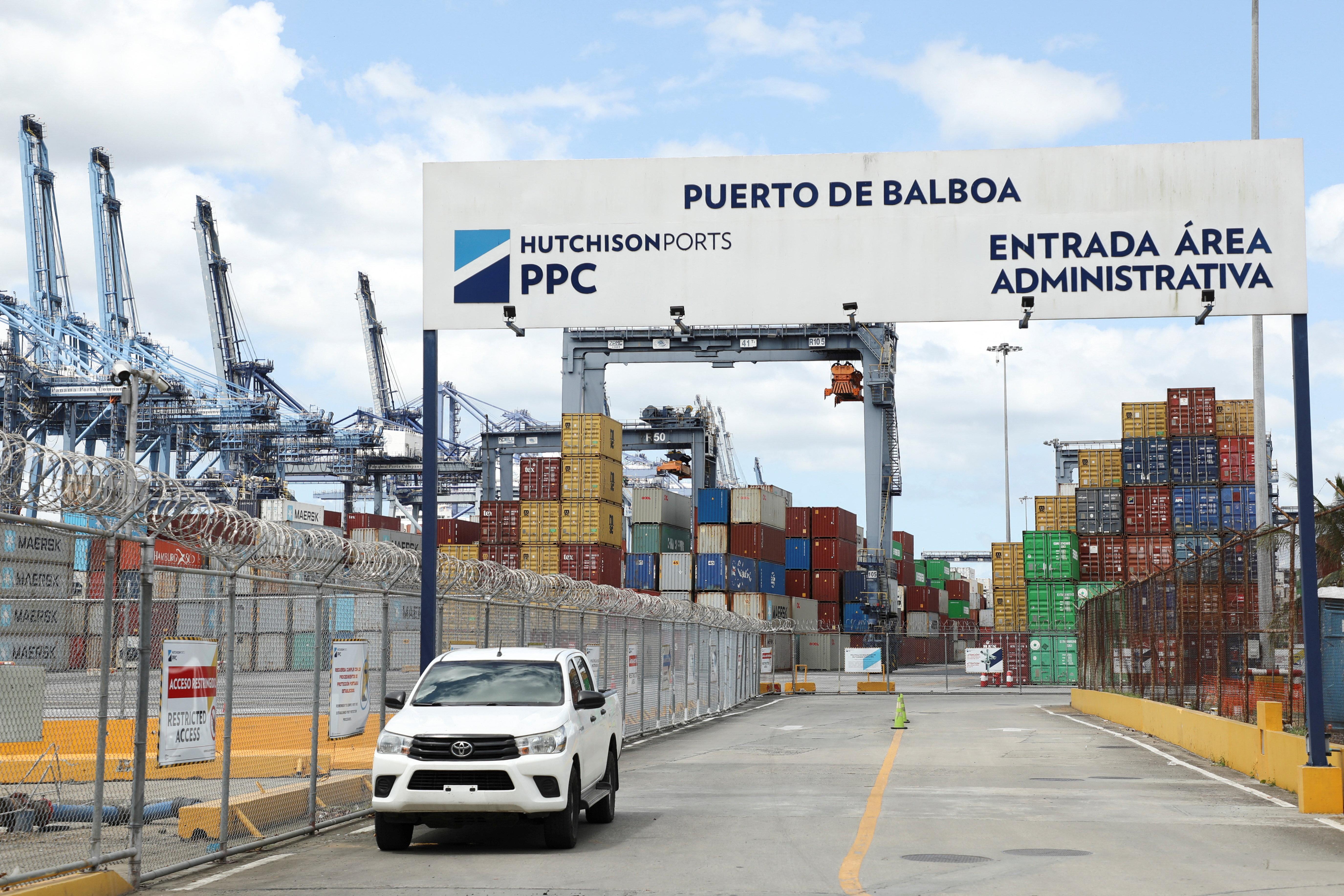
Analysts say China’s options to wrest back CK Hutchison’s control of the Panamian ports are limited.
Australia’s PM walks a diplomatic tightrope in dispute over Chinese-controlled port
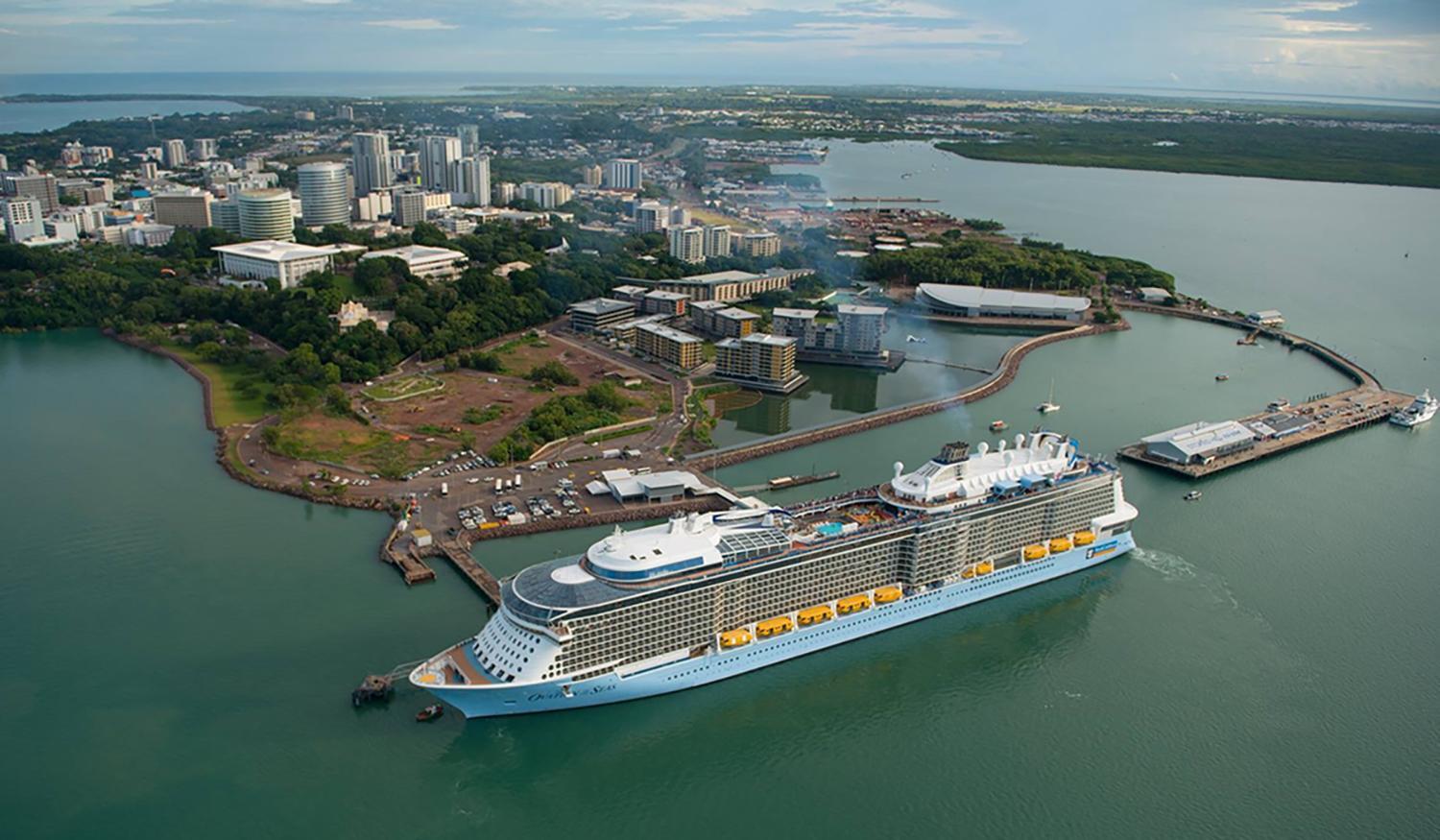
Neither Canberra nor Beijing wants to abruptly end their improving relations, say analysts.
US-India trade deal may repair commerce but not strategic rupture
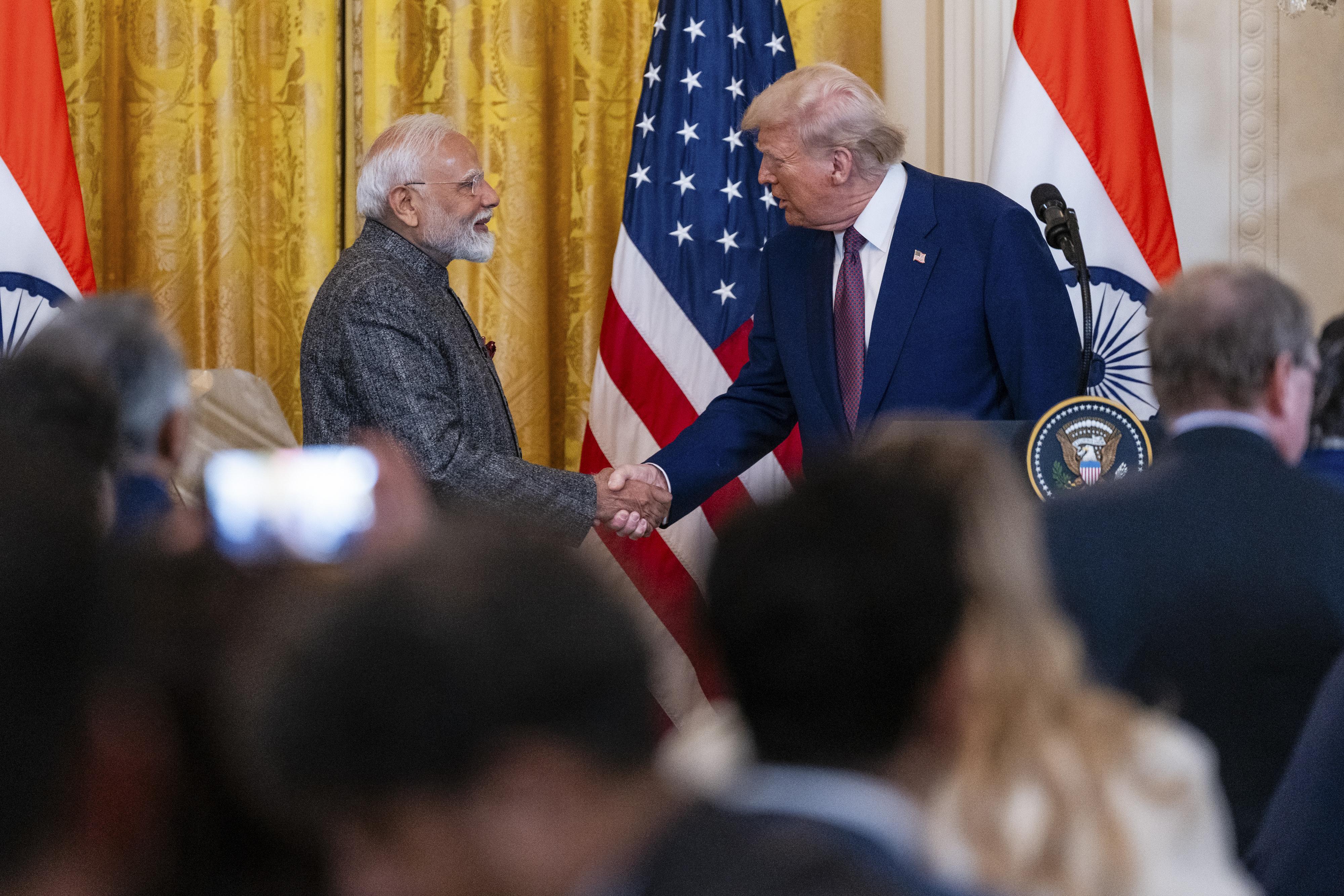
US tariffs on Indian goods will be cut from 50% to 18%, while India will reportedly reduce its tariffs to zero.
High stakes as S. Korea pursues mega Canadian submarine deal

Hindu gym instructor stands up for Muslim shopkeeper in India

The act gives hope against cases of right-wing Hindu vigilante attacks on minorities.
If you received this newsletter from someone, sign up here to get it delivered to your inbox weekly!
If you have any feedback, please drop us an e-mail at st-newsletters@sph.com.sg