
Dear reader,
The past week has seen a slew of significant developments for the Myanmar regime, seeking to negotiate its way out of its pariah status with most of the international community.
First came the Aug 3 release of photos of former leader Aung San Suu Kyi - the “proof of life” that her supporters have been clamouring for, as she marks her 81st birthday and 5.5 years in jail since she was deposed by a military coup led by junta chief Min Aung Hlaing.
It came, hardly by coincidence, on the eve of a speech at the Asean secretariat in Indonesia’s capital Jakarta by Thailand Prime Minister Anutin Charnvirakul, lobbying to bring the strife-torn Myanmar back into the regional grouping. He called for Asean to exercise its principles of consensus and non-interference with “flexibility and pragmatism”.
Two days later, Min Aung Hlaing - now President following what have been criticised as orchestrated elections in December and January - was in Thailand, the second Asean country after Laos to receive him since he became head of state.
To our Indochina bureau chief May Wong, this string of moves aimed at Asean indicates “how strategic, calculated and deliberate” the Myanmar military regime is. “The new administration led by ex-junta leader Min Aung Hlaing is clearly becoming more emboldened by the day with each foreign country that welcomes him.”
The week’s carefully laid plans though was capped by a fit of anger by the regime, which said that it rejects Asean’s special envoy for Myanmar - the key diplomatic interlocutor between both sides.
“Myanmar is of the view that the appointment and the continued role of the new special envoy of the Asean chair are no longer necessary,” it said, in response to a statement by Asean that reiterates a call for Aung San Suu Kyi to be released.
The Asean statement “angered the regime because the military has never liked being told what to do. The regime feels it has made a good gesture to show to Asean - and for Thailand to highlight to Asean - that Myanmar is making progress”, observes May.
What next then?
Myanmar is working within a shrinking window of time to be re-admitted to Asean - from now till year-end when the Asean chairmanship transfers to Singapore, which is holding a firm line on the regime’s release of Aung San Suu Kyi, and its adherence to the grouping’s Five-Point Consensus.
“Min Aung Hlaing may then have to wait till 2028 when Thailand takes chair, but the concern is also whether a new Thai government will then be in place and foreign policy may again be relegated to the backseat under a new administration,” says May.
At the same time, the regime holds other cards, such as multilateral platforms outside of Asean, as well as links with the likes of China, Russia and India.
For Asean, the likes of Thailand believes it's better to re-integrate Myanmar because trade is a push factor. Also, if Asean wants to address crises such as investments, oil and gas, minerals, scams, Myanmar is a key player in all of these vital issues. “Thailand will continue to lobby hard,” predicts May.
Asean has also left itself some wiggle room. It has not laid down timelines or specific measurables within a broad framework. “So anything under that Five Point Consensus can be considered progress,” says May.
“Sending in more aid trucks will be progress. More dialogue sessions with willing groups will be progress. Not bombing villages will be progress.
“So this is the opening that Asean has left for both sides.”
For May, who started reporting on Myanmar in 2013 and has interviewed both Min Aung Hlaing and Aung San Suu Kyi, the current situation illustrates how the military commander is playing the long game. Over the years, he has “stuck to a constant and consistent messaging”.
Beyond the strife, he has focused on marketing Myanmar to the outside world as a place for investments, a country with abundant untapped natural resources situated in an ideal geographical location.
In a glitzy ballroom in Bangkok, with some 700 Thai business leaders and investors listening, he painted a picture of the Myanmar he governs as one of opportunities.
It is a growing narrative even as its people continue to grapple with a civil war and its fallout, with no end in sight.
As usual, I leave you with a selection of our correspondents’ articles.
___________________________________________________________________________
South Korea’s dog meat restaurants face their final ‘dog days’
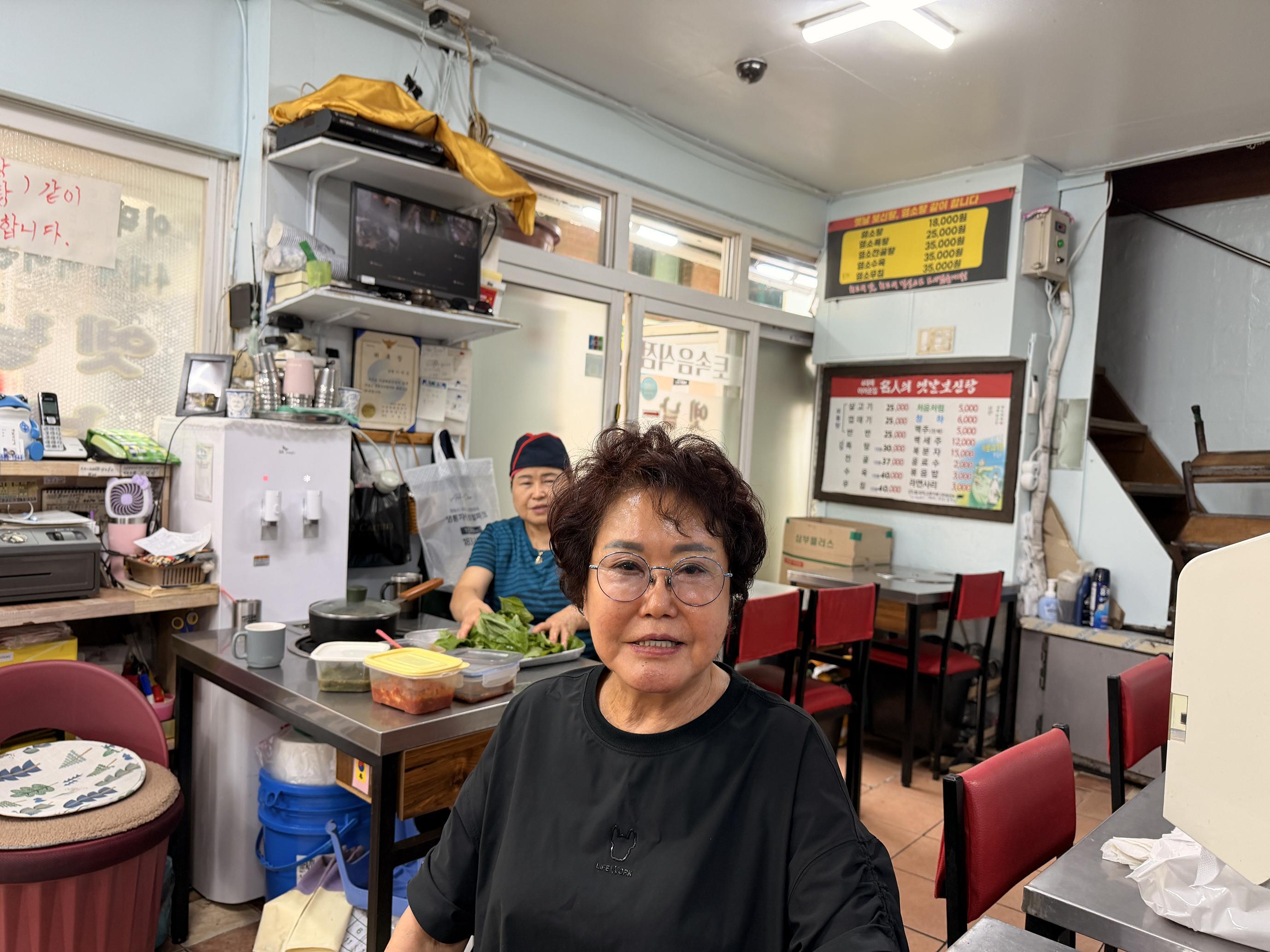
The ban on breeding, slaughter and sale of dogs for meat takes effect in February 2027.
Who decides what is fake news in the Philippines?
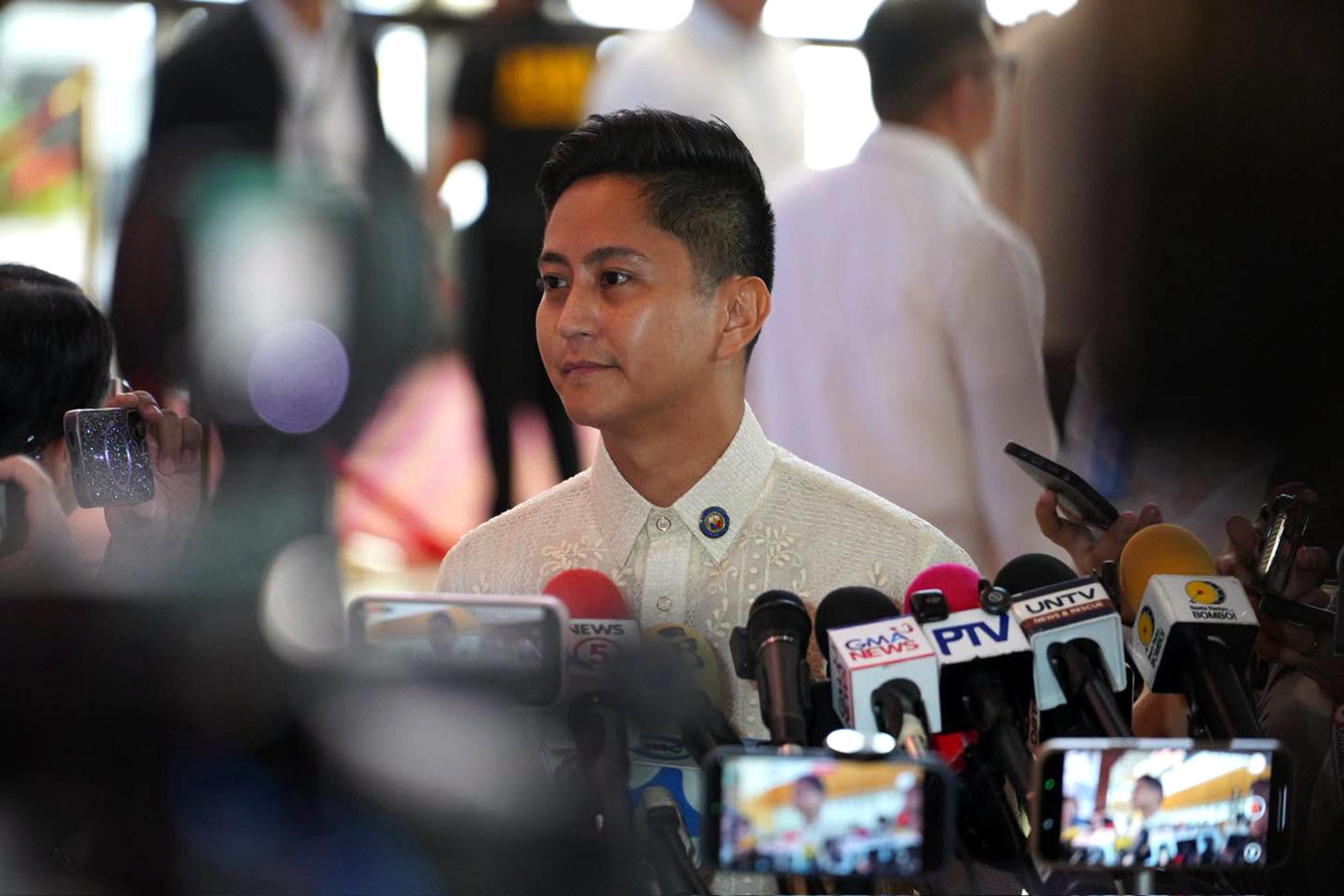
Journalists and civil society advocates are urging the Senate to reject an anti-fake news Bill.
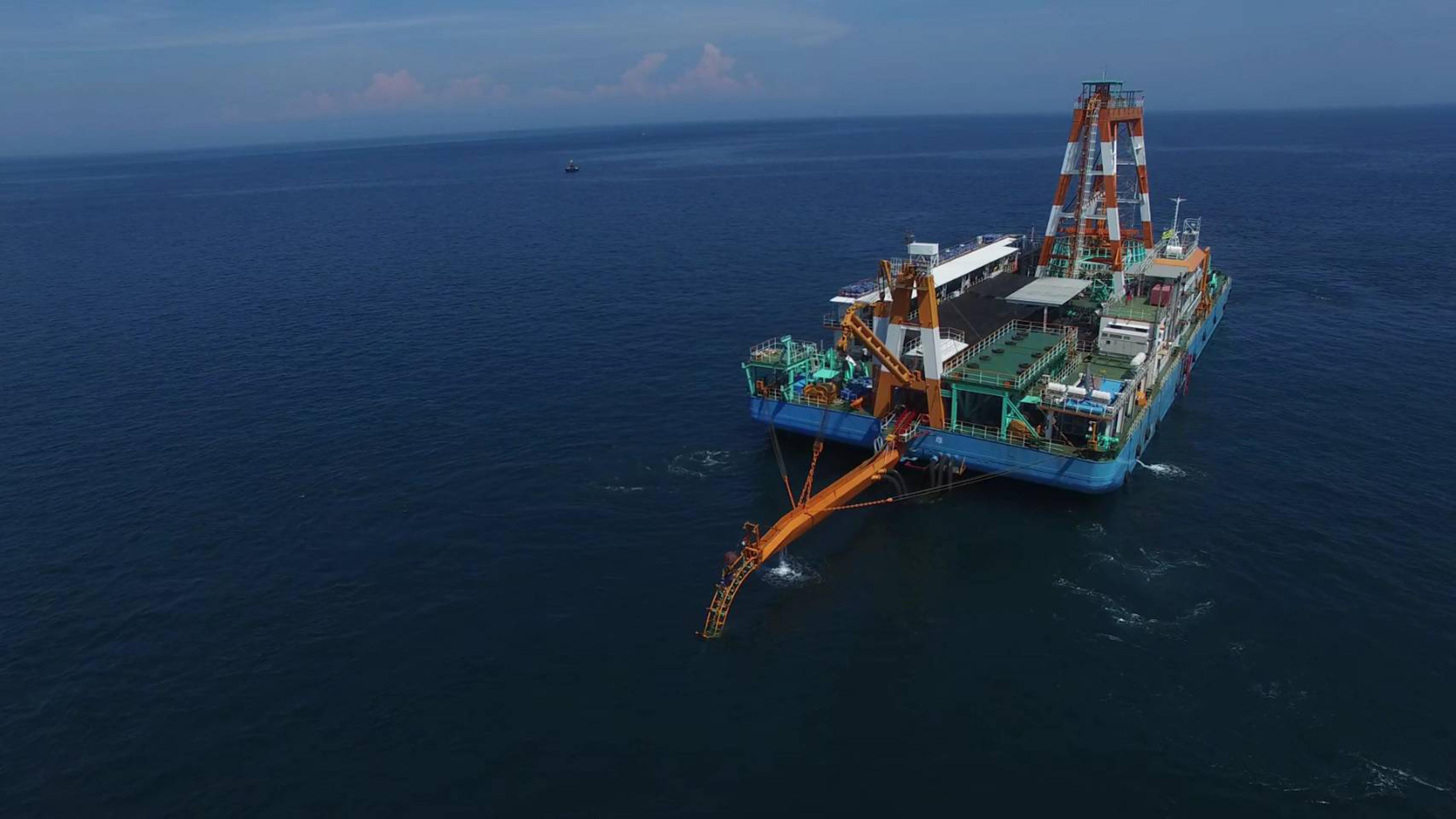
Submarine cables in Australia, Indo-Pacific face growing attack risk: Report
‘Mecca Pact’ hedges against US defence limits
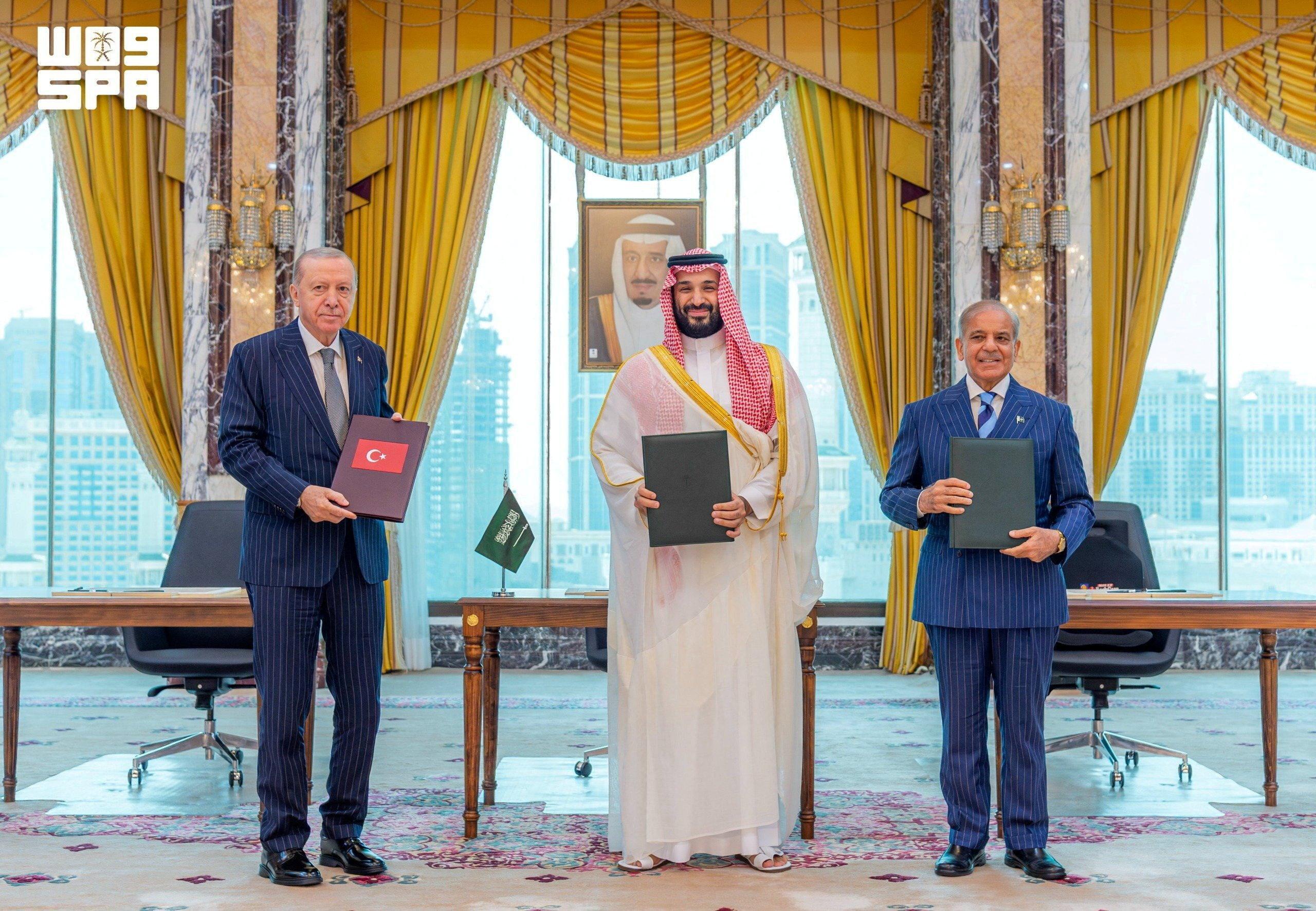
The pact creates a framework for Saudi Arabia, Pakistan and Turkey to potentially form a defence industry.
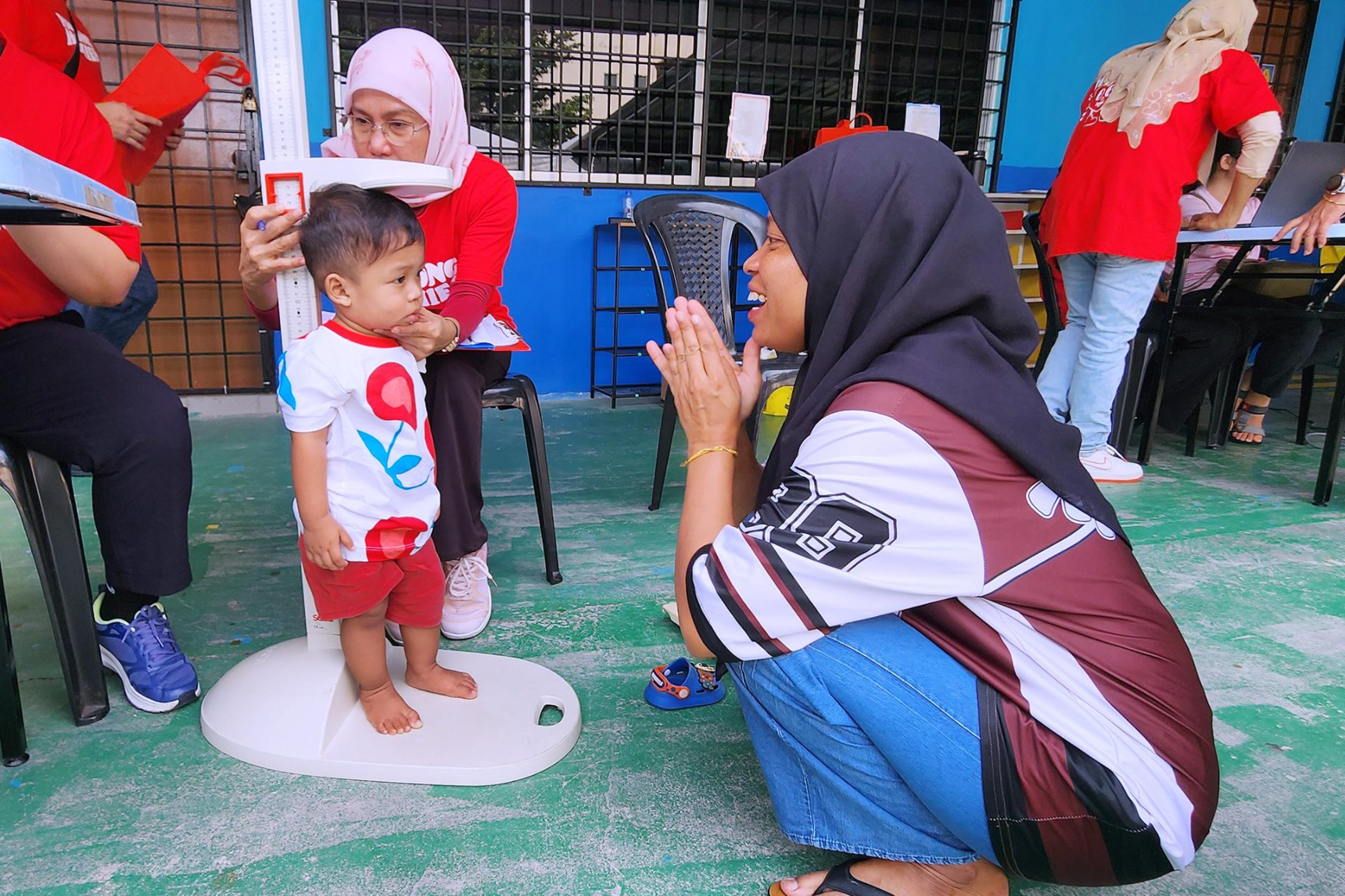
Malaysia is getting richer. Why are so many of its children still stunted?
Are ‘dumb gym bros’ ruining the image of one of India’s most popular SUVs?
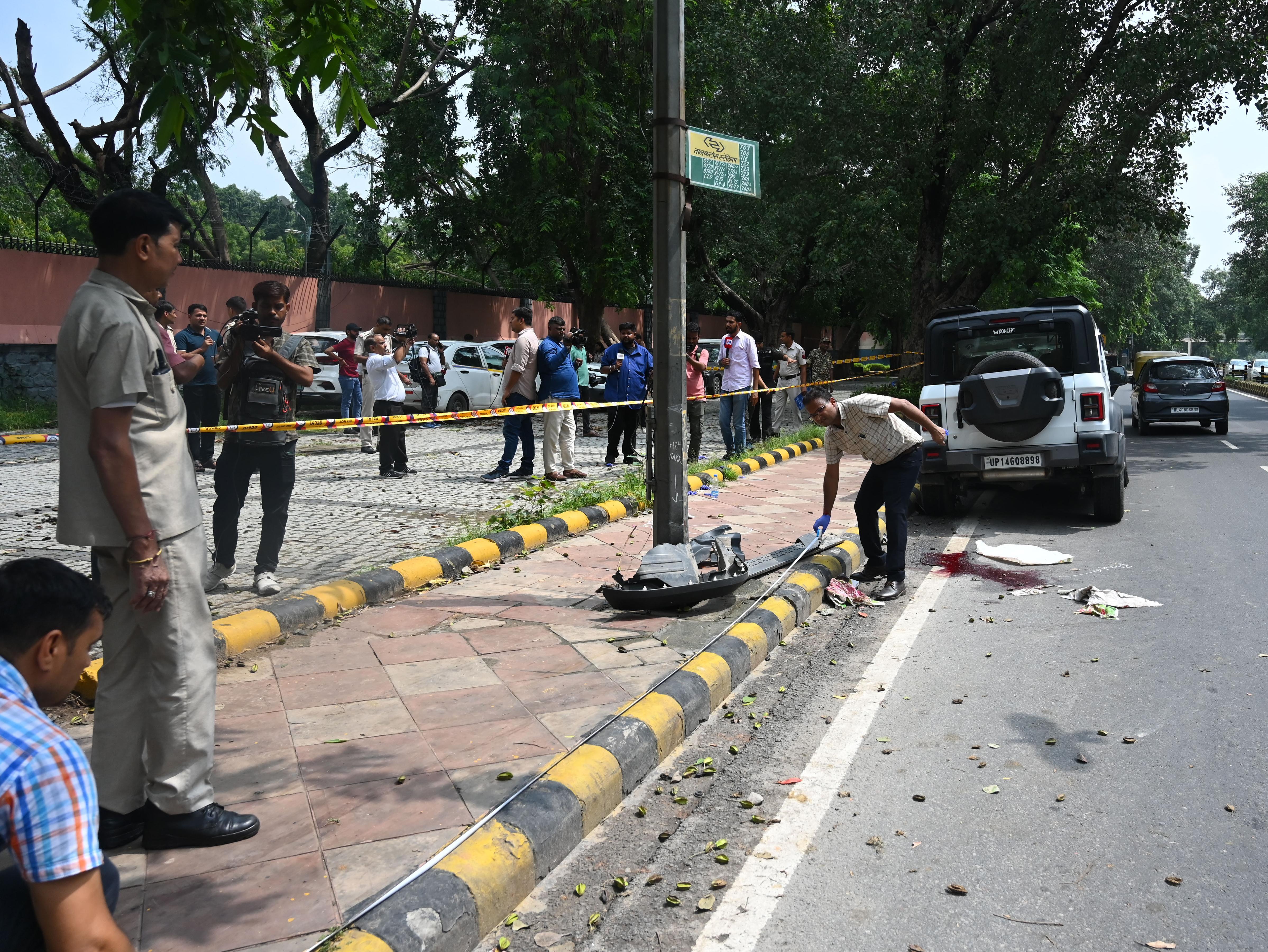
The Mahindra Thar SUV's affordability is turning out to be a double-edged sword for the brand.
Army of young turning from dividend to drag for India’s ruling party
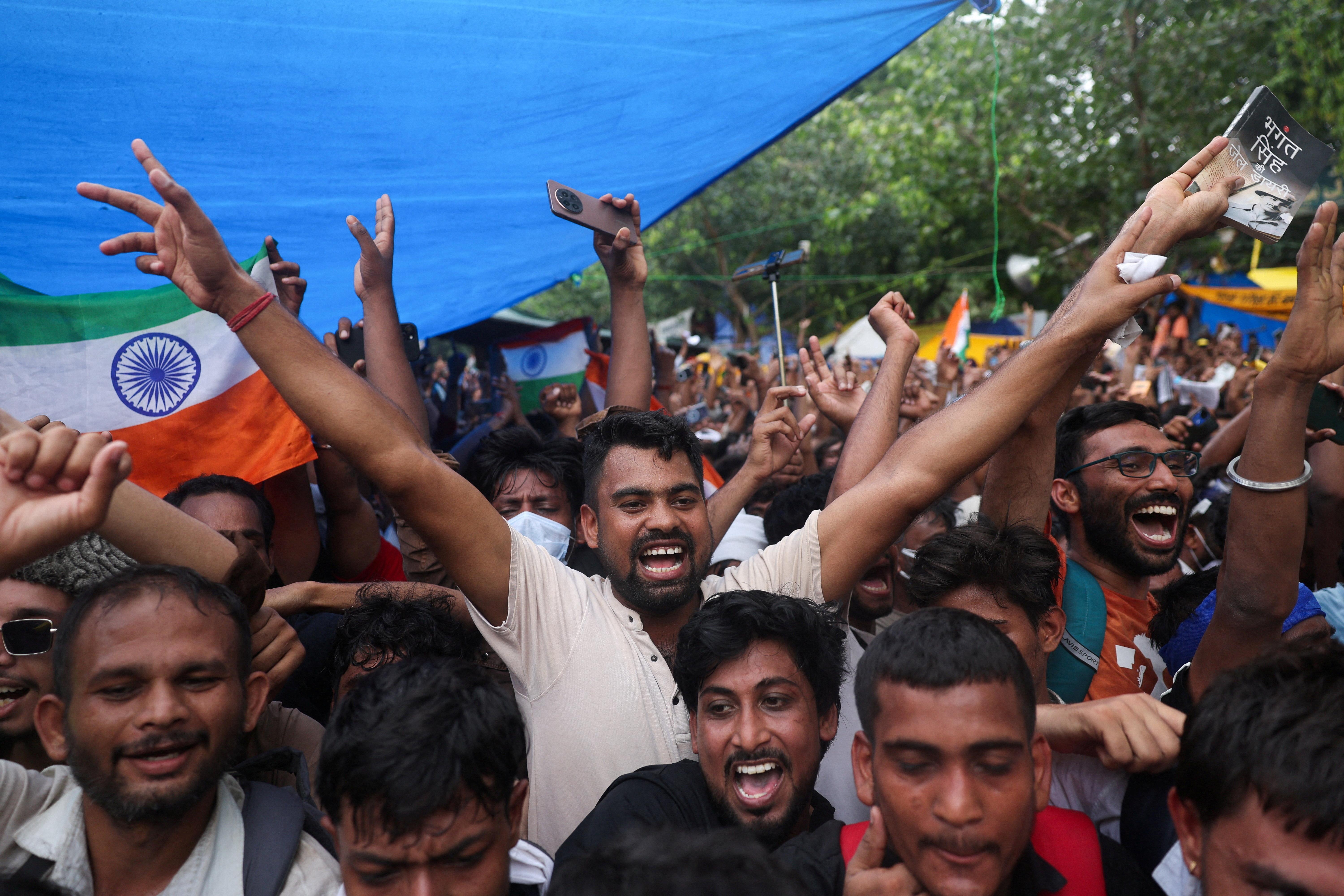
Large-scale protests by India's disillusioned youth could signal the start of difficult days for Modi’s party.
S’pore firms ink new deals in Liaoning as China’s rust belt seeks economic turnaround
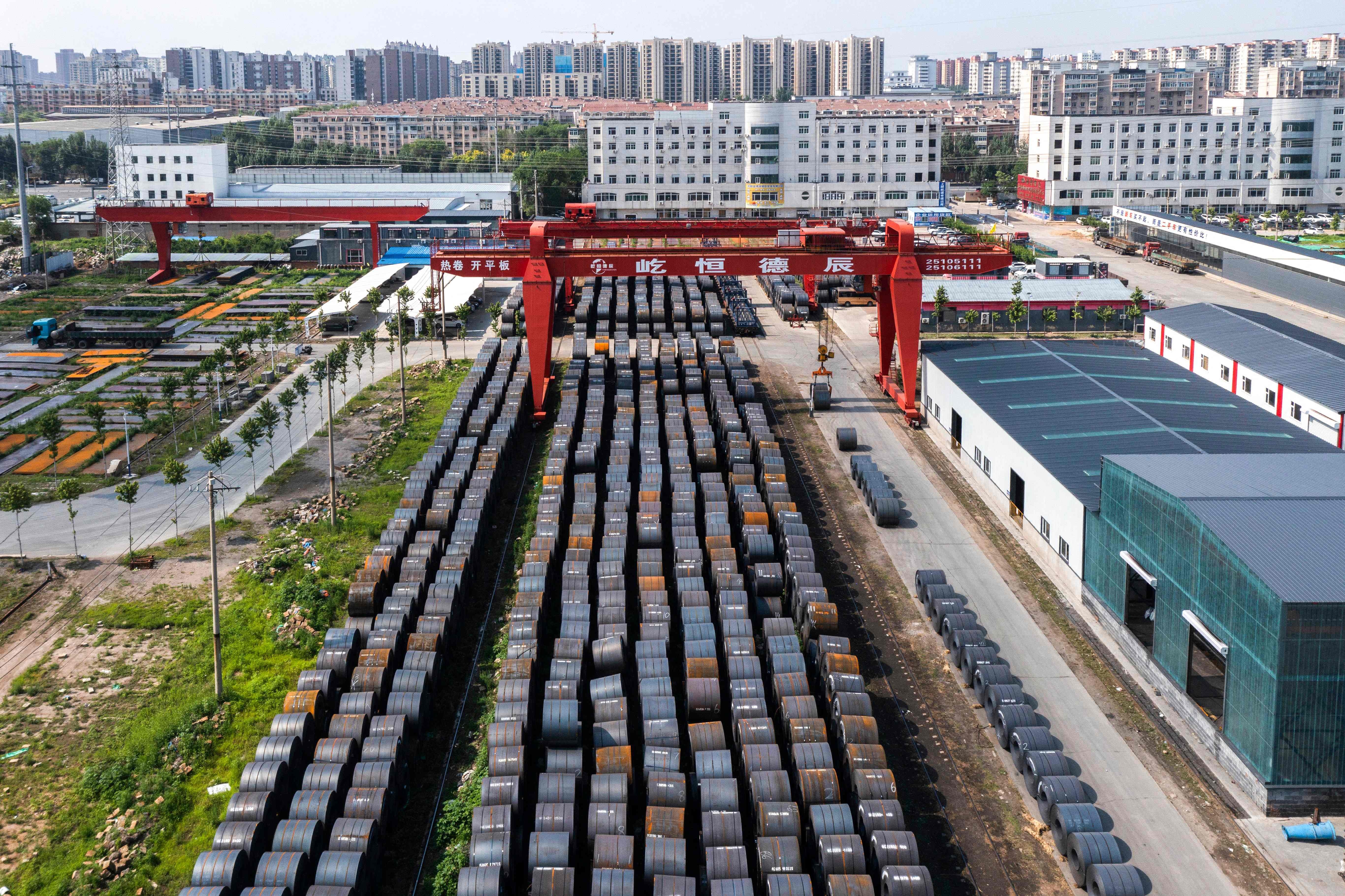
Political leaders from Singapore and Liaoning touted the business prospects arising from a push to revitalise the area.
If you received this newsletter from someone, sign up here to get it delivered to your inbox weekly!
If you have any feedback, please drop us an e-mail at st-newsletters@sph.com.sg