
Dear reader,
A bus conductor, a sari shop assistant and an e-rickshaw rider were among the 13 who died in New Delhi on Nov 10, when a white car detonated in its historic old quarters popular with both locals and tourists.
It was the deadliest attack on India’s capital city in 14 years.
The Straits Times’ India bureau chief Nirmala Ganapathy arrived at the scene shortly after the incident and spoke to witnesses. But this was soon superseded by another development. Across the border in Pakistan, another blast went off killing 12. This is now pinned on India.
As developments continue to unfold, here is Nirmala’s take on the situation.
What was the scene like at the site after the blast and at the hospital?
At the site, the familiar hustle and bustle of Old Delhi, where there usually is little space even for pedestrians to manoeuvre, was missing. The area is a shopping hub and popular for its street food and eateries.
Still, less than 24 hours after the blast, shopkeepers had started to stir, determined to get back to their routine. One told me life had to go on.
At the mortuary, it was heart-wrenching. Shocked family members identified their loved ones and completed formalities.
People are unnerved by the attack but are showing resilience – a trait built up over years of living under the shadow of terror strikes. The last major attack in the capital was in 2011. The explosion came as a jolt for many residents who had thought the days of such attacks were behind them and confined to the restive border regions like Jammu and Kashmir.
What do we know so far about the perpetrators and who they are connected to?
Much is still unclear, but the police are investigating links between the blast and a terror cell busted shortly before the incident, sources are telling the Indian media. The police had seized rifles and 2,900kg of bomb-making material that included inflammable substances, electronic circuits, remote controls and batteries.
The cell is called a “white-collar terror ecosystem” because it included five doctors, all Muslims, three of whom are from Kashmir.
What concerns are there about the security situation in India and the broader region?
Analysts note that this is an instance of an attack that slipped through the counter-terror operations net. It is also a sobering reminder that major cities remain vulnerable, and the Delhi blast would have resulted in more casualties if it had happened on a weekend.
The question is now whether the incidents will once again slowly push the two countries towards another military confrontation. So far, India’s response has been measured, even as Pakistan has accused it of involving their so-called proxies in Afghanistan in the Islamabad blast.
But if Indian investigators find a credible Pakistani link, domestic pressure on Prime Minister Narendra Modi to give a strong response will deepen. It then remains to be seen whether any response will be restricted to diplomatic steps or go beyond, possibly resulting in another military engagement.
India will also have to factor in Pakistan’s growing importance to the United States. Also, New Delhi would be wary of US President Donald Trump injecting himself into any India-Pakistan confrontation.
Are there worries that this episode could exacerbate communal tensions, and are Muslim Indians worried about backlash?
There is a sense of unease. There are social media accounts that have started explicitly blaming the Muslim community for terror activity in the country.
Polarisation, which is already deep, could worsen – even though many Muslim organisations have condemned the blast and expressed solidarity with the victims.
Nirmala and our colleagues in the India bureau will continue to keep us updated on the latest.
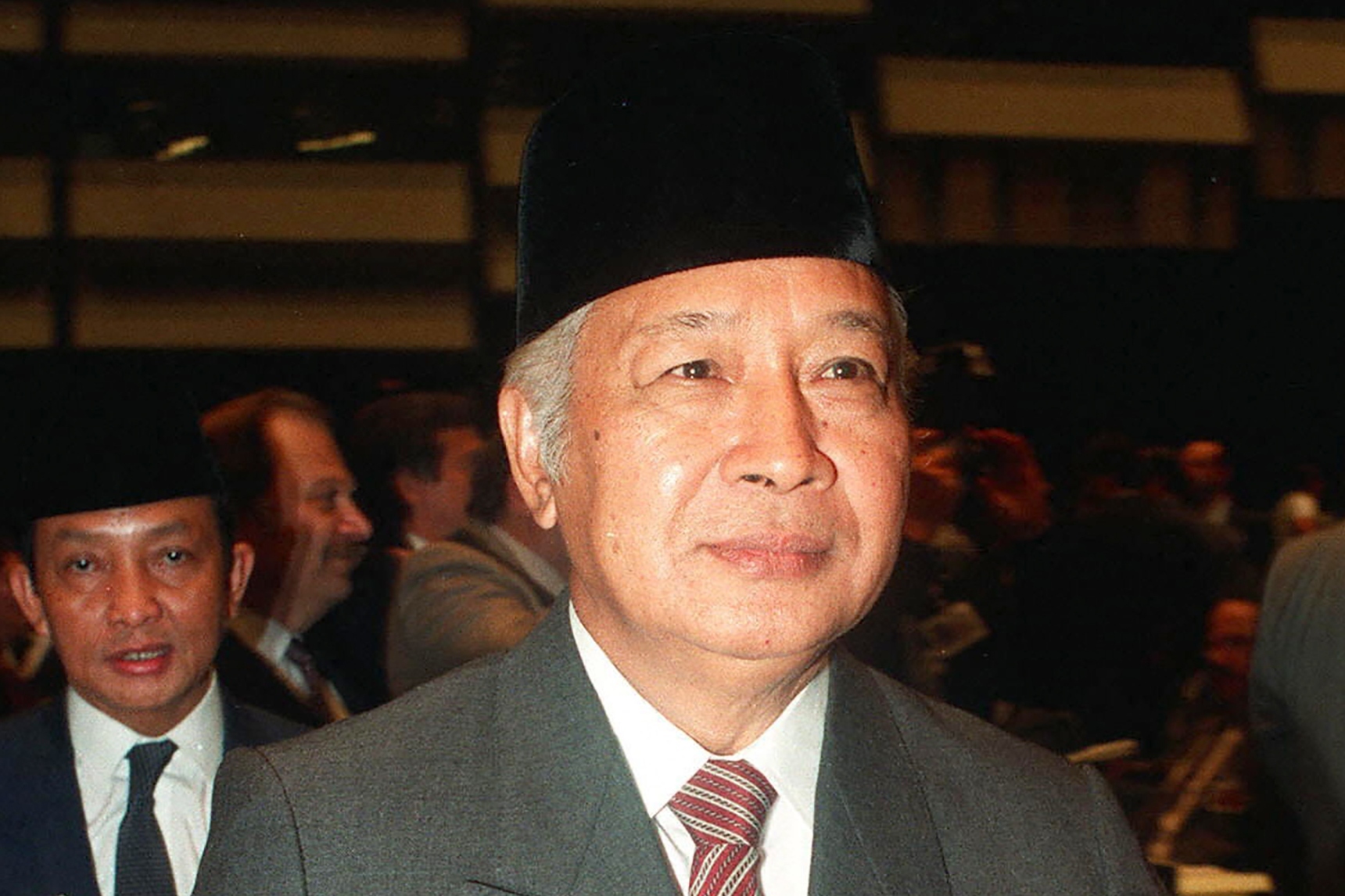
Prabowo gives Suharto national hero honour, reopening old wounds
Lynas’ projects will help KL be vital cog in rare earth supply chain
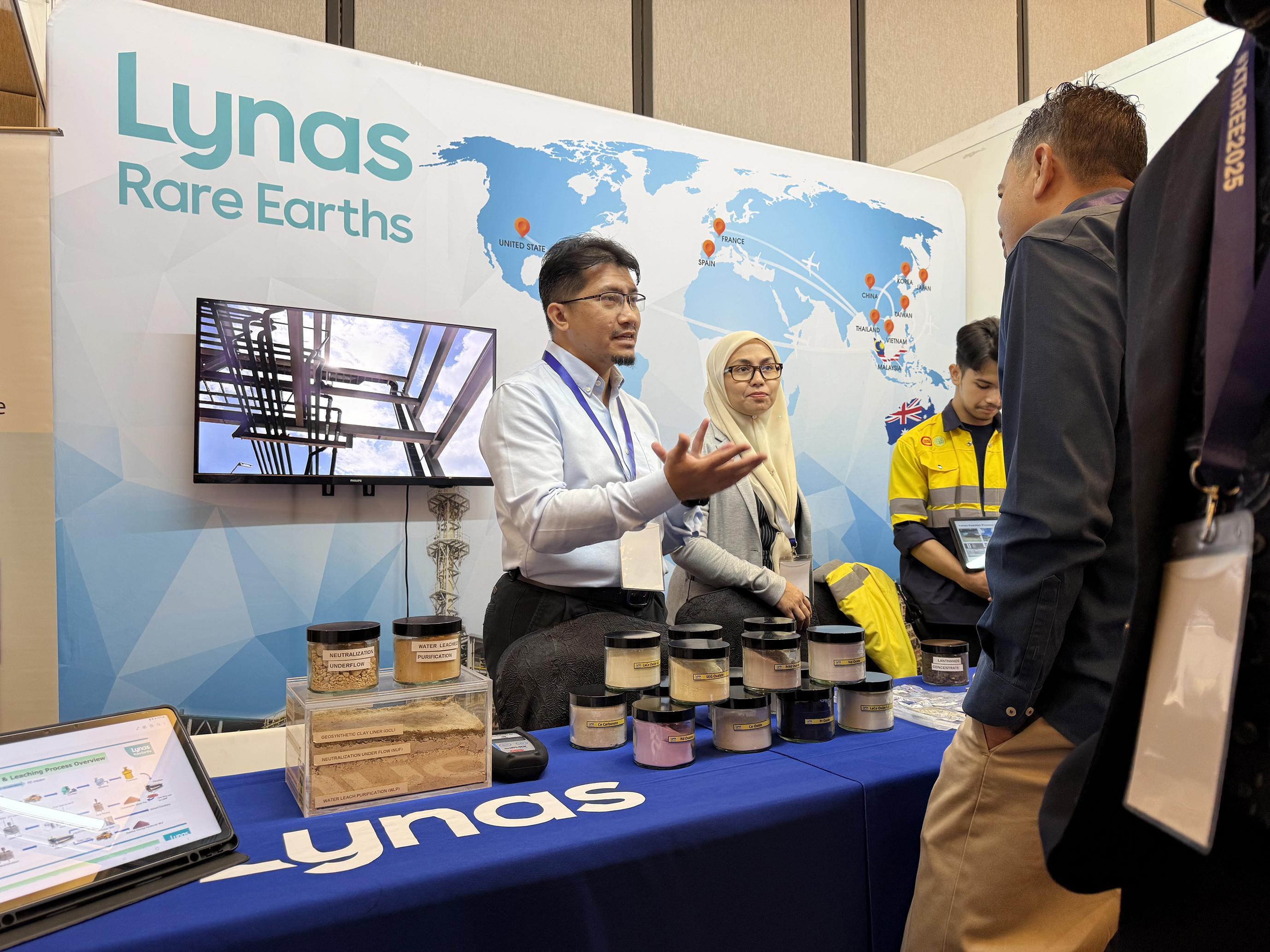
This comes after China’s export controls caused a global supply crunch in rare earths.
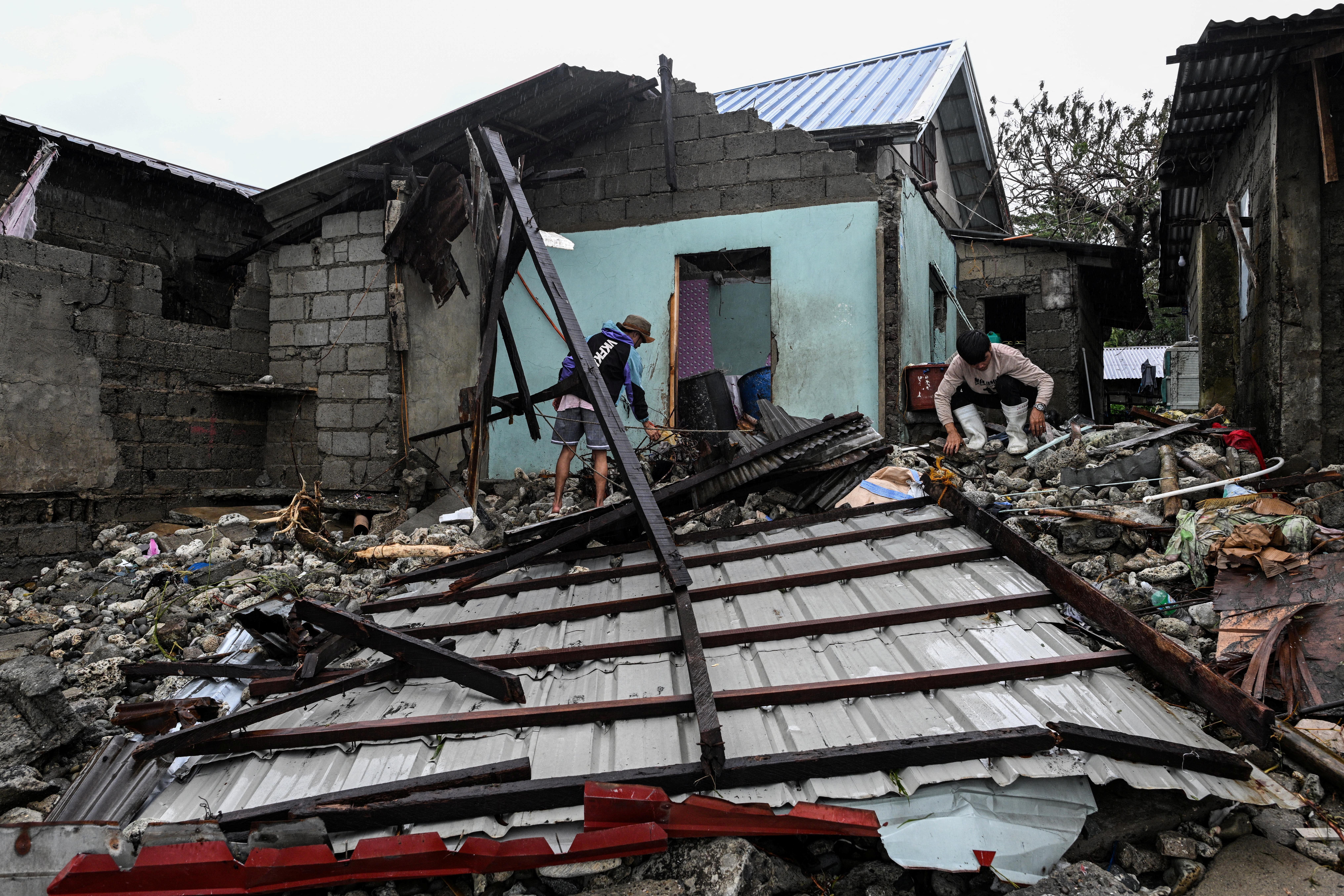
Two typhoons a test of Philippine resilience as Fung-wong claims 25 lives
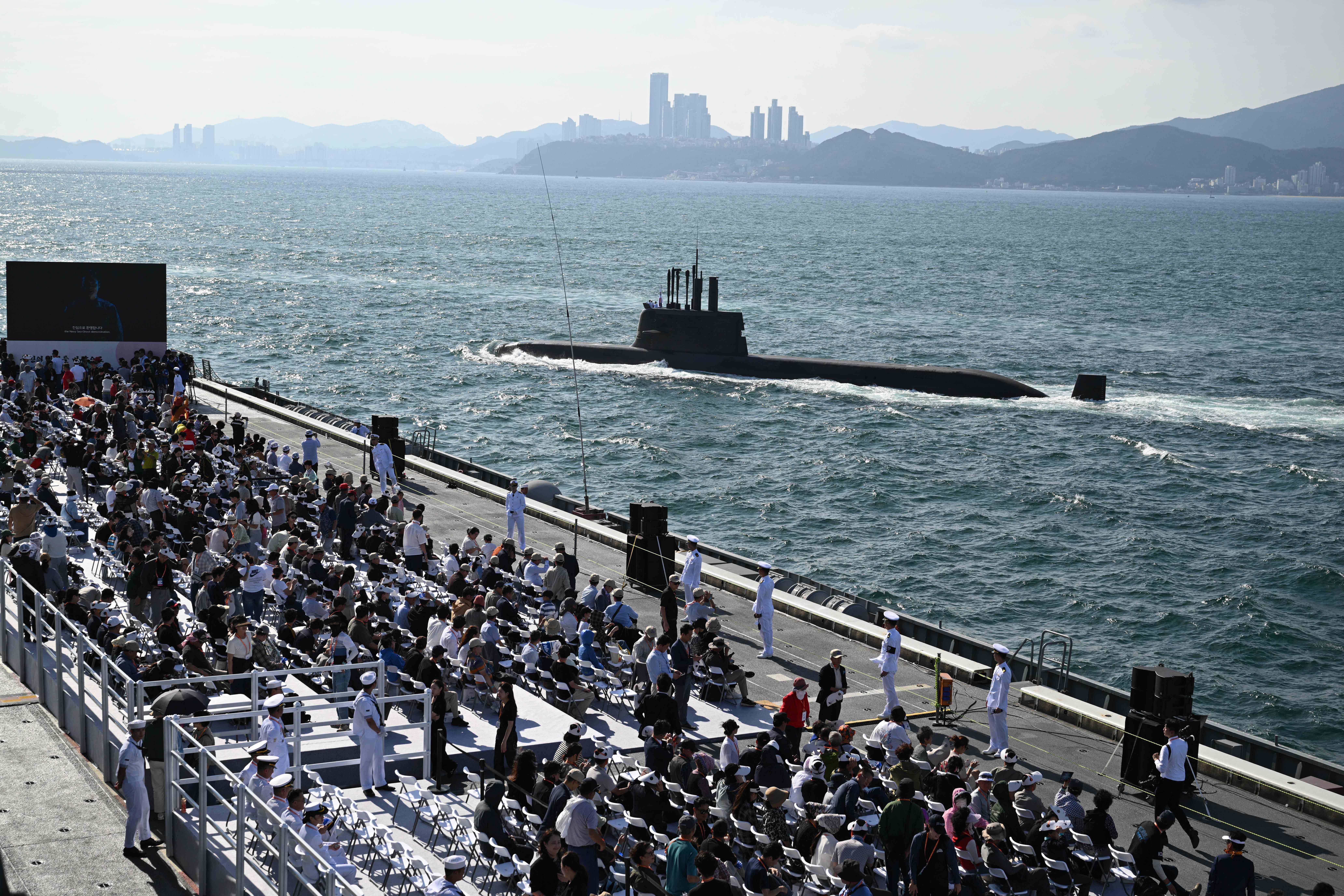
US allowing South Korea to build nuclear sub could destabilise region: Experts
Are HK’s ‘stressful’ pre-school interviews helpful or harmful?
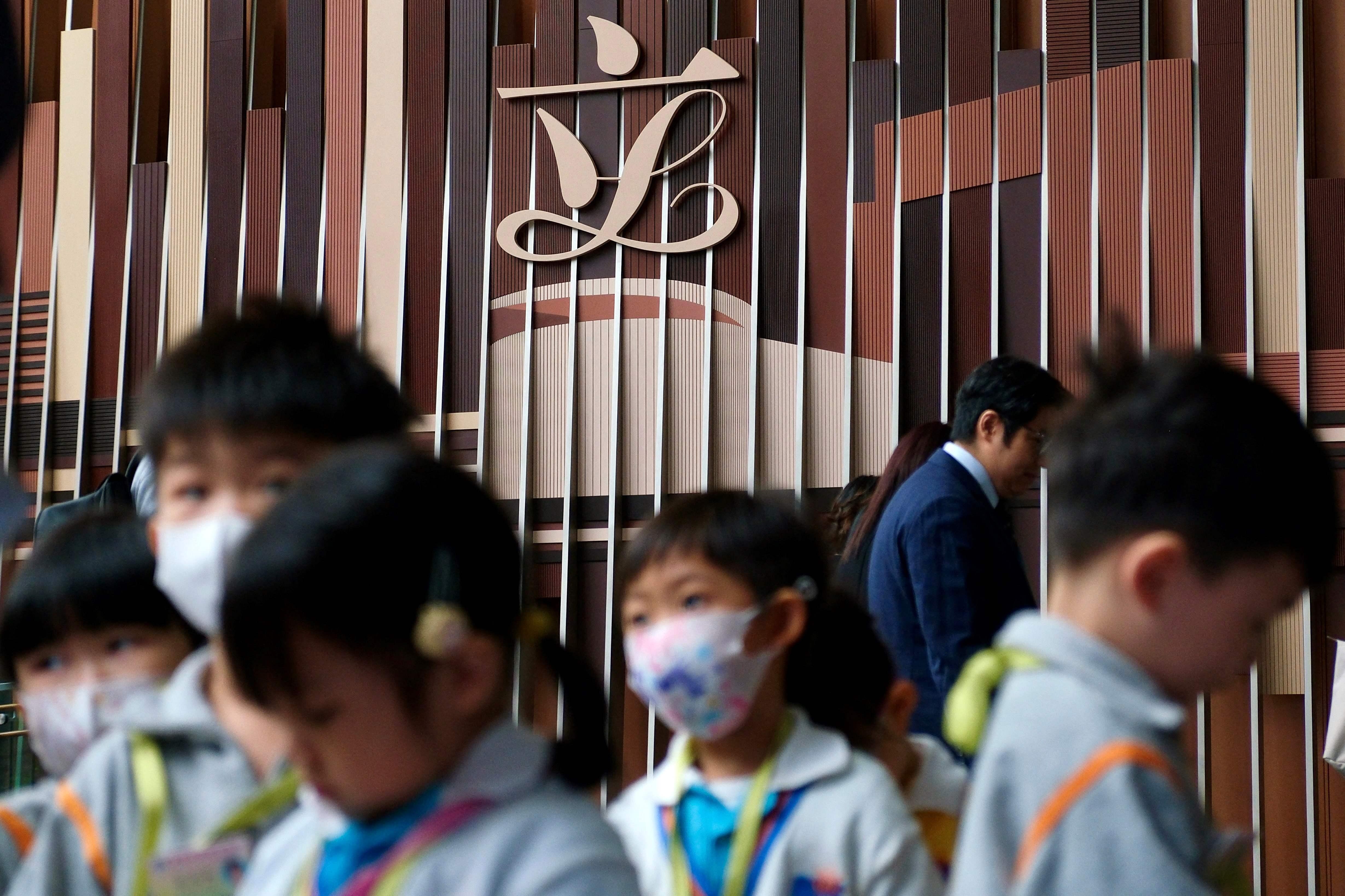
There are concerns it pigeonholes children too early on in life and perpetuates inequalities.
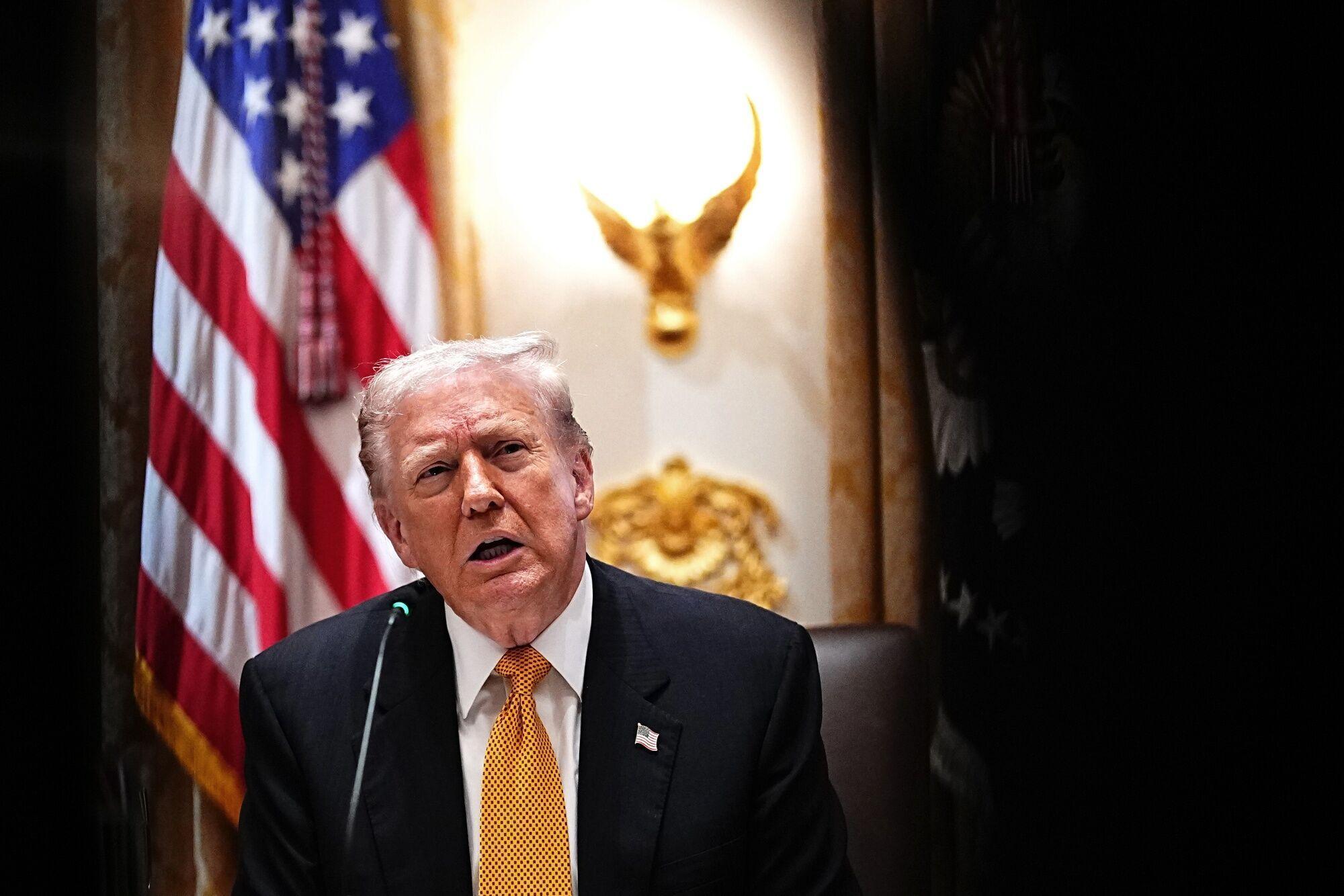
The Trump blitzkrieg is running into resistance
Kerala govt’s claim to have eradicated extreme poverty raises eyebrows
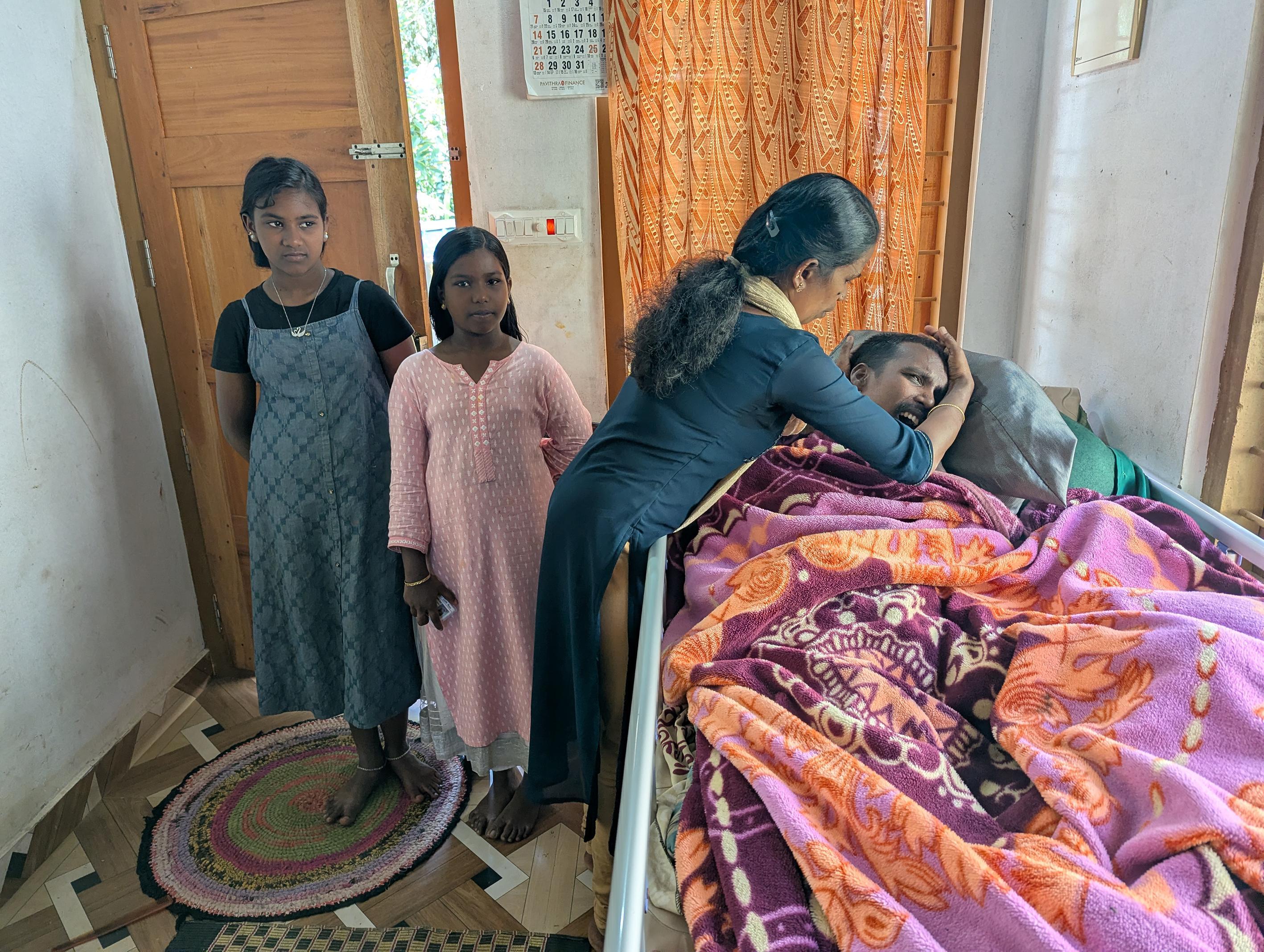
The Indian state has pulled thousands out of destitution, but its claim draws criticism.
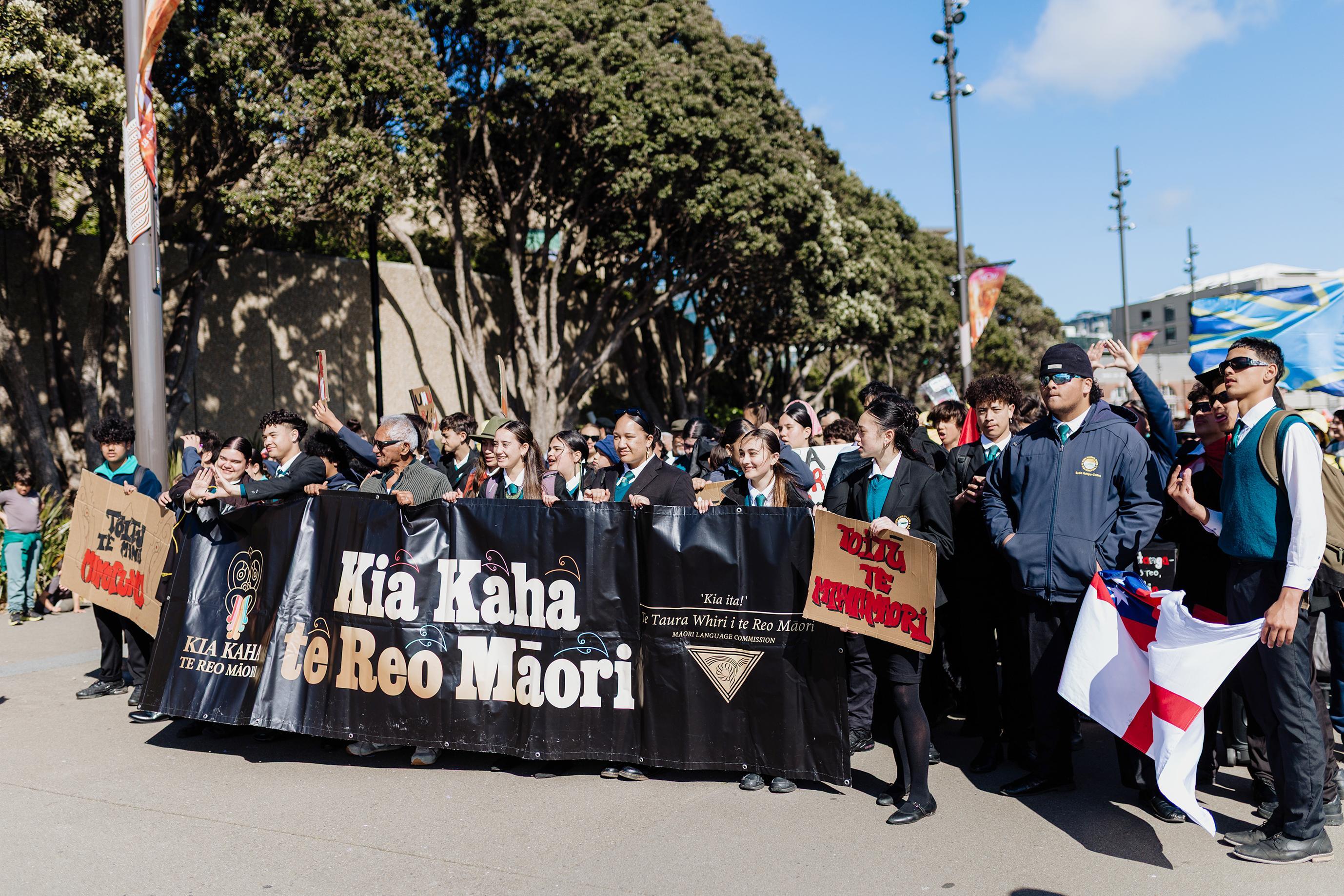
Kia ora! Once facing extinction, the Maori language is enjoying a revival in NZ
If you received this newsletter from someone, sign up here to get it delivered to your inbox weekly!
If you have any feedback, please drop us an e-mail at st-newsletters@sph.com.sg