
Asian Insider: Malaysia Edition helps you connect the dots on the biggest stories playing out in Malaysia every week. Sign up here to get the newsletter in your inbox.
My Mac mini started misbehaving at the beginning of the year - restarting on its own, stalling and sometimes losing track of other connected devices. My hard drive is nearly full — of work documents, I swear! — so it’s probably time for an upgrade.
Or not. Getting a new unit with the same features would cost me about 20 per cent more than what I had paid five years ago.
This is hard to swallow, given that Macs are not cheap to begin with. But it is much worse for PC users, especially those who need top-of-the-line specs for gaming or video editing. They have to pay 50 to 200 per cent more, depending on whether they are buying new computers, or upgrading their RAM (Random Access Memory, which processors need to store active code and data).
The rise in cost is sparked by a cataclysmic shortage of memory, all thanks to the advent of artificial intelligence applications. Now, all the world’s memory chip makers are pivoting to the far more lucrative business of making super-fast chips rather than consumer-grade ones.
Depending on which tech enthusiast you speak to, welcome to the RAMpocalypse, or RAMageddon.
But the silver lining for Malaysia is that its semiconductor sector is going gangbusters, with order books for firms that are part of the memory chip supply chain already filling up for 2027. This would mean more investments, more jobs and a boost to the economy.
This pros-and-cons narrative is in nearly every trade story. Yes, the crisis over the Strait of Hormuz has generated global anxiety over energy security, but Malaysia is among several Asian producers that could be big winners from a broader adoption of biofuels.
On a more micro level, the Johor Bahru-Singapore Rapid Transit System (RTS) set to launch in 2027 is seen broadly as a boon for the Malaysian state’s economy. But with an estimated RM10 billion urban rail system not expected to be ready until at least 2030, local residents are bracing themselves for existing congestion to worsen in the near future.
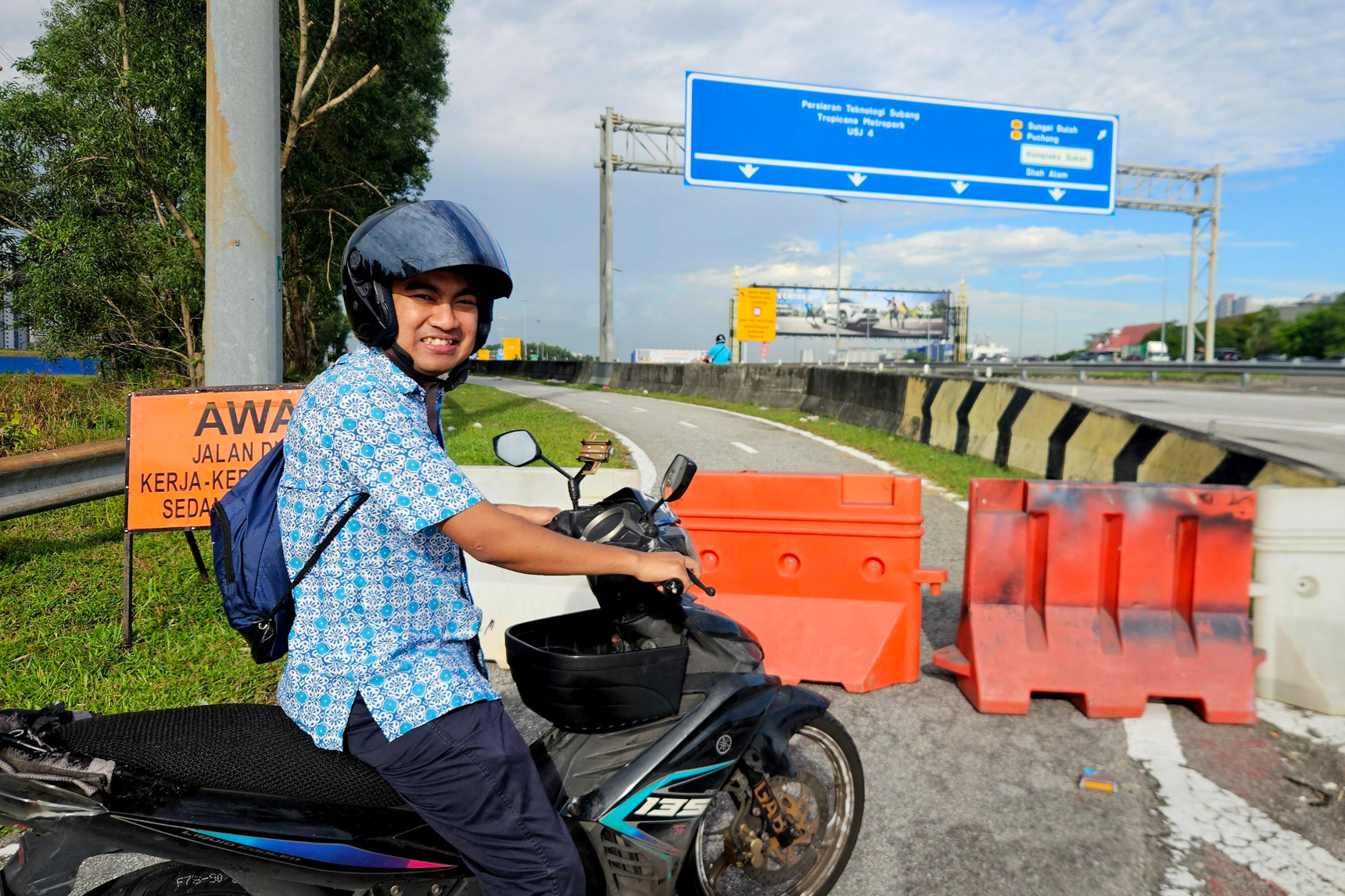
Such traffic woes are also pushing many Malaysians to opt for motorcycles instead of cars. As two-wheeled motorists in the Klang Valley told ST correspondent Lu Wei Hoong, their monthly expenditure on fuel is lower than the heavily-discounted RM50 public transport monthly pass.
Motorcyclists may enjoy plenty of savings, but perhaps at the cost of their own safety. They make up two-thirds of over 6,000 people who die on Malaysian roads each year.
Things, however, might soon change. While Prime Minister Anwar Ibrahim has insisted that Malaysia’s fuel supply is adequate at least up to July, rising costs may force his government to slash huge subsidies that make motorcycles a no-brainer for many.
In the end, this is what an economy is, a mix of incentives and deterrents from which participants must make choices that suit them the most.
Making sense of the choices Malaysians make is at the heart of what we do at The Straits Times’ Malaysia bureau. If some of these decisions befuddle you, let us know. For now, I will be agonising over whether to get that new Mac mini!
Who are the five in the race to succeed PM Anwar?

An election in Malaysia is due only in 2028 but contenders are already plotting their way to the top.
RTS set to start in 2027, but JB residents are bracing themselves for ‘years’ of congestion
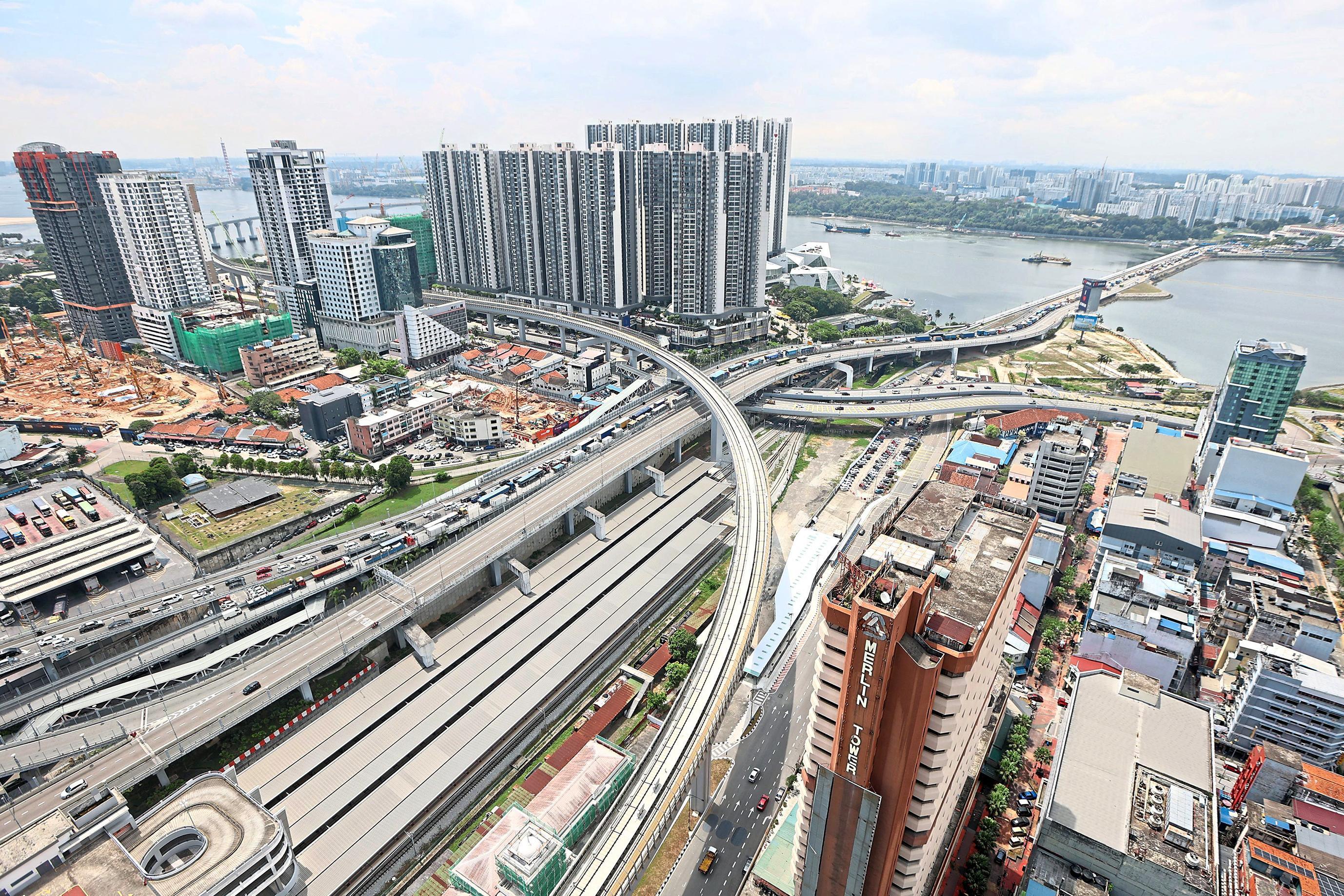
Experts warn that poor feeder transport from the train station will shift Causeway jams deeper into Johor.
Penang chipmakers cheer soaring demand even as gamers feel the pain
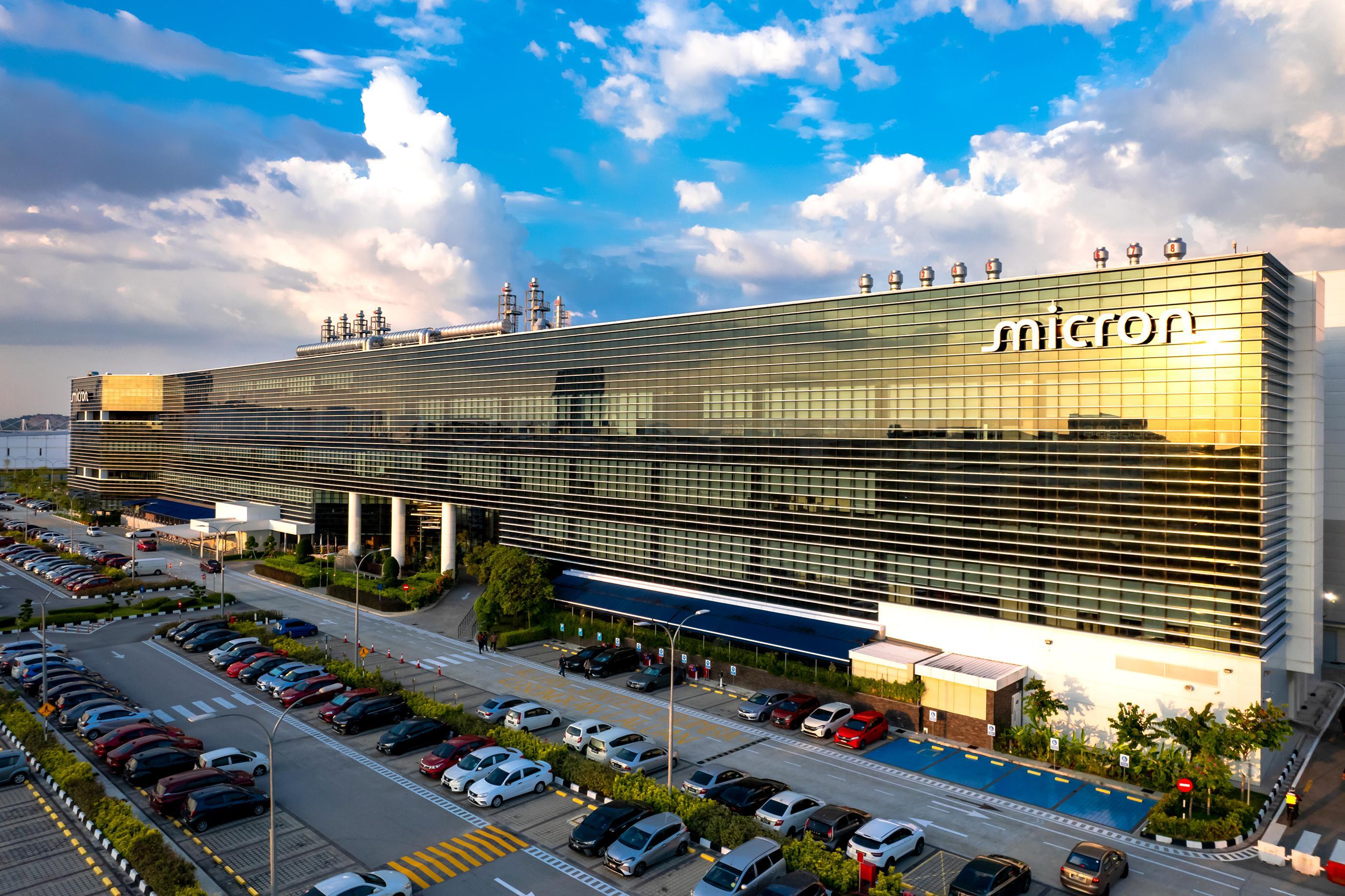
Malaysia’s chip sector, particularly Penang, is banking on new AI-driven memory demand.
Johor looks across Causeway for inspiration
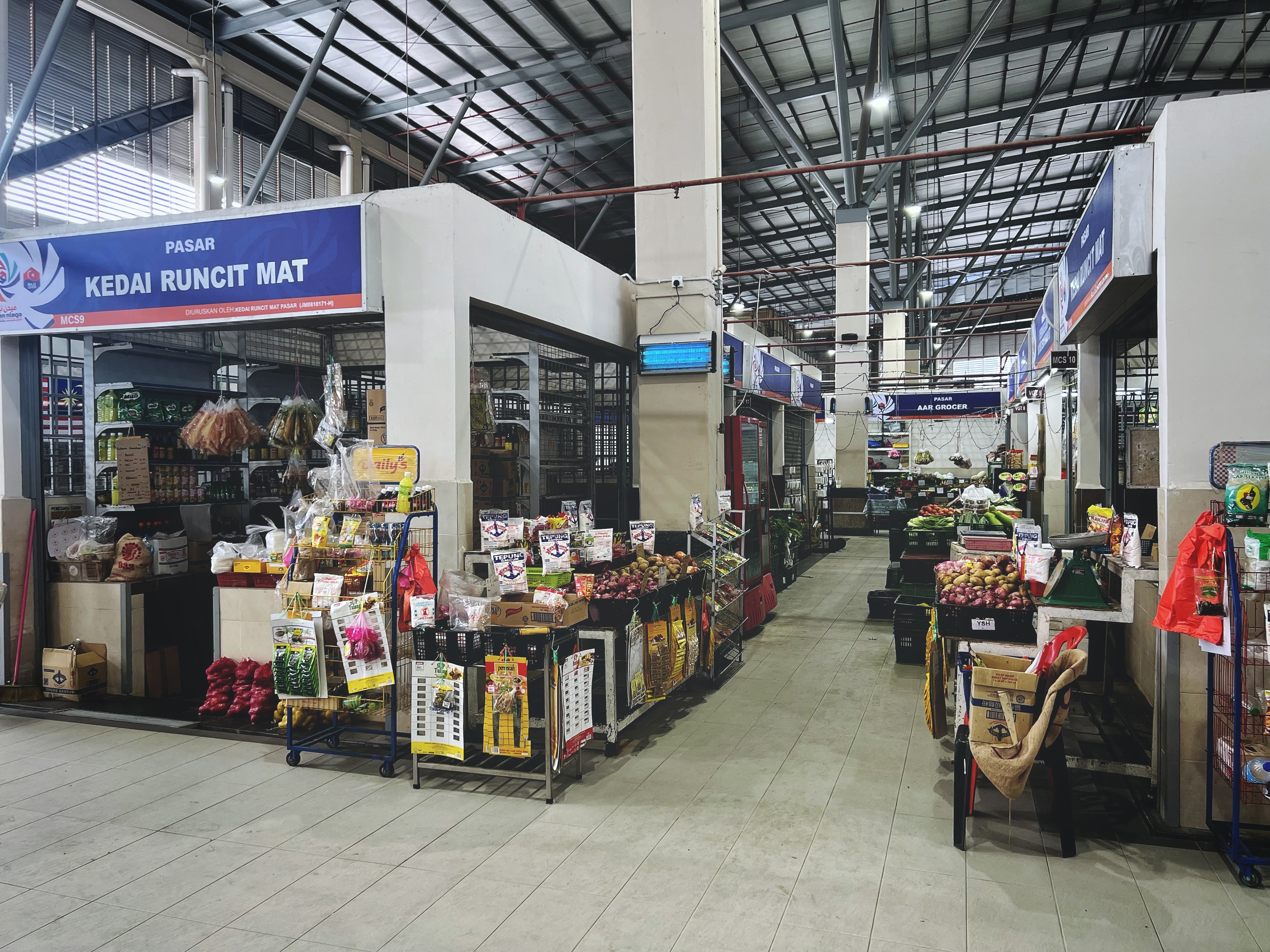
Johor officials drew ideas from Singapore for a digital voucher scheme and a shopping complex revamp.
Why millions of Malaysians keep riding dangerous motorcycle lanes despite death toll
Could biofuels be the antidote that Asia needs for oil shocks?
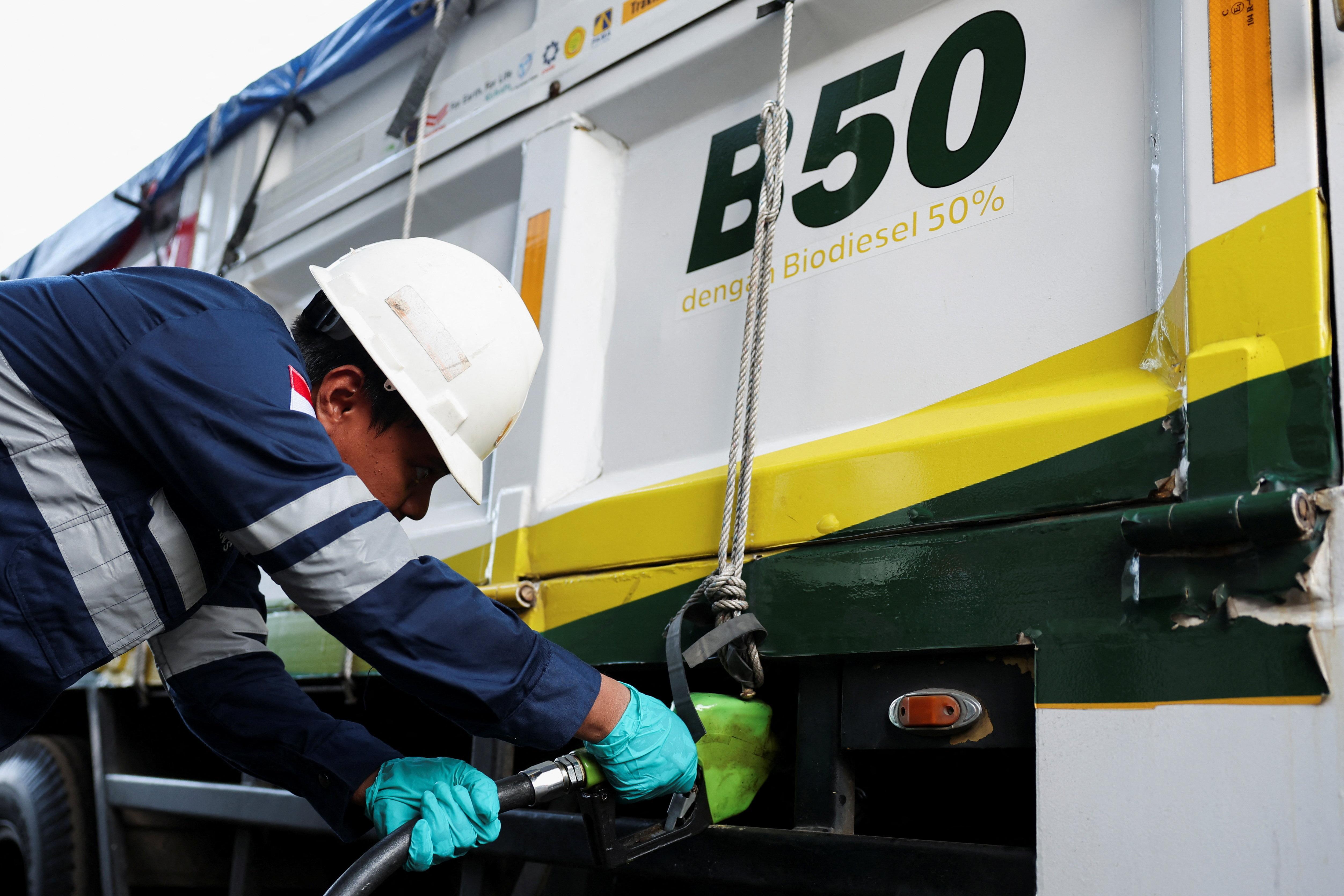
The shift to biofuels raises risks of higher food prices, deforestation and massive water consumption.
If you have any feedback, please drop us an e-mail at st-newsletters@sph.com.sg