
Asian Insider: Malaysia Edition helps you connect the dots on the biggest stories playing out in Malaysia every week. Sign up here to get the newsletter in your inbox.
A 14-year-old boy in Malaysia has been charged with murdering his 16-year-old schoolmate, who was stabbed to death.
With the incident just one among the recent spate of school violence, the government has mooted various solutions to rein in the cases. The proposals ranged from bringing back caning to banning the use of smartphones for those under 16.
But concerns are being raised over a government plan for social media accounts to be tied to the national identity card in the name of child protection. Critics called the move heavy-handed, and questioned its efficacy. It has also sparked fears of political abuse to clamp down on online dissent.
Such worries have grown since Datuk Seri Anwar took power in 2022. Despite being elected on a reformist platform, his government has increasingly used and broadened its powers to clamp down on free speech by blocking access to dissent and enacting controversial new laws to control social media.
Another issue which has generated widespread uproar is football’s global governing body Fifa sanctioning Malaysia over claims of falsifying documents to field seven naturalised players.
Malaysia’s move to boost national squads by scouting foreigners with local ancestry is a tactic that’s not new in South-east Asia. The strategy has seen mixed results in the region.
But the manner in which it was allegedly done by Malaysia — forging birth certificates and the use of discretionary powers by the home minister to hand out citizenships — has triggered disgust in a country where citizenship and loyalty to the nation have long been politicised.
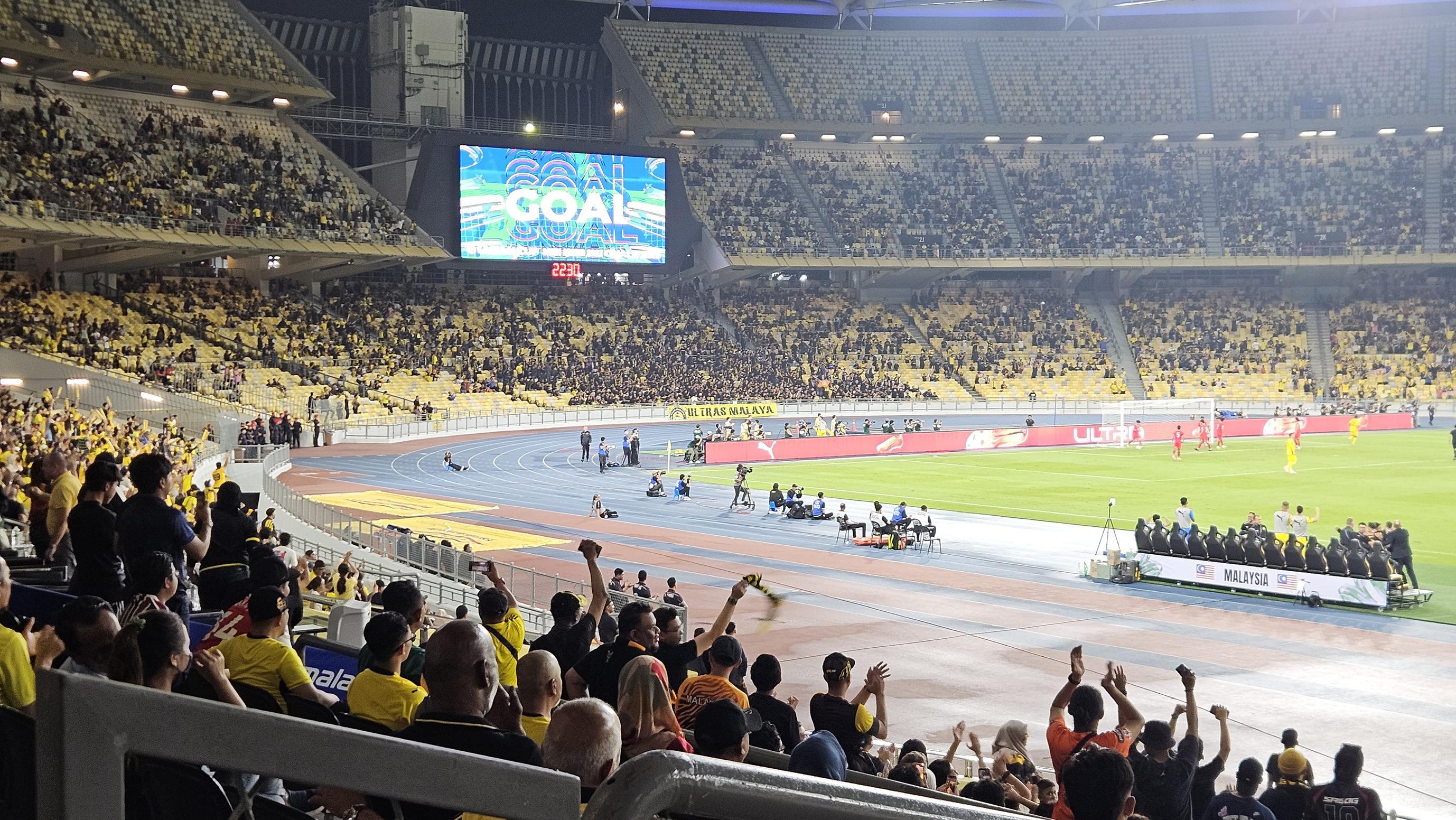
When covering the match against Laos on Oct 14, ST correspondent Lu Wei Hoong found that diehard fans were still backing Johor Regent Tunku Ismail Idris despite questions over his role in the registration of the seven naturalised players sanctioned by Fifa.
However, the turnout in Bukit Jalil Stadium showed otherwise. A drink seller who wanted to be known only as Mr Lim said that just a quarter of the normal turnout were present, compared to the previous match with Vietnam on June 10.
“I could only sell 100 glasses, compared to 1,000 in the Vietnam match. I needed to halve the selling price,” Mr Lim said, illustrating the disappointment among fans.
At ST, we appreciate the loyalty of our readers by bringing you the best coverage of Malaysia. If you’d like to see a particular issue covered by the bureau, send us your suggestions or feedback here.
Backlash over Malaysia’s proposal for social media identity checks to prevent school violence
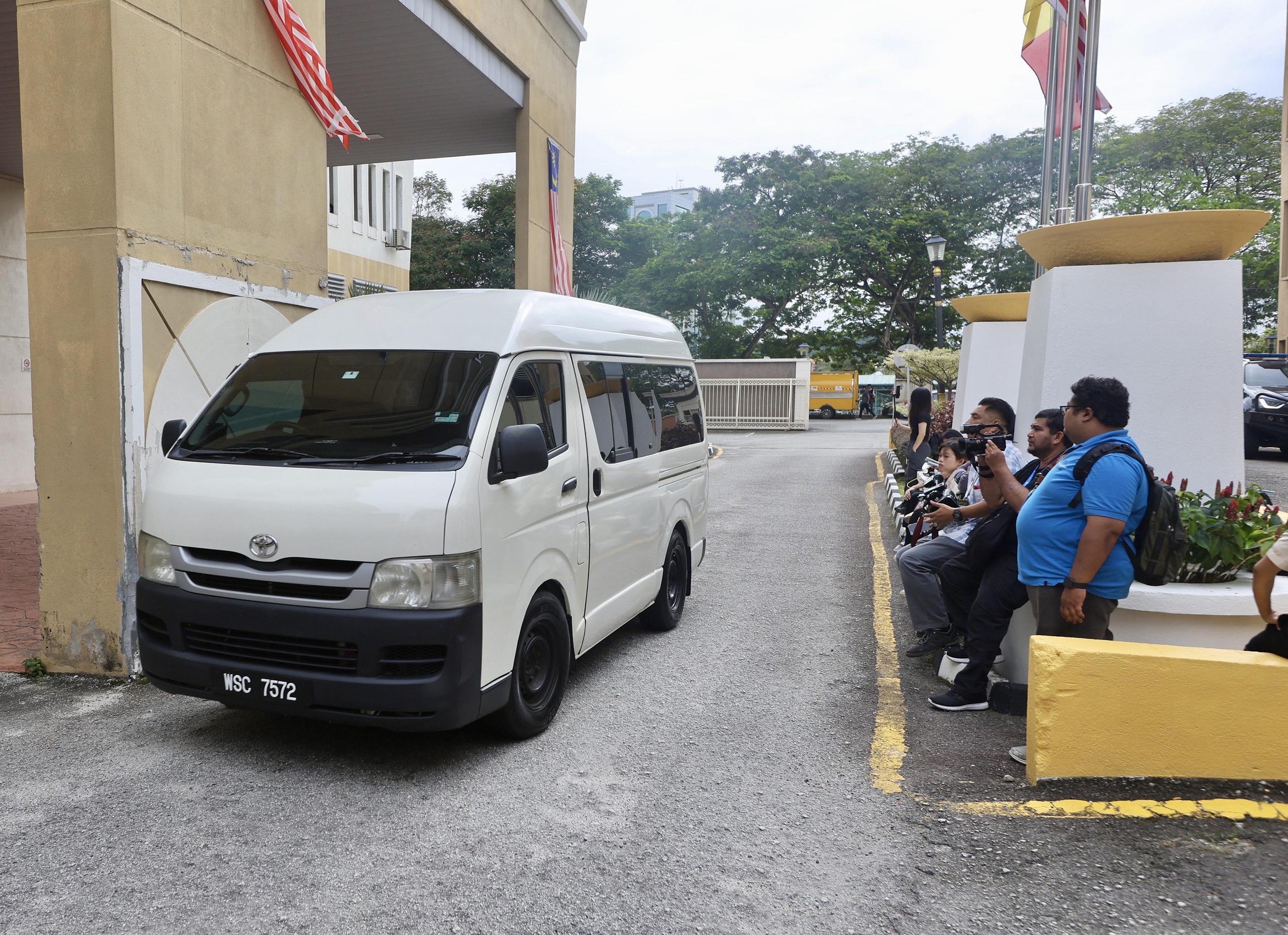
Caning and tighter phone ban proposed in Malaysia amid alarm over school violence
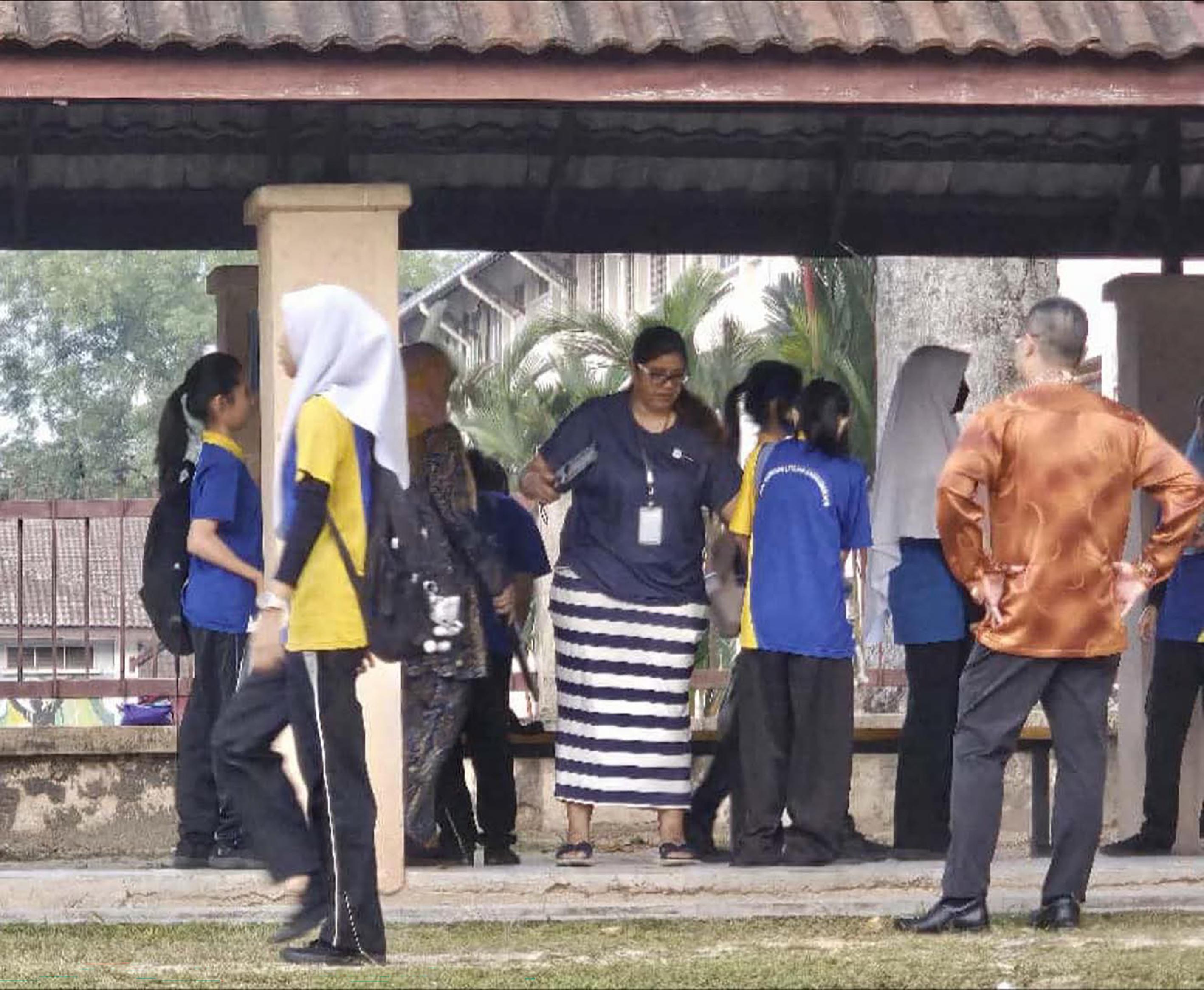
Work on Singapore-Sarawak undersea power cables to start in 2026
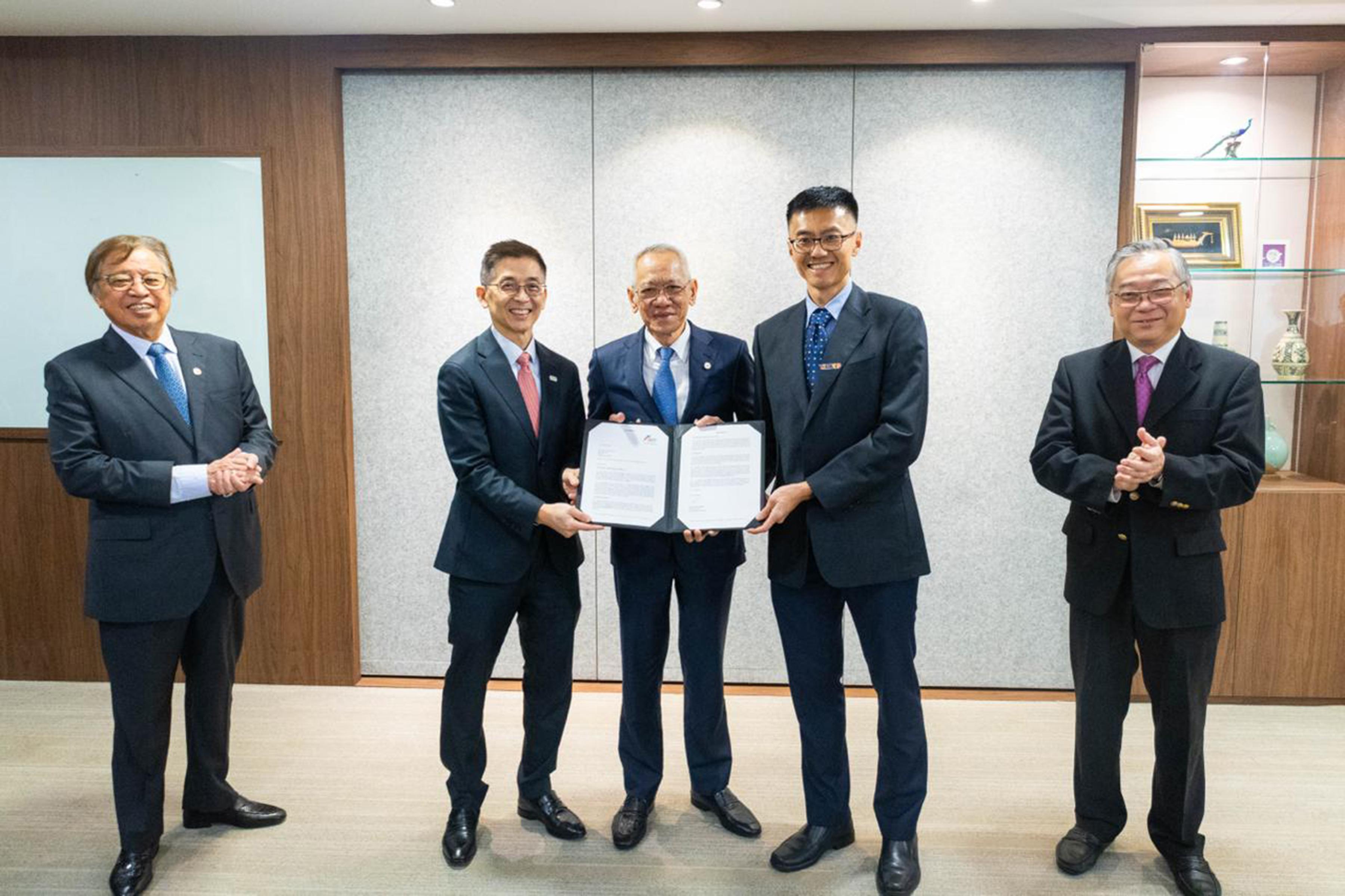
Sembcorp Utilities is working with its East Malaysian partner to import 1GW of low-carbon electricity.
Almost 4,000 S’pore drivers fined $360k in total for entering Johor without VEP tag
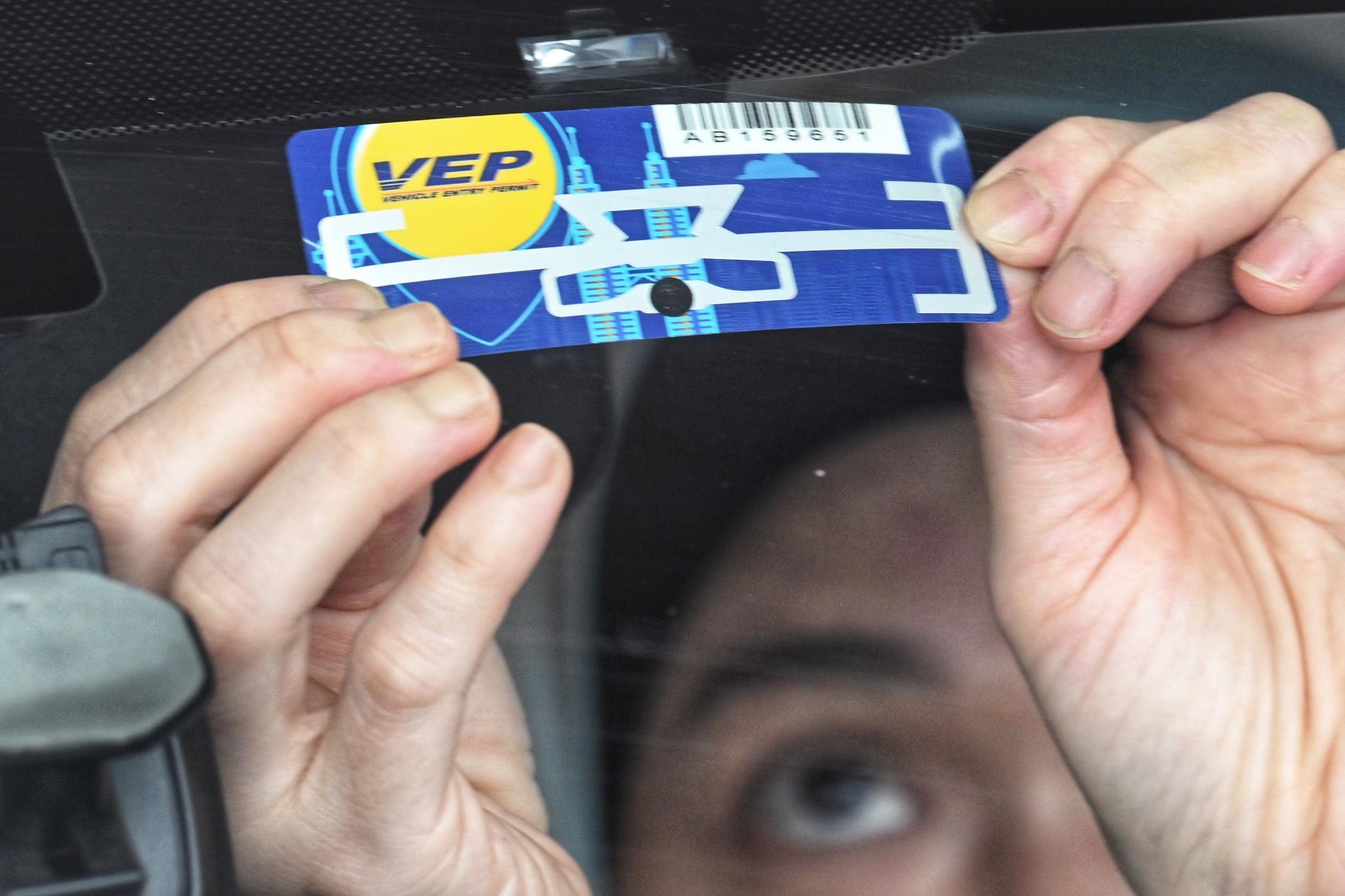
More than 760 fines were meted out by the Road Transport Department between July and October.
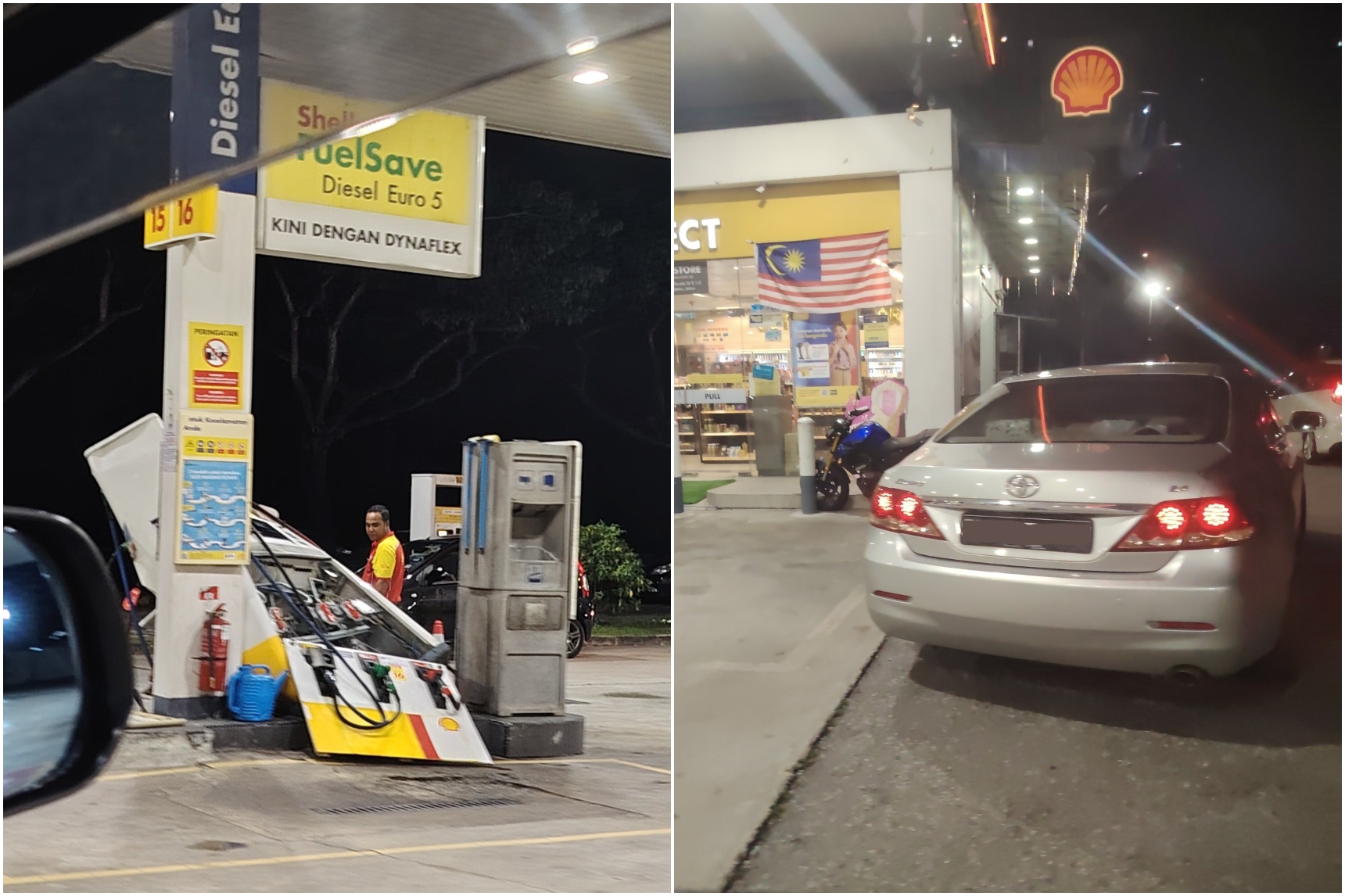
S’pore-registered car pulls down petrol booth in Johor after driving off with pump in fuel door
South-east Asia football’s soul-searching over foreign talent strategy
There are fears that naturalisation “arms race” in the region may hinder youth football development.