World Cup Legends
THE GOLDEN BOY MARADONA
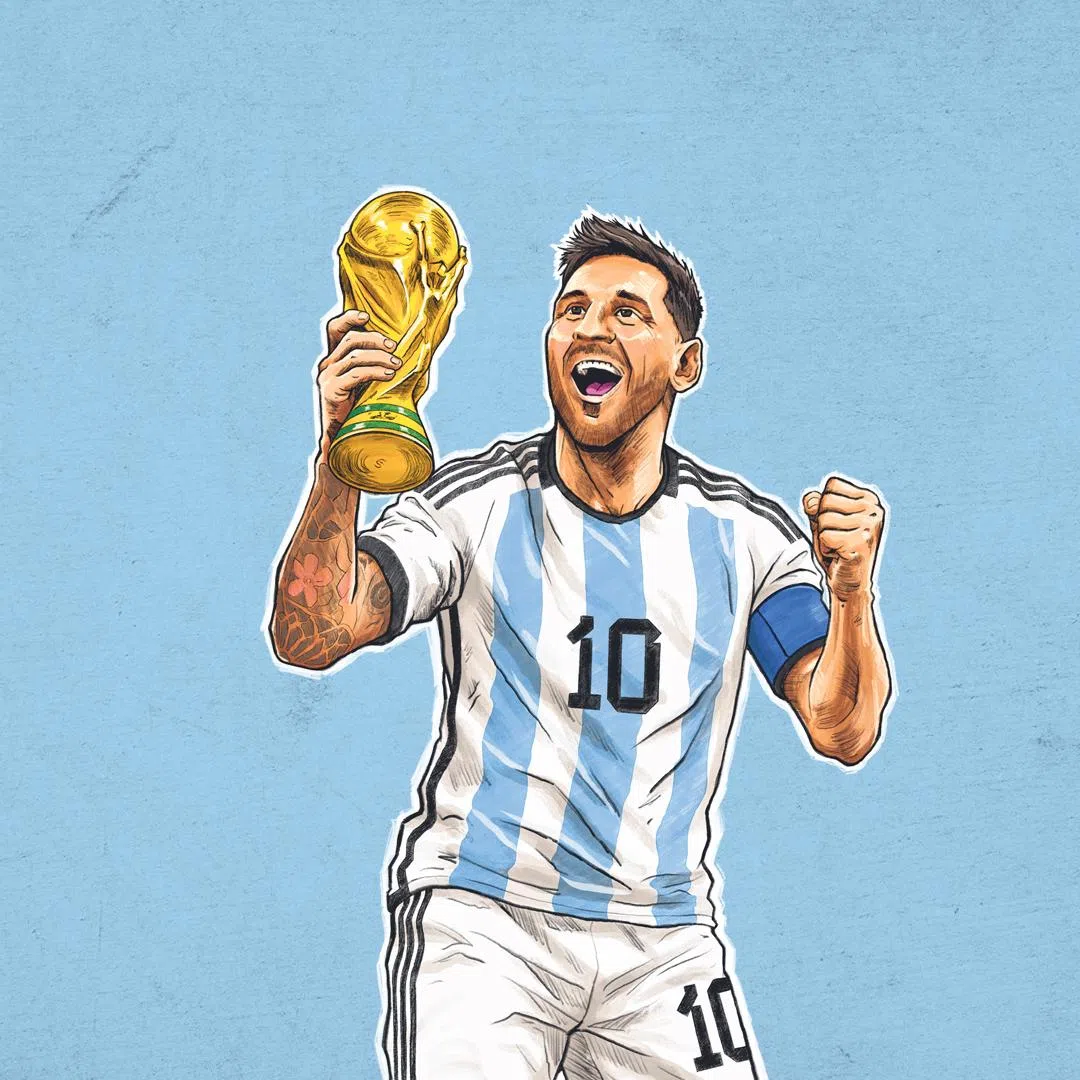
Even if I played for a million years, I’d never come close to Maradona. Not that I’d want to anyway. He is the greatest there has ever been.
Lionel Messi
1960: Shanty-town boy
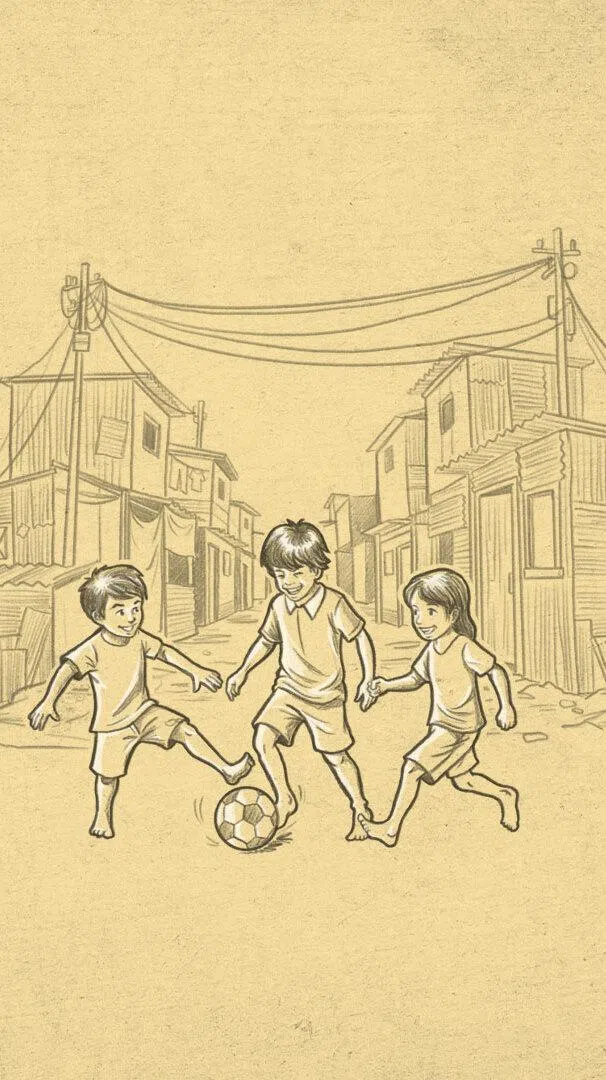
Born into extreme poverty as the fifth of eight children, Diego Maradona’s upbringing in the shanty town of Villa Fiorito, near Buenos Aires, shapes his resilient character. Gifted his first football at three, he spends his youth honing his skills on dusty local pitches.
1969: The Little Onions
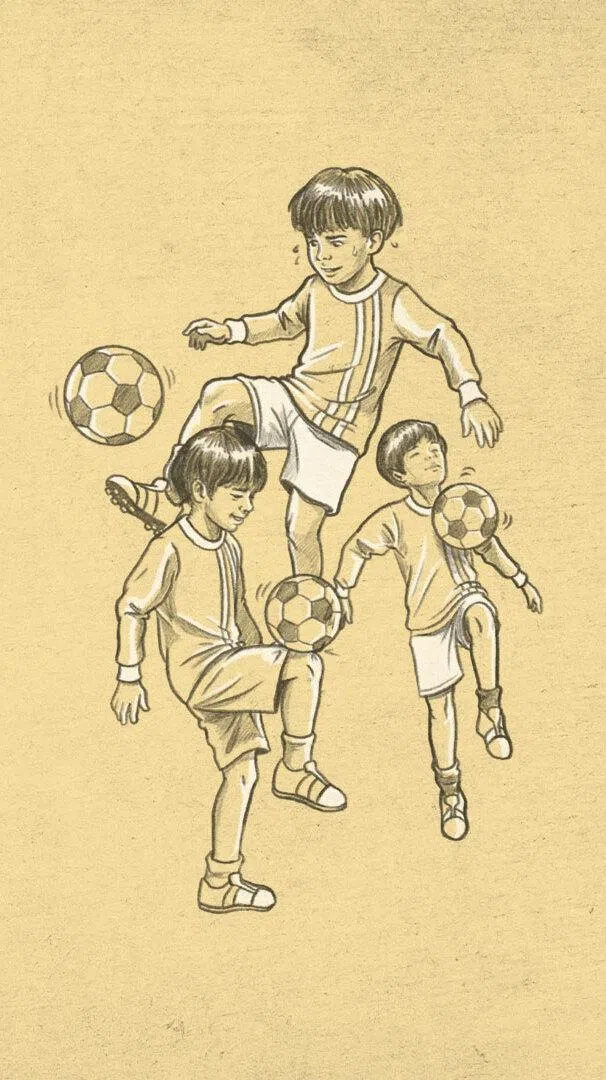
He joins the youth ranks of Argentinos Juniors, famously known as Los Cebollitas (The Little Onions), leading the team on an incredible 136-game unbeaten streak. By the time he reaches his early teens, he is already a national sensation, frequently performing half-time ball-juggling shows for mesmerised stadium crowds.
1976: Dazzling debut
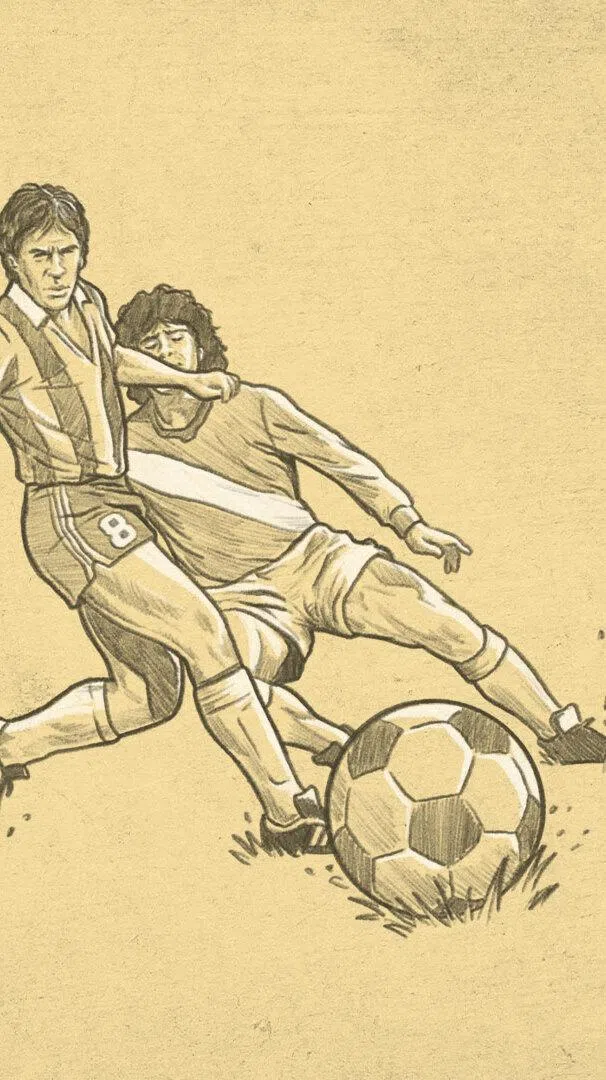
In October 1976, just days before his 16th birthday, Maradona makes his professional debut for Argentinos Juniors, becoming the youngest player in the history of the Argentine Primera Division at the time. He enters the pitch with a fearless attitude, famously nutmegging an opponent with one of his first touches.

1981: Living the dream
Maradona’s 1981 move to Boca Juniors fulfils a childhood dream and cements his status as an icon. Despite interest from wealthier European clubs, he chooses the team of the working class. His impact is instantaneous – his creative brilliance and prolic scoring lead Boca to the Metropolitano championship title. This brief but electric period solidies his deep, lifelong bond with the club’s passionate “Xeneizes” fan base.

1982-84: A boon for the underdogs
Maradona joins Barcelona for a world-record US$7.6 million (S$9.1 million). Despite winning the Copa del Rey, his time in Spain is marred by hepatitis and a catastrophic ankle injury, leading to frequent clashes with the club hierarchy. Seeking a resurgence, he transfers to Napoli in 1984. He transforms the struggling side, securing two historic Serie A titles in 1987 and 1990. This success elevates him to divine status in Naples, where he becomes a deant symbol of hope for the impoverished Italian south.
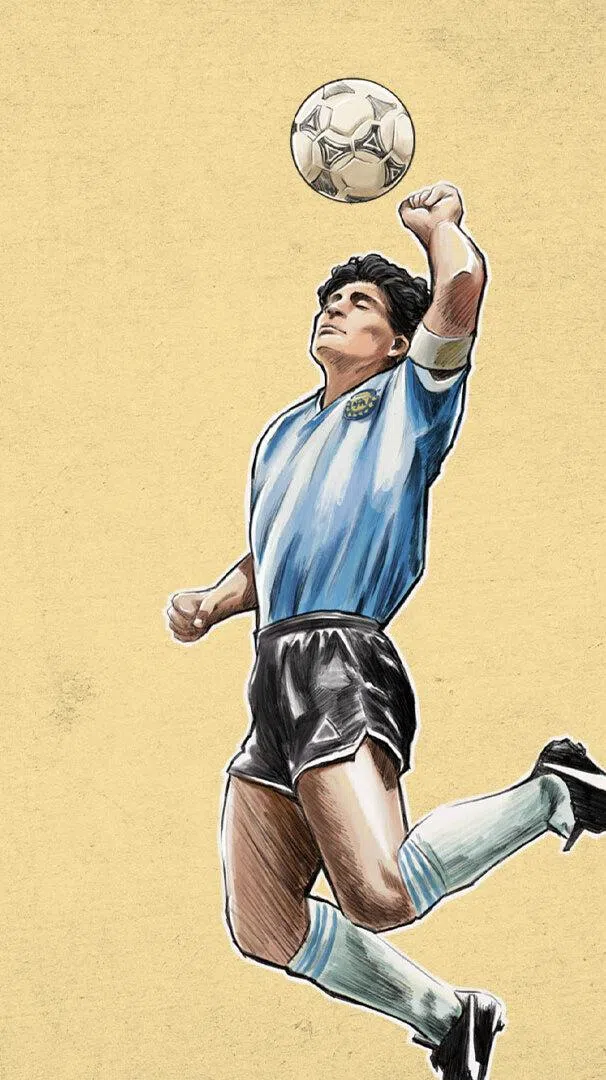
1986: Peak of his prowess
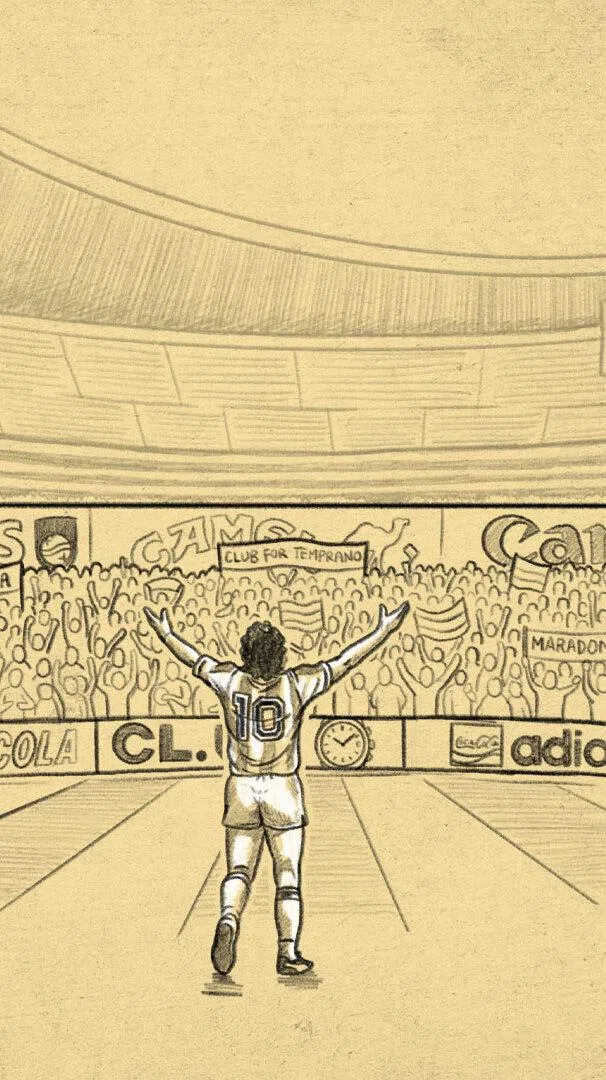
The 1986 World Cup in Mexico is the ultimate stage for Maradona’s genius. As captain, he displays a level of individual dominance rarely seen in team sports, scoring five goals and providing five assists. His leadership and technical mastery carry Argentina, culminating in a 3-2 victory over West Germany in the final. This triumph seals his status as a football legend.
1986: The Hand of God
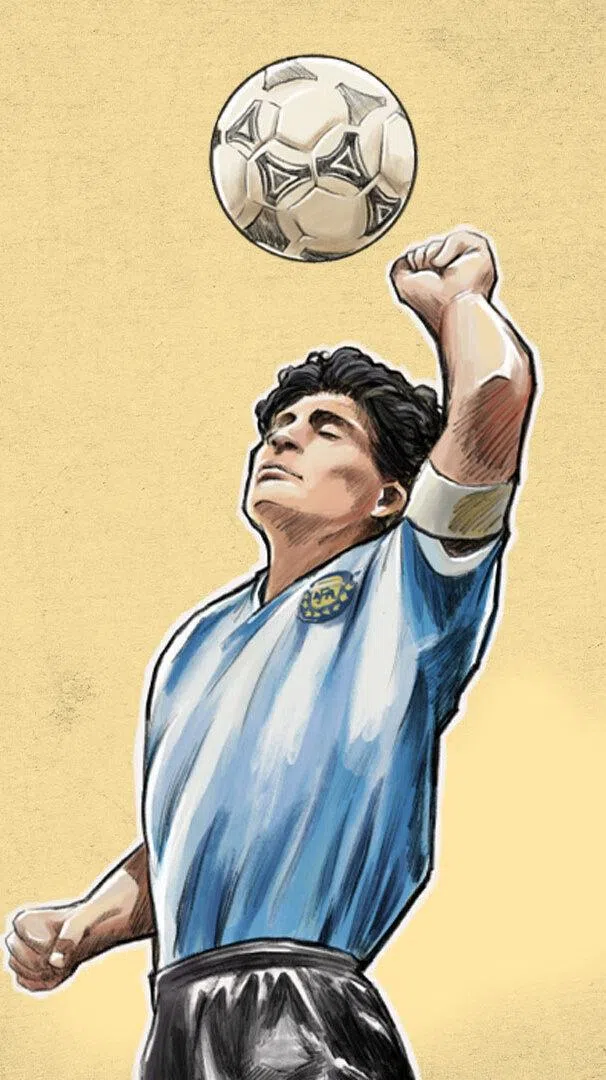
In the now-famous quarter-final against England, Maradona scores two of the most discussed goals in history within four minutes. The first, a controversial handball he dubs the “Hand of God”, showcases his cunning nature. The second, a 60-yard slaloming run past five defenders, is later voted the “Goal of the Century”. These moments perfectly encapsulate his dual identity as both a street urchin and a divine football artist.

1994: Fallen Hero
Maradona’s brilliance on the pitch is frequently overshadowed by his turbulent personal life. He battles a long-term cocaine addiction that began during his time in Barcelona and intensified in Naples, eventually leading to a 15-month suspension in 1991. He is also expelled from the 1994 World Cup in the United States after failing a drug test. These struggles plague his later playing years and retirement, creating a tragic narrative of a hero battling his own inner demons.
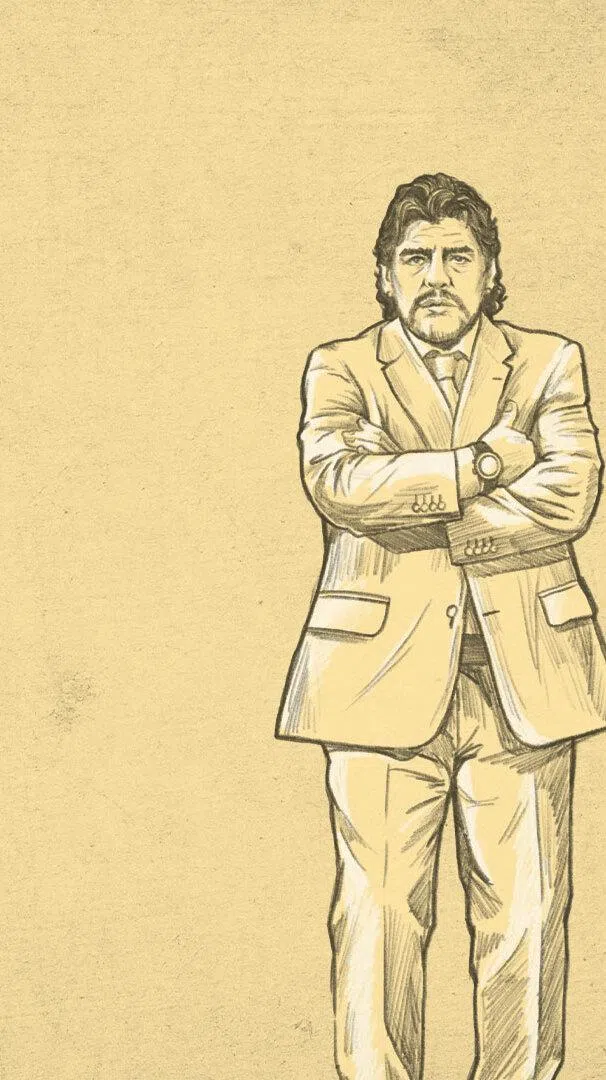
2010: Maradona the coach
After hanging up his boots, Maradona transitions into management, most notably coaching the Argentinian national team during the 2010 World Cup. Though his coaching career is marked by mixed tactical results, his presence alone inspires players and attracts massive media attention. Whether hosting his own television show or managing clubs in the United Arab Emirates and Mexico, he remains a polarising, charismatic, and unavoidable force.
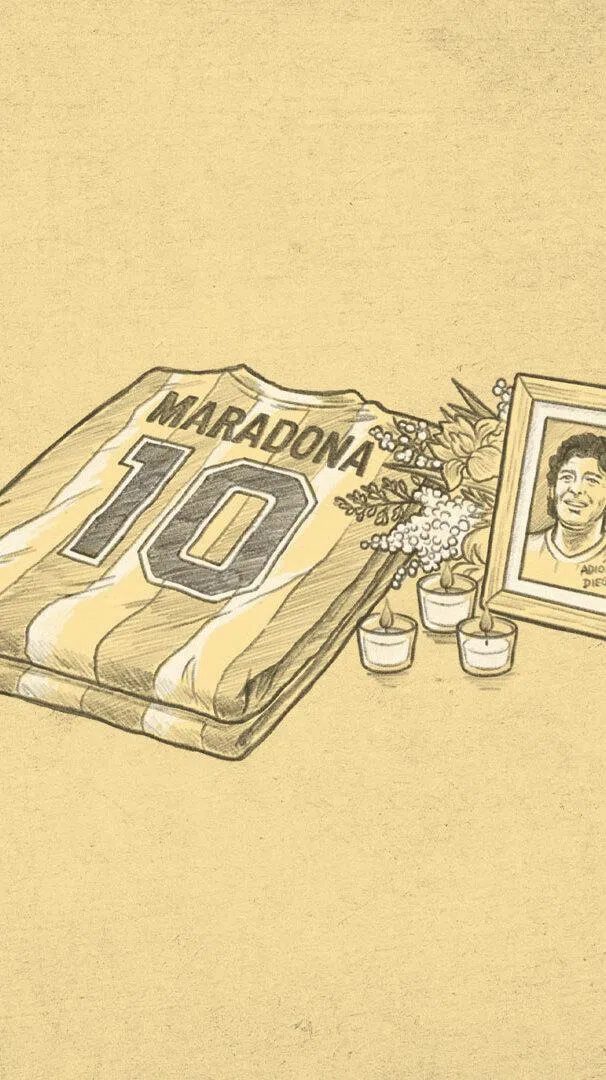
2020: Farewell to the Golden Boy
News of Maradona’s death on Nov 25, 2020, triggers national mourning in Argentina and an outpouring of grief worldwide. From the streets of Naples to the stadiums of Buenos Aires, millions gather to pay their respects to the “Pibe de Oro” (Golden Boy). He leaves behind a complicated but undeniably brilliant legacy that continues to inspire future generations.
Sources: BRITANNICA, FIFA, THE GUARDIAN, HISTORY.COM, BIOGRAPHY.COM, BBC, THESE FOOTBALL TIMES
STRAITS TIMES ILLUSTRATION: BILLY KER