
The Middle East energy crisis could well turn China and the Philippines from antagonists to partners in the South China Sea.
Philippine President Ferdinand Marcos Jr told Bloomberg in a March 24 interview that he is open to restarting talks with Beijing on a joint oil and gas project in a disputed area of the key waterway – citing the disruptions from the US-Israeli “war of choice” on Iran.
In the past decade, Beijing and Manila have been embroiled in numerous skirmishes over claims in the South China Sea. The Americans are treaty-bound to support the Filipinos if attacked.
If negotiations between China and the Philippines materialise, it would represent the ultimate strategic own-goal for US President Donald Trump.
This is exactly the kind of reevaluation that my colleague Vikram Khanna explains could happen since the energy infrastructure in the Middle East could take years to rebuild. Desperation, in this case, could turn out to be the best inspiration for survival in a disordered world.
“For Asia, which buys most of the Gulf’s oil and gas, that is not just a short-term supply disruption. It is a structural shock that will reshape energy markets, raise costs, slow economies and force a rethink of energy strategy,” Vikram said.
Four weeks into yet another Middle East crisis, panic is starting to grip the Asia-Pacific even as governments assure they are doing their best to contain spiralling oil and gas prices that could well unleash stagflation on not just Asia, but the world.
From India to Indonesia, there are long lines for petrol and LNG cooking gas. People are also hoarding oil-adjacent products such as plastic bags in South Korea and yes, even toilet paper in Japan. In Singapore, queues are forming at the no-frills Cnergy’s three petrol and diesel stations.
On March 24, the Philippines became the first in the region to declare an energy emergency since the joint US-Israel attack on Iran. This move would release resources for President Marcos to mobilise a coordinated government response to stabilise fuel supply and limit the knock-on effects on transport, food and electricity.
The Philippines and Vietnam are the two South-east Asian economies that are among the most vulnerable to these shocks as they source about 95 and 88 per cent of their crude imports, respectively, from the Persian Gulf, according to a Maybank research paper issued last week.
Rocketing energy prices and the ensuing volatility in the financial markets – with the private credit markets witnessing particular distress – are partly the reason for Mr Trump’s latest U-turn to temporarily hold off from “obliterating” Iran’s power grid.
Given Mr Trump’s capriciousness and the Iranians' record of dragging out nuclear talks in perpetuity, nobody quite knows if a de-escalation would materialise after this five-day extension, aimed at reaching a resolution from ongoing talks.
With such “unknown unknowns” – a phrase that former US Defence Secretary Donald Rumsfeld used in 2002 to describe Iraq’s alleged weapons of mass destruction – expect many more unintended consequences and realignments in the world order as governments think out of the box in order to survive.
Keep up to date as we continue to bring you the latest updates on the ongoing conflict.
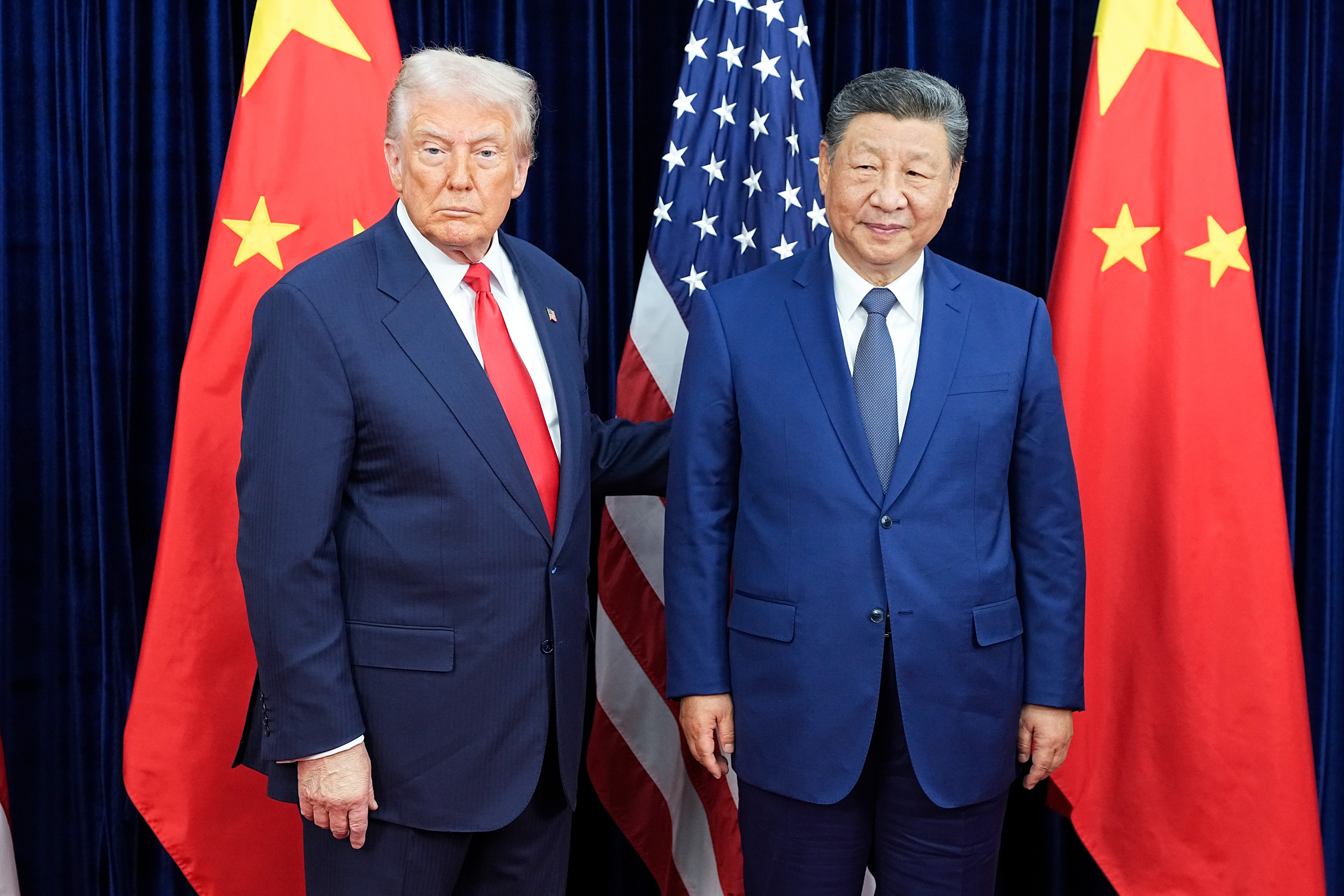
In midst of Iran war, Trump administration keeps an eye on China rivalry
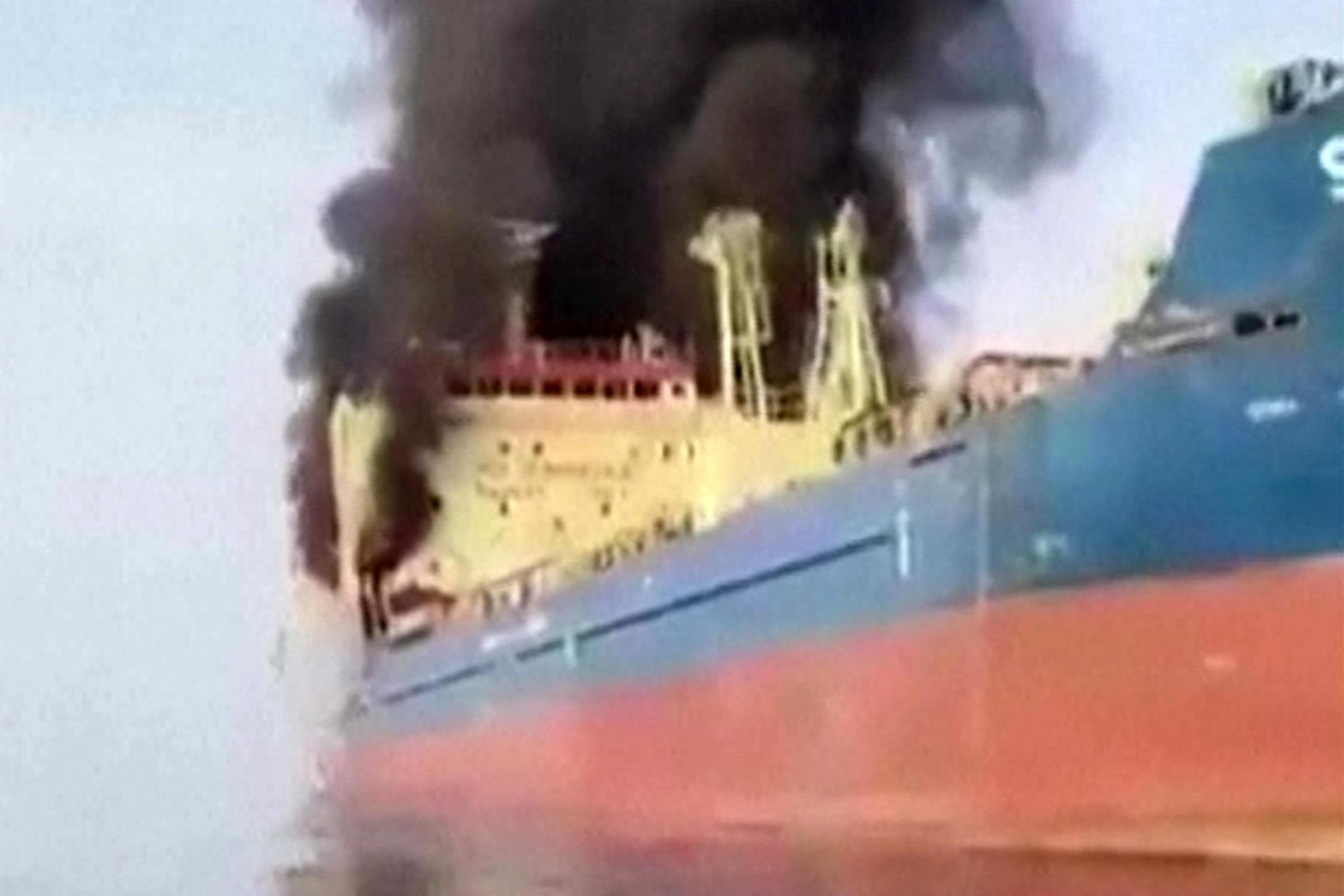
Concern mounts for sailors stranded in Persian Gulf
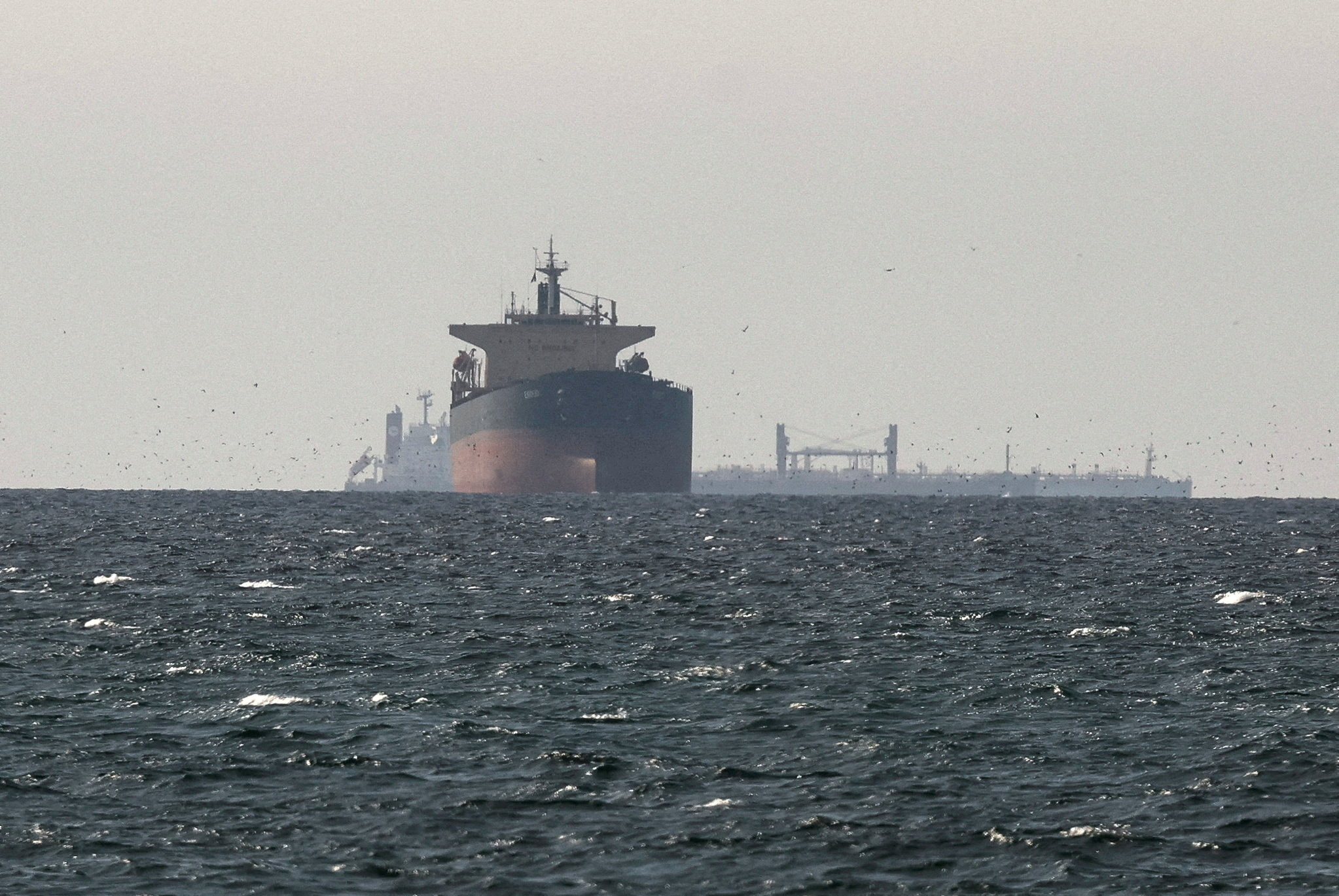
‘Business as usual’ for Iranian shadow fleet passing through South-east Asia, say analysts
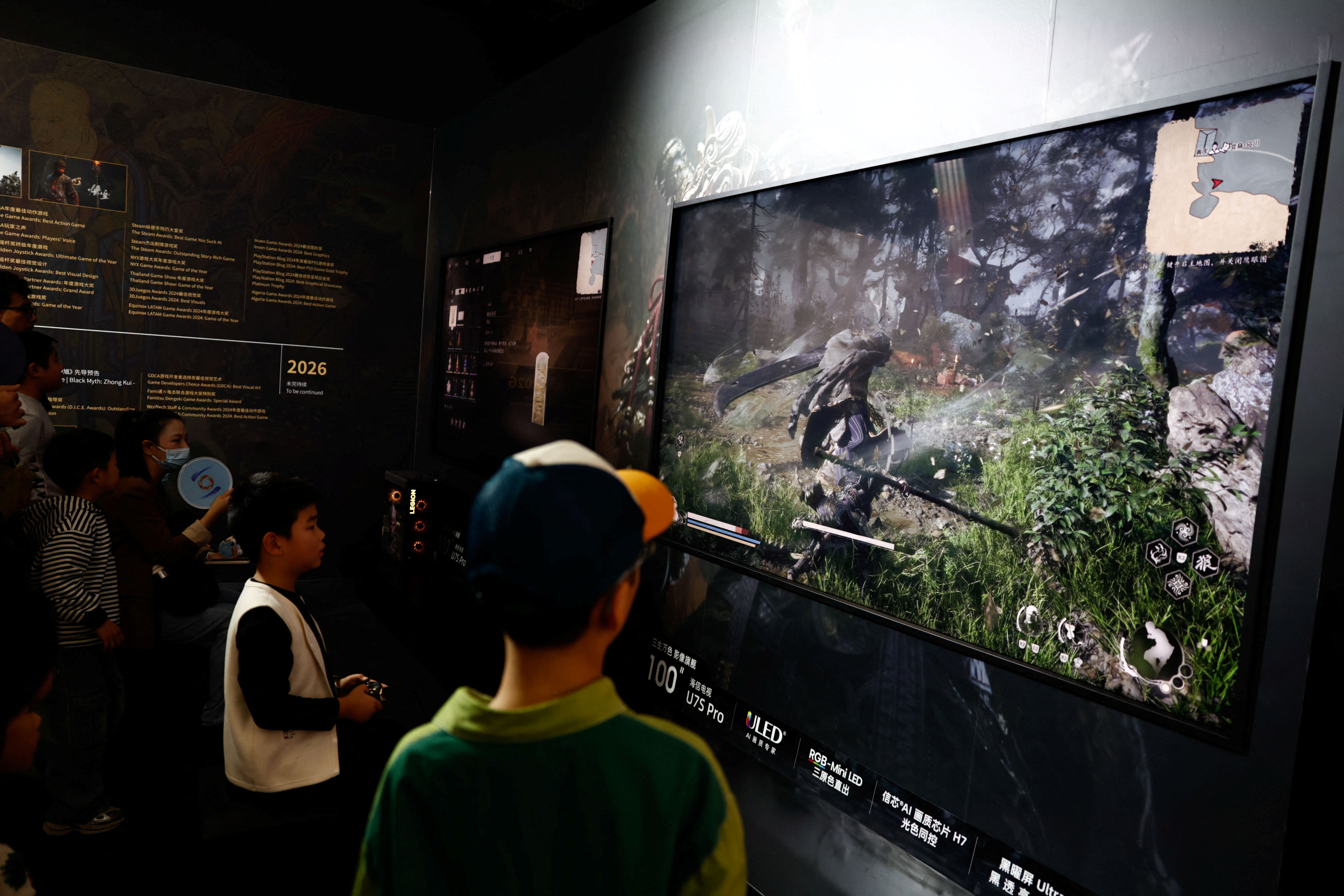
How is China sharpening its soft power playbook?
Why Anwar is invoking a Zionist bogeyman and a plot to topple the govt
Why a tiny Philippine convent that popularised ube jam resists expansion
What actually remains of Iran’s leadership?
Fears rise over Iran’s partially enriched uranium pile falling into wrong hands
If you received this newsletter from someone, sign up here to get it delivered to your inbox weekly!
If you have any feedback, please drop us an e-mail at st-newsletters@sph.com.sg