
Dear reader,
Asia woke up on Wednesday to news of a two-week ceasefire, brokered by Pakistan, between the United States and Iran. Oil prices plunged, stocks jumped, and governments and ordinary people alike drew a sigh of relief.
But the breather could be a short one. Hard questions – and conversations – remain, as US bureau chief Bhagyashree Garekar writes here.
No one knows for certain what is in Iran’s “ten-point peace proposal”, which US President Donald Trump heralds as a “workable basis on which to negotiate”. An alleged list put out by Nour News, which is backed by Iran’s Supreme National Security Council, includes hardline demands such as Iran’s control over the Strait of Hormuz and acceptance of Iran’s right to enrich uranium.
It is highly unlikely the US will accept these stipulations. But Mr Trump will have to reconcile that with his need to stay on the exit ramp of a war that has cost him dearly in the approval ratings. What has emerged thus far is a sense that the US has already suffered a “huge strategic defeat, the biggest loss since Vietnam” – the mere acceptance of these demands as the baseline for negotiation already counts as a climb down for the Trump administration.
Asian countries thus far have reacted to the news of a ceasefire with both global and domestic audiences in mind.
Malaysia Prime Minister Anwar Ibrahim said the development “augurs well for the restoration of peace and stability” – and was also quick to insert Malaysia into the equation. Having previously claimed that several Gulf nations including Saudi Arabia have asked Kuala Lumpur to play mediator between them and Iran, Mr Anwar reiterated Malaysia’s readiness to “support and complement all efforts” for peace in West Asia.
India meanwhile is suffering from heartburn over Pakistan’s visible role in negotiating the ceasefire – a challenge to India's own ambitions as the South Asian regional hegemon and a global player.
And with Mr Trump also crediting China for its role in getting Iran to the table, the Asian power will likely see its standing and influence enhanced on the world stage.
The optics aside, Asian countries will have to continue to deal with the lingering fallout from the war, which is reshaping political and economic dynamics at home, and won’t go away in a hurry.
When I was chatting with retired Singapore civil servant Peter Ho this week about the far-reaching effects of the conflict, he used the tale of The Three Little Pigs to make a point. Different societies will fare differently, depending on whether they had built a straw house, a stick house or a brick house before the proverbial big bad wolf came.
In the context of what is happening today, the “wolf” is Iran’s closure of the Strait of Hormuz, which is upending the flow of crude oil and petroleum products to Asia. And the “houses” are the resilience societies have built up to protect themselves from precisely such volatility of global energy markets.
The thing is, many democratic societies are prone to simply building for themselves the equivalent of straw huts that could be easily blown down. This is what Mr Ho – who continues to advise at the Centre for Strategic Futures after his long stint as Head of Civil Service – calls “hyperbolic discounting”. This refers to a cognitive bias where one will “rather put out the fire right in front of you, rather than invest in equipment to prevent it from happening because you don’t get as many points for doing so”.
Shortages of everything, from fuel to fertiliser to food, are hitting those who have not prepared ahead of time harder.
Our correspondents look at how countries such as Indonesia, Malaysia, the Philippines, India and China are stacking up. Have they built straw, stick or brick houses? Have a read, and write to me with your views.
As usual, I leave you with a selection of our correspondents’ articles and podcasts.
How the Iran conflict has hollowed out Bangkok tourism
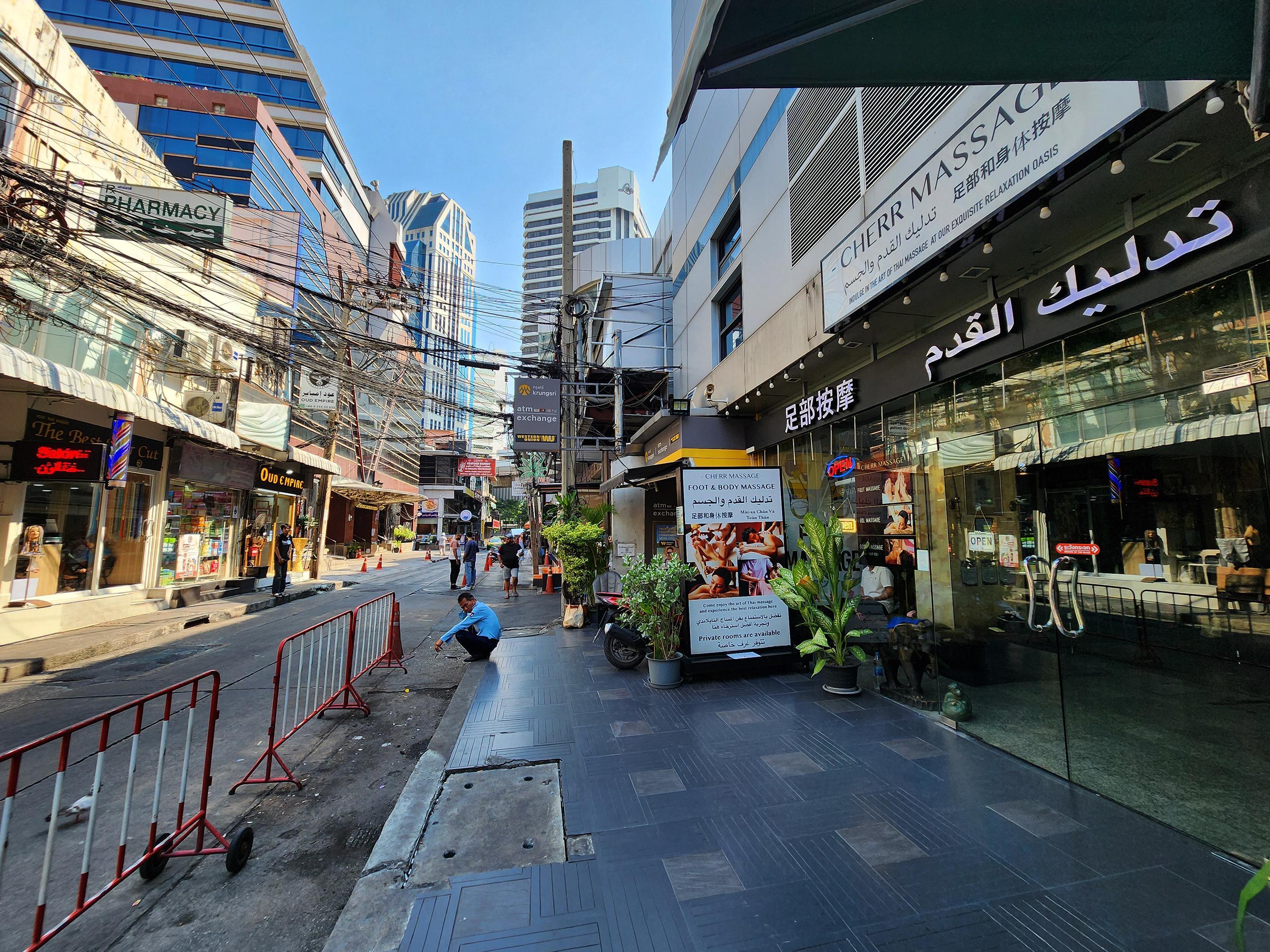
Sudden absence of Middle Eastern visitors, combined with airspace disruptions, has laid bare sector’s vulnerability.
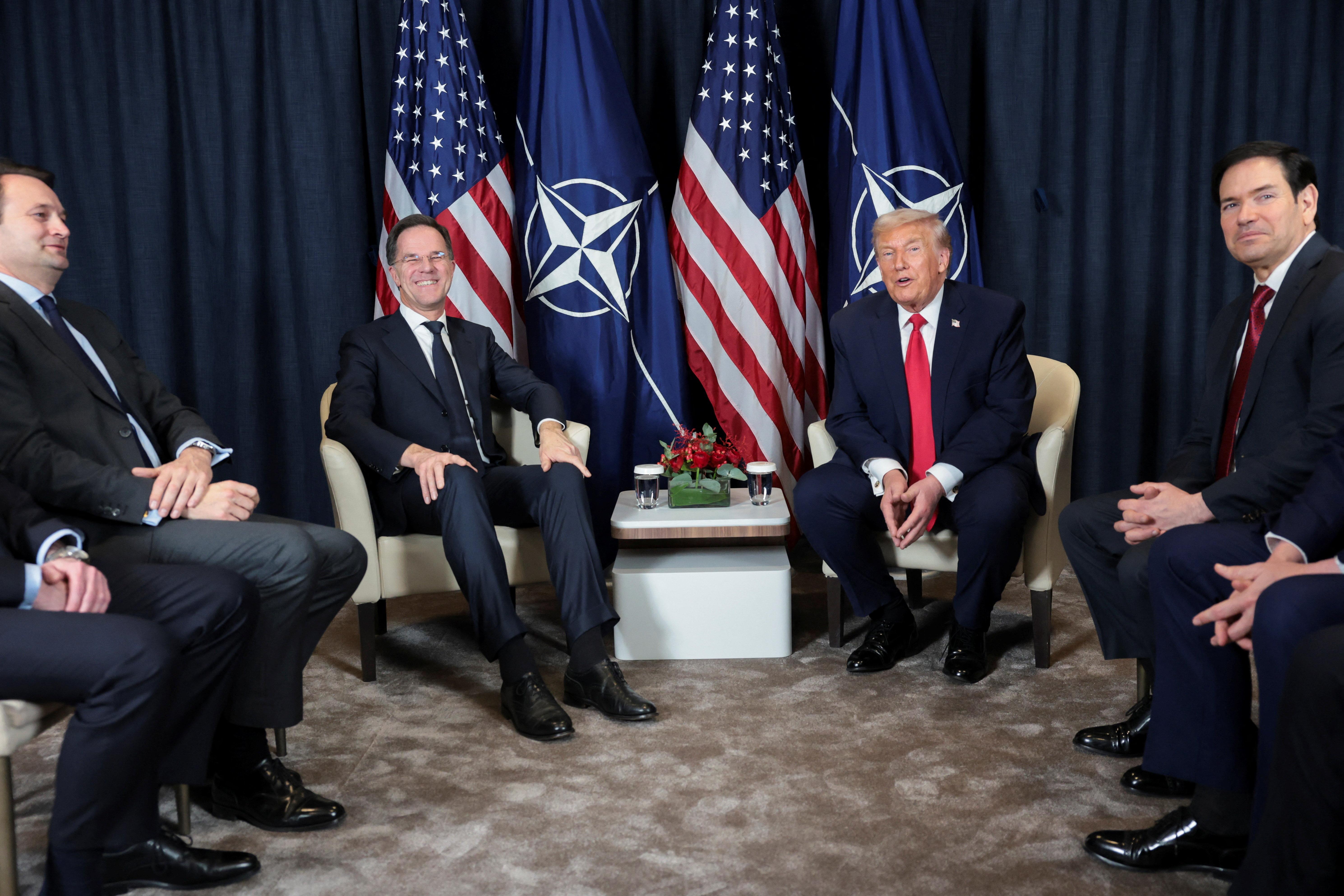
The man with the thankless job of saving NATO from ‘Daddy’s’ wrath
Indonesia charges 19 over alleged baby trafficking ring that sent infants to S’pore
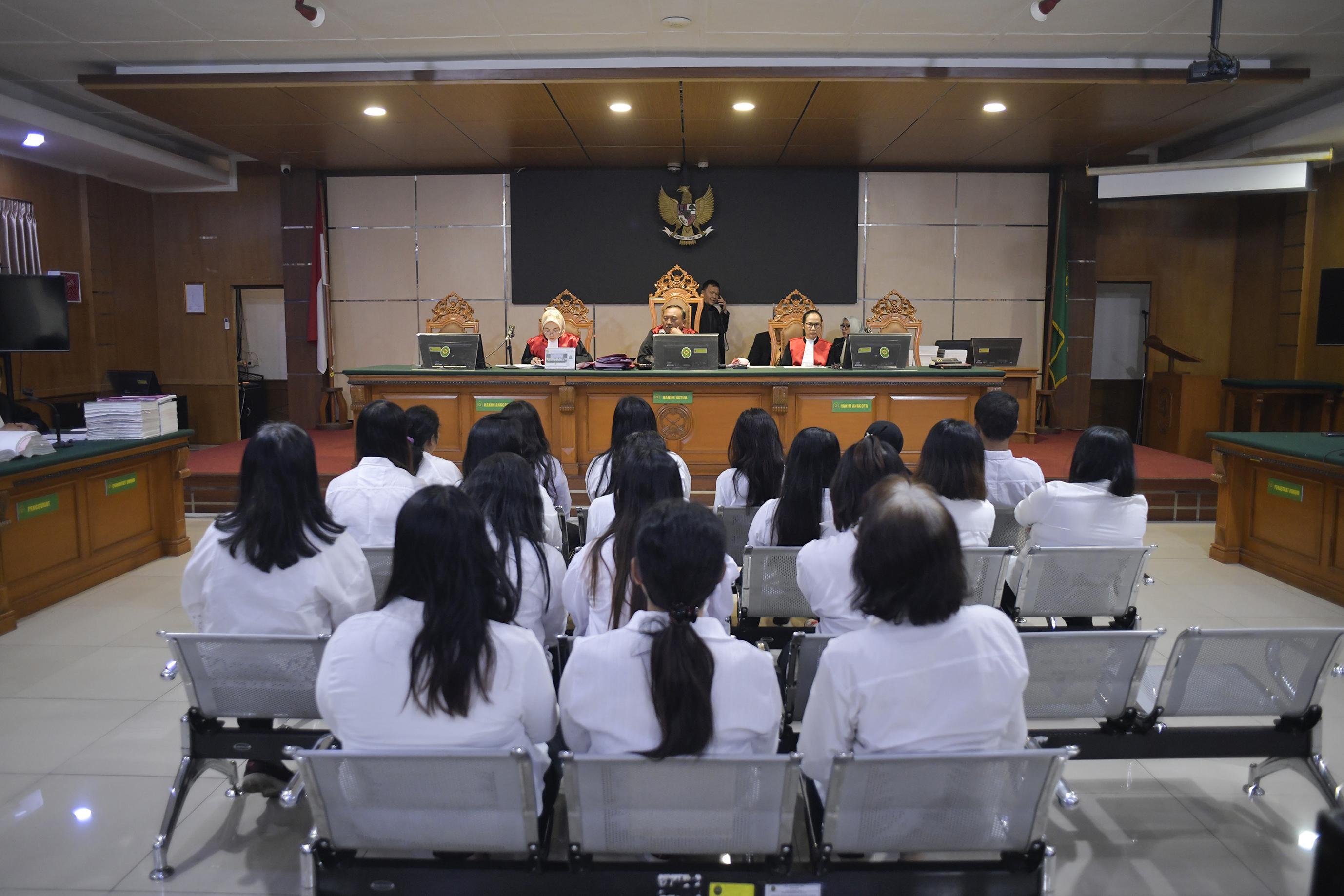
An indictment said that some 34 babies were trafficked, with recruiters sourcing infants from vulnerable families.
Robotaxi outage highlights pitfalls but unlikely to derail China’s push: Analysts
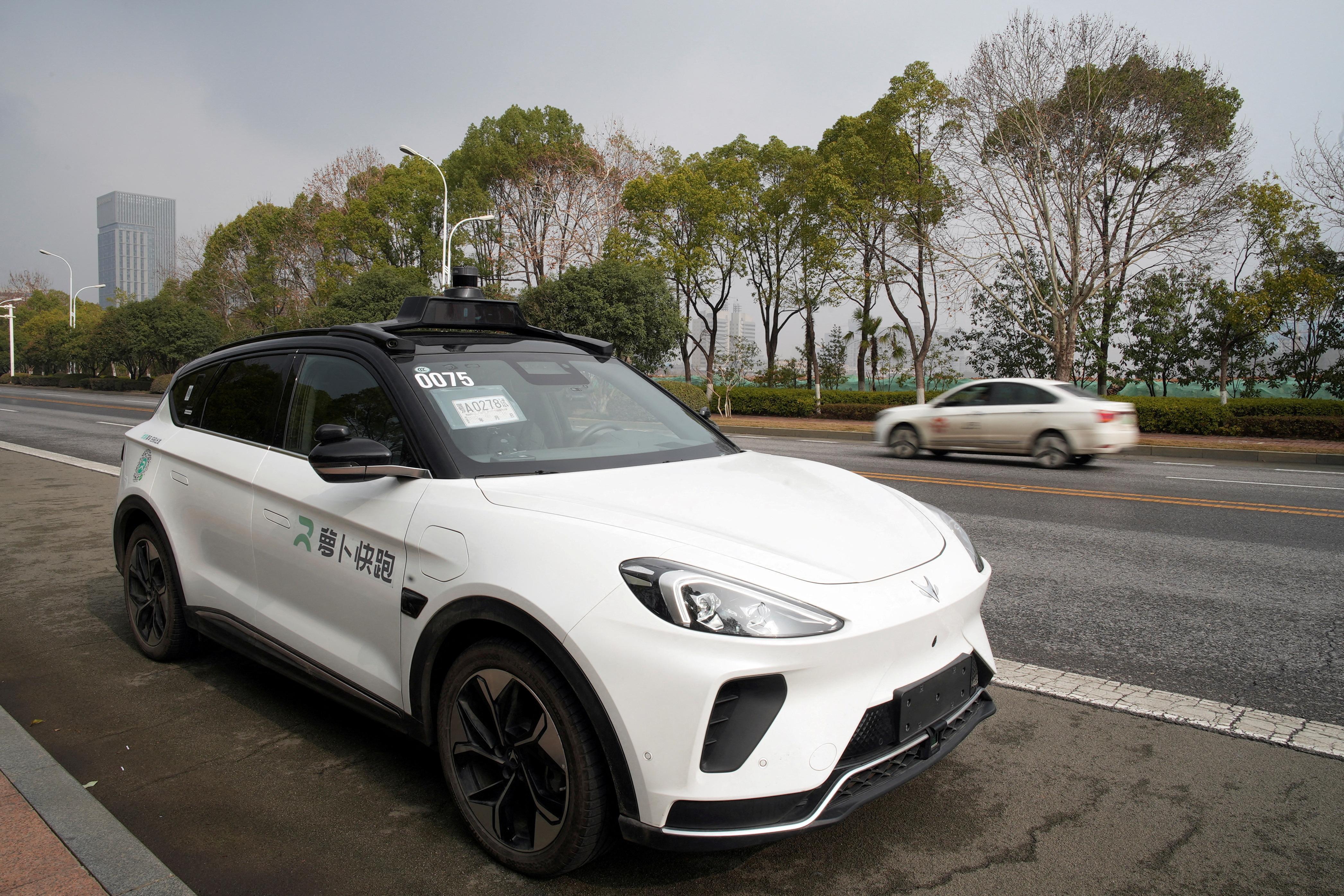
A passenger said he was stuck in a robotaxi and felt terrified when the SOS button did not work.
Indonesian Raya tradition puts ‘begging mentality’ in the spotlight

Some people now feel entitled to festive handouts of cash and gifts from celebrities and the wealthy.
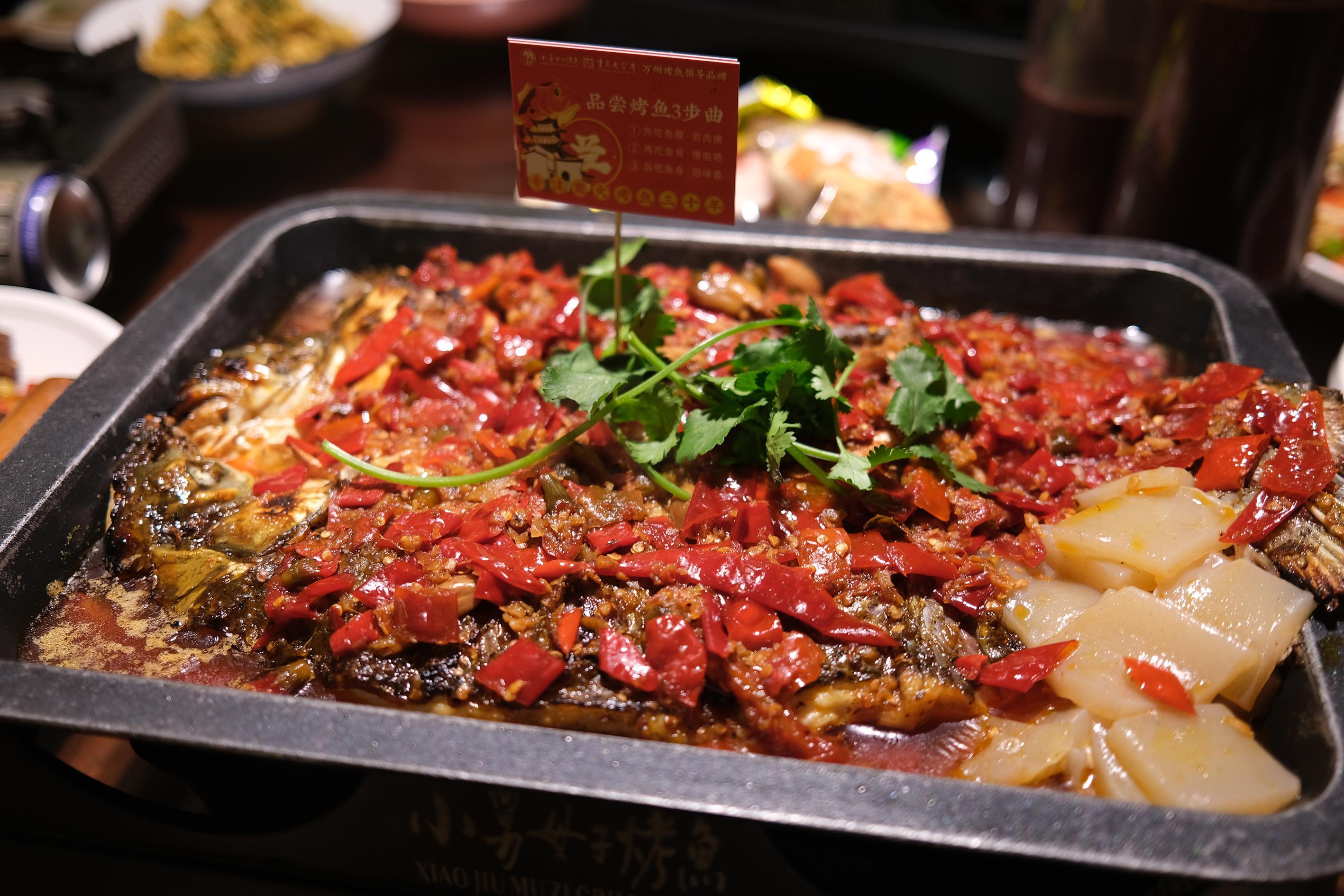
The mysterious origins of a spicy, grilled fish dish
If you received this newsletter from someone, sign up here to get it delivered to your inbox weekly!
If you have any feedback, please drop us an e-mail at st-newsletters@sph.com.sg