
Dear reader,
Authors of the latest White House-issued report on global trade, The Great Transshipment Scam, have leaned into some particularly vivid prose.
With the sub-heading “Ugly Sister Cities in a Zero-Sum Game”, one section purports to illustrate how manufacturing hubs - most of them in Asia - have schemed to steal jobs from workers in “sister” American cities that make the same or related goods. These “foreign staging points” bring in high volumes of China-origin goods, give them new identities and ship them off to the US evading tariffs aimed at Chinese imports.
“These are not sister cities in the cultural sense. They are the “ugly sisters” of modern zero-sum global trade, paired not by civic partnership, but by the logic of American jobs lost to unfair trade,” wrote the Office of Trade and Manufacturing Policy, set up by US President Donald Trump’s trade czar Peter Navarro.
One supposed recalcitrant is Vietnam. Ho Chi Minh City handles electrical switching and circuit-protection apparatus, putting electrical-equipment work in Chicago, Milwaukee, and Rockford “under pressure”.
“The message of these ugly-sister city snapshots is that tariff evasion is a zero-sum game,” said the report. “America loses when these hubs win.”
The fact is, Vietnam had been one of the biggest winners of the first trade war that Trump started in 2018. Foreign and Chinese firms alike set up factories in the South-east Asian nation from which to ship goods and avoid US tariffs.
But there is a crucial distinction to be made.
There is illegal transshipment - which the US accuses these factories of doing - where there is mere repackaging or minimal assembly followed by relabelling, allowing a product to be transmuted from Made in China to Made in Vietnam.
And then there is legitimate structural intermediate trade, where components or half-made goods are imported from say China, and further worked on. It must result in “substantial transformation” in the final product – the definition of which has been vigorously negotiated (and which differs based on the product line).
But going by the report’s argument, “the mere presence of Chinese content or perhaps even Chinese investment is sufficient to claim “transshipment”,” writes trade policy expert Deborah Elms who has described Navarro’s report as “deeply flawed”.
Coincidentally, our correspondents in China and Vietnam had just completed extensive fieldwork on both sides of the China-Vietnam border for this report on the well-oiled machinery that delivers Chinese parts and goods to Vietnam’s factory floors at lightning speed.
China correspondent Joyce ZK Lim, who was reporting out of the small border town of Pingxiang in south-western Guangxi, said: “What struck me from reporting the story in Pingxiang was the ground-level view of the logistics juggernaut that has helped these factories flourish - and how people are working to speed the flow of goods even more.
“The manager of a logistics company I interviewed described how it funnels trucks to other checkpoints beyond those in Pingxiang, depending on what is quickest at the time. It has also tried to explore new routes though not always successfully. On one recce, the company realised that a route would not work because the road across the border was a winding mountain path with an unstable surface (and further proving the point was a truck lying in a ditch nearby).”
Pingxiang, she notes, is just one slice in the bigger cross-border machinery. Checkpoints are getting upgraded with tech and 24-hour clearance capabilities, and both countries are working to improve rail links.
The same shiny sheen was observed on the other side. Our Hanoi-based correspondent Nga Pham, who spoke to factory bosses in the manufacturing city Haiphong, said she was surprised by the sheer scale of the manufacturing enterprises in the industrial parks she visited. “The parks are also so well organised and quiet, indicating a shift away from the usual heavy machinery processing lines towards more high-tech, sophisticated products.”
Yet, there is a heightened awareness that these are precisely the activities that are in the cross-hairs of the Trump administration.
Says Nga: “I feel businesses are very aware of the transshipment accusations and are taking measures to dispel unfounded allegations. A late-July inspection by US customs officials did not find any significant evidence of transshipment. Yet I have a sense that many businesses do worry about future tariffs. It’s like the threats are always hanging over them.”
Already, there are signs that some companies could be holding back. Joyce relates an anecdote from a logistics company she spoke to, which said that these days, it has been hauling less equipment for production lines across the border. “It’s potentially an indication that the rush to set up new factories in Vietnam is slowing, at least for now.”
As usual, I leave you with a selection of our correspondents’ articles and podcasts.
Quiet tension surfaces as China remembers reform era titans Jiang and Zhu
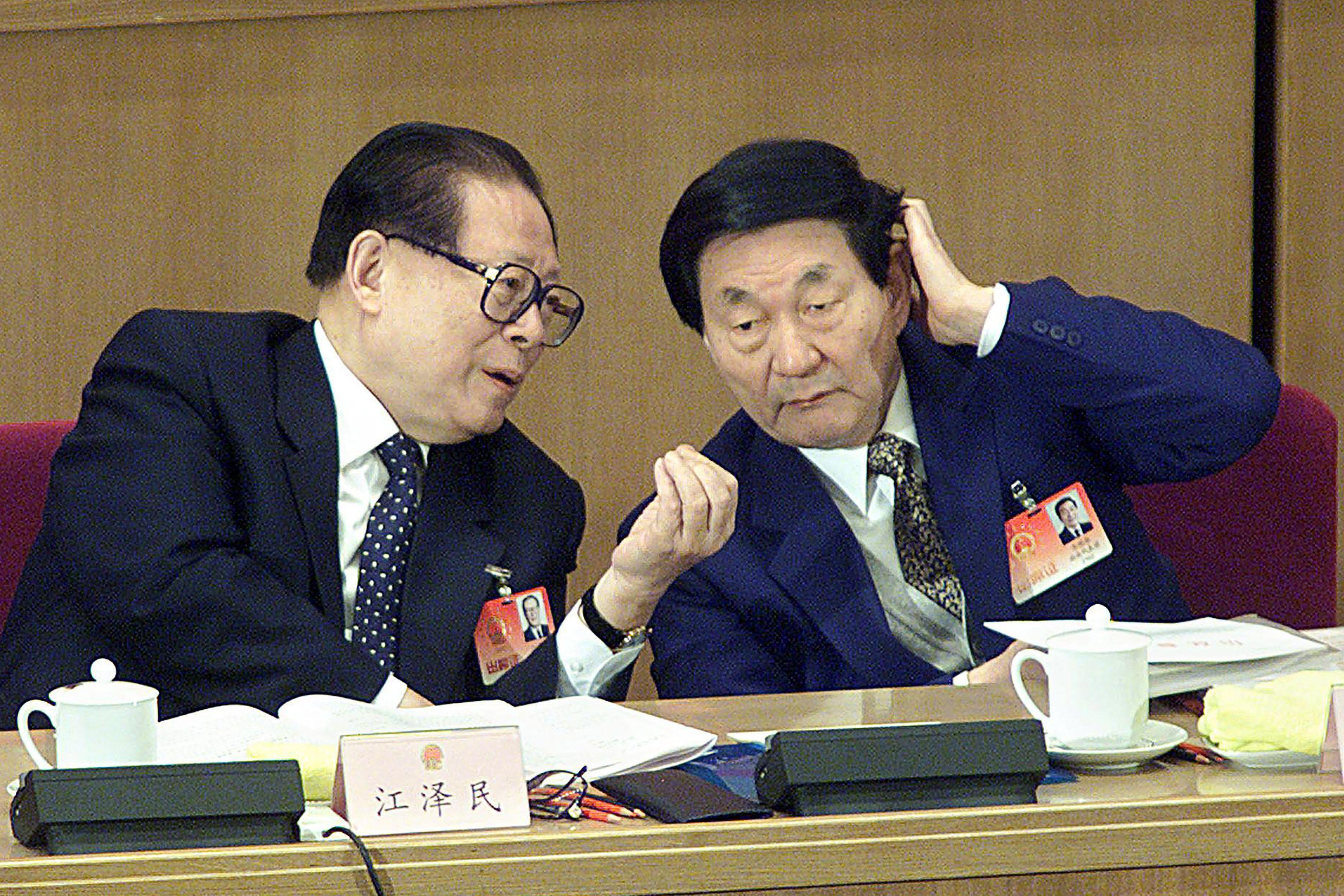
Trump’s H-1B crackdown is starting to drive tech talent back to India, China
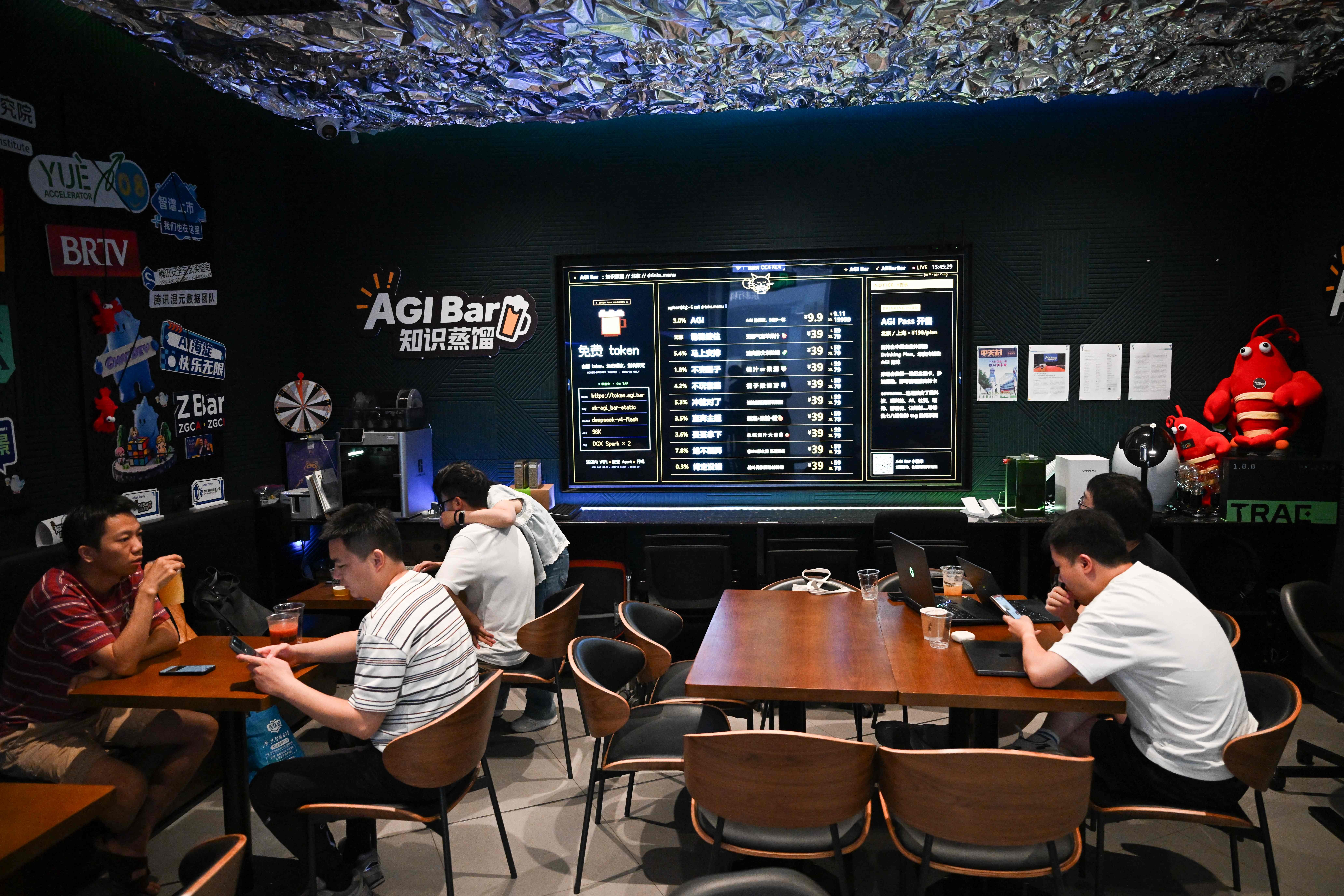
Layoffs and hiring freezes in the US are compounding the uncertainty and risks for skilled migrants.
Japan wants to protect its matcha and more

Japan has lost billions to foreign agricultural counterfeits. Now, it’s raising a legal shield.
How a year-old Hanoi crash exploded into a Gen Z campaign for justice in Vietnam

‘Paying to suffer’: Why Taiwanese travel abroad as foreign tourists fly in
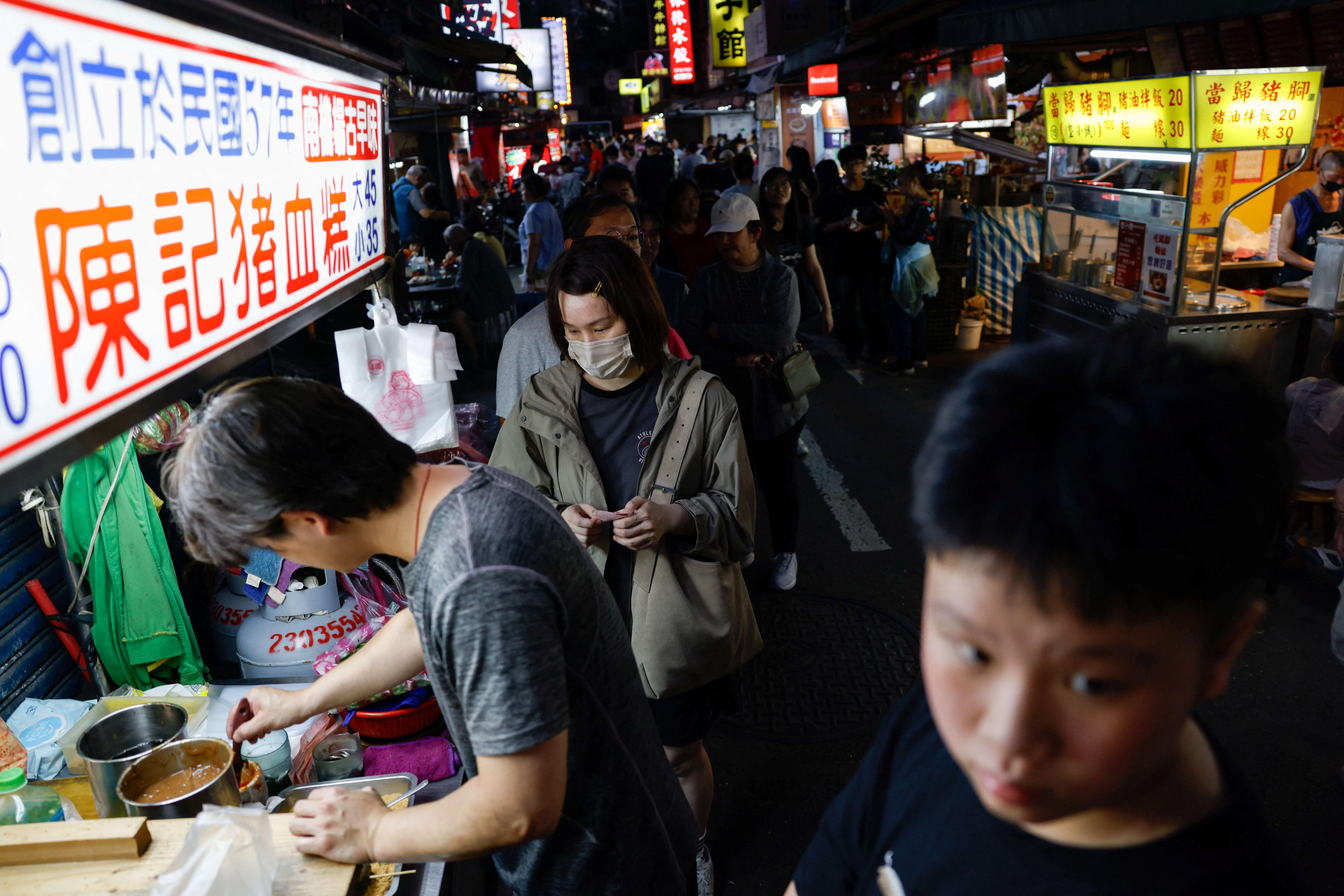
More than 80% of Taiwanese voice a strong preference for international vacations over domestic travel.
Durian trade is a high-stakes hustle in Chinese border town
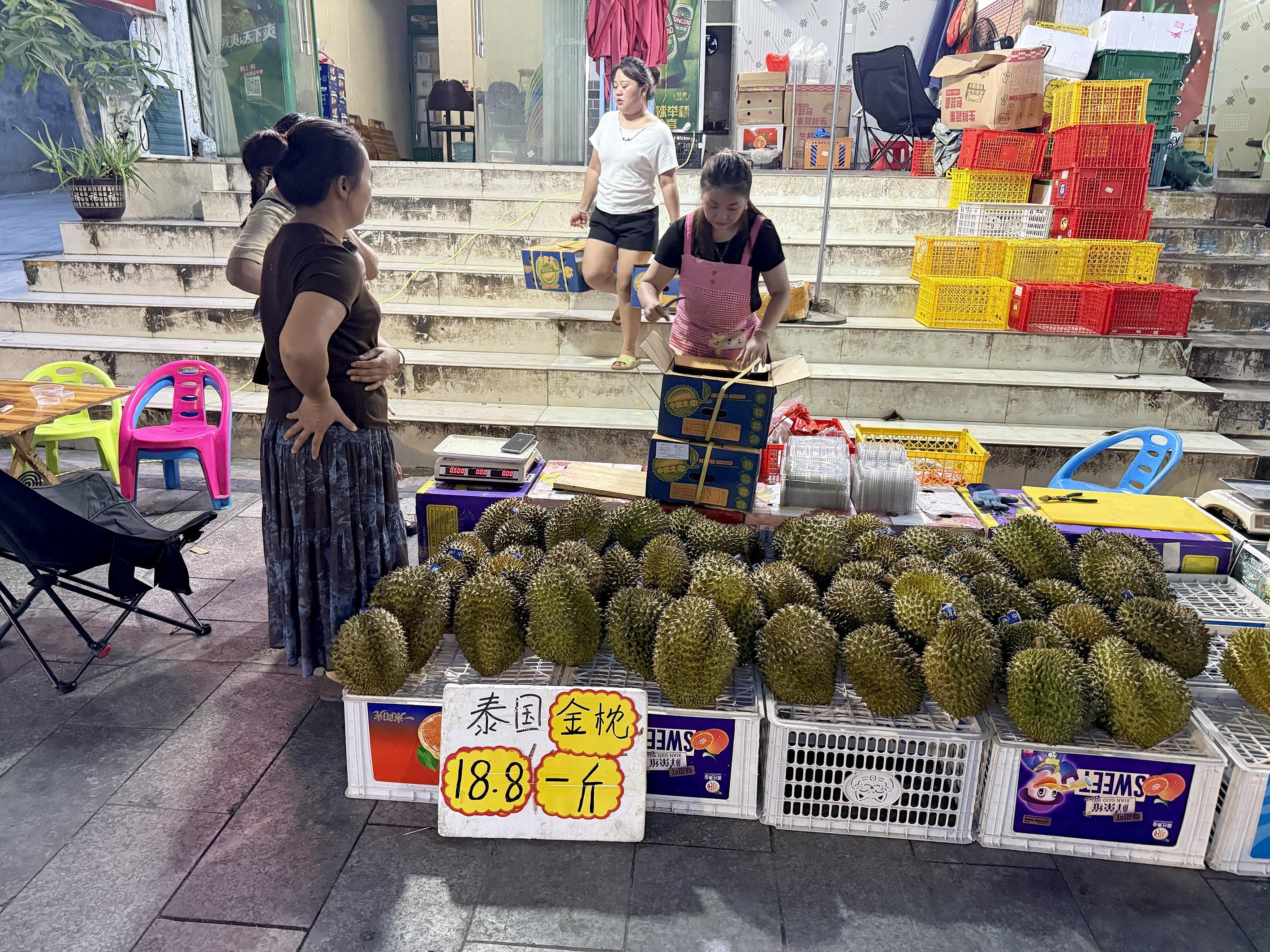
China imported a million tonnes of durian in the first half of 2026, up 51.6 per cent year on year.
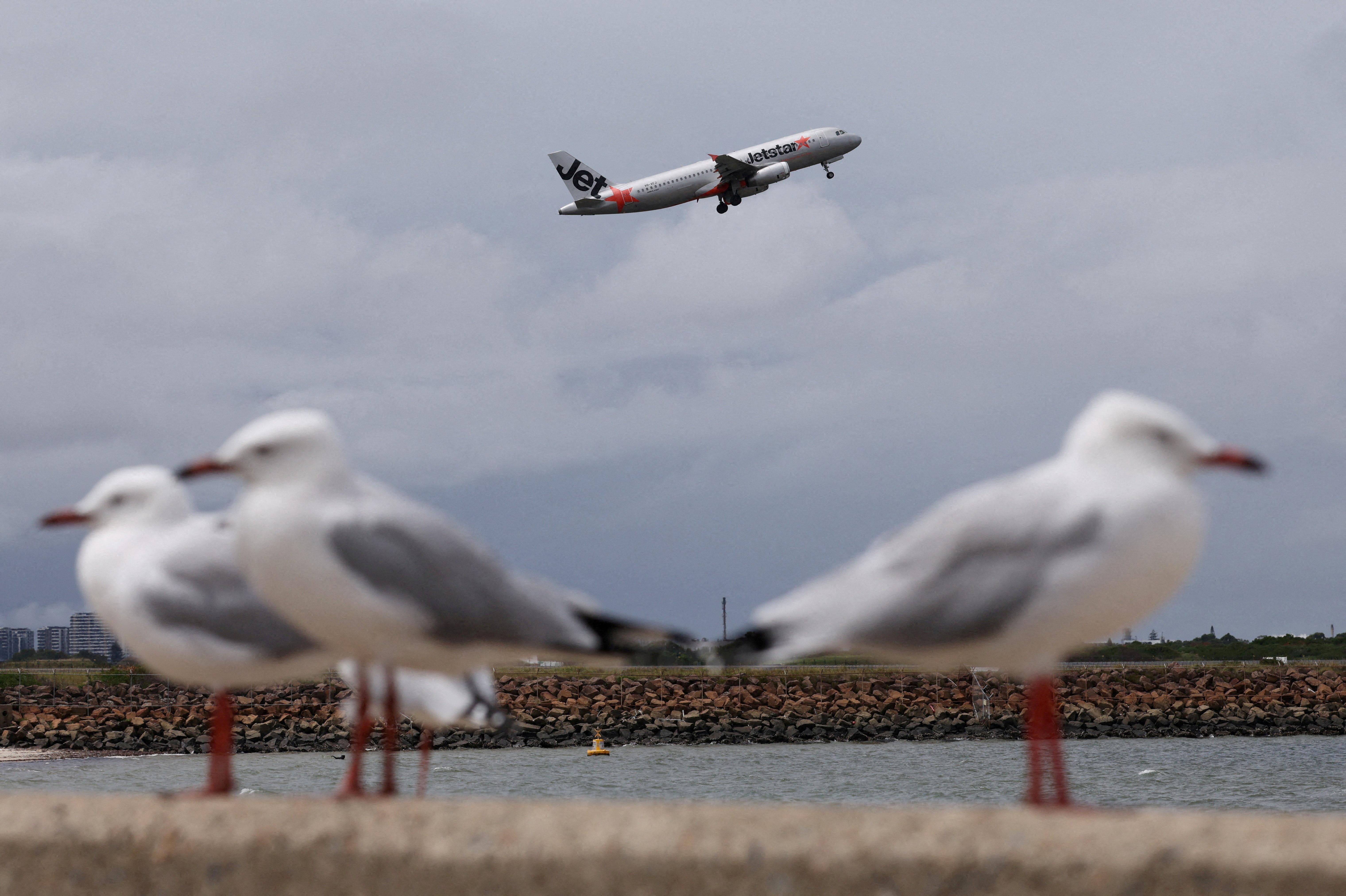
Sydney airport near-misses put spotlight on air traffic controllers
How a northern Philippine town learnt to live with the world’s rarest crocodile

If you received this newsletter from someone, sign up here to get it delivered to your inbox weekly!
If you have any feedback, please drop us an e-mail at st-newsletters@sph.com.sg