
Dear reader,
Many remember that phone call between Indonesian President Prabowo Subianto had with US President Donald Trump when the latter was just reelected in November 2024.
A video of the conversation showed Mr Prabowo unleashing the full force of his warmth on Mr Trump, with Mr Trump responding in kind, “Great job you are doing in Indonesia. Great, great job.”
The aim of Mr Prabowo’s overture was two-fold: to reinforce positive American perceptions of Indonesia; and to make clear Indonesia’s stance of bebas aktif (independent and active) foreign policy. The call had come after Mr Prabowo made two visits that year to rival superpower China.
More than one year on, Indonesia’s long-time bebas aktif position is being tested, given the disruptive nature of Mr Trump’s presidency.
In return for lowering tariffs, the US is demanding that Indonesia purchase US-made maritime surveillance drones for use in waters near the contested South China Sea, wrote ST’s Wahyudi Soeriaatmadja in an exclusive report.
Wahyudi had seen the document prepared by the Indonesian government, which outlined Washington’s stipulations including that Jakarta “readjust” its stance on the South China Sea, and allow the US Department of Defense to increase its presence in the capital – in effect, to station a military detachment.
Saying yes to these demands will mean surrendering to what one analyst colourfully describes as “economic gangsterism” and yielding on policy sovereignty.
But as Yudi also tells me, the choice is not that straightforward.
The US is threatening Indonesia with tariff rates of 32 per cent. A major exporter of footwear and textiles – these hire some five million workers, Indonesia will be at a disadvantage compared to competitors Vietnam, Bangladesh and Sri Lanka whose tariffs are set at 20 per cent tariff. If Jakarta agrees to Washington’s demands, its rate will go down to 19 per cent.
But if it doesn’t, massive layoffs could ensue – a situation that Mr Prabowo can ill afford, coming as it does on the heels of the violent protests led mainly by disenfranchised youths and gig workers that wracked the country in October 2024.
It is a dilemma that no niceties over a chummy phone call can resolve.
This is not the first such brow-raising deal in South-east Asia.
On the sidelines of the Asean Summit in October 2025, Malaysia and Cambodia separately signed reciprocal trade agreements with the US, which included controversial “security clauses”.
As I watched Canada Prime Minister Mark Carney’s speech in Davos this week at the World Economic Forum, what jumped out for me was this line: “When we only negotiate bilaterally with a hegemon, we negotiate from weakness. We accept what’s offered. We compete with each other to be the most accommodating.”
Could Asean have been in a stronger position if it banded together in negotiating with Mr Trump – even as some argue that it serves individual countries’ interests better to get the best deals for themselves?
Professor Danny Quah, formerly dean of the Lee Kuan Yew School of Public Policy who has done a great deal of work in international economic relations, tells me that what Asean nations did was an “epic fail” in the context of the Prisoner’s Dilemma.
“We shoot ourselves in the foot, thinking that by defecting from the group we can get a better deal. We just get picked off one by one, and it's our own fault.”
On why it happened, he says: “I think of it as a lapse away from strategic thinking into myopic reaction.”
Do you agree with him? Write to me at xueying@sph.com.sg
I leave you with a selection of our correspondents’ articles and podcasts.
‘Good-looking’ babies smuggled via Jakarta into S’pore

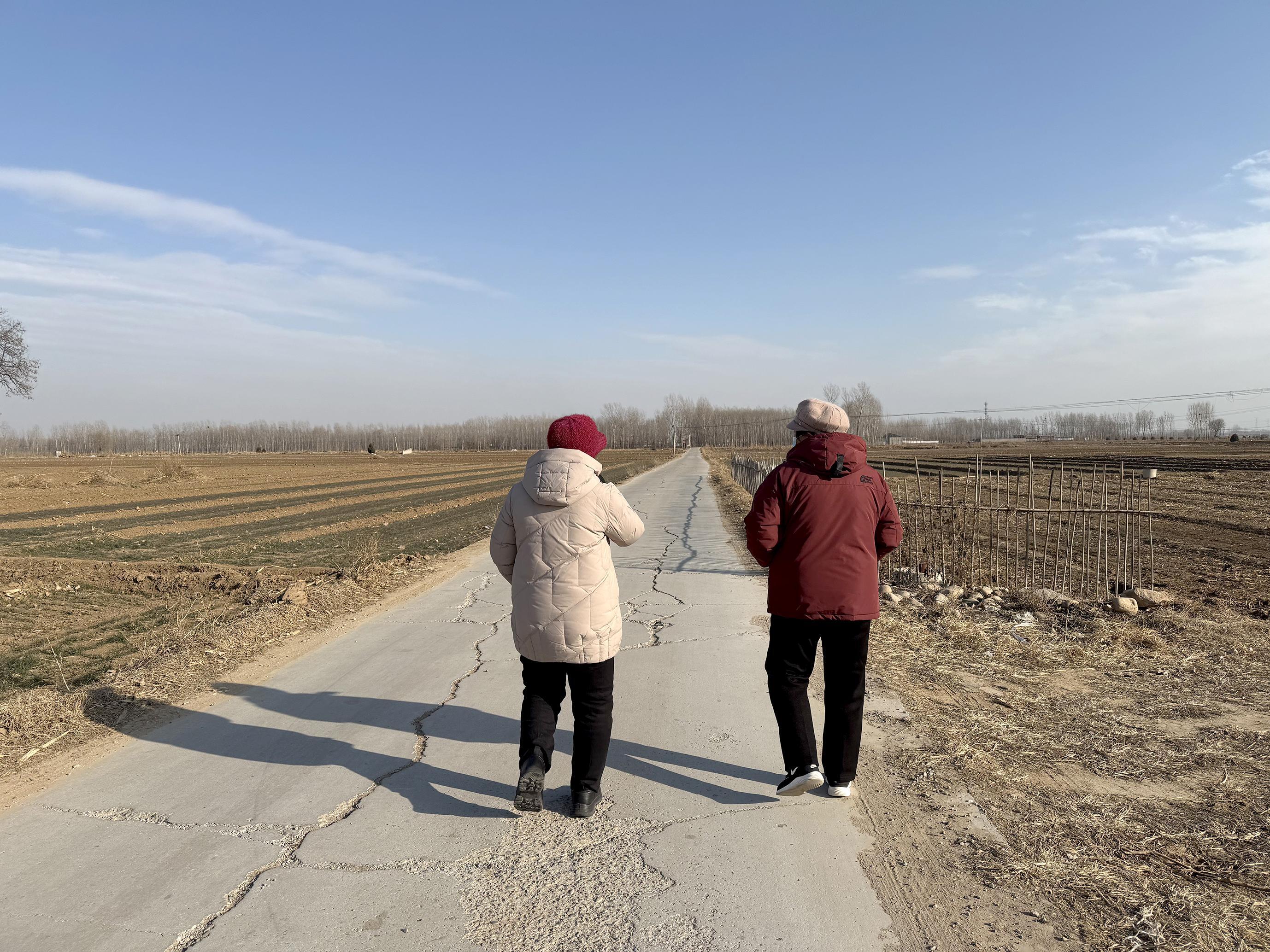
Beijing’s clear blue skies come at an uncomfortable cost
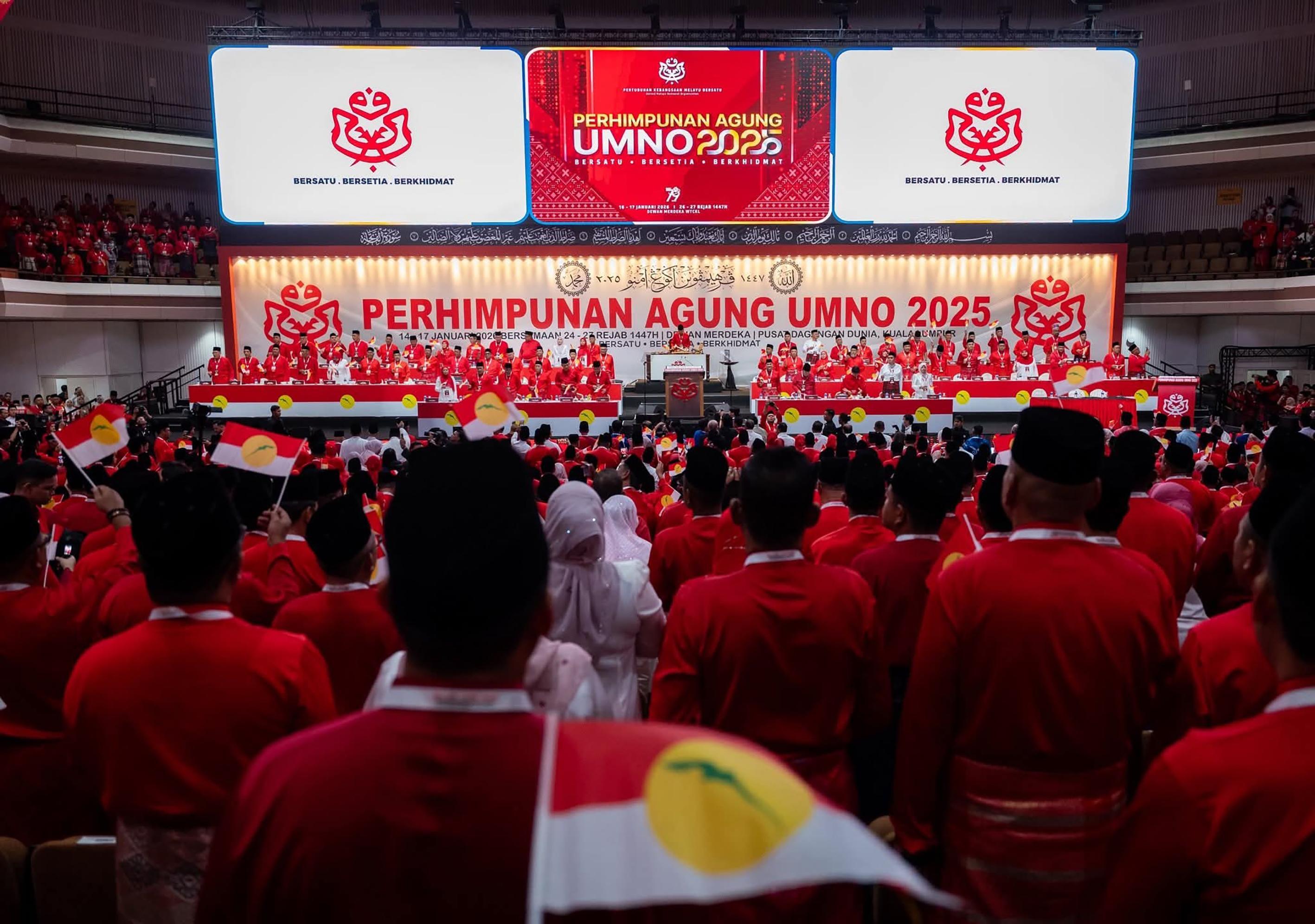
Faced with ‘absurdity of politics’, UMNO plans to fight and befriend rivals at once
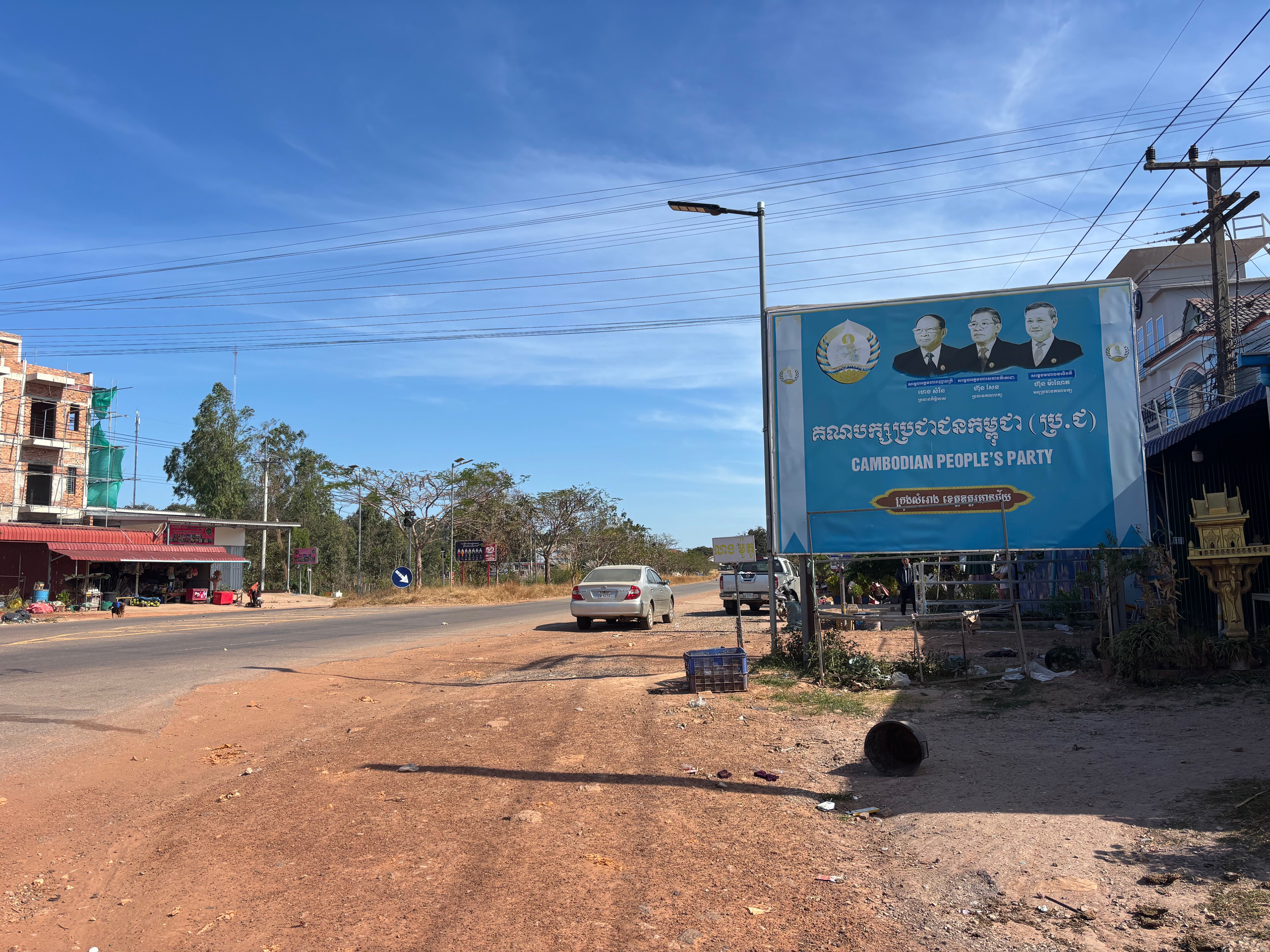
Fear lingers in Cambodian town after Thai strikes on alleged scam sites
Trump’s Greenland tariff threats: What options do European countries have?

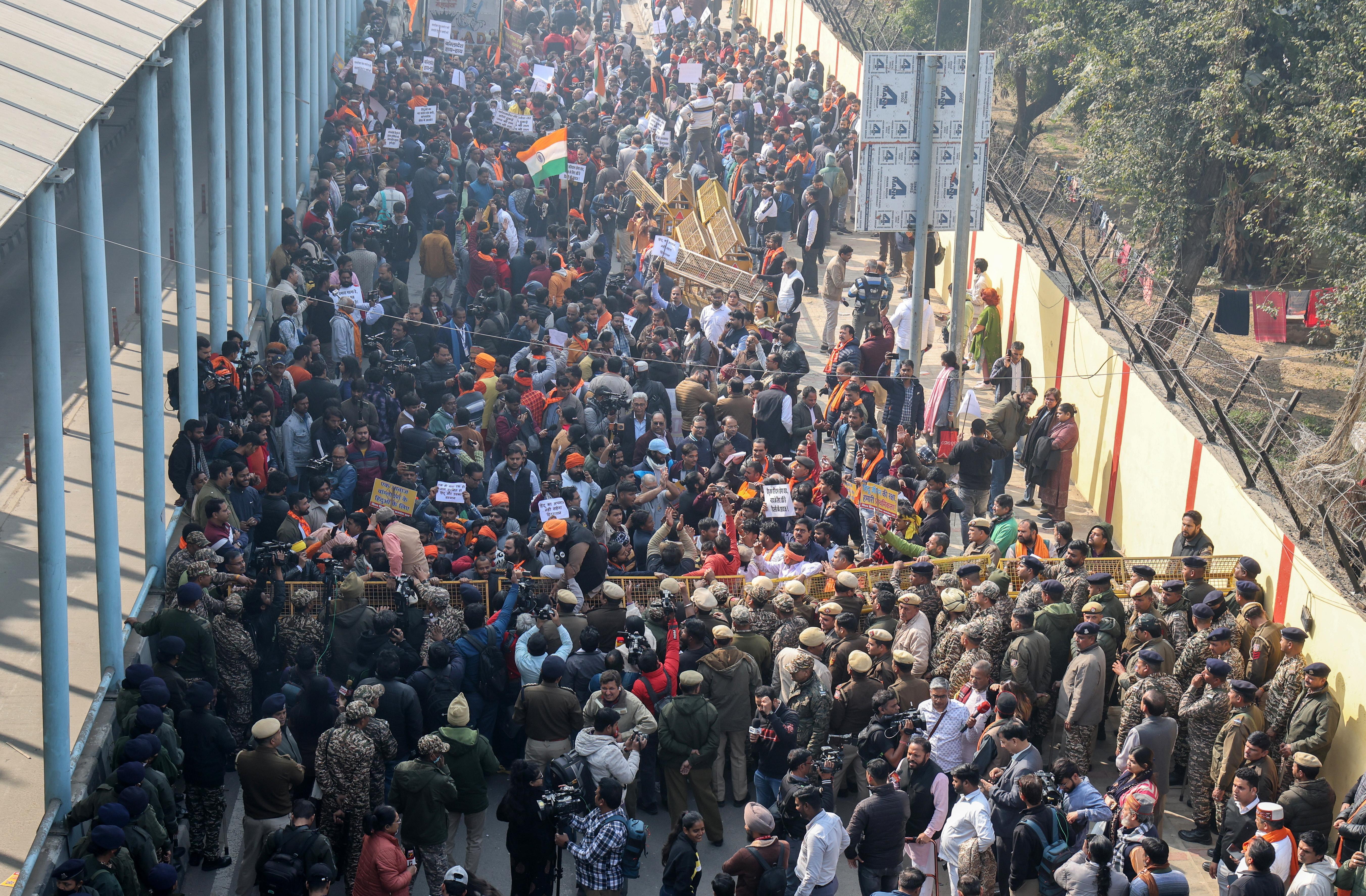
Lynch mobs in India find a new target
S’pore invited to join Trump’s Board of Peace and is assessing invitation
If you received this newsletter from someone, sign up here to get it delivered to your inbox weekly!
If you have any feedback, please drop us an e-mail at st-newsletters@sph.com.sg