
Dear reader,
While on leave last week - it was the September school holidays for kids in Singapore, I picked up a book purely for fun for the first time in a while.
It was my tattered childhood copy of Momo, written by Michael Ende who is most known for The Neverending Story. I dusted it off from a high shelf, meaning to pass it to my 11-year-old daughter, but ended up diving back into it myself.
Momo was published in 1973, but its story, about time-thieves masquerading as bank officials who persuade people to “deposit” their time with them in the belief that they are in fact “saving time” - reminded me of the world, and the devices we have, today.
Ende wrote of those time-thieves: “They had designs on people’s time - long-term and well-laid plans of their own. What mattered most to them was that no one should become aware of their activities. They had surreptitiously installed themselves in the city. Now, step by step and day by day, they were secretly invading its inhabitants’ lives and taking them over.”
So what do these time-thieves persuade the people to do? Mr Figaro the barber stopped chit-chatting with his customers, finishing them off in 20 minutes instead of 30. Salvatore the bricklayer did his work in a slapdash manner, hurrying to finish an entire floor in a day. Parents bought their children expensive toys - for instance, model robots that waddled along with eyes flashing and heads swivelling but that was all - so that they didn’t have to spend time telling their kids stories. Folks stopped daydreaming, talking to one another, laughing over a shared joke.
Everyone “saved” their hours, which then went to the time-thieves.
In our real world, in 2026, as we spend minute by minute, hour by hour, day by day on our devices which boost our productivity and increase convenience - I love that I can send a work email out on the go, pay my bills on an app, a question worth thinking about is: what exactly are we using our saved hours for? Where is our saved attention going, instead?
Over the years, my phone tells me that I am spending five, six, then seven hours a day staring at it. I certainly don’t spend as much time looking at my children.
Could it go up further? Perhaps, if I join the queue for the new Apple iPhone Duo. My colleague, Opinion editor Lin Suling, writes about her mixed feelings here: “The idea that your phone can transform into a mini iPad with a larger screen and enable better video-viewing, gameplay and endless Instagram scrolling sounds like both the best and worst development since the advent of the iPhone.”
It is the prerogative of attention merchants to make their devices as engaging as possible. It is also our prerogative for us to put them down.
Apprehensions about technology this past week extended to AI, with Anthropic chief executive Dario Amodei warning that AI could be capable within six to 12 months of coordinating swarms of autonomous agents powerful enough to take over the internet. His call was supported by some of his biggest rivals – OpenAI’s Sam Altman and Google DeepMind’s Demis Hassabis. xAI’s Elon Musk and Microsoft’s Satya Nadella.
But in spite of what seems like a gathering storm of industry and public opinion against the hurtling speed at which AI is developing, the US government is unlikely to slam on the brakes. US bureau chief Bhagyashree Garekar explains why.
Can technology be bottled? I doubt it. And there is certainly no political will for it, when AI has been cast as the most consequential arena for competition between the US and China. We will be publishing later this week an essay by my colleagues Lim Min Zhang, Philip Wen and Joyce ZK Lim on the stakes involved. Do look out for it.
As usual, I leave you with a selection of our correspondents’ articles and podcasts.
_____________________________________________________________________
Indonesia needs to grow more rice, corn and sugar. Can its forests survive?
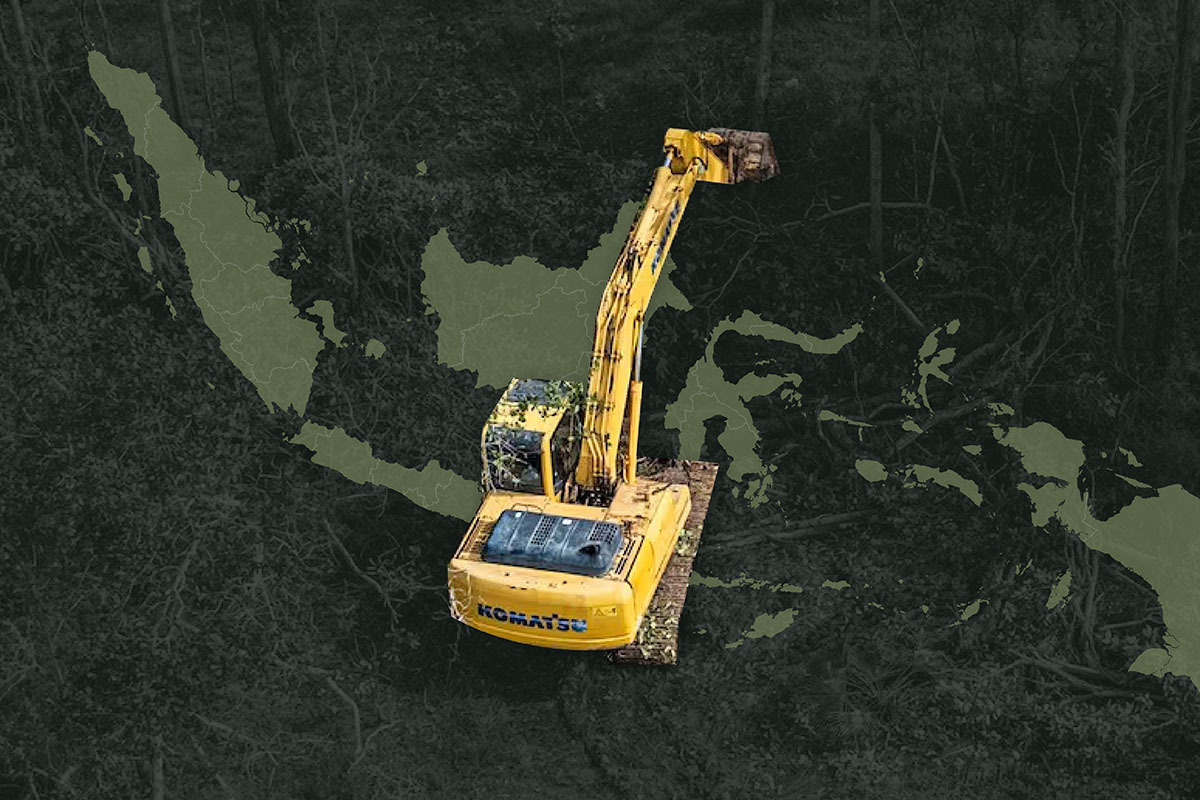
Millions of hectares of forest are a risk from Indonesia's ambitious crop production schemes.
Cambodia, Thailand kick off maritime conciliation in S'pore with a fiery start
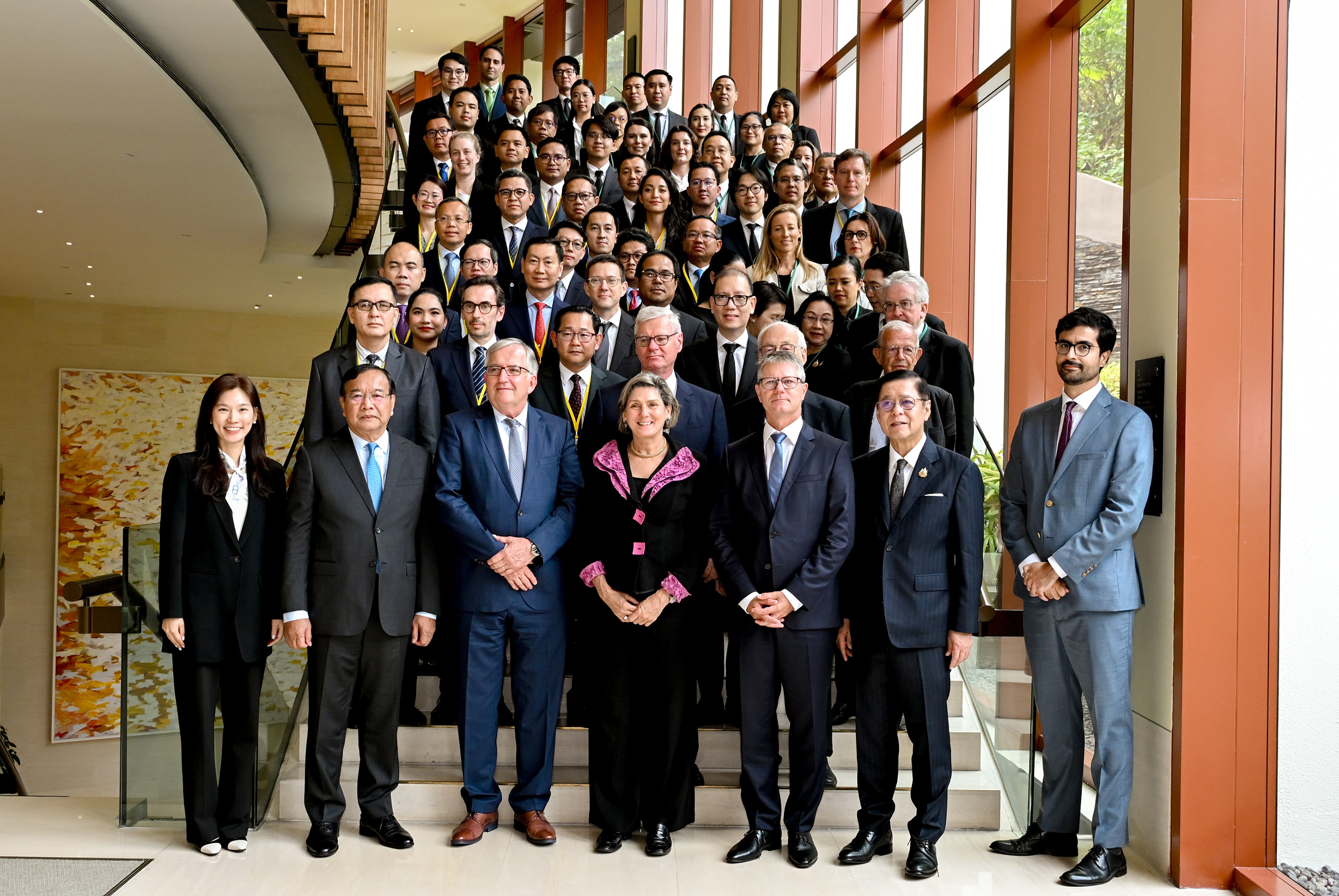
Despite Thai Foreign Minister's strongly worded speech, analysts are optimistic the two countries can resolve differences.
Prabowo replaces Finance Minister in long-awaited Indonesian Cabinet shake-up
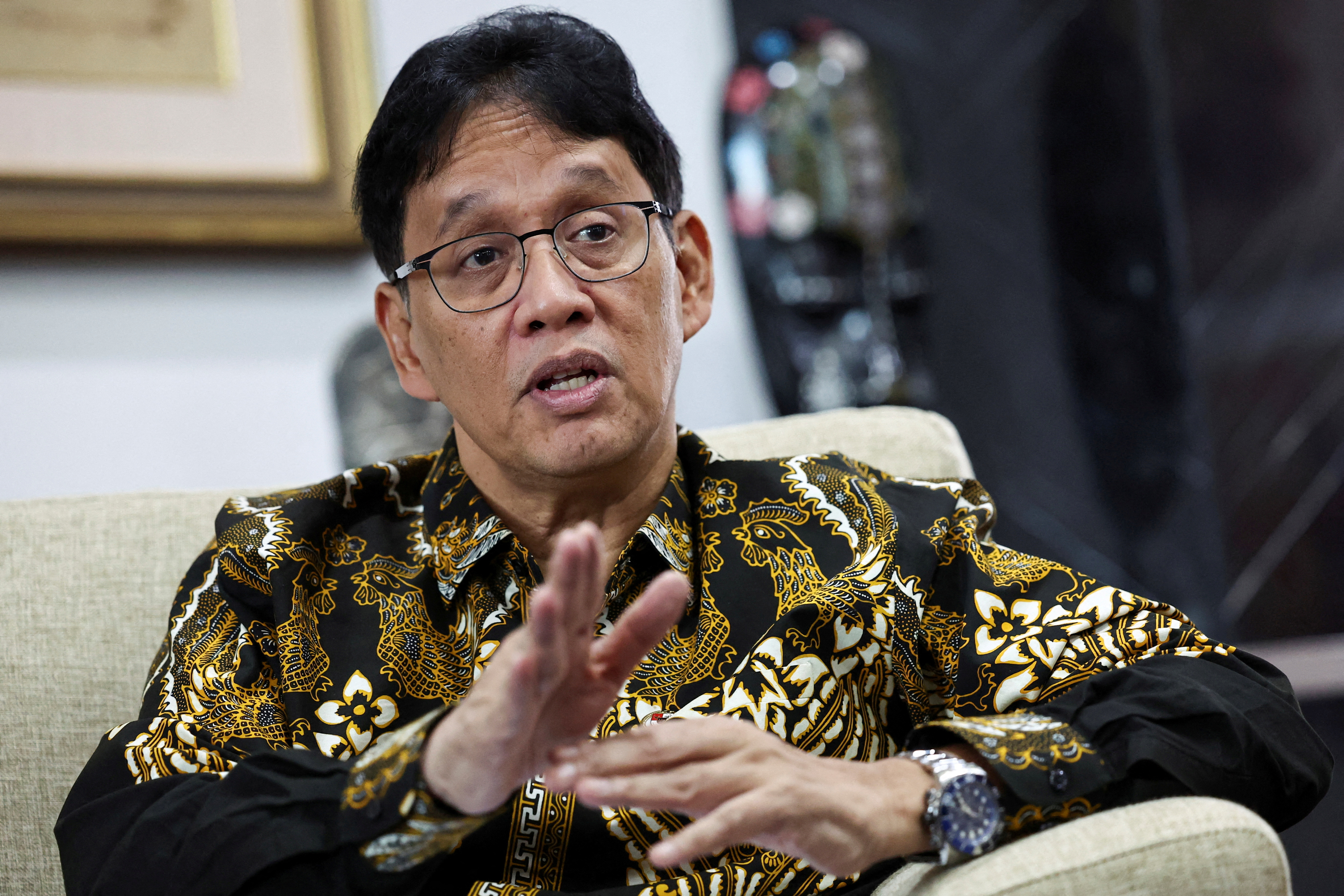
Purbaya’s departure comes after speculation amid investor concerns over Indonesia’s fiscal policy.
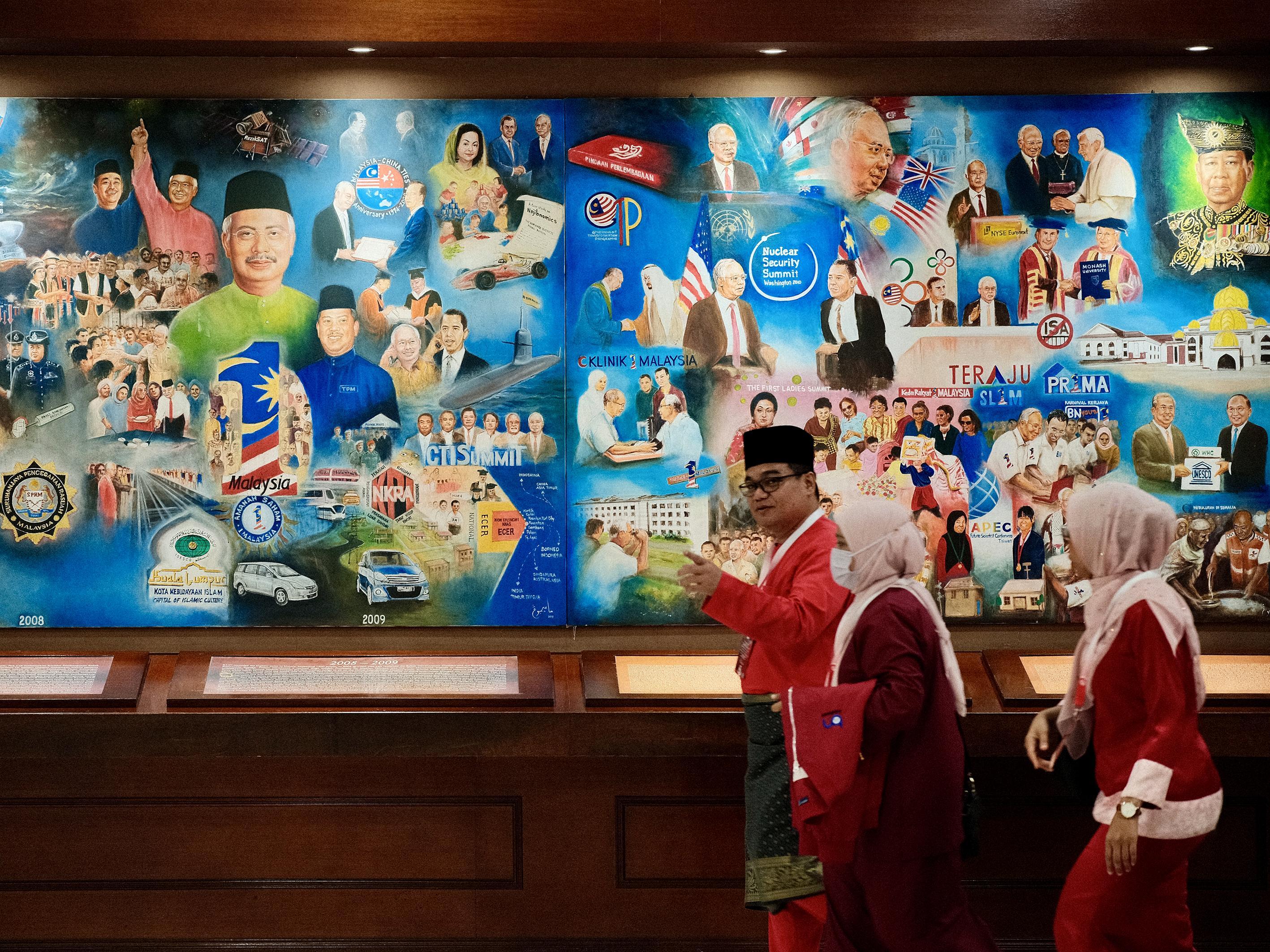
Four years of uneasy alliance cannot erase decades of UMNO’s distrust against PH allies
Why it would be folly to discount the US’ ‘bipolar’ military

Preoccupied or not, the US' military presence in East Asia remains a major deterrent to China.
Ordinary Nepalis pull together for flood victims
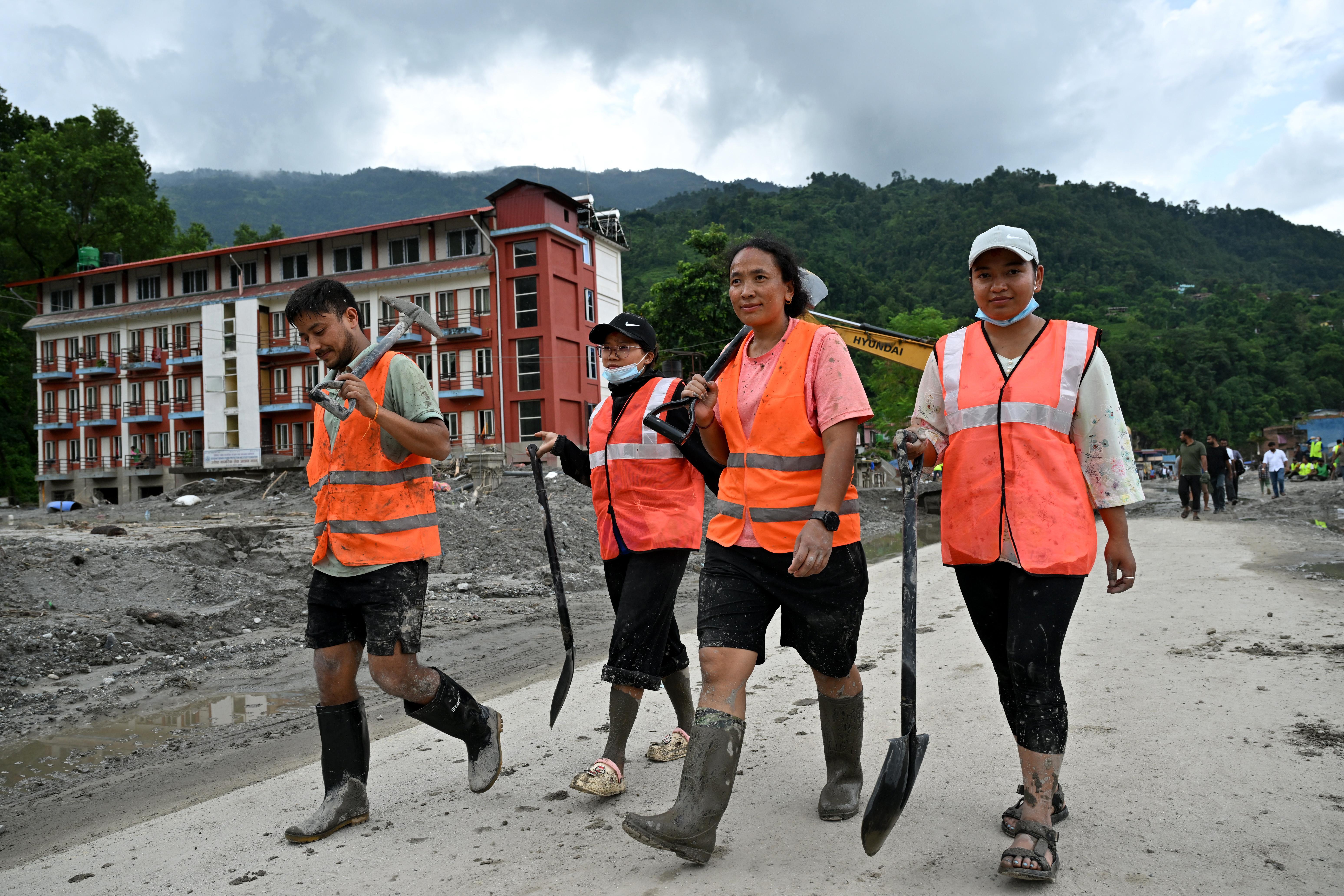
As global aid trickles in, many Nepalis are also stepping up to facilitate the country's recovery.
Can KL become South-east Asia’s concert hub?

Malaysia is cutting costs and red tape to draw international acts and regional concertgoers to KL.
Leaving Taiwan after four years: What I learned
Taiwan correspondent Yip Wai Yee reflects on her four-year journey in this special farewell episode.
If you received this newsletter from someone, sign up here to get it delivered to your inbox weekly!
If you have any feedback, please drop us an e-mail at st-newsletters@sph.com.sg