
Dear reader,
On Feb 8, people of Thailand went to the ballot box to choose the party they want to lead the country.
At 10pm, the media, including The Straits Times, at the Bhumjaithai party headquarters caught glimpses of a beaming Anutin Charnvirakul as he arrived. And by 11.30pm, it was over: Mr Anutin declared victory while the youthful, reformist People’s Party – which won the most seats at the 2023 election and was predicted to repeat that success – conceded.
For our Indochina bureau chief May Wong, earlier signs were there to see. Thai voters, exhausted and disheartened by the political rollercoaster that their country has been on since the 2014 military coup, just wanted stability and “a better economy” to deliver wages, jobs, education and means to deal with rising cost of living.
May, who was covering her third Thai general election in eight years, said: “From the rural provinces I visited to the capital of Bangkok, barely anyone I spoke to mentioned that they want political change.”
Unprecedented calls for reform – including of the monarchy – starting from the 2020/21 students-led protests had simply gone nowhere, with the existing power structure blocking the reformers. As May notes: “The administration remains pretty much the same, the systems are intact, the rules and laws haven't changed. So the protests may have opened up conversations and elevated unspoken topics like monarchy to the surface but it hasn't changed anything.”
But the 2026 election outcome is not merely about a disenchanted electorate.
It was also propelled by an active swing towards nationalism and a resurgence of what is known as “Thai-ness”.
What is Thai-ness? It encapsulates “nation, religion, monarchy” and is a word that's been either hated or loved by Thais, says May. The ones who love it, unsurprisingly, are usually the conservatives and those who are pro-monarchy. The youths rejected it and saw it as a mere front to protect traditional institutions and values.
But now, it has become something that Thais across the spectrum are rallying around, as part of a call for “togetherness”.
For the longest time, they were unaffected by the prospect of war or a sovereignty dispute. But the Thailand-Cambodia border conflict has shaken that sense of security and is greatly shaping their national identity today. The savvy Mr Anutin, in turn, has placed Thailand’s sovereignty front and centre of his campaign, helping him win over voters, including those who did not previously care for the military.
Political reforms are now on the backburner. “It's not that the young citizens have given up or no longer want change. But it may take something major or spectacular to galvanise them and emotionally drive them to return to the streets,” May assesses.
Stay with us as May and fellow Bangkok-based regional correspondent Philip Wen continue to report in and around Indochina.
There will be no Asian Insider newsletter next week, as much of Asia – including us in Singapore – breaks to mark Lunar New Year. For those who celebrate, a happy new year.
Boom for Busan as Chinese cruise lines skip Japan amid Beijing-Tokyo tensions
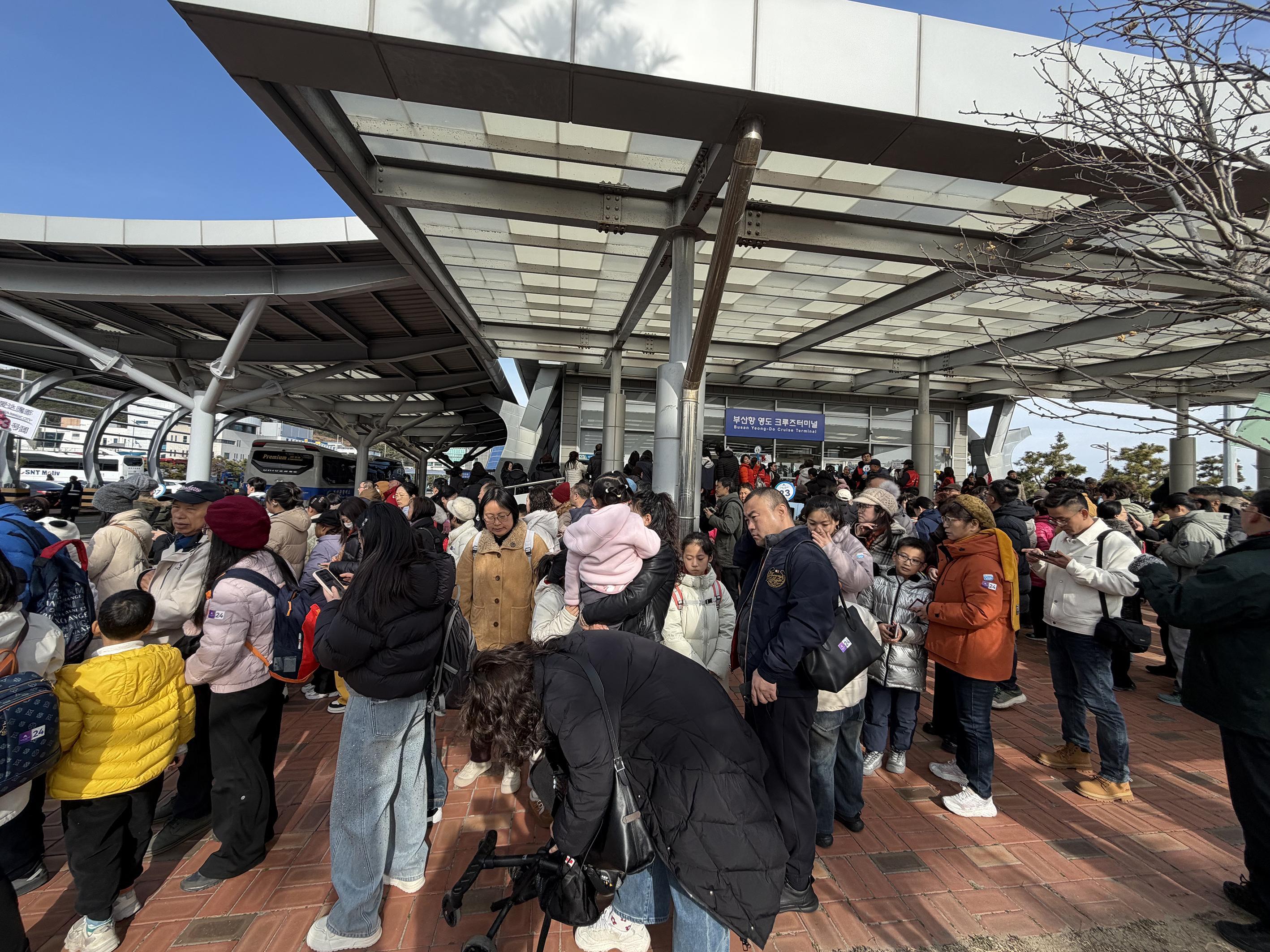
Incheon and Jeju are also reporting an increase in the number of Chinese cruise ship arrivals.
India’s Kerala state rolls out new form of ID: Protection or exclusion?
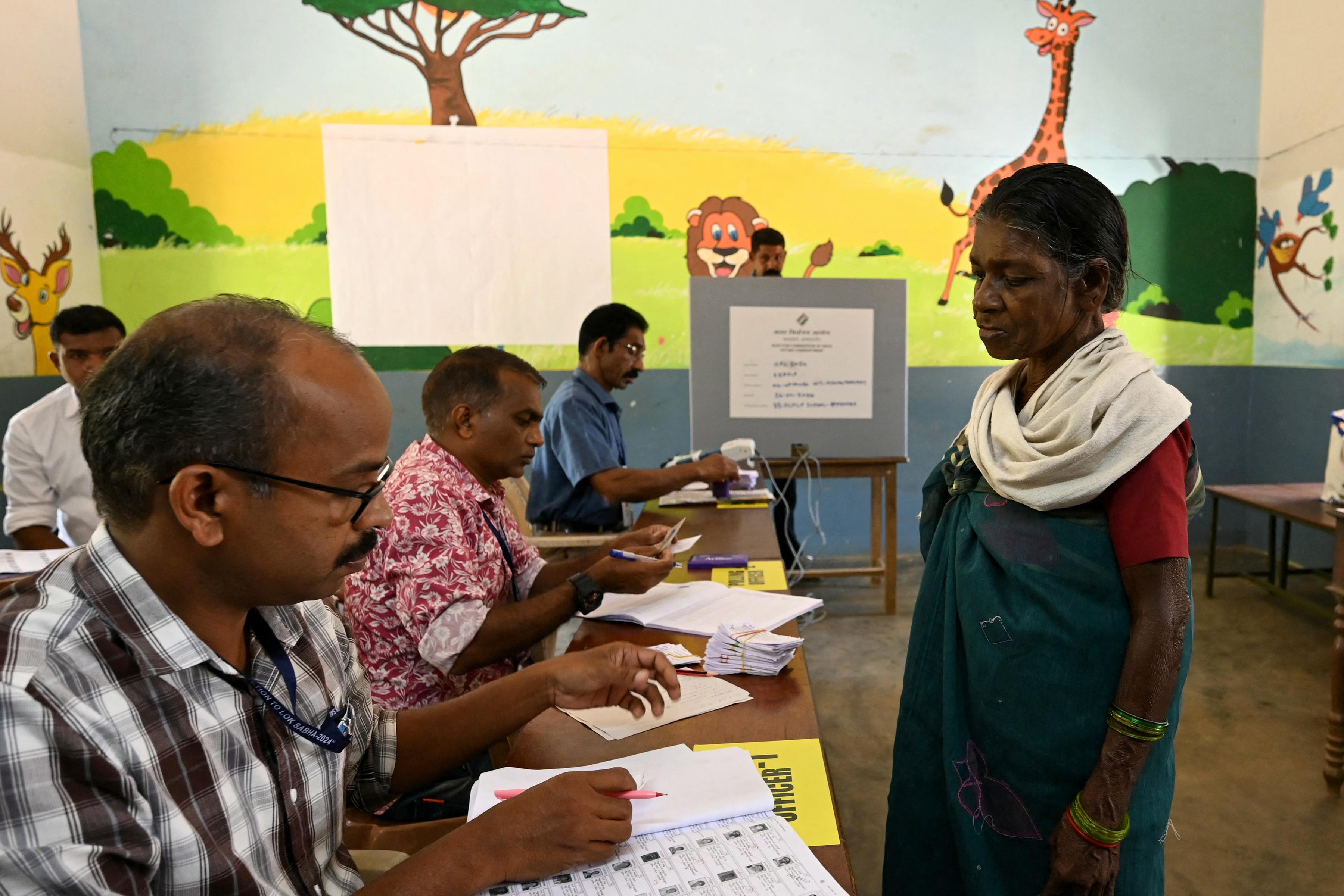
The nativity card, the first in India, is for residents seeking access to services in Kerala.
In Texas, Republicans make syariah a focal point of election campaigns

The promise to fight an “Islamification” of Texas serves to mobilise voters in defence of American values.
China-Japan ties set to remain strained after Takaichi’s landslide election win
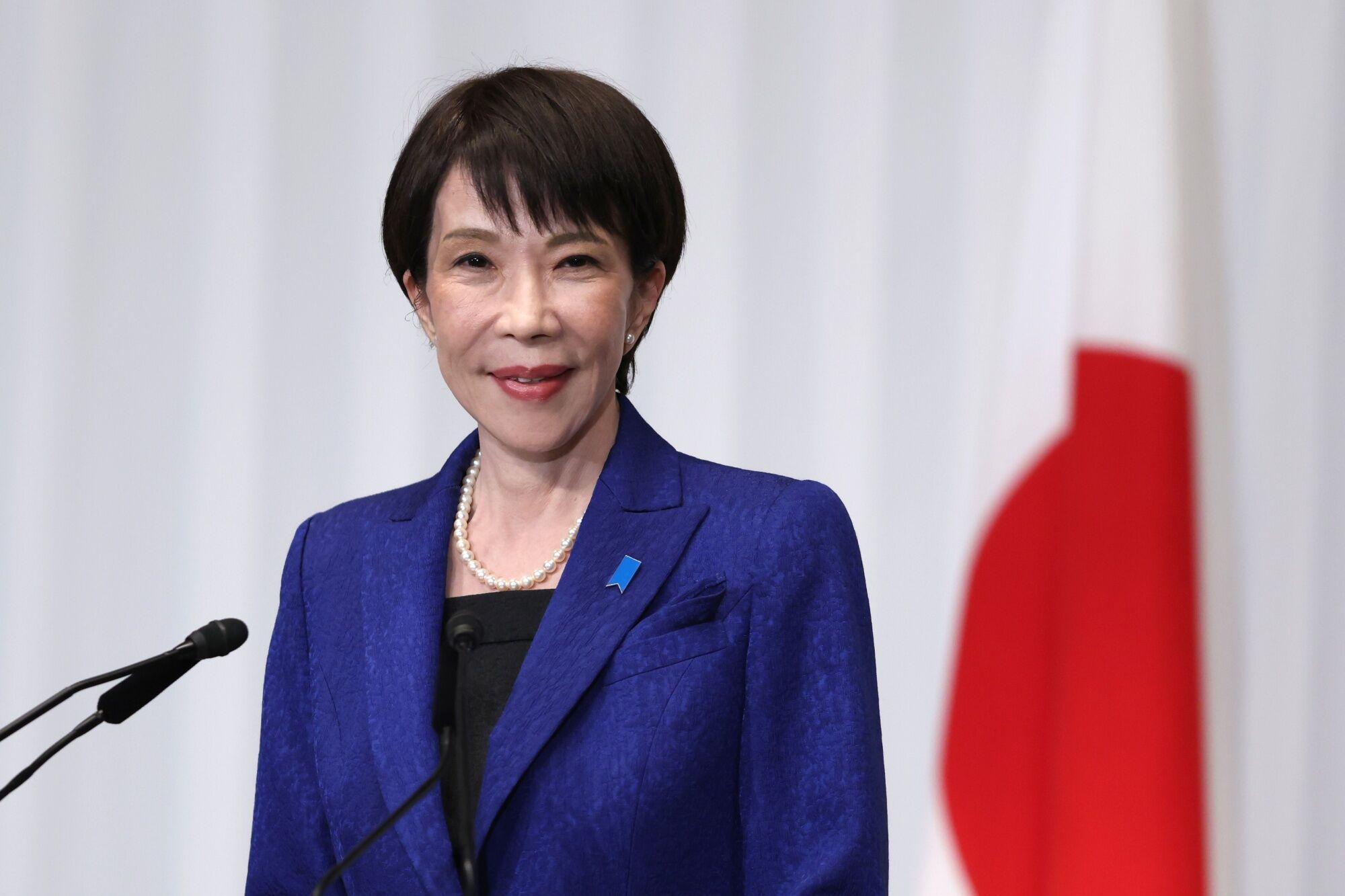
But Beijing could be looking for a way to coexist peacefully with PM Takaichi, said one analyst.
Hong Kong’s tolerance for shortcuts has turned deadly

Hong Kong prides itself on being a first world city. So how did such a thing like the Tai Po fire happen?
A spat between a restaurant and an influencer was out of control. Then Beijing stepped in
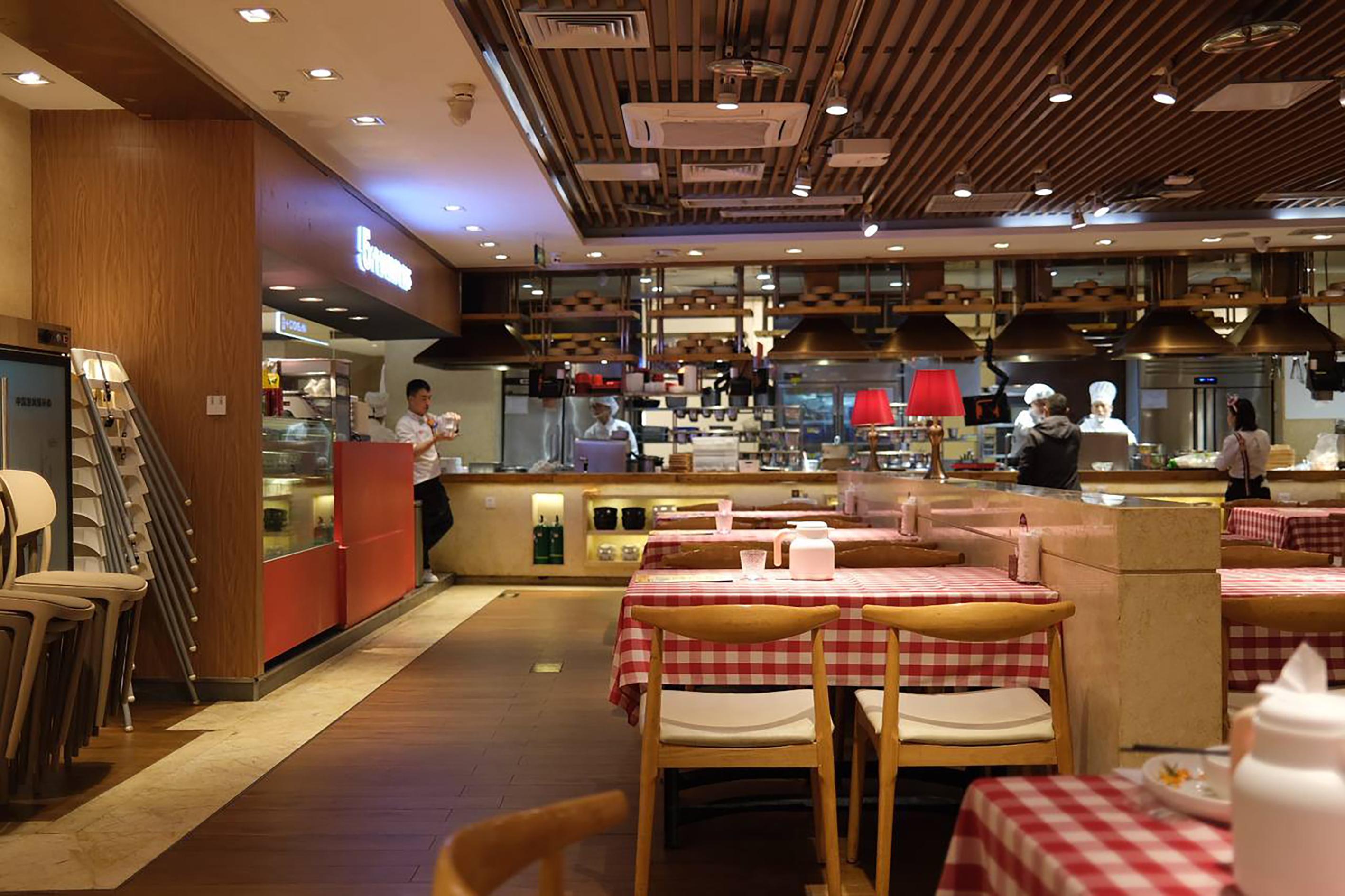
Some 4,000 jobs will be lost as restaurant chain Xibei shuts over 100 of its outlets due to loss of business.
How Malaysia became a powerhouse in producing CNY songs
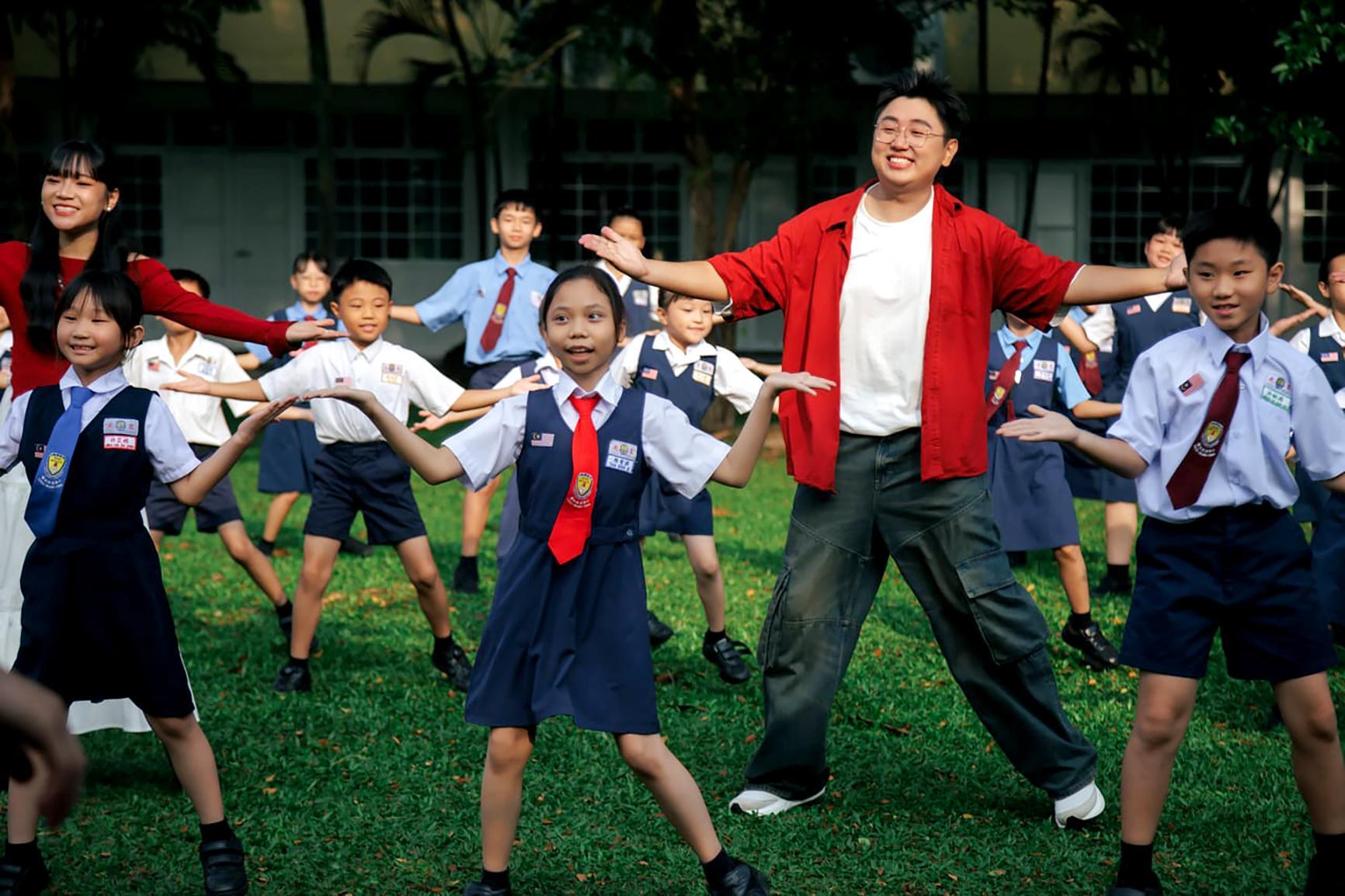
Many tunes are jaunty, with lyrics in a mix of Mandarin, Chinese dialects, English and Malay.
If you received this newsletter from someone, sign up here to get it delivered to your inbox weekly!
If you have any feedback, please drop us an e-mail at st-newsletters@sph.com.sg