
Dear reader,
In a diverse nation of foodies, the beginnings of a new divide in India is showing: “essential” menu items versus those that are, well, not.
On March 10, a popular restaurant chain in India, Sangeetha Veg, announced that it will be trimming its menu. “Due to the ongoing geopolitical crisis in the Middle East, the restaurant is currently facing significant constraints in the LPG supplies,” it said in a memo to customers. It will, with immediate effect, offer a “limited menu” to “focus only on essential items”.
Another restaurant chain, Annapoorna, issued a similar notification the same day.
I asked our India correspondent Debarshi Dasgupta what qualifies as essential items and what doesn’t. The former, at a conventional South Indian restaurant, would most likely include dosa or thosai, and idlis, a rice cake - “all basic and fast-moving items”, he says. Off the menu are the “fancy ones that take longer to cook” ranging from “malai koftha” (cottage cheese dumplings cooked in a tomato-onion gravy) to “dragon roll” (a deep-fried vegetable roll).
The impact of trimmed menus due to gas shortages pales in comparison, of course, to the tragedy of those caught directly in the cross-fire of the widening conflict in the Middle East. But they underscore the extent to which the war’s effects are rippling out in Asia. Households, small businesses, workers and consumers are already feeling the pain, as our bureaus across Asia report.
One Kolkata roadside tea-stall owner is now carefully counting the number of cups of tea his regular customers are having. “If someone had three cups of tea a day, he will now have just one,” he frets, worried about inflationary pressures dampening people’s willingness to spend.
This is even as he grapples with the rising costs of making tea. Indian state-run oil marketing companies have raised the price of domestic cooking gas, pushing rates to their highest level in over two years.
And, over in the Philippines, the tens of thousands of jeepney drivers and operators’ earnings have already been squeezed. The chairman of a group representing about 50,000 of them tells Philippines correspondent Mara Cepeda that they have seen their daily income nearly halved after factoring increased fuel prices.
Nearly two weeks after the war started, it shows little sign of abating. US bureau chief Bhagyashree Garekar lays out why US President Donald Trump’s fighting words of ending the war “very soon” are just that, for now.
Global affairs correspondent Jonathan Eyal, meanwhile, sets out why Iran’s choice of its new leader, the late Ayatollah Ali Khomenei’s son Mojtaba Khamenei, is a thumbing of the nose not just at Mr Trump, but also two of the Islamic Republic’s cardinal principles.
We will continue to bring you the latest updates on the ongoing conflict.
In 2026, Deng Xiaoping’s advice to lie low makes a tactical return
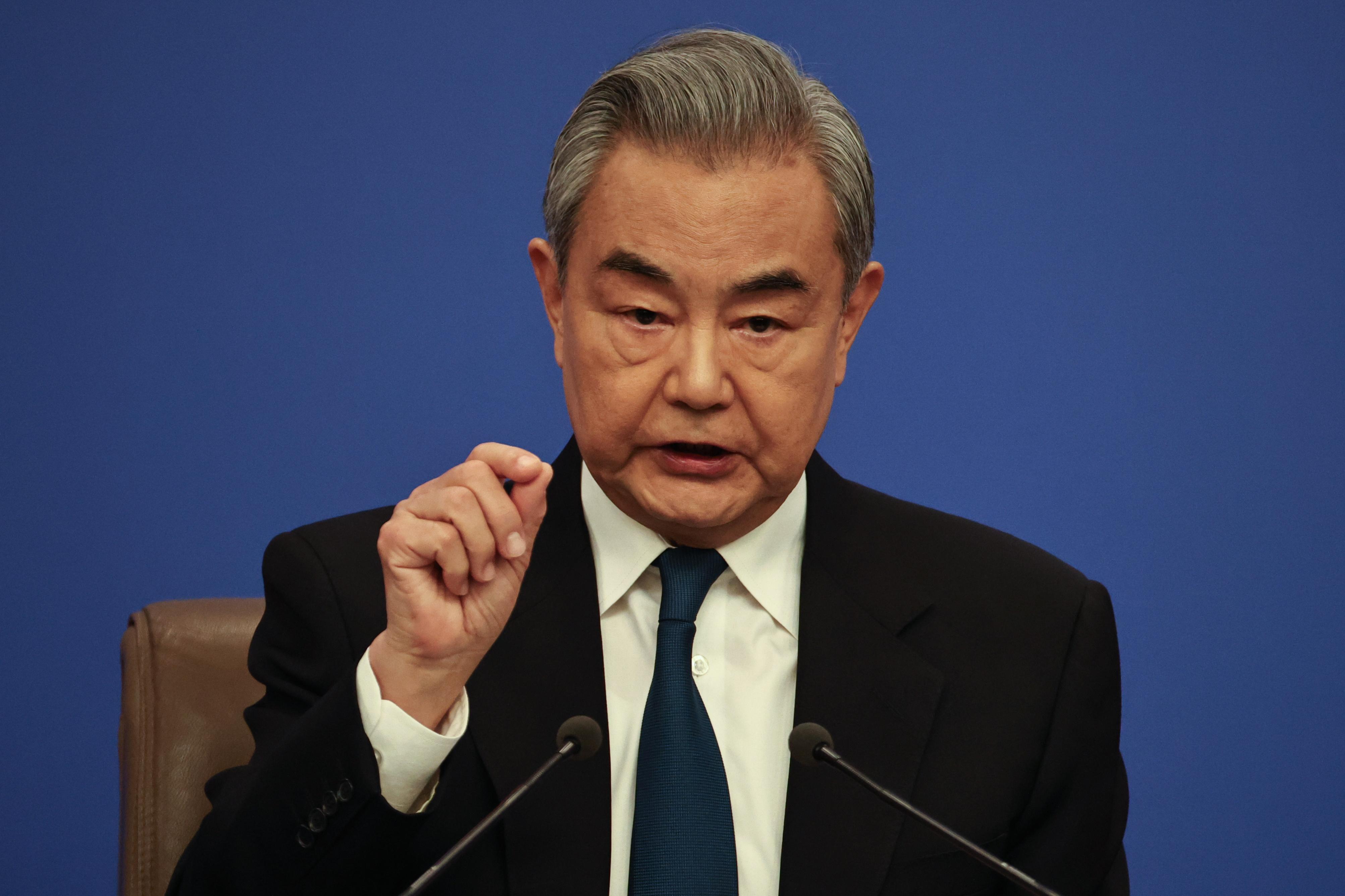
Beijing’s message to HK: Get your act together
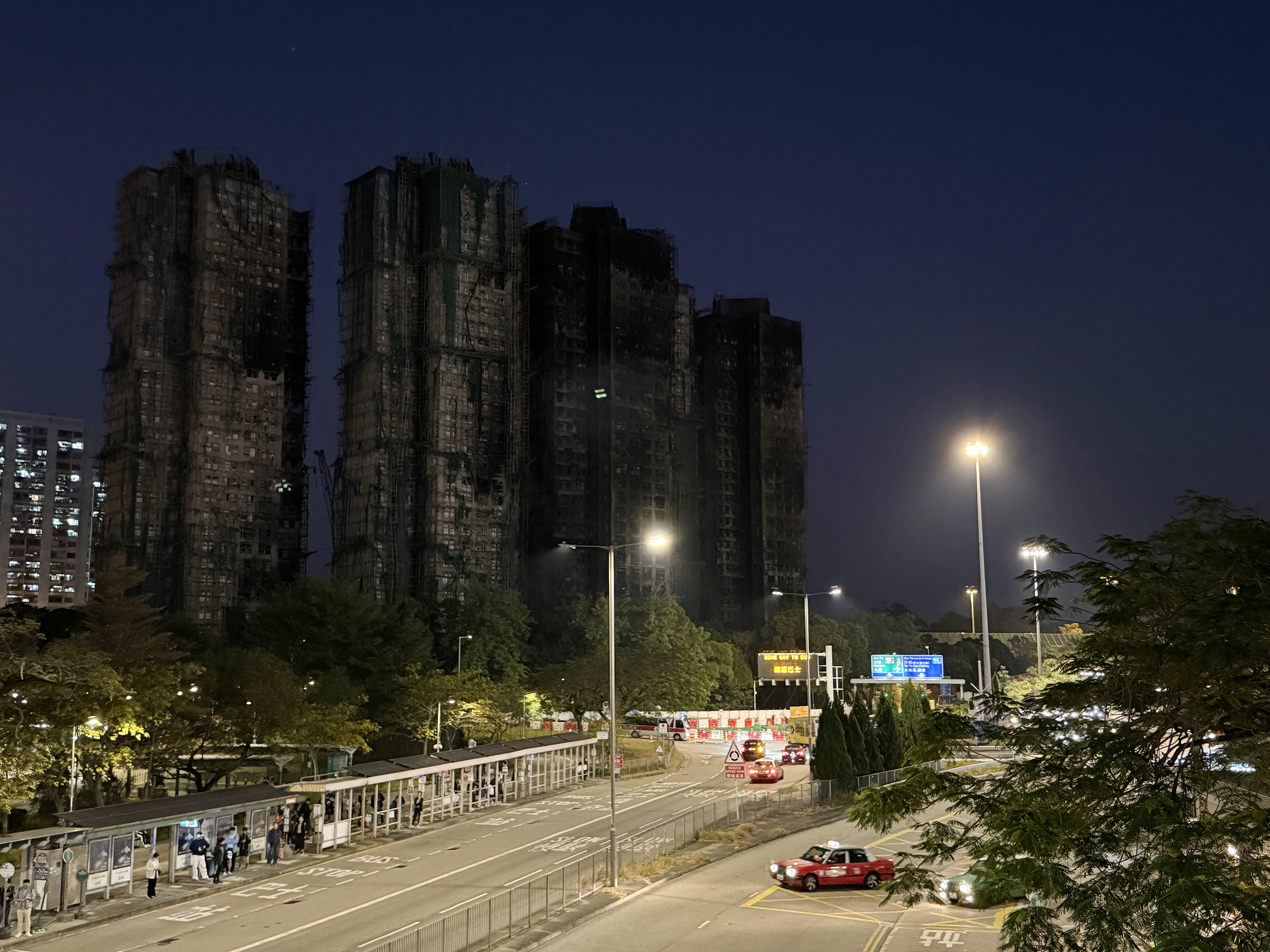
Even Chinese Premier Li Qiang raised the issue for the first time in his annual work report.
‘Crazy’ Yangon property prices even as Myanmar’s economy struggles amid civil war
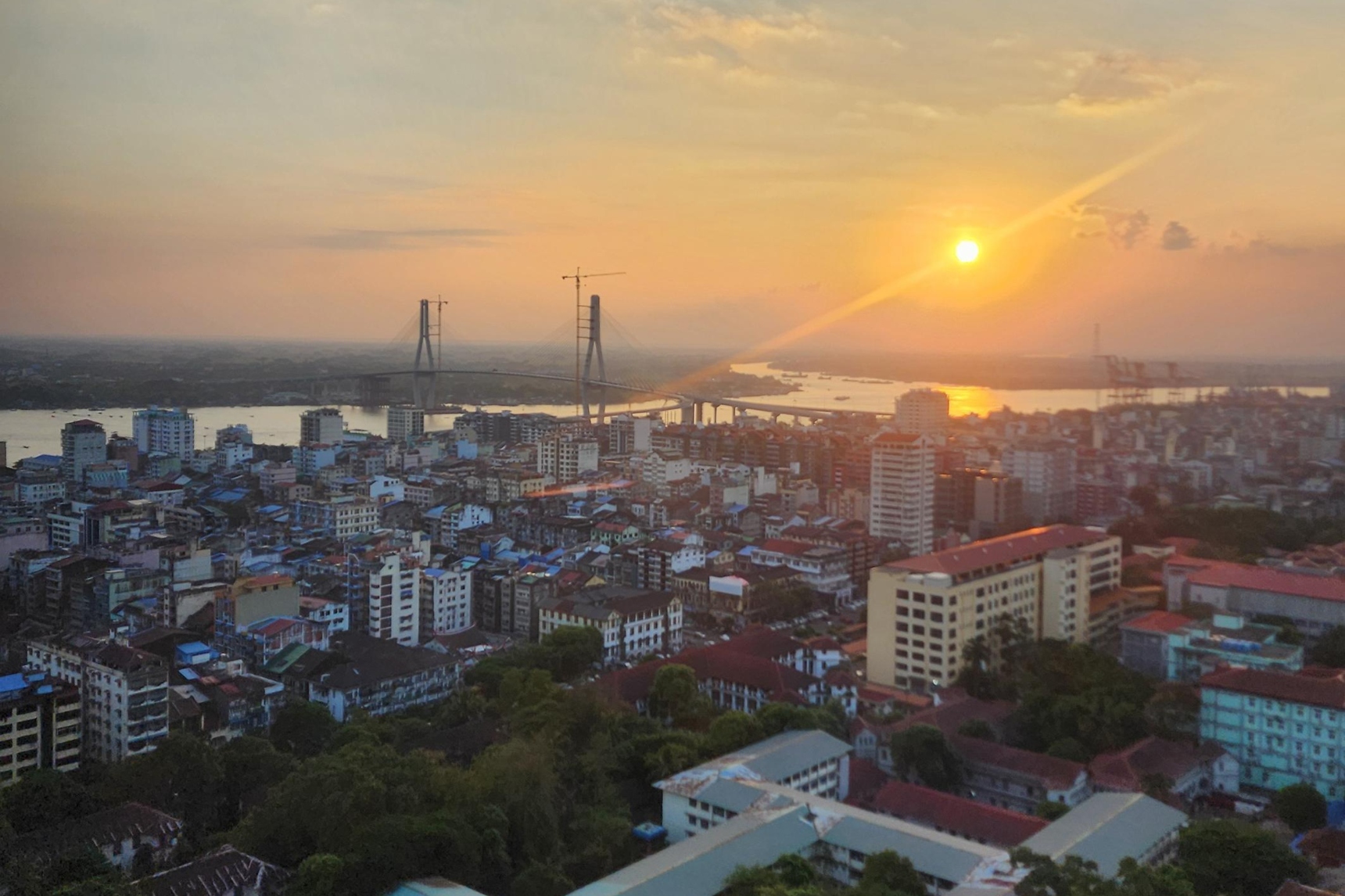
Internal migration and lack of trust in banks have fuelled demand for property as a safe asset.
PM Anwar set to dump embattled anti-graft chief
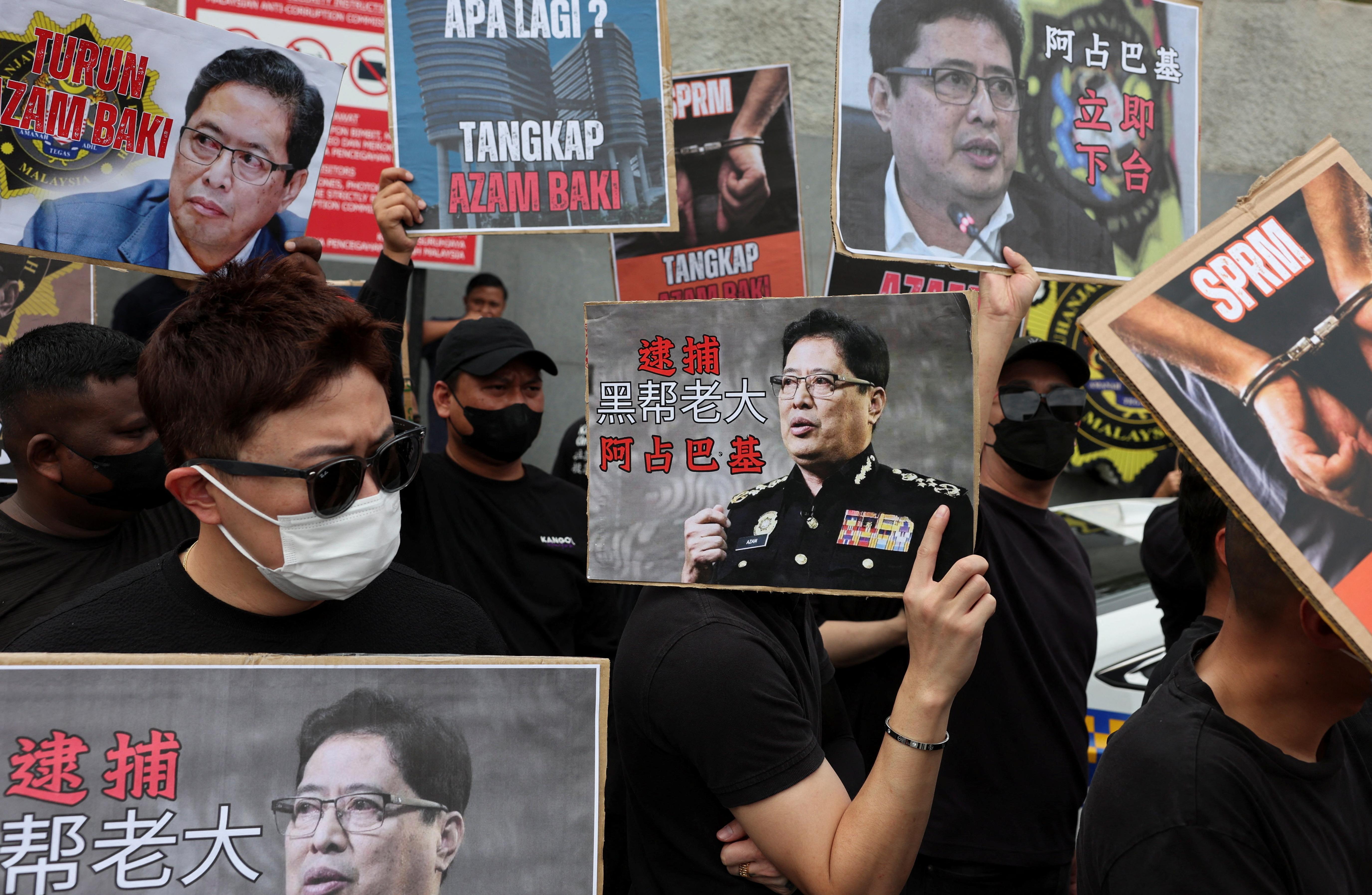
Allegations of MACC abusing its wide-ranging powers have sparked calls for its chief Azam Baki to be suspended.
Indonesia’s plan to export solar energy to Singapore hits a snag
Beijing banks on foreign tourists splurging to revive consumption
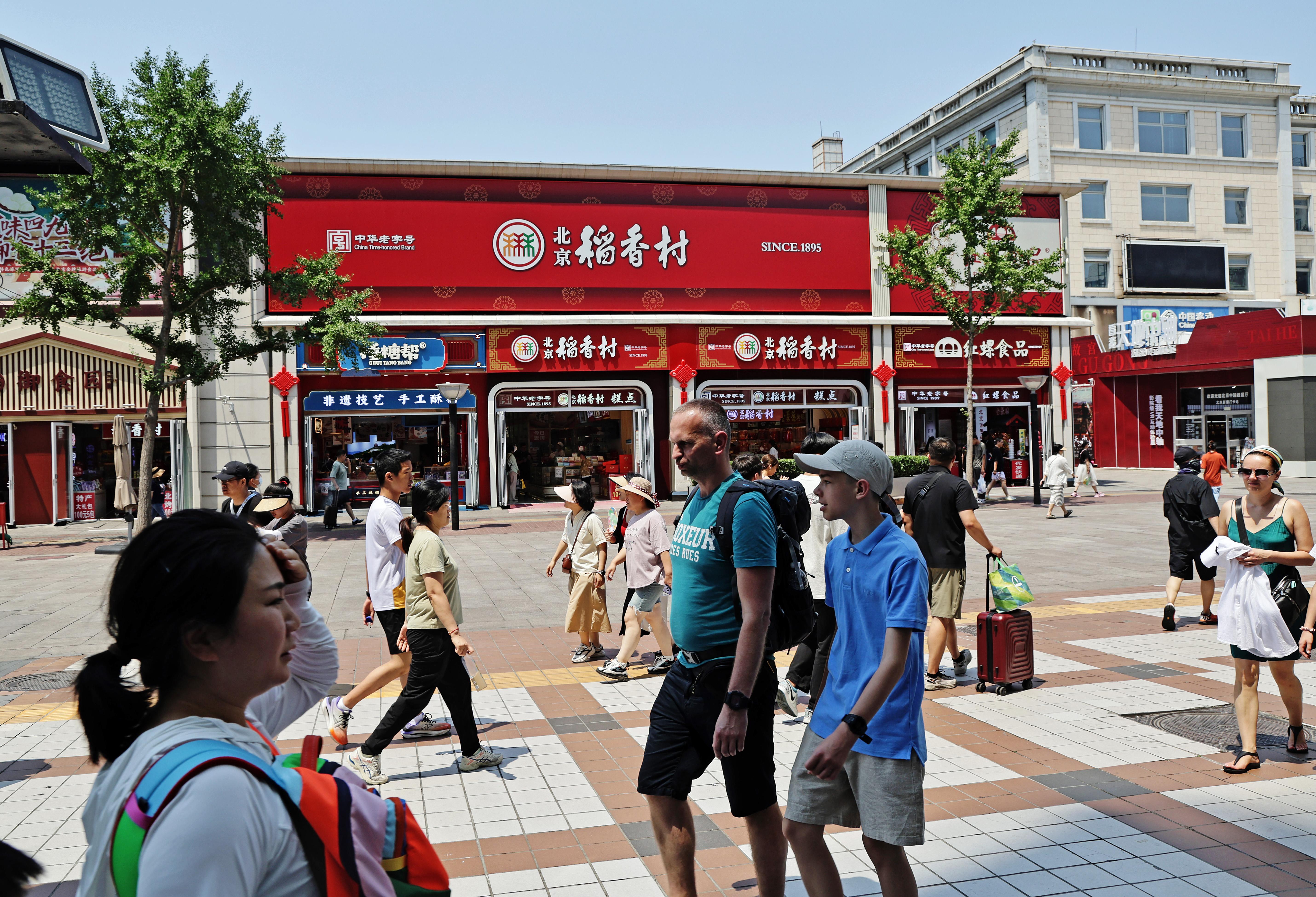
But economists caution that it is unlikely to solve China’s deeper consumption problems.
Preacher talent show enlivens the wee hours in Indonesia

From sermons on AI to elimination rounds before dawn, sahur in Indonesia now includes must-watch TV.
NZ’s truancy crackdown is making me rethink school-time trips to S’pore with my kids

Across the country, only 57.3 per cent of students attended school regularly in term four in 2025.
If you received this newsletter from someone, sign up here to get it delivered to your inbox weekly!
If you have any feedback, please drop us an e-mail at st-newsletters@sph.com.sg