
Dear reader,
It was just seven months ago that the firm behind general AI agent Manus announced that it had moved house.
Butterfly Effect, propelled by co-founder Xiao Hong and a coterie of engineers, laid off its employees in Beijing and Wuhan and set up shop at the OUE Downtown building in Singapore’s Central Business District, with an additional registered business address at Funan along North Bridge Road.
From there, it hired more talent, gained access to American advanced technologies and funding, and rang out 2025 with the news that Manus had been acquired by Meta for reportedly US$2.5 billion – a first for a Chinese-origin tech start-up.
So is it now a Singaporean company? Yes, since it has been incorporated in the Republic. For fun, I entered a query to the Manus chatbot about its identity. The answer: that while its “DNA” and founding team are Chinese, it is legally and operationally a Singapore entity, operating under the country’s laws and regulatory framework.
Yet, the shedding of its Chinese identity for a Singaporean one has not shielded Manus from Beijing’s sights.
Earlier in January, China’s Ministry of Commerce said it would review the Meta-Manus deal, looking at whether it has broken China’s laws and regulations on export controls, technology exports and outbound investments.
As our Shenzhen-based China correspondent Joyce Lim ZK wrote, this is a test case for how far Beijing will assert its oversight over technology with Chinese origins, even if it has ostensibly flown the coop. The worry for the Chinese government is that promising AI start-ups might look to Manus’ path as an example – leave China, go to Singapore and chase a handsome American buyout, which could end up hollowing out the best of Chinese AI and sending it to the US.
If it does decide that the company has breached extraterritorial Chinese laws, it has – at the minimum – reach over its citizens. Among Butterfly Effect’s senior leadership, Xiao Hong, for one, reportedly retains Chinese nationality.
At a maximum, Beijing’s actions could also cover foreign companies, including those from Singapore, depending on how extensive the relevant Chinese laws are. As an experienced Singapore-based commercial lawyer specialising in cross-border transactions tells me, this will be similar to how some of the current American sanctions apply to any Singapore financial institution that uses the American banking system. If so, Beijing could well compel the Meta-Manus deal to be rolled back.
All these will have implications for Chinese companies seeking to redomicile in neutral third countries like Singapore amid sharpening US-China competition.
And one might think that there is nothing to stop Beijing from doing what it wants. But it is also a delicate line for China to tread.
Joyce notes that on one hand, it wants to warn companies not to, as one observer put it to her, “run away like Manus”.
But it will also have to be careful not to inadvertently send the wrong message to its talent with global ambitions: that AI, if so entangled in Chinese law, may best be developed somewhere else to begin with. Budding Chinese talent educated in the US (or anywhere else) may decide not to go home to develop AI and instead do so someplace else.
As we wait and see what Beijing does, email me if you have any questions or thoughts about it.
As usual, I leave you with a selection of some of our best reads and podcasts from our correspondents in the past week.
Iran’s leaders are facing a perfect storm of crises. Bloody crackdown could spell the end

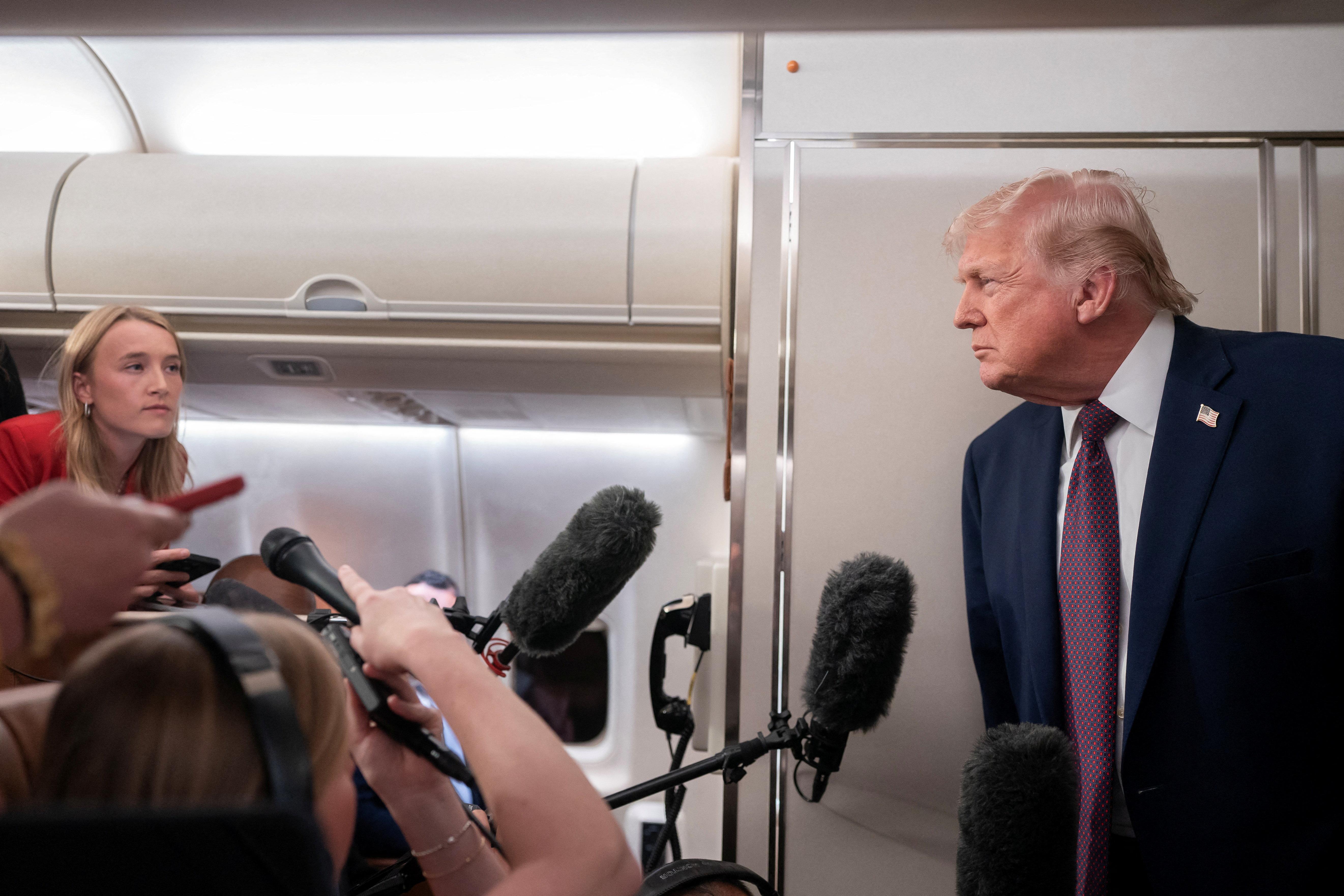
First Venezuela, now Iran: Americans befuddled by Trump’s power moves
India’s economy may be shifting from speed to strength – and that’s a win

Japan doubles down on Asia’s defence by expanding budget, reach of security aid scheme

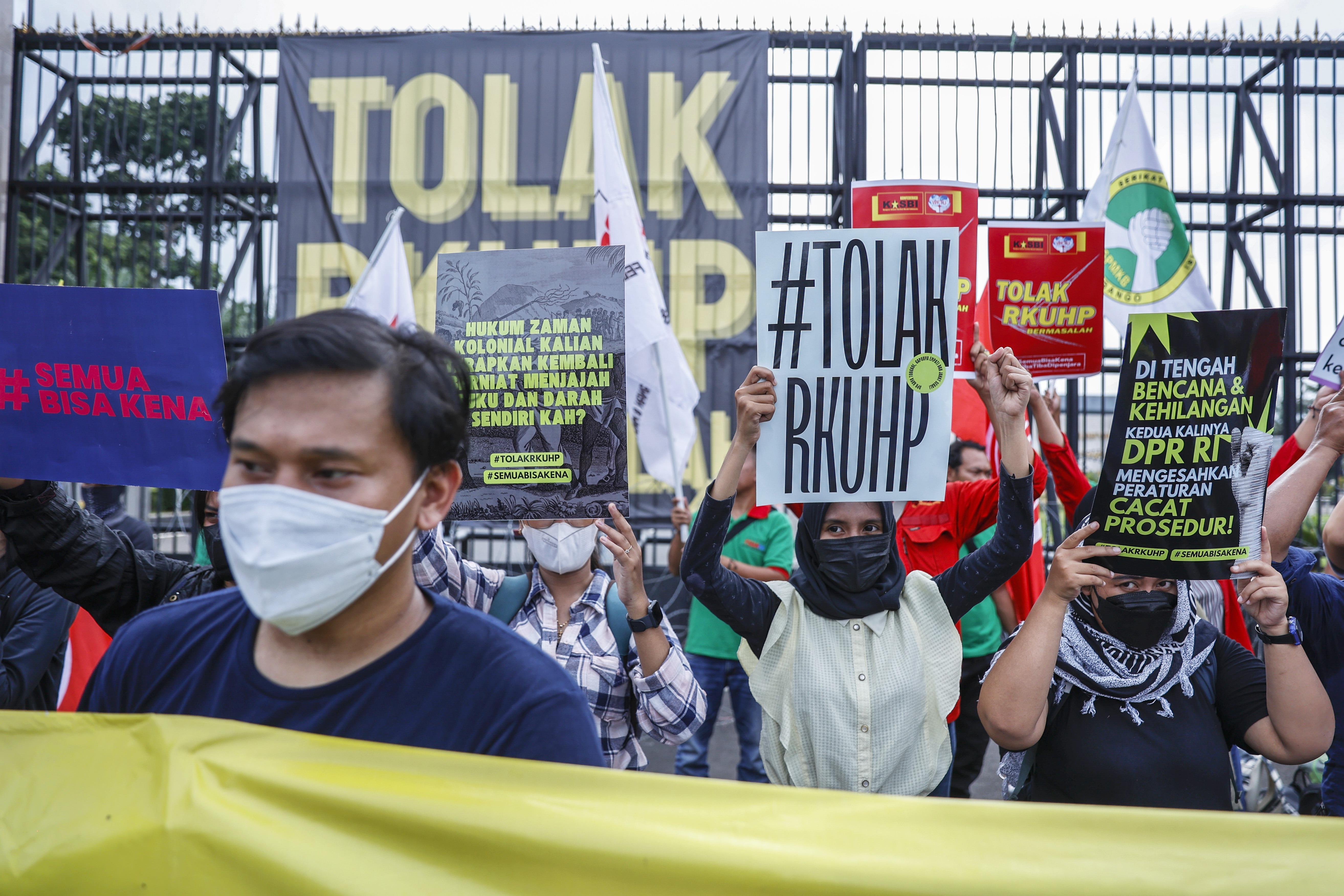
Indonesia’s new sex laws could turn bedrooms into ‘Batman traps’ for the unwary: Analysts
‘Are You Dead?’: Viral safety app reflects quiet anxiety of living alone in China

If you received this newsletter from someone, sign up here to get it delivered to your inbox weekly!
If you have any feedback, please drop us an e-mail at st-newsletters@sph.com.sg