
It’s quite telling that nobody is too hopeful even after the US Supreme Court checked the constitutionality of President Donald Trump’s tempestuous tariff regime.
Many leaders understand this ruling does not automatically unravel the bilateral trade deals that were so agonisingly negotiated in the past year, nor does it fundamentally alter any ongoing negotiations. Still, spare a thought for Indonesia President Prabowo Subianto, who inked a trade deal with Mr Trump in Washington a day before the Supreme Court dropped its much-awaited ruling on Feb 20.
Given Mr Trump’s capriciousness, many governments are wary of getting on his wrong side. The American Supreme Court may have clipped his trade agenda, but the president still has several other levers to reimpose his will.
He has already temporarily imposed a 10 per cent tariff on all economies, with his administration working to increase to the maximum-allowed 15 per cent.
China and India, two of Asia’s largest economies, are recalibrating, keen to capitalise on new openings, as my colleagues Kok Yufeng and Debarshi Dasgupta report.
An Indian delegation’s visit to Washington this week to finalise an interim trade deal has been rescheduled, while China urged the US to abandon its “unilateral tariffs” and said it is open to “candid consultations” ahead of Mr Trump’s visit to China from March 31 to April 2.
Mr Trump would join an illustrious list of global leaders who have descended on Beijing in recent months to reset ties with President Xi Jinping. For countries caught between the two dueling superpowers though, their goals are fundamentally quite different from Mr Trump’s.
German Chancellor Fredreich Merz is leading a delegation of business leaders to Beijing and Hangzhou this week as he seeks to find a way out for his country’s beleaguered manufacturers who have been squeezed by intense Chinese competition and US tariffs.
Meanwhile, Canadian Prime Minister Mark Carney will kick off a swing through the Asia-Pacific this week, including stops in India, Australia and Japan. He, too, was in China recently.
The ruptured world order that Mr Carney spoke about in his speech at the World Economic Forum in Davos in January is in full throttle. Middle powers and small states are hustling to figure out new configurations to survive this brave new world.
Will China and India capitalise on US tariff twist?
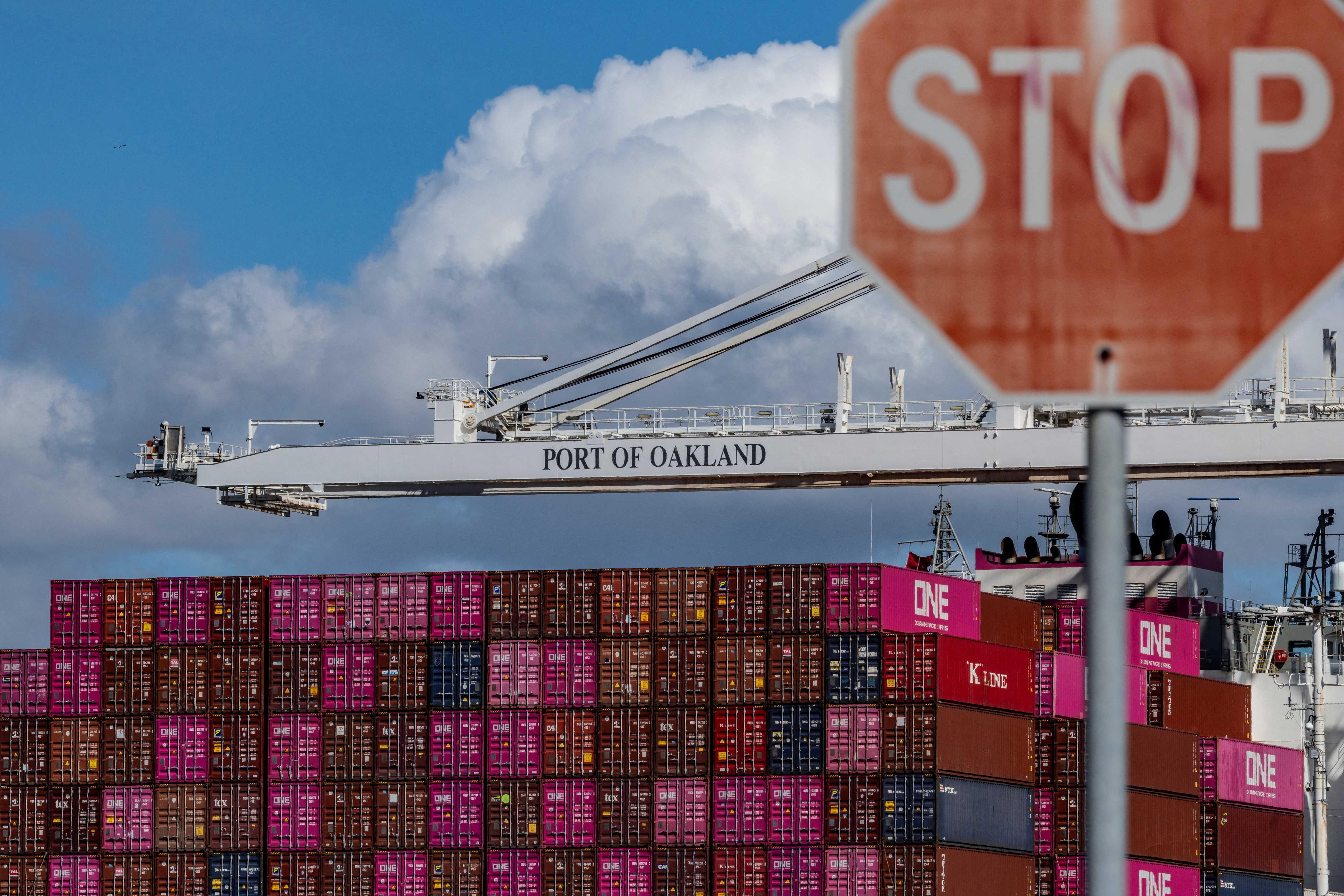
With Trump’s tariffs struck down, Beijing and New Delhi could have an opening in trade talks, say analysts.
Indonesia steps up in US-backed Gaza mission, and into a geopolitical gamble
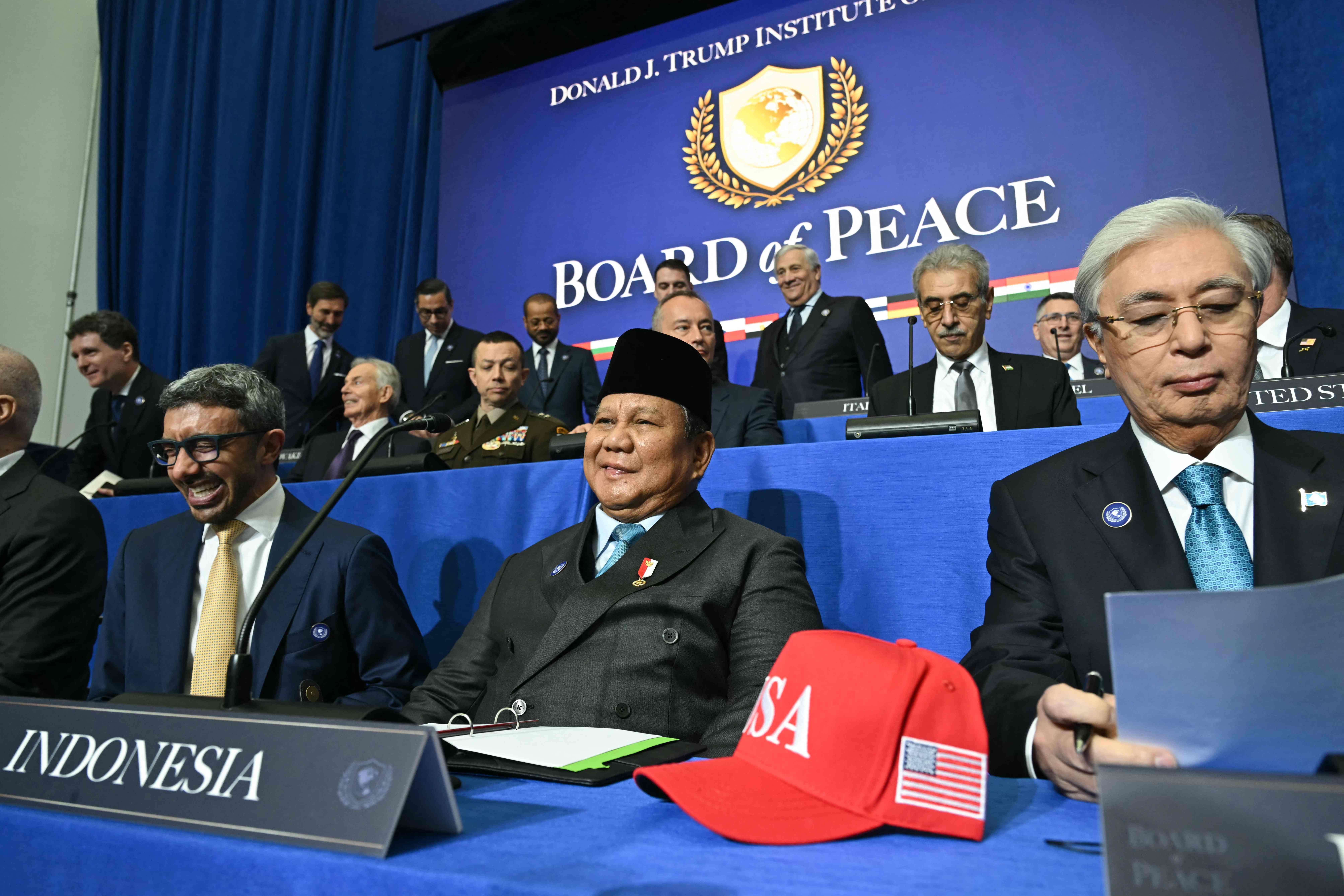
The country’s acceptance of the deputy commander role signals ambition but also gives it greater exposure.
Indonesia’s ‘tan but Chinese’ Benteng people revive their fading heritage
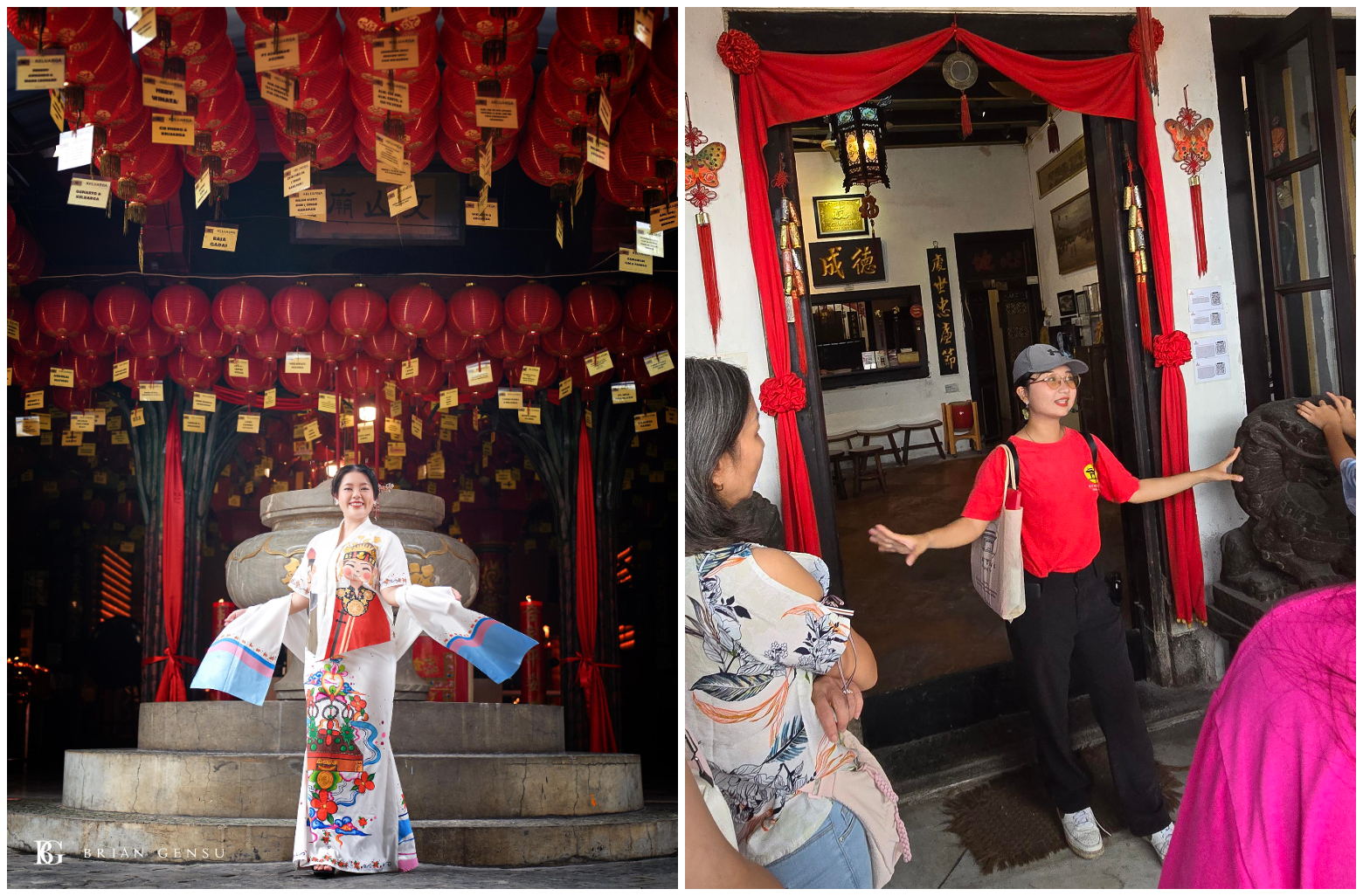
The Benteng Chinese are descendants of traders who settled and married local Sundanese women.
How Indonesia’s street punks and the marginalised are finding faith
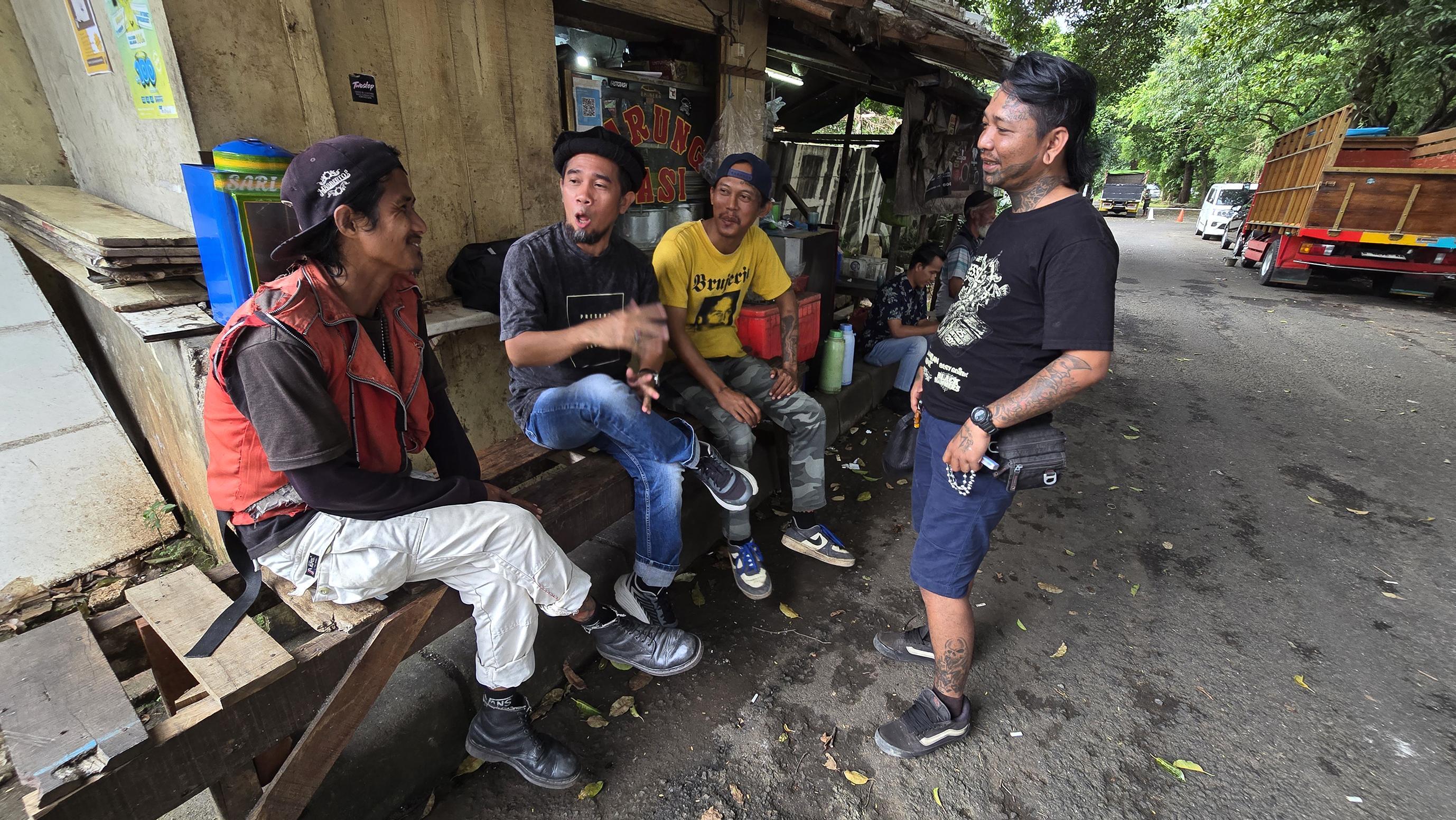
In a Jakarta shophouse, they trade violence and drugs for faith – and find an unlikely path to change.
Music that once made religion unappealing to India’s youth is now drawing them in

Such concerts are held in stadiums, cafes and community halls, drawing in swarms of revellers.
India’s AI summit: Where big ambitions met hard realities

The summit underlines the nation’s aims to innovate and lead, as well as its constraints in infrastructure and tech.
Starlink’s role in Ukraine war sets China thinking about hurdles to its possible seizure of Taiwan
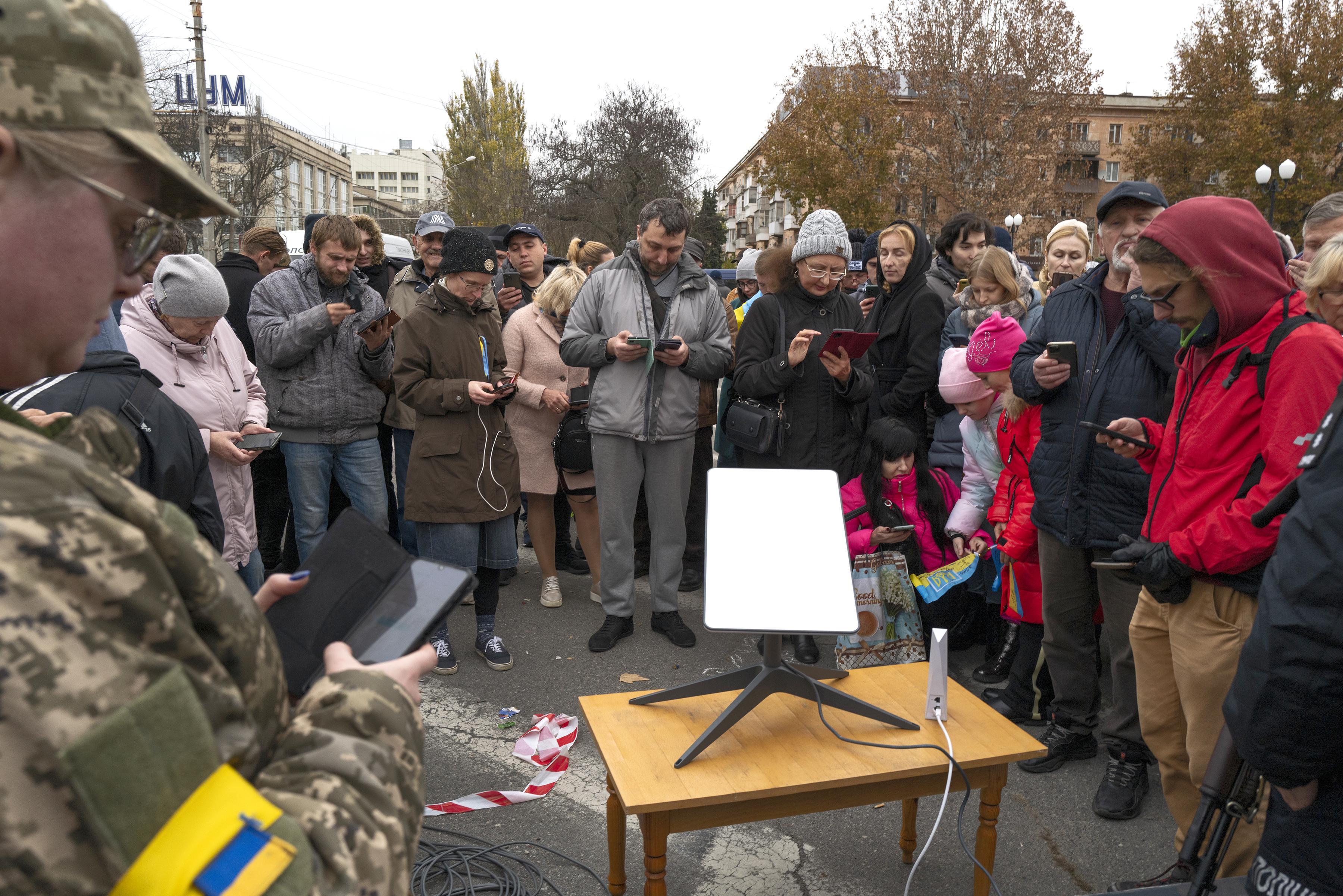
If Starlink were to make an internet blackout impossible, a swift seizure of Taiwan by China could be difficult.
China’s humanoid robots thrill at CNY show but can they make coffee?
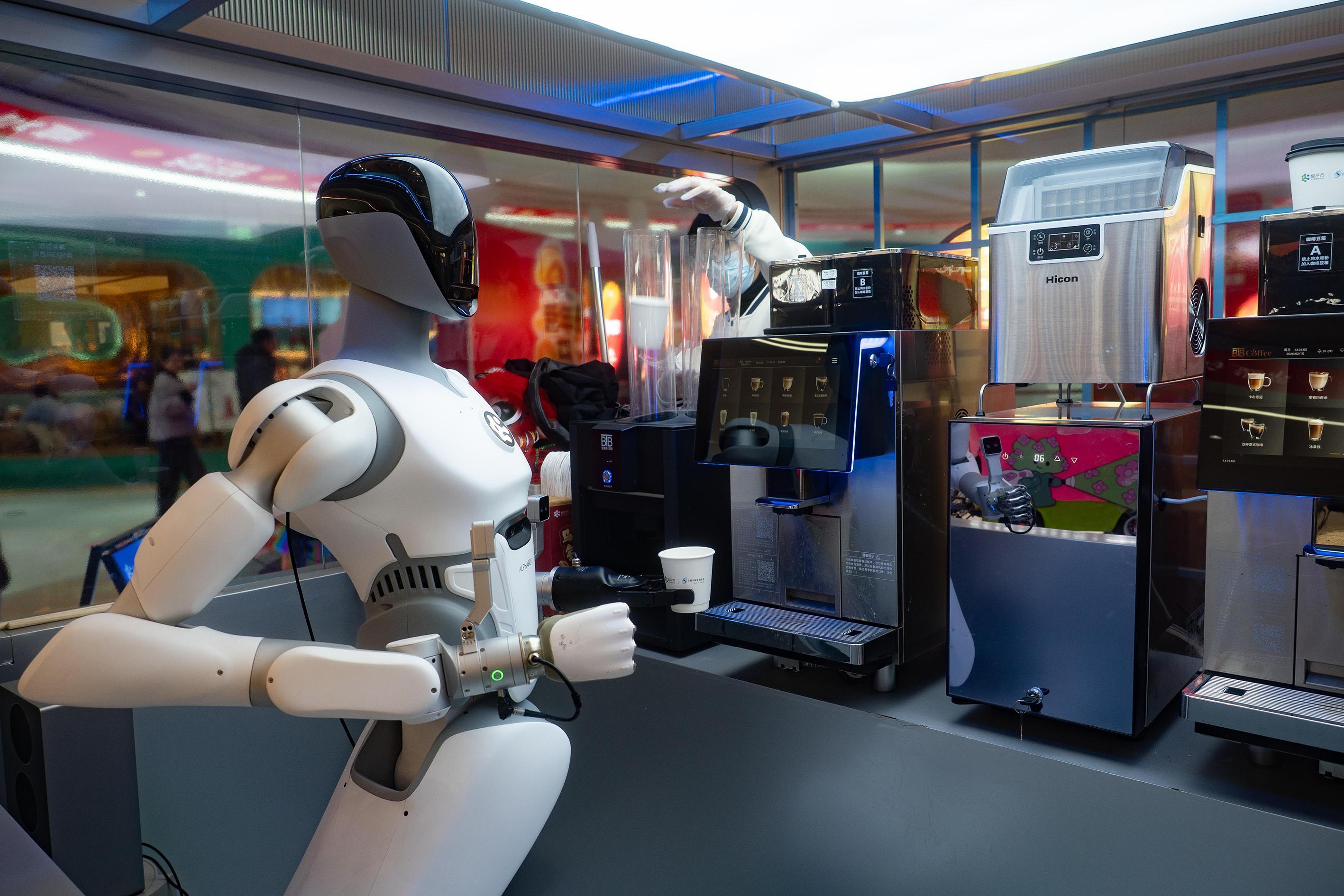
The aim is for robots to do real work, enter homes and shopping streets in pursuit of mass-market consumers.
Singapore couples go to China for time-travelling wedding shoots

If you received this newsletter from someone, sign up here to get it delivered to your inbox weekly!
If you have any feedback, please drop us an e-mail at st-newsletters@sph.com.sg