Asian Insider: Malaysia Edition helps you connect the dots on the biggest stories playing out in Malaysia every week. Sign up here to get the newsletter in your inbox.
What are the characteristics of a good government? People often cite the state of the economy as a gauge of an administration’s performance.
Then there is the more abstract concept of good governance, which tends to refer to proper conduct, ethics and best practices. On this front, Malaysia’s federal government is under fire over the “corporate mafia” saga, where top officials are implicated. Criticism has deepened over the authorities’ response – claiming a foreign plot to undermine democracy and investigating the alleged conspirators.
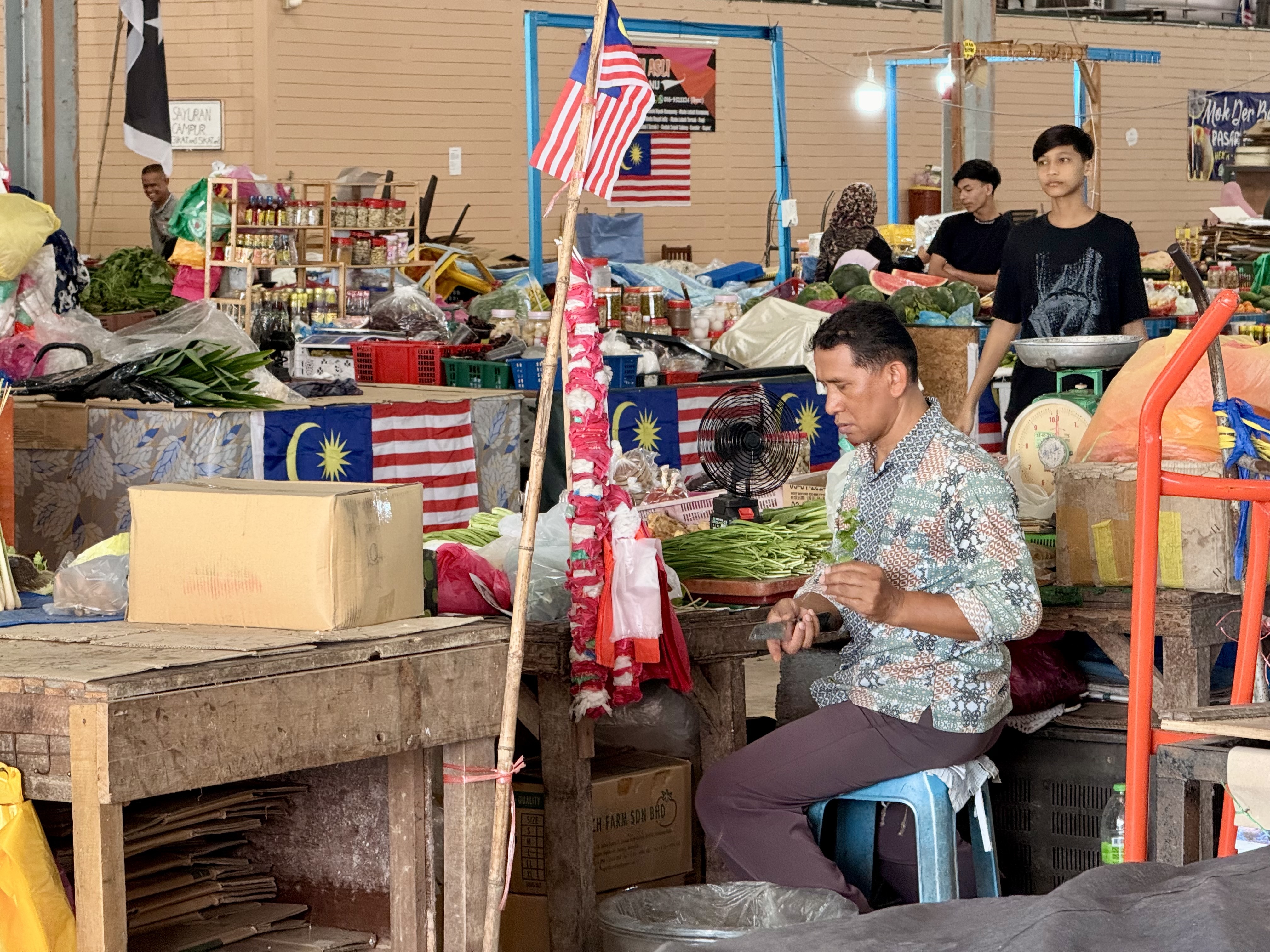
But what about happiness? In February, Terengganu Menteri Besar Samsuri Mokhtar took to social media, saying that his east coast state topped the Malaysian Happiness Index despite being among the poorest by per capita gross domestic product.
The chief minister has since deleted his post after it drew much criticism. Nonetheless, when our correspondent Hadi Azmi travelled to Terengganu, his interactions with locals suggested that many agree with Datuk Seri Samsuri, who is also the opposition coalition Perikatan Nasional’s chairman.
“It’s easy to see why Terengganuans are quick to say they’re happy. The state is beautiful, with most of the 1.2 million living minutes from the beach, arguably the most stunning in the whole peninsula,” he said.
Terengganu does pursue economic development, but sometimes at the cost of what makes it a great place to live. Instead of leveraging traditional crafts such as boat-making, which once drew aficionados from around the world, it is trying to offer a slice of Kuala Lumpur’s modernity. This is possibly to stem the migration of younger residents squeezed out of the local economy.
“The state capital Kuala Terengganu demolished its coastal villages to build malls, telling locals they envision their version of Miami Beach,” Hadi noted. “It is a strange aim for a conservative Malay-Muslim community,”
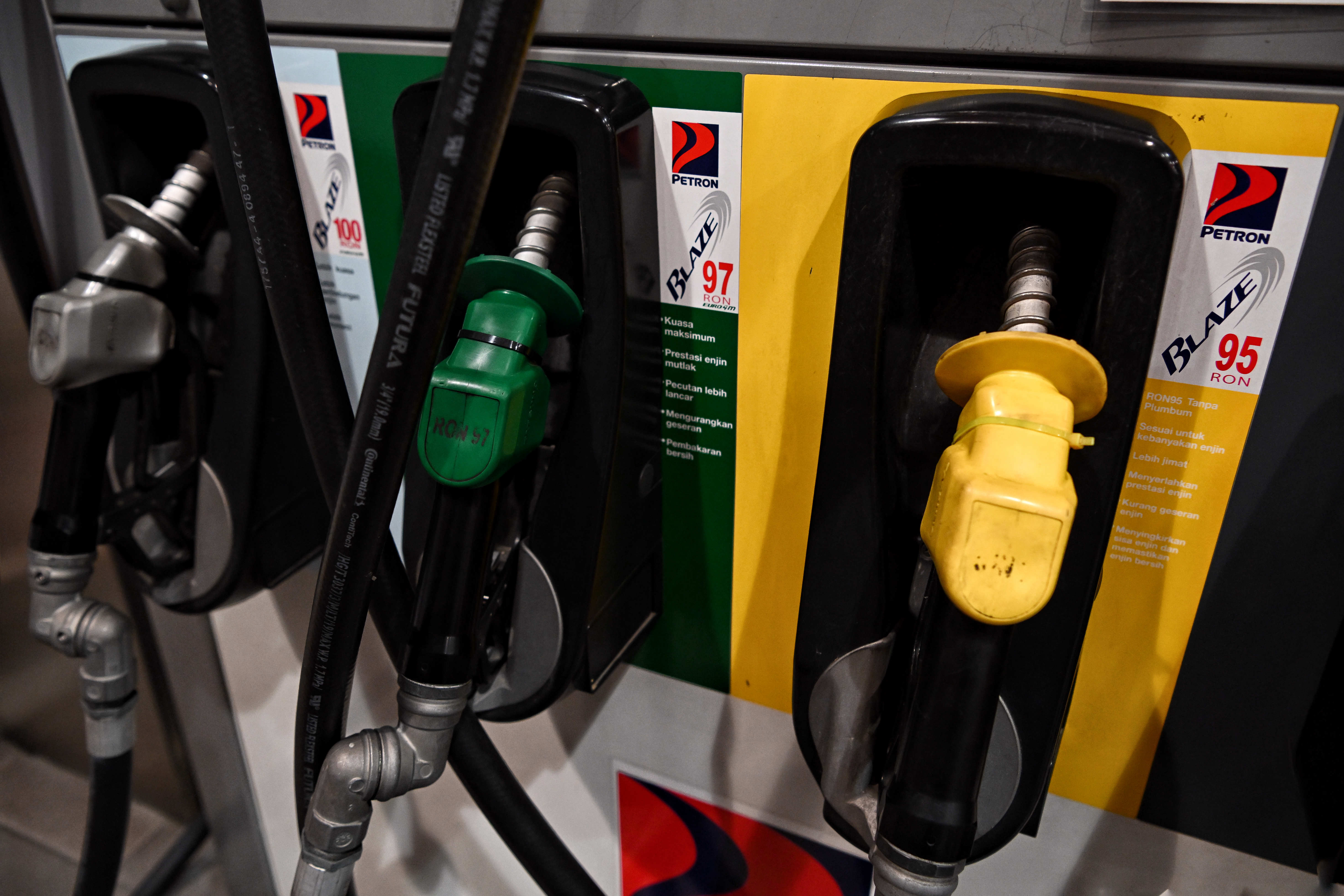
Make no mistake, the economy still matters. As the conflict in Iran drags on, Malaysia has had to slash quotas for subsidised petrol, increase enforcement on foreigners using this fuel, and raise the price of non-subsidised grades to record levels.
How deep the impact on global supply chains will be, and how long it will last are key questions for Prime Minister Anwar Ibrahim. With three states due to elect new governments within a year, he must decide whether to call federal polls early, or wait until 2027 or even early 2028.
Whatever the cost of fuel, the Malaysia bureau continues to bring you coverage from across the country. Check out our selection of stories this week, and if you have feedback for the bureau, do let us know.
Malaysia bans foreign cards from buying RON95 petrol
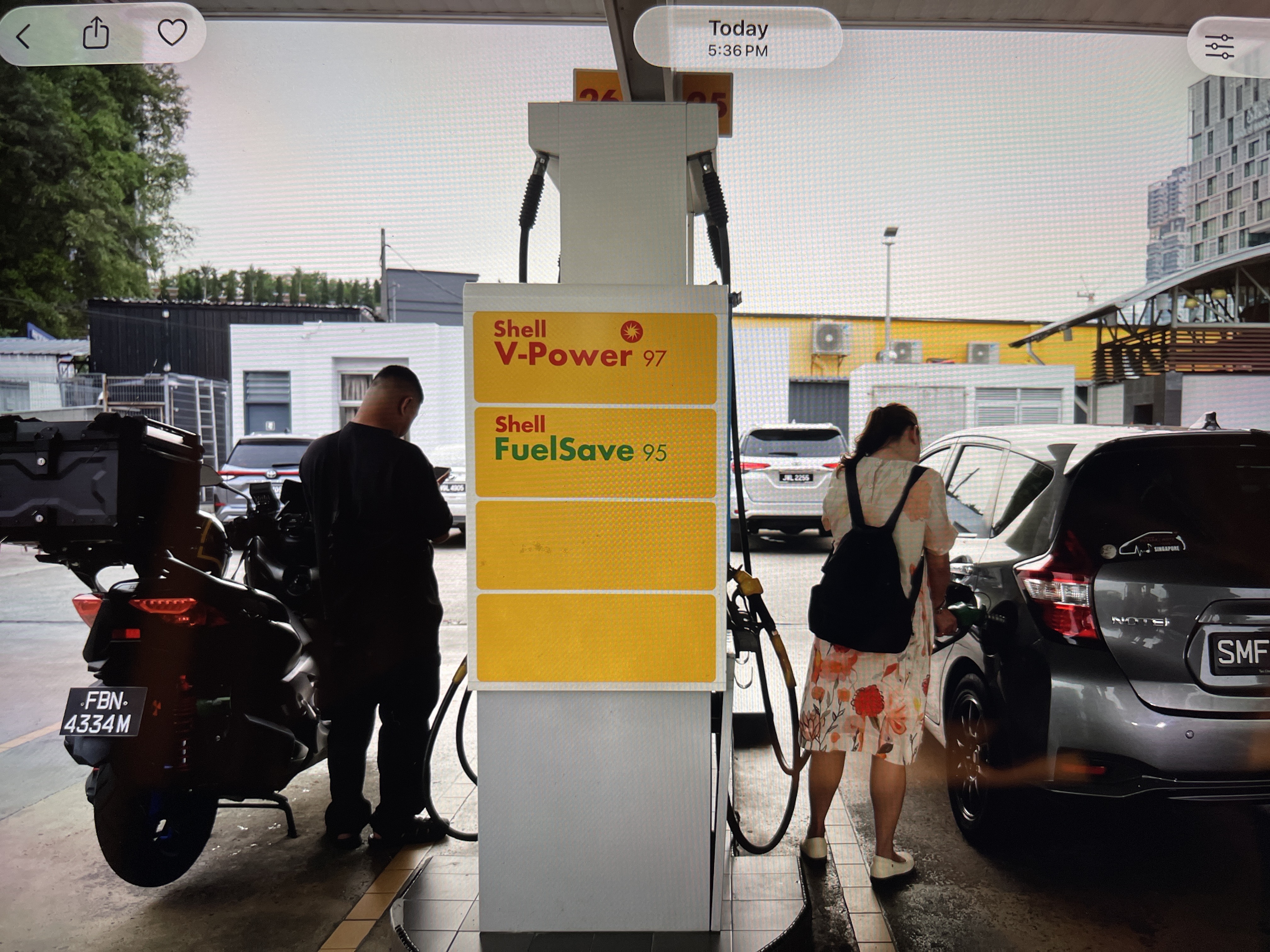
Malaysia slashes subsidised RON95 quota by a third
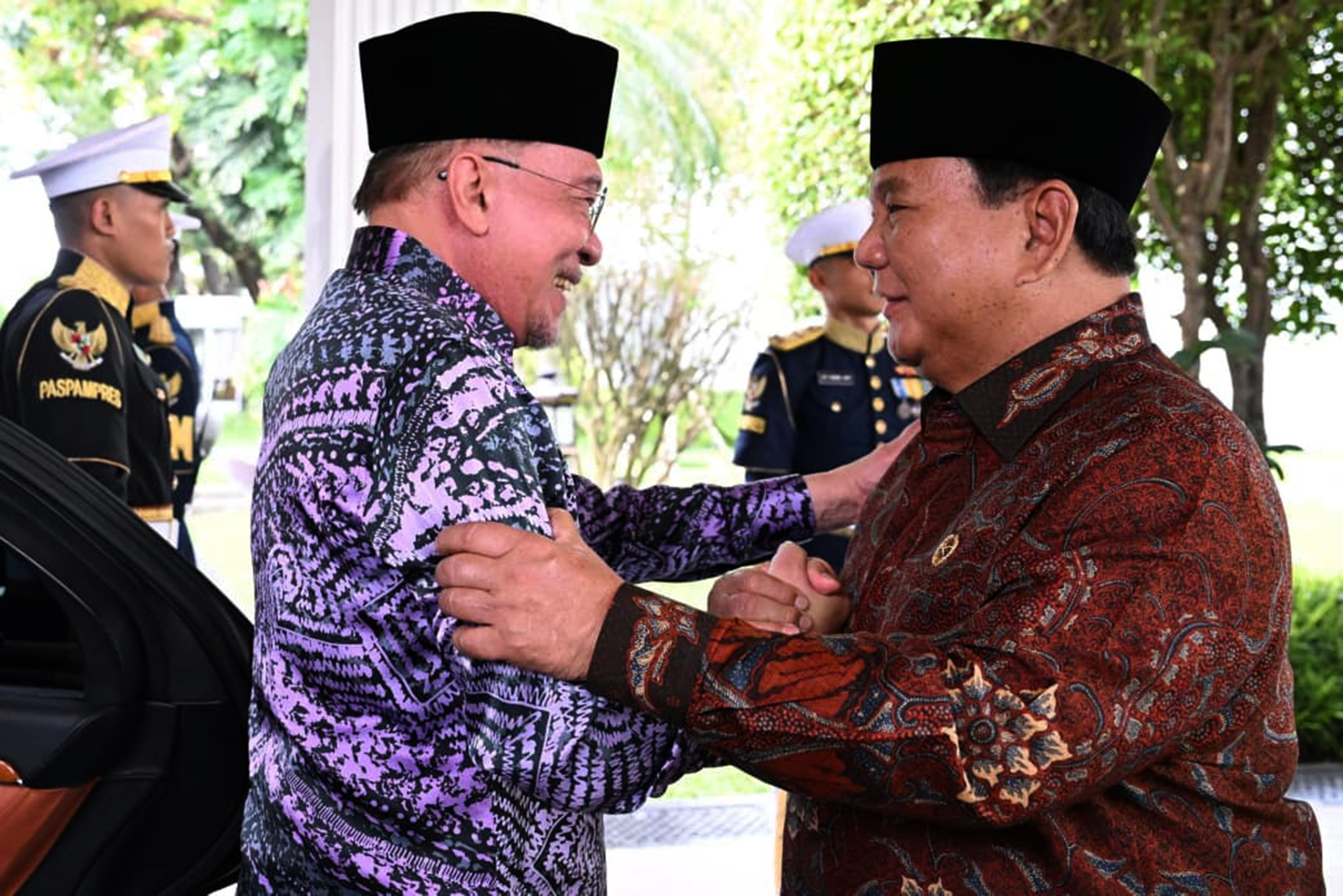
Anwar and Prabowo reach for their phones amid Gulf conflict
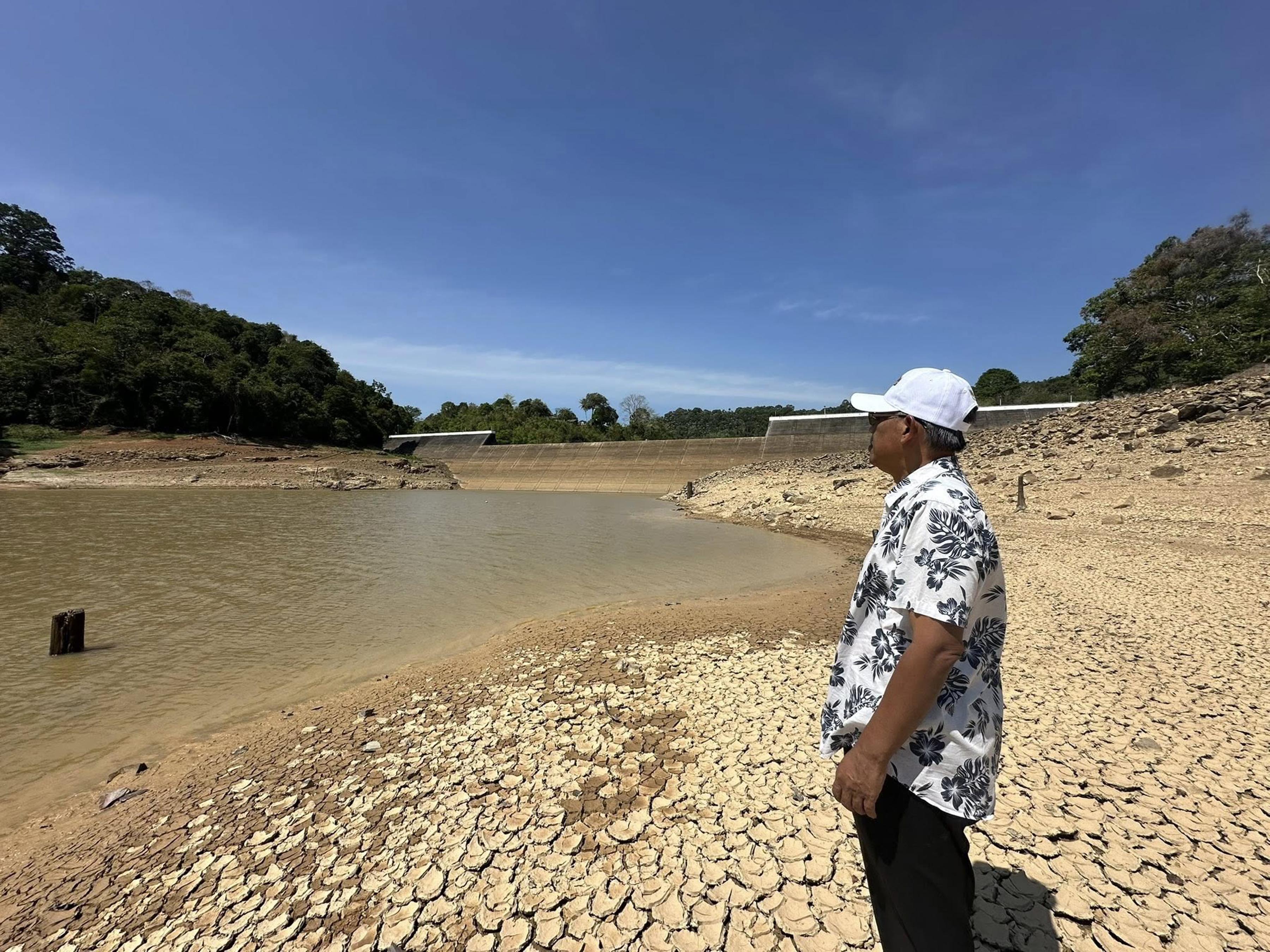
Malaysia’s rice bowl is thirsting for water as heat bakes in
Once Taiwan’s top source of foreign students, Malaysia has slipped
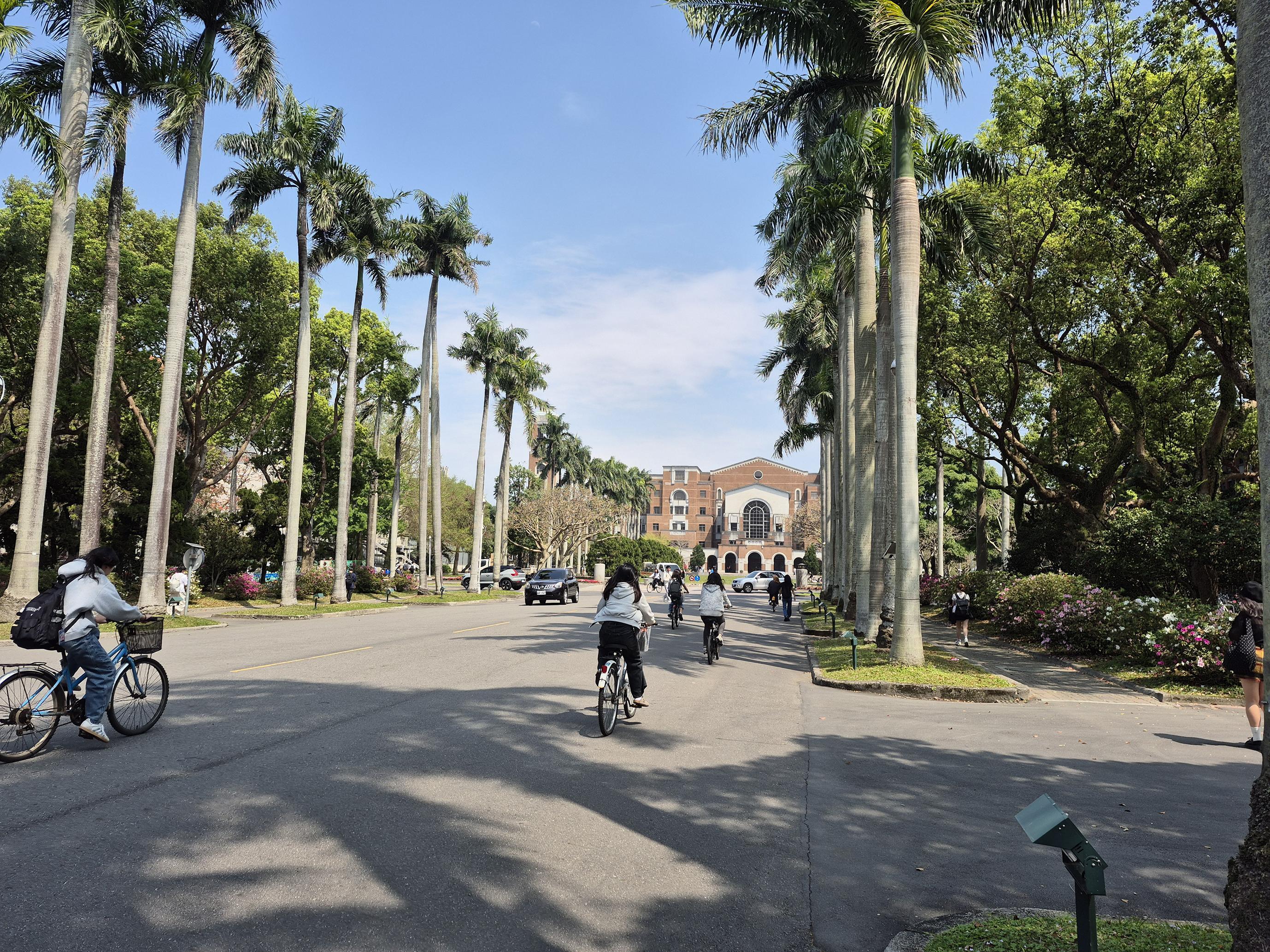
Why Terengganu folk say they need little else to be happy