
Dear ST reader,
“Jensanity” is back, at least in Taiwan.
The nickname caught on around the Computex tech trade fair in Taipei in 2024, when Jensen Huang drew crowds more befitting a pop star than a chip executive. Fans wanted selfies and autographs. Even the leather-clad Nvidia CEO’s trips to local eateries drew cameras.
Part of the appeal is that Huang was born in Taiwan. But it’s more than hometown pride, as Nvidia relies heavily on the island’s chipmakers such as TSMC, and its rise has put the island’s tech industry at the centre of the global AI boom.
Taiwan’s stock market jumped the day after Nvidia brought Huang back as CEO on Nov 23, less than two weeks after he resigned amid a scandal involving an affair with a woman suspected of spying for China.
But as Taiwan correspondent Chew Hui Min reports, a good day on the market doesn’t mean the end of the controversy. Nvidia’s Taiwanese suppliers may face tougher questions about where their products ultimately end up.
Investors may be glad to have Huang back. But for governments asked to support Washington’s chip export controls, the CEO’s return raises a different question: how firmly will the US stand behind the rules it asks other countries to help enforce?
US President Donald Trump has said that he personally persuaded Nvidia’s board to reinstate Huang. As our global affairs correspondent Jonathan Eyal writes, that raises a question about how independently the board can act when the White House takes an interest in who runs the company.
It also creates a problem for Washington that goes well beyond Nvidia. The US can write its own export rules, but it can’t police every transaction overseas.
Jonathan’s point is that effective enforcement requires cooperation from other governments. That rests on an unwritten understanding: intelligence shared with Washington will be taken seriously, not set aside by the White House for political reasons.
The system is, as he puts it, “a coalition held together by the credibility of American seriousness”.
Megaspeed, put on a trade blacklist by the US alongside six other South-east Asian companies this week, is a test of that cooperation.
Speaking in Canberra on Nov 24, Singapore Prime Minister Lawrence Wong said the country is working with the US to establish a mechanism to facilitate enforcement of American chip export controls while pursuing its own probe into the Singapore-based cloud computing provider.
Singapore was still working with US authorities to establish who ultimately received the chips Megaspeed bought and to verify documents related to the purchases, PM Wong told reporters.
Asked whether the US had done enough to assist Singapore’s investigations, he said: “We did ask for some information. Not all of it was forthcoming.”
Beijing, meanwhile, is holding off on retaliating against Washington’s latest chip curbs.
After a warm meeting between presidents Xi Jinping and Donald Trump at last week’s APEC summit in Shenzhen, China extended its pause on export restrictions on several critical minerals bound for the US, while a Chinese airline agreed to buy 50 Boeing jets.
The two leaders are due to meet again at the G20 summit in Florida in December, as Beijing faces a significant political development at home: an investigation into Shanghai Communist Party chief and Politburo member Chen Jining.
While the fragile China-US trade truce holds for now, the latest US chip curbs are already making some data centre operators in South-east Asia rethink their expansion plans.
A Shanghai-based source who previously managed a data centre project in Malaysia told correspondent Harith Mustaffa that up to half the future capacity operators have signed up for in the region “may not happen”.
We’re also looking at how Chinese AI companies are adapting to Washington’s new restrictions on remote access to overseas data centres. Stay with The Straits Times as our correspondents continue to follow the impact across the region.
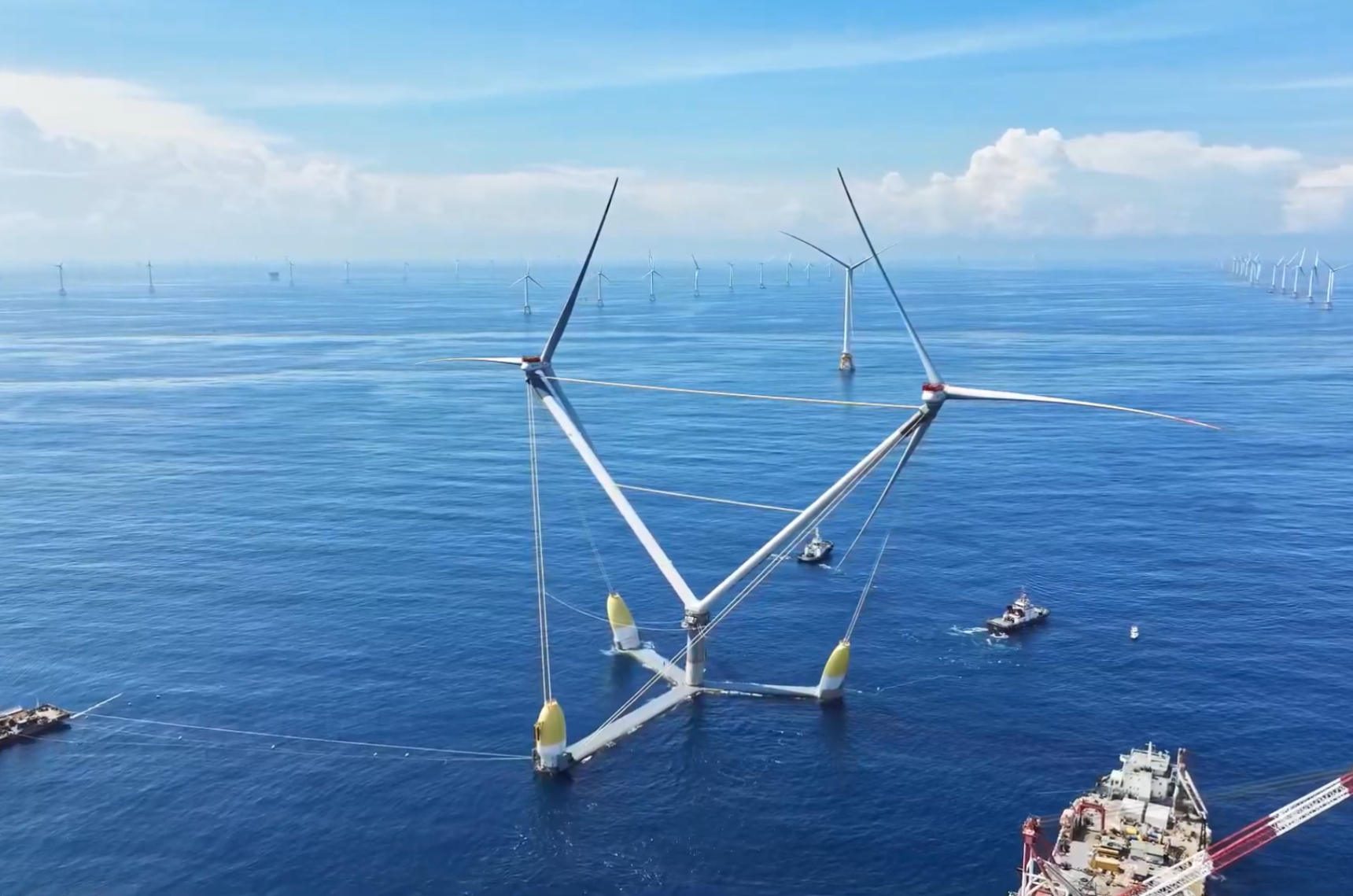
In the AI race with the US, this is the one advantage China has
Trump-Xi-Putin summit makes Russia and Beijing the biggest winners
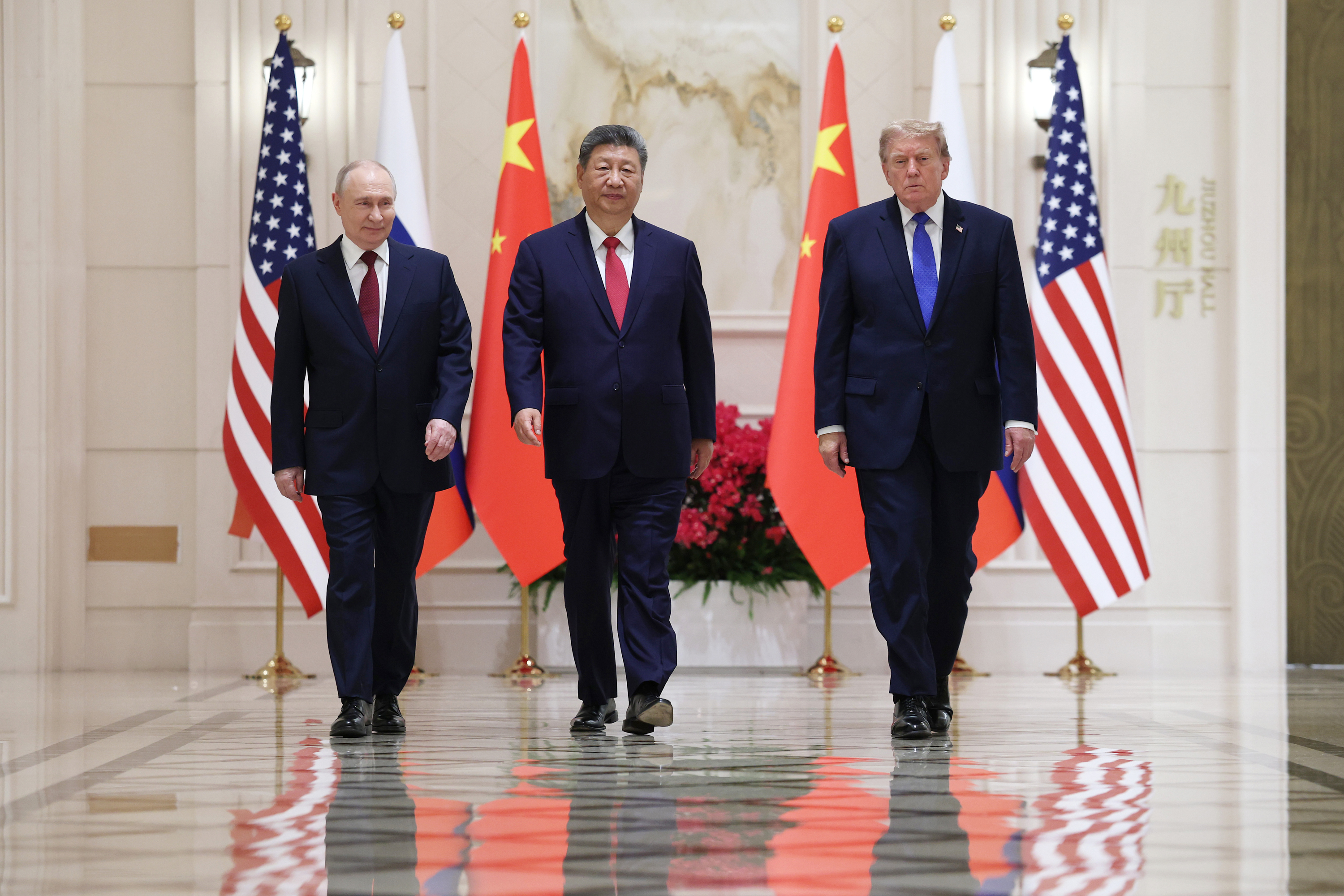
But analysts sound alarm bells for middle powers and smaller countries, which risk being cut out.
The hard truths behind the failure of COP31 climate talks
You can PayLah! in Taiwan, but cash is still very much needed

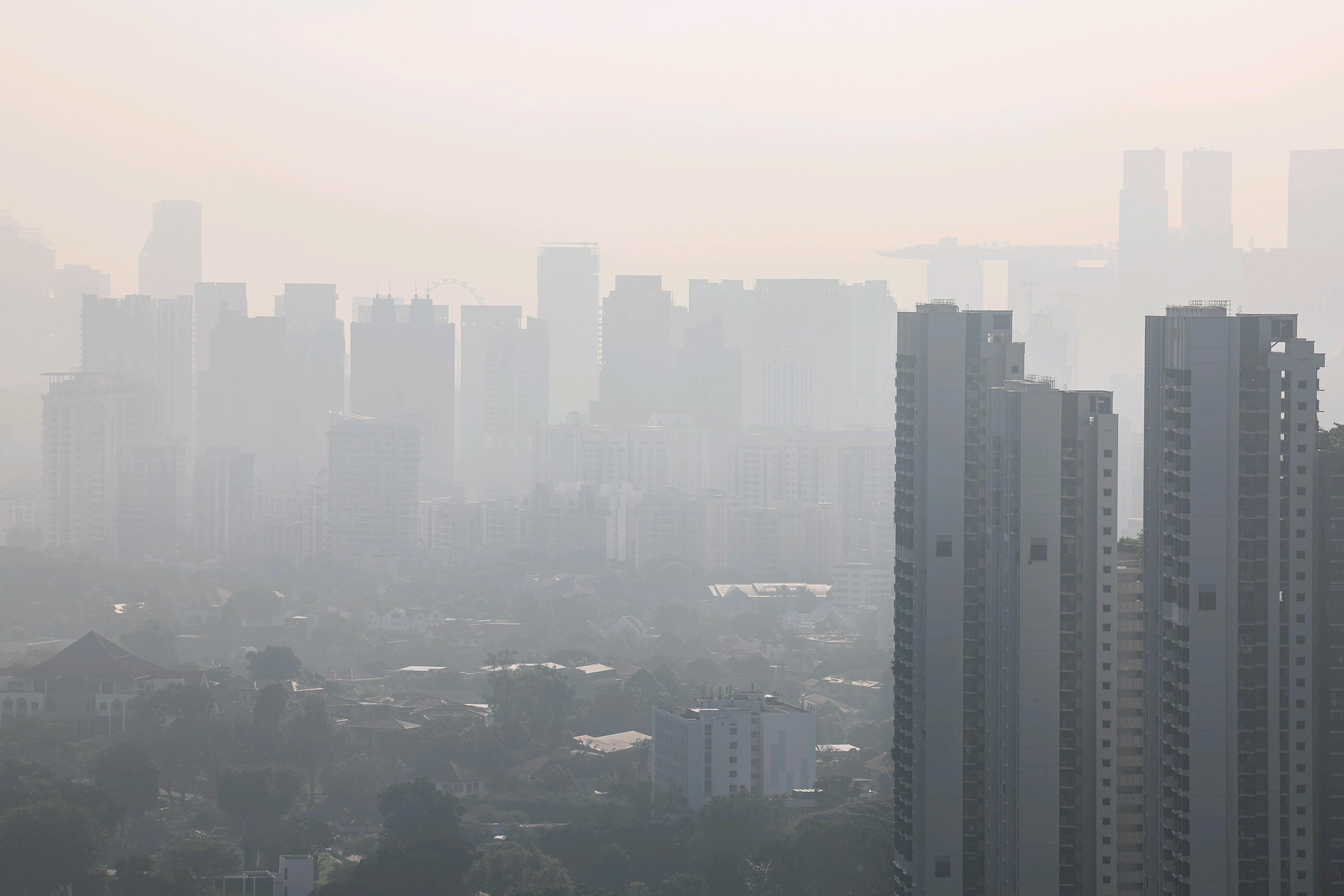
Why ASEAN has struggled to tackle haze, and what a new task force could change
Vietnam’s economic rise creates a growing middle class, but not everyone is better off
How to beat the right: Global progressives compare notes in India
Progressive leaders from over 70 countries met in Hyderabad to discuss how to take on right-wing forces.
Australians face uncertain shopping future as iconic store collapses

If you received this newsletter from someone, sign up here to get it delivered to your inbox weekly!
If you have any feedback, please drop us an e-mail at st-newsletters@sph.com.sg