
We may never know why and how US President Donald Trump decided to join Israel in attacking Iran. But this war has once again underscored some indelible truths.
There is a Western chorus of voices calling for China to exercise its influence to pressure Iran to de-escalate. This is a familiar refrain that has previously emerged on issues relating to North Korea, Russia-Ukraine and Pakistan-India.
Any conclusion that Beijing did not heed any of these calls or have failed as a reliable ally is premised on an expectation that Beijing behaves like Washington as a global power. It is anything but that.
Dr Evan A. Feigenbaum, a former US diplomat who is now with the Carnegie Endowment for International Peace think tank, says Beijing’s avoidance of binding security commitments to peripheral third countries is by “strategic design”.
“China’s posture is better captured by a market metaphor than a geopolitical one: Beijing has diversified its portfolio by multiplying both its partnerships and its areas of focus with these partners,” he wrote in a recent commentary.
Beijing is clear about its core interests in East Asia, has diversified its sources of energy and is not too hung up about alliances and the ensuing obligations, he added.
This understanding is key to any constructive engagement with Beijing.
For Mr Trump though, the Iran war has ostensibly delayed his long-awaited visit to China’s capital. His attempt at arm-twisting Nato allies into helping to resolve his mess in Iran has fallen on deaf ears, and there are growing signs he may not be left with any good option if the goal is to secure the Strait of Hormuz.
Already, Mr Trump’s top counter-terrorist official has resigned in protest of this Iran war – perhaps just the tip of the iceberg that is a growing MAGA pushback.
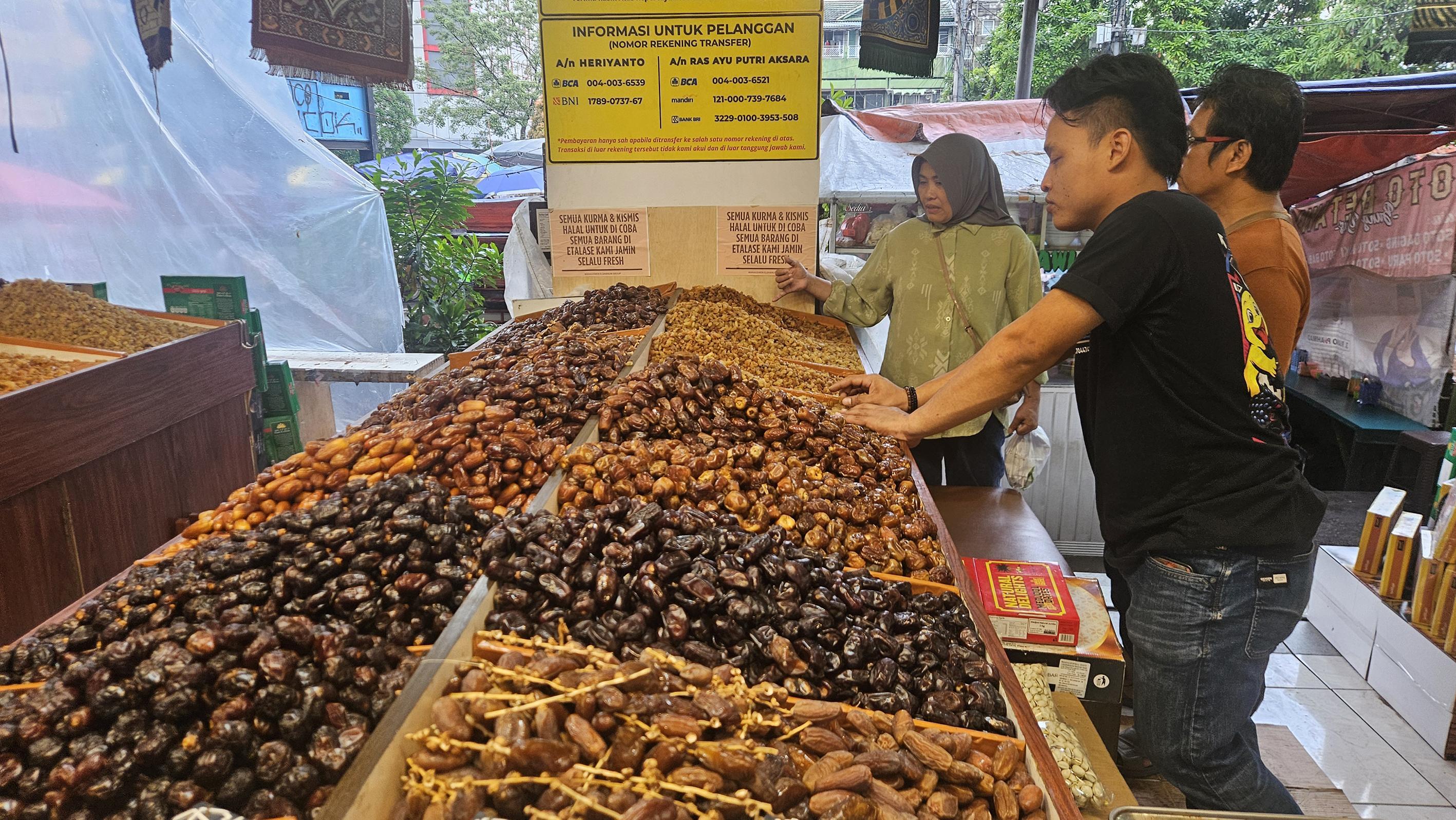
America’s third Gulf War will leave a lasting impact on the region and beyond. The gridlock caused by a shutdown of transportation options in the Middle East has already led to not just escalating energy prices, but also that of Ramadan staples in Southeast Asia.
As always, we will continue to bring you the latest updates on the ongoing conflict.
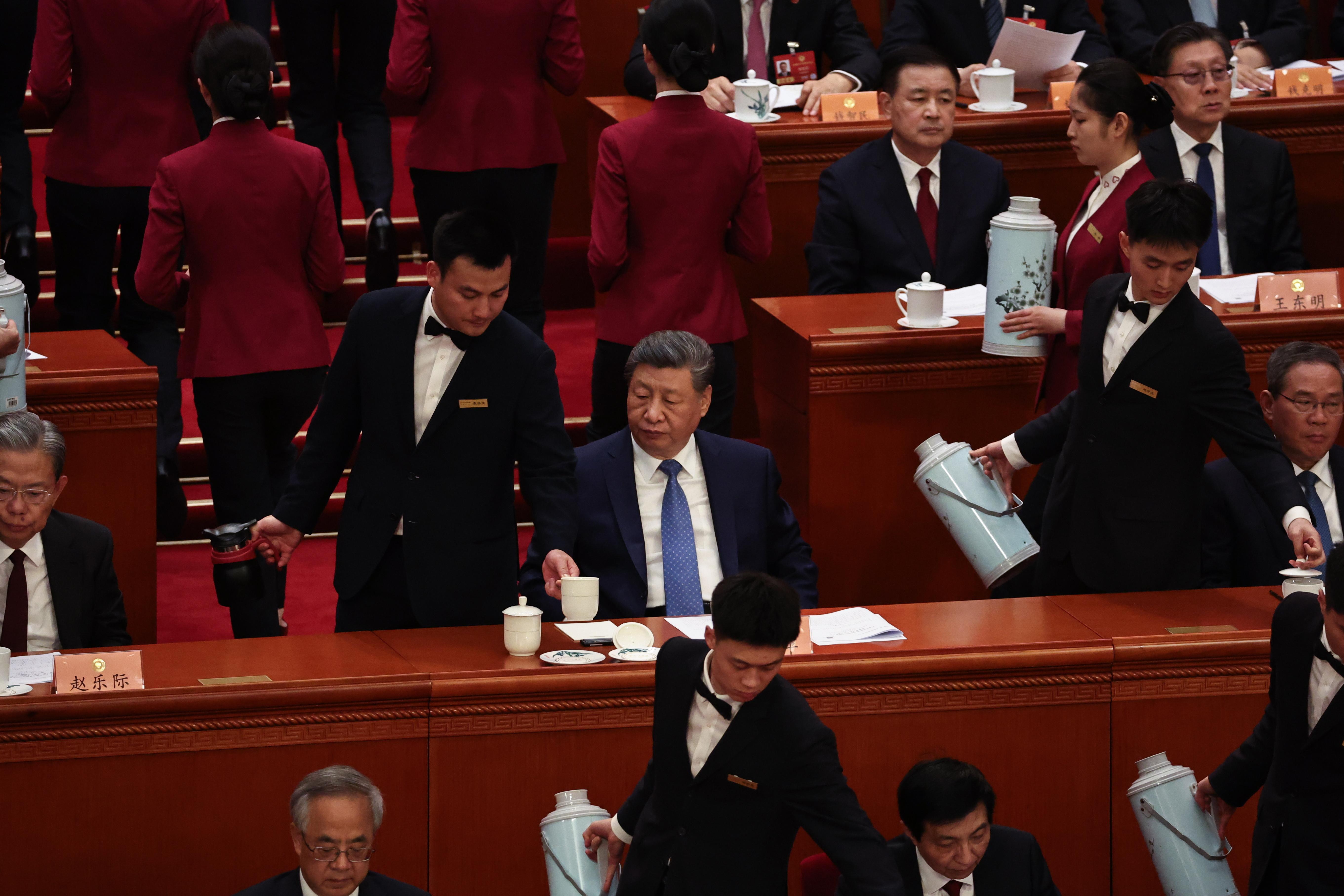
Will China’s new ethnic unity law hasten the erosion of minority cultures?
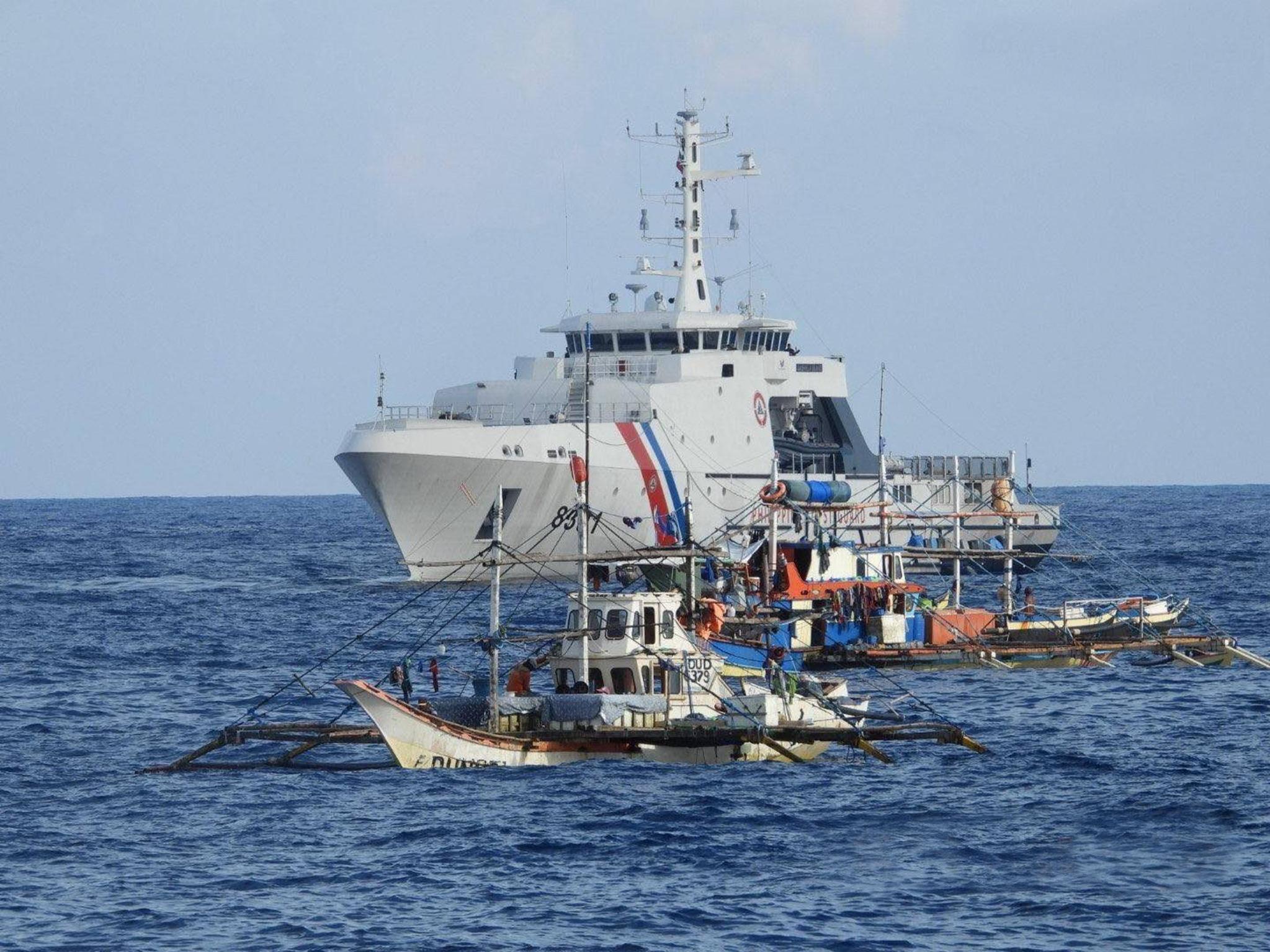
Philippines questions authenticity of China-circulated letter on Scarborough Shoal claim
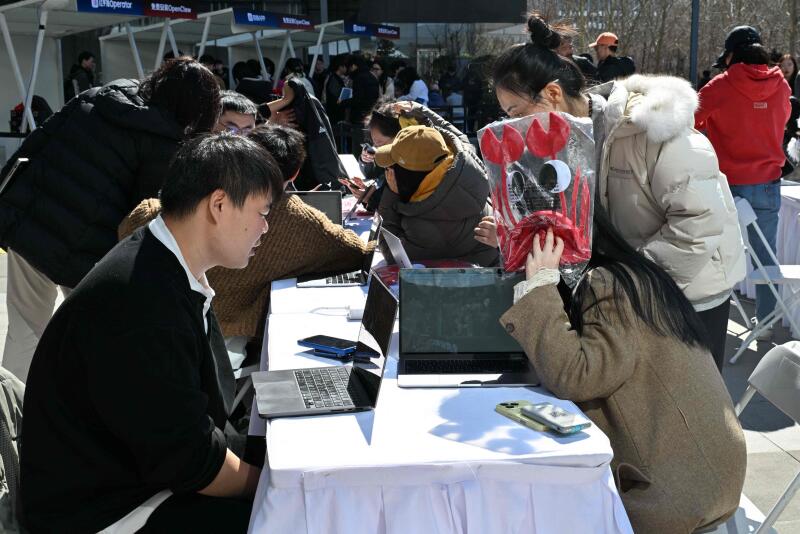
Why OpenClaw caught China’s imagination
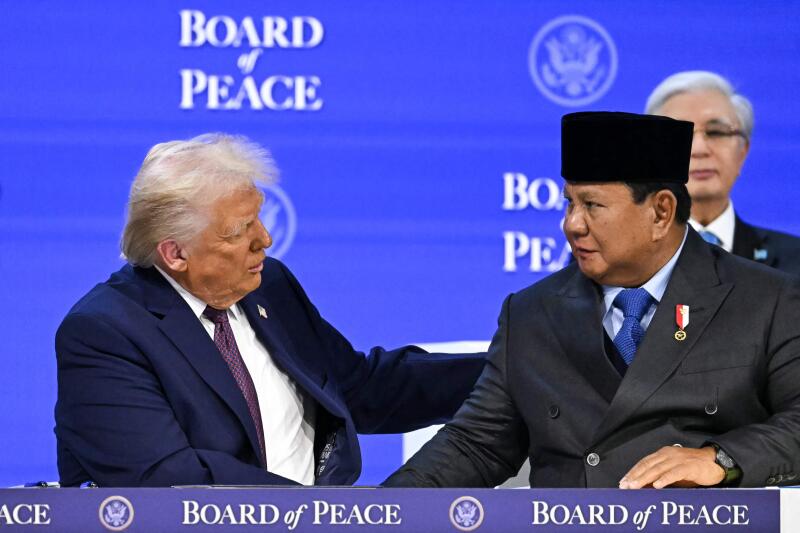
Has Indonesia jumped to US camp? It’s not so simple
Why Indonesia is forcing Big Tech to play by its rules
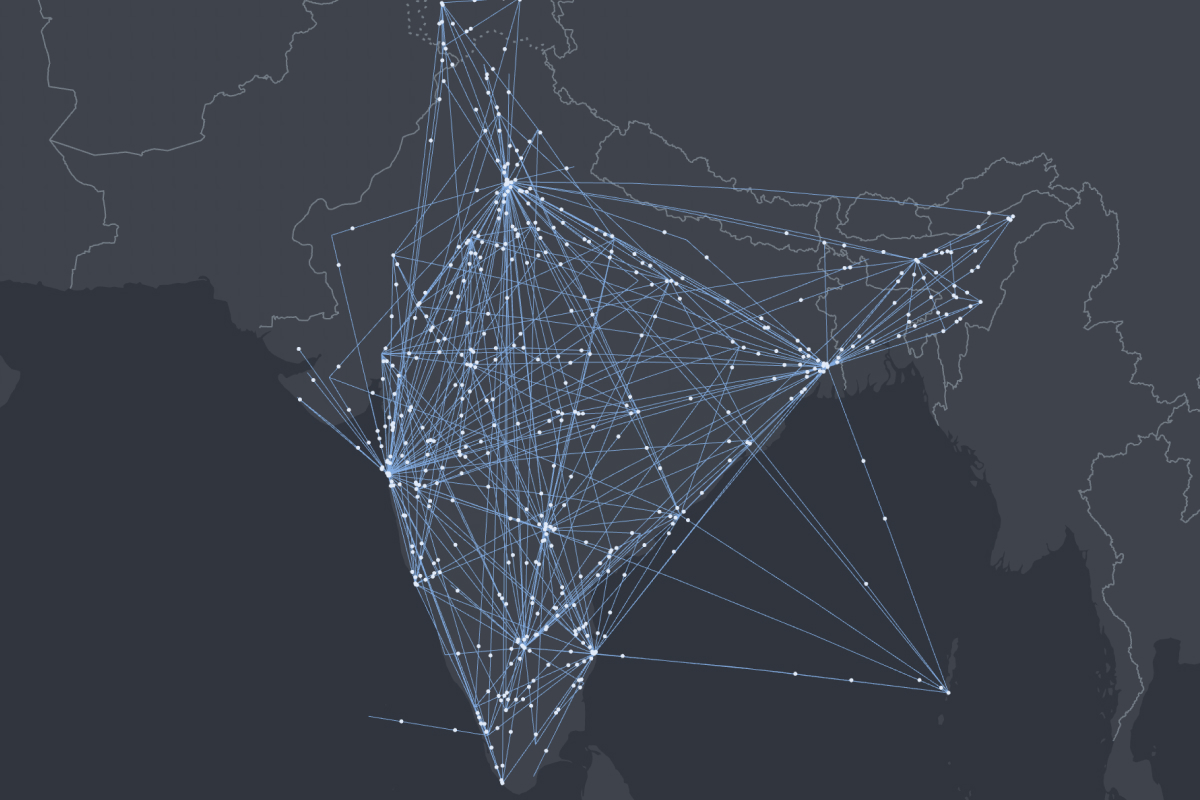
How to get a billion passengers to fly in India
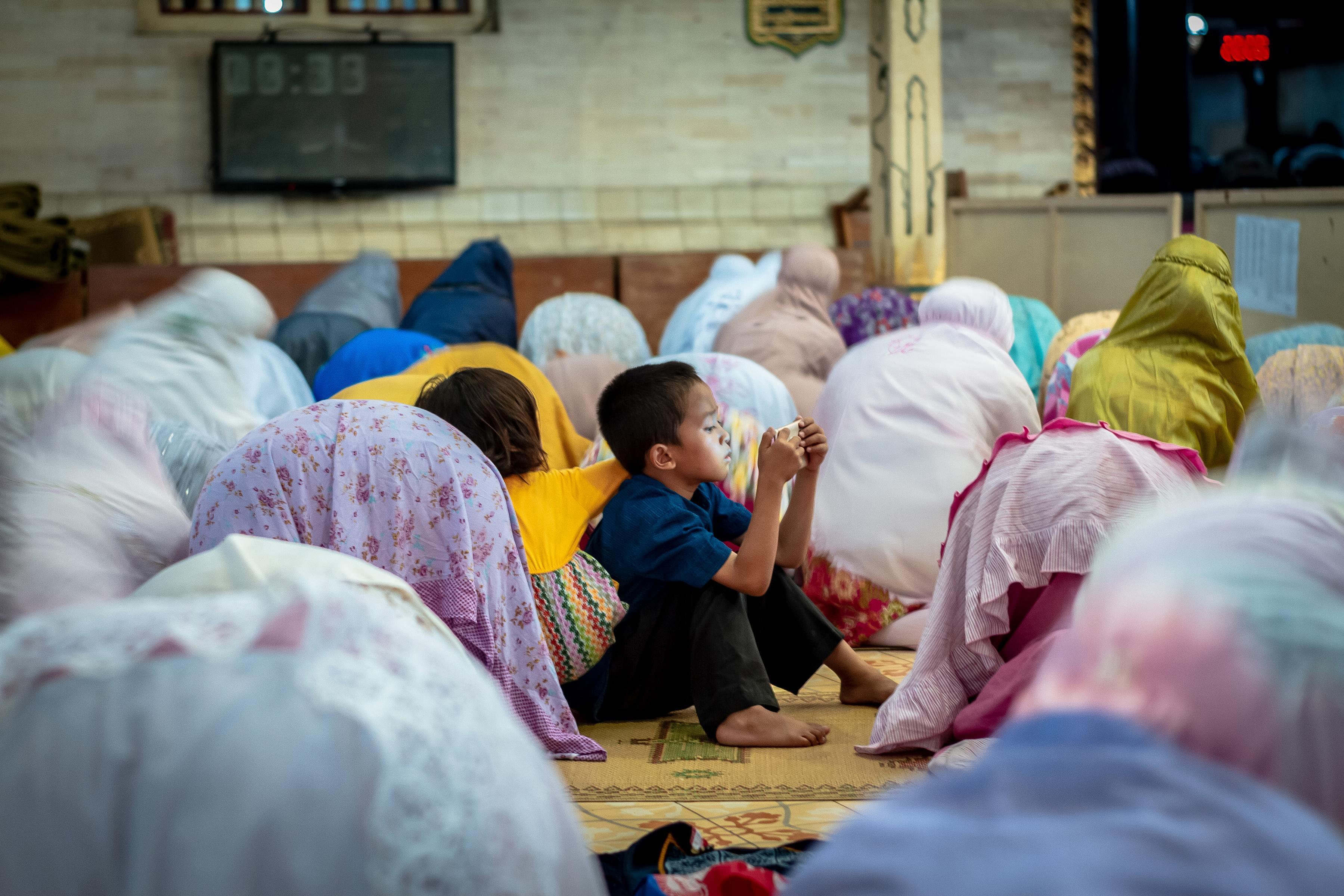
How the Mid-East conflict is affecting supply of Ramadan food in S-E Asia
Why millions of Vietnamese ignore official weather warnings - and turn to these guys instead

If you received this newsletter from someone, sign up here to get it delivered to your inbox weekly!
If you have any feedback, please drop us an e-mail at st-newsletters@sph.com.sg