
Dear reader,
Does one need to speak Japanese in order to rise in Japan’s corporate world?
That long-held perception - that mastering the language is a prerequisite for foreign talent to advance to top positions in Japan’s companies - is one that is increasingly untrue, says our Japan correspondent Walter Sim.
It is a cultural shift exacerbated by an increasingly fierce battle among East Asia’s greying economies for top students and workers from Southeast Asia. And the tip of that spear is in the tech sector, as Japan, South Korea, Taiwan and Singapore position high-value industries such as artificial intelligence, robotics and semiconductors as the primary engines of economic growth.
“Talent flows where people feel they can move fast, get paid well, and switch jobs without administrative headaches or language barriers,” notes Walter.
“Japan suffers on this narrative because it is still fighting perceptions that you must master the complex language to advance. But that is increasingly untrue even if circumstances do vary by company.”
There is a growing wave of firms adopting English as their official corporate language, including Rakuten and Uniqlo owner Fast Retailing.
“Just recently, I met a Malaysian IT engineer who has worked in Japanese tech for six years without speaking much Japanese. And so the structural shifts are happening despite perceptions lagging behind.”
Wendy Teo, our correspondent in South Korea reports similar changes in the monocultural behemoth. The Southeast Asian talent in South Korea she interviewed say that they converse with colleagues and schoolmates easily in English, are on the same intellectual wavelength, and have connected well despite cultural disparities. “While this is still in the early stages, it is an optimistic sign that South Korea is beginning to be more accepting of skilled foreign talents, which is what they desperately need, to stay ahead in the AI/semiconductor curve,” she says.
The stakes are high. Japan is forecasting a shortfall of some 800,000 IT professionals by 2030, South Korea nearly 600,000 and Taiwan 500,000. All are wooing students and workers with a mix of scholarships, internships and fast-tracked visas.
Singapore, who developed the OG of Asean scholarships - a bond-free scheme for pre-tertiary and tertiary students in 1969 - has expanded it to around 800 spots a year.
The longer-term question is, the talent may come, but will they stay?
As Walter observes: “There is a huge mismatch between policy urgency and on-the-ground reality. On paper, governments are throwing money and red-carpet visas at Asean talent, but those perks alone do not magically resolve hard-nosed bureaucracy and day-to-day corporate drudgery.
“The major takeaway is that many host destinations still do not prioritise retention as they do recruitment, and there's still an underlying assumption that for everyone who leaves, plenty of hungry young engineers are waiting to fill their shoes.”
These talents also have more choices today. East Asia is still seen as a stepping stone to the West, our correspondents say, but what has changed is that more want to return to their homes to contribute.
One of them is Pasha Laksamana, 32, who studied in Singapore’s Nanyang Technological University, before returning to Indonesia where he climbed the ranks at major e-commerce giants. He now works in a data consulting firm.
Our Indonesia correspondent Karina Tehusijarana notes that that kind of move might be seen as a step down for some. “One thing in common that I keep finding when interviewing Indonesians living abroad - for this story and for others - is that they all have this desire to contribute to Indonesia, regardless of whether they plan to come back or not”.
Who do you think is winning the Asia race for tech talent? Write to me with your experience and views.
As usual, I leave you with a selection of our correspondents’ articles and podcasts.
Beyond tariffs, Trump’s playbook pushes US solutions for ASEAN needs
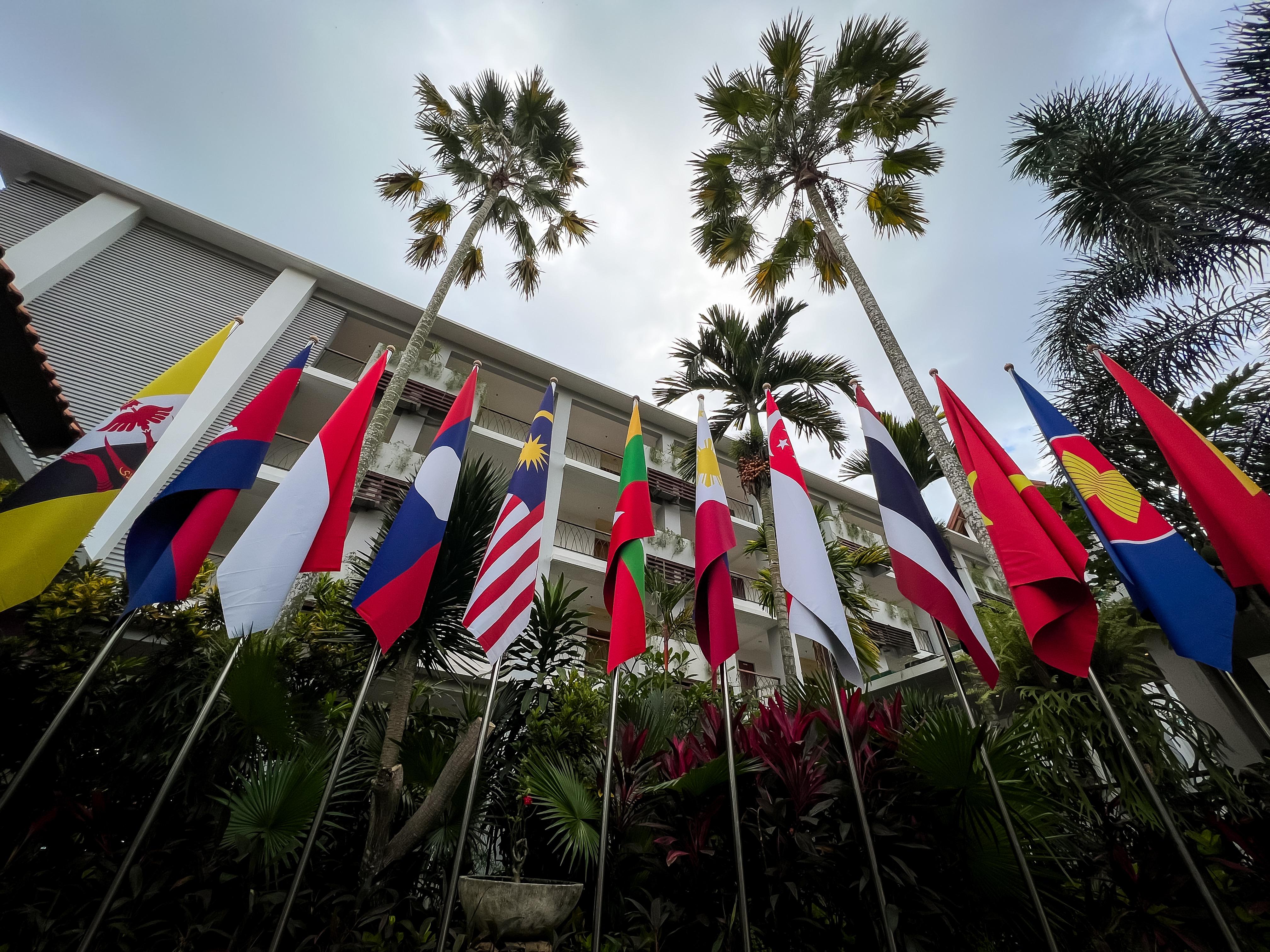
US priorities are being realigned around national security interests, highlighting geo-economic realities.
Asia disputes forced labour claims used to justify latest US tariffs

It’s ‘just the beginning’: India’s ‘cockroaches’ celebrate education minister’s resignation
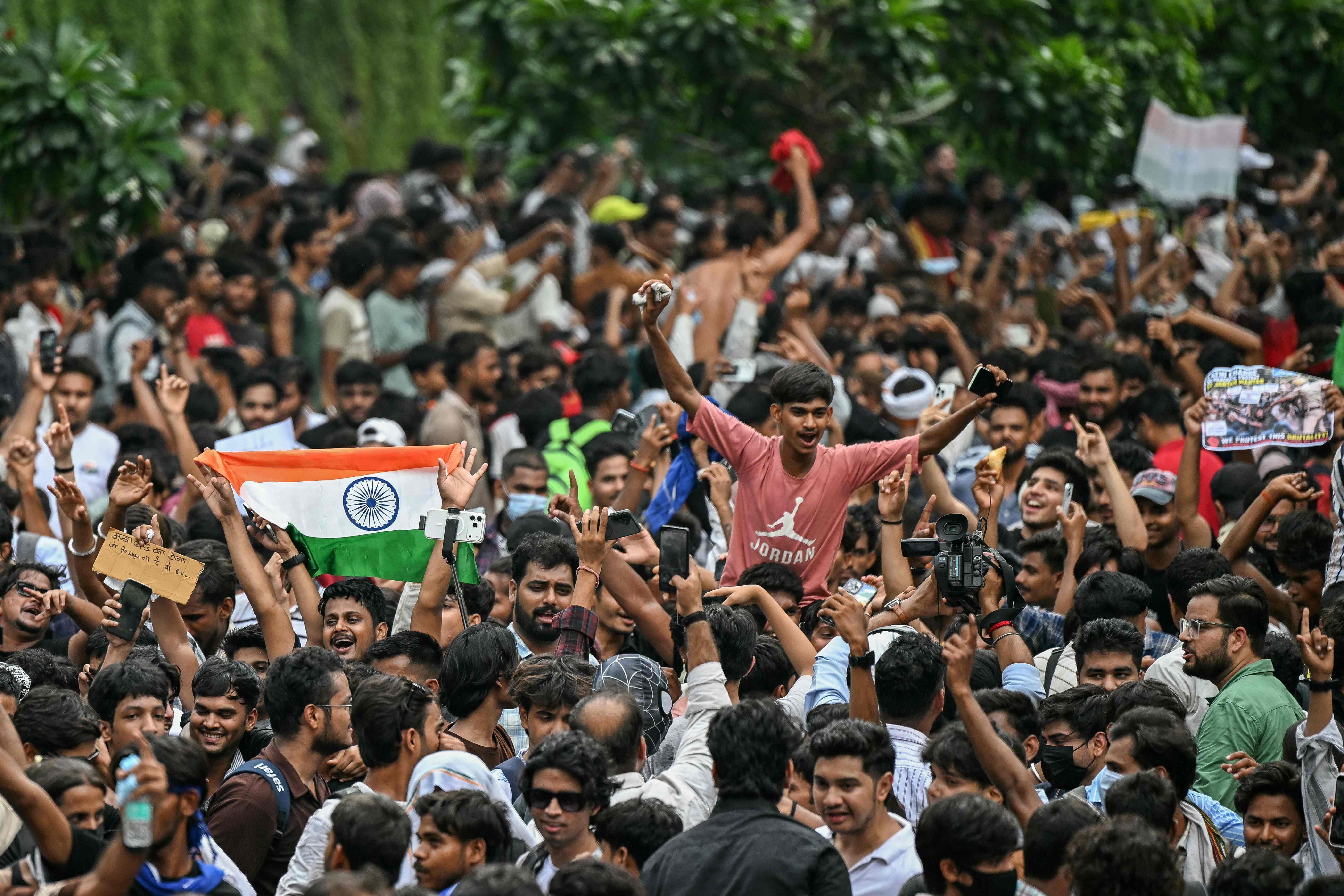
India’s Education Minister had quit earlier in the day, giving in to one of the CJP's demands.
From trade hubs to attractions: China’s wholesale markets are becoming tourist hot spots
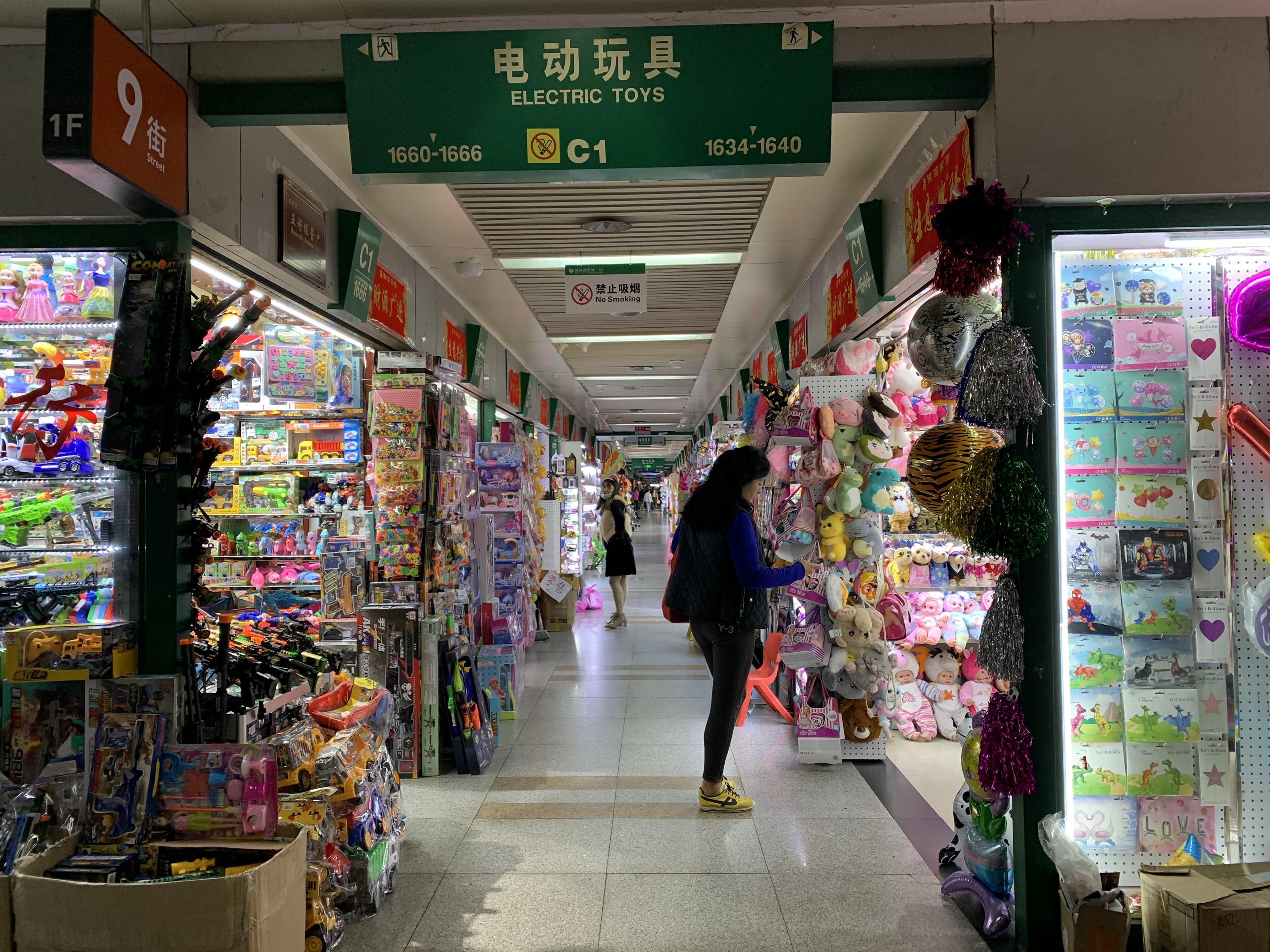
This trend comes against the backdrop of Beijing’s broader push to stimulate flagging domestic consumption.
How youth in South-east Asia get hooked on illegal online gambling

It is one of the fastest-growing dimensions of transnational organised crime in the region, says a UN report.
UMNO-PAS marriage again? Anwar is staring down the barrel of a rekindled Malay unity pact
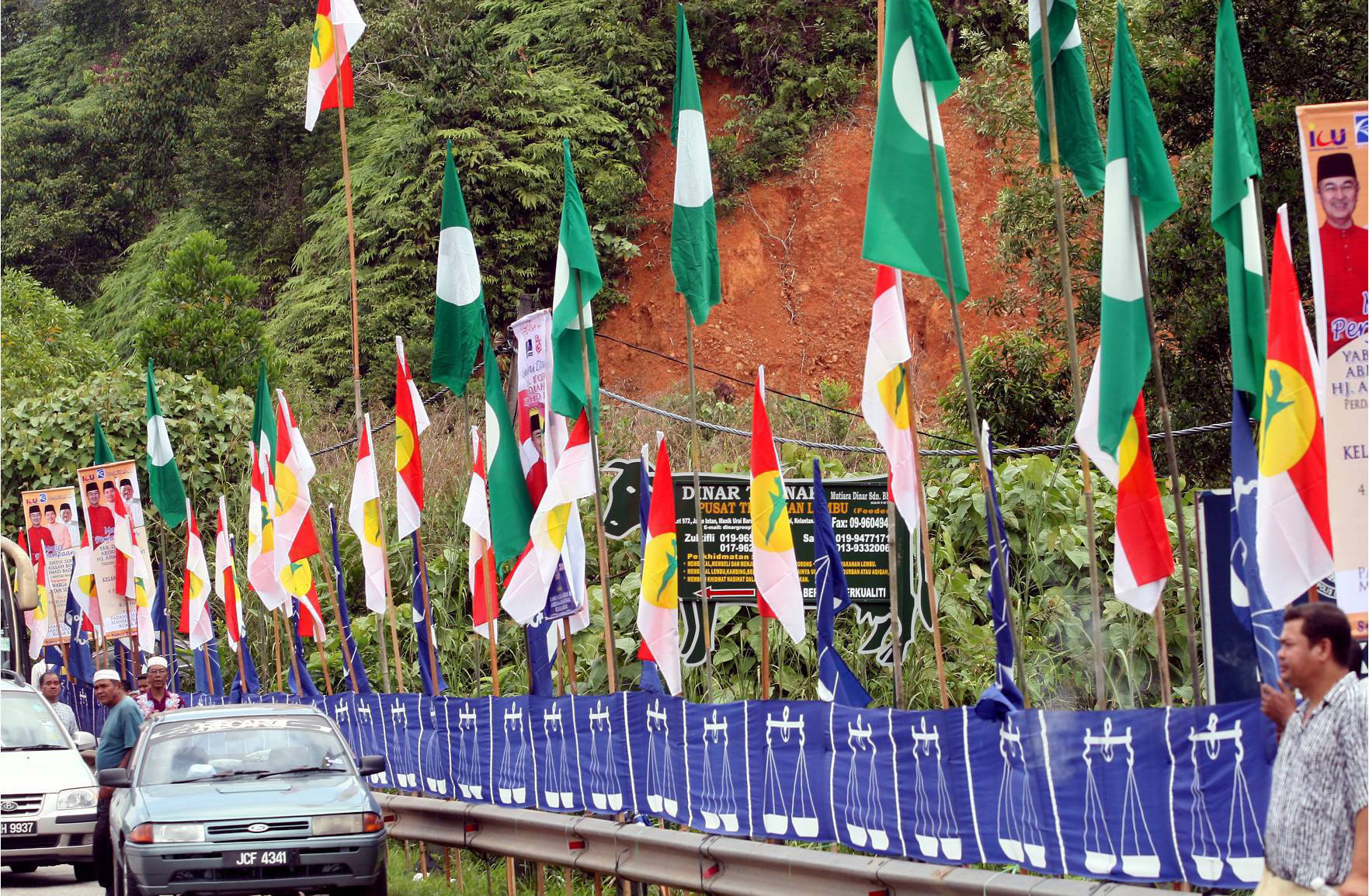
Despite strong economic performance, Malaysia’s leader has struggled to win back Malay voters. The challenge just got harder.
Taking the coach from Singapore to KL? Here’s what you can expect at the new LaLaport transport hub
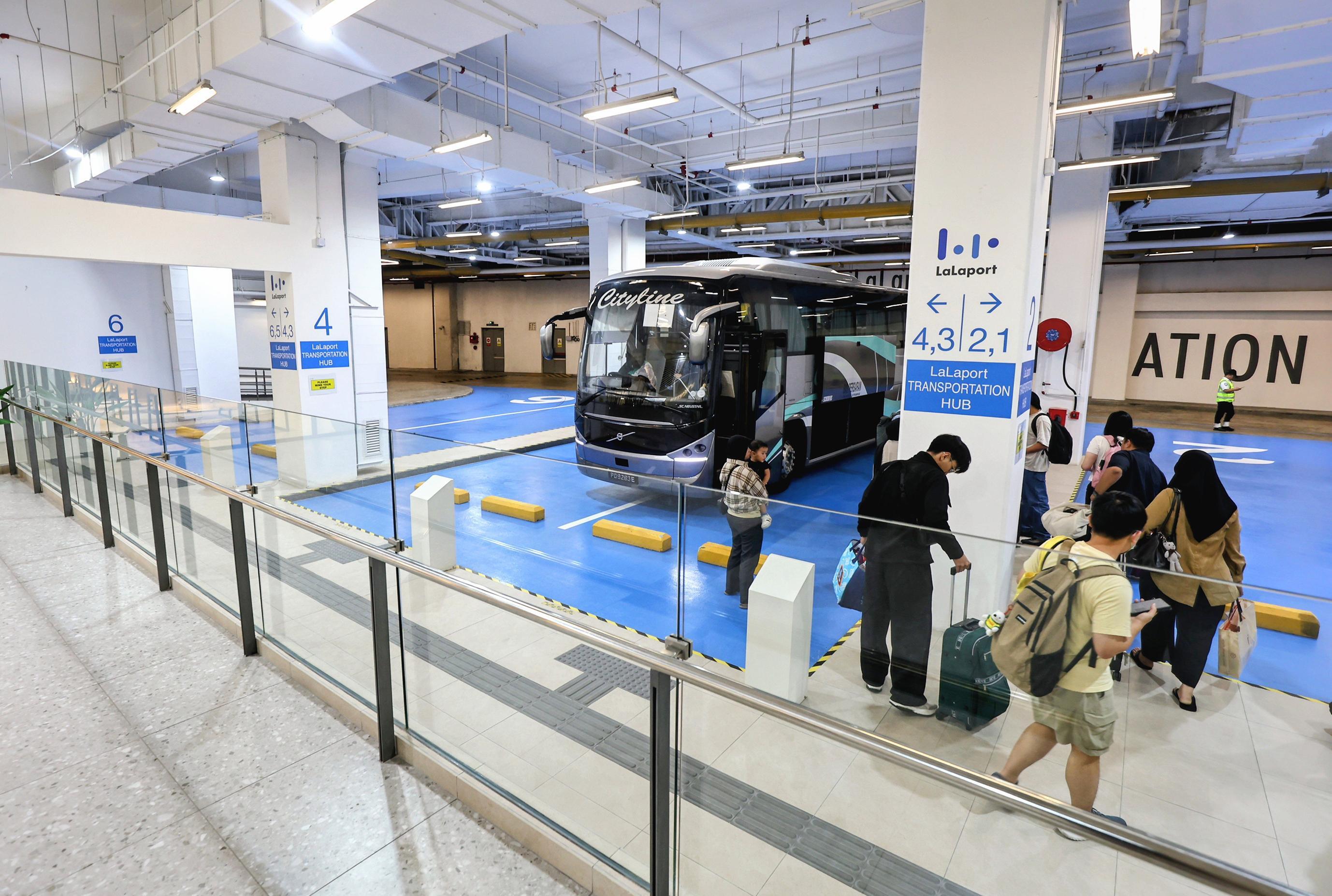
The new coach terminal serves mainly people travelling between Kuala Lumpur and Singapore or Johor Bahru,
Political star power is supposed to transform Port Dickson’s fortunes – will this time be different?
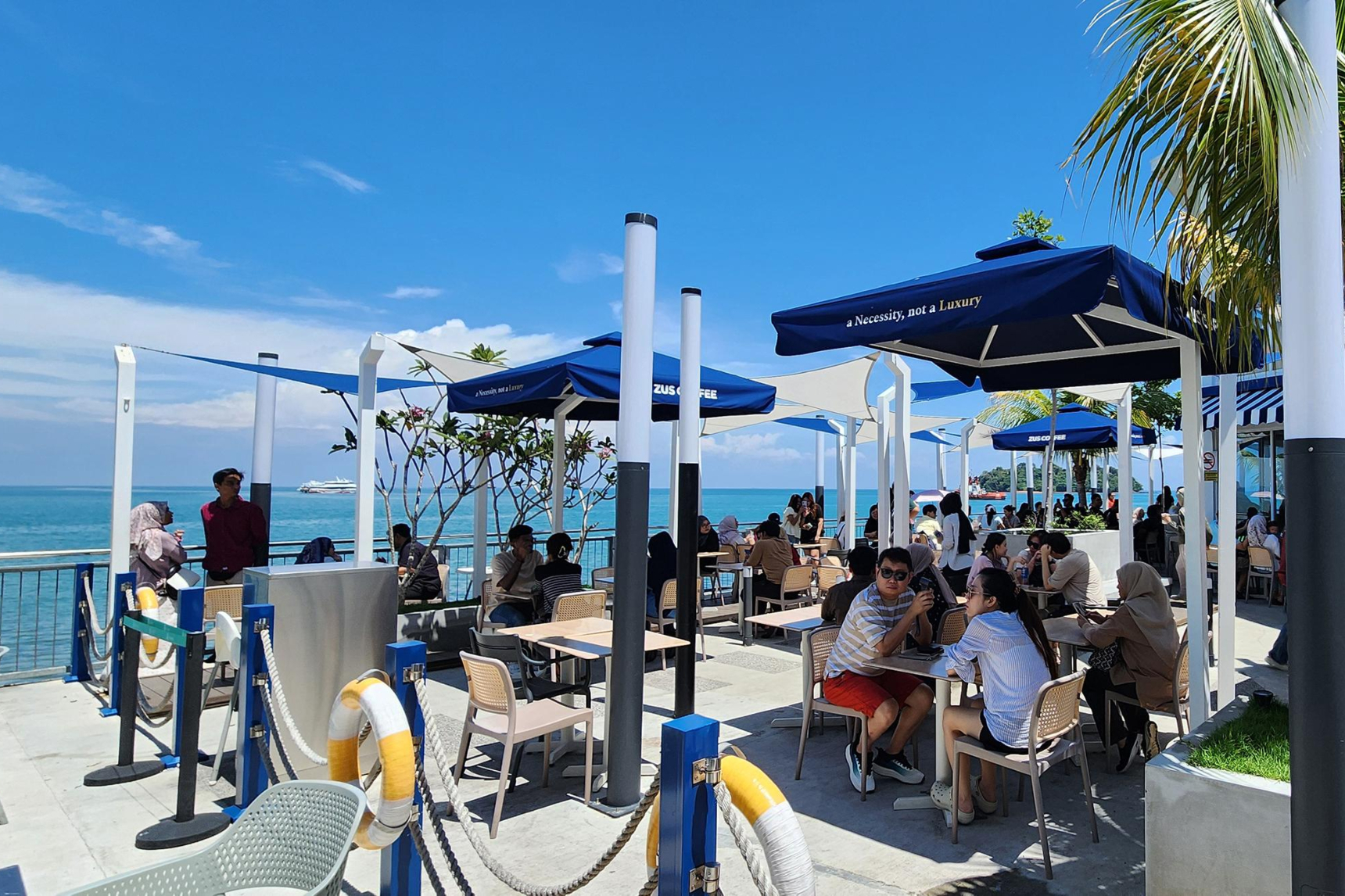
Port Dickson has spent decades waiting for transformation, and now there is a new wave of mega projects.
If you received this newsletter from someone, sign up here to get it delivered to your inbox weekly!
If you have any feedback, please drop us an e-mail at st-newsletters@sph.com.sg