
Dear reader,
Zhao Shengjia, Bi Shuchao, Yu Jiahui, Ren Hongyu, Pang Ruoming.
Names ring a bell? If not, take note.
They are the new faces of America’s artificial intelligence (AI) industry, and part of a wave of young Chinese scholars who did their rigorous undergraduate work at home in China, earned their PhDs in the US and have chosen to stay on to work in the lucrative, cutting-edge tech world in Silicon Valley, as US bureau chief Bhagyashree Garekar tells us here.
But while they may be the current headliners in the global battle for elite AI superstars, the movement of tech talent is rapidly speeding up, at all levels, across the world.
South-east Asia and, in particular, Singapore, is one destination. As this Tech In Asia article lays out, some Chinese AI companies have chosen to relocate their headquarters to this city state for various reasons – to flee an intensely competitive landscape in China, as well as to access foreign funding and markets given US’ restrictive rules on investments in Chinese entities developing sensitive technologies.
Global tech talent are thus making their way to Singapore as well – aside from the Republic’s strategy of grooming its own AI practitioners and users.
It can be a delicate situation, given how AI has become the next pivotal arena for the US-China contest and is being keenly watched for how other countries supposedly are in one camp or the other. But as one analyst argues, American AI firms actually welcome the role of Singapore as a meeting place where they can go toe-to-toe with Chinese companies – and hopefully emerge victorious.
Meanwhile, China has just announced a new K visa to attract early-career science and technology talent from overseas. It is far more liberal than China’s existing visa categories: applicants do not need local employer sponsorship and can stay longer.
What makes the overture a curious one is the question of who exactly it is hoping to target. Given the lower entry barriers, China seems to be wooing mass-market talent, notes my Beijing-based colleague Michelle Ng. If so, they will directly compete with about 3.5 million Chinese Stem graduates each year. Some Chinese analysts reckon that it seems a case of China posturing to show that it is open to foreign talent, rather than actually wanting or needing them. We should get a clearer picture on Oct 1, when the K visa takes effect.
I leave you with a selection of some of our best reads and podcasts from the past week. Meanwhile, if you have feedback or views you’d like to share, do drop me an email.
India-Pakistan Partition’s last generation: Will their memories of home survive them?

In about another decade, there will be no one left with a direct link to their common past.
Indonesia’s Danantara investment fund calls on tycoons to buy low-yield ‘patriot’ bonds: Sources
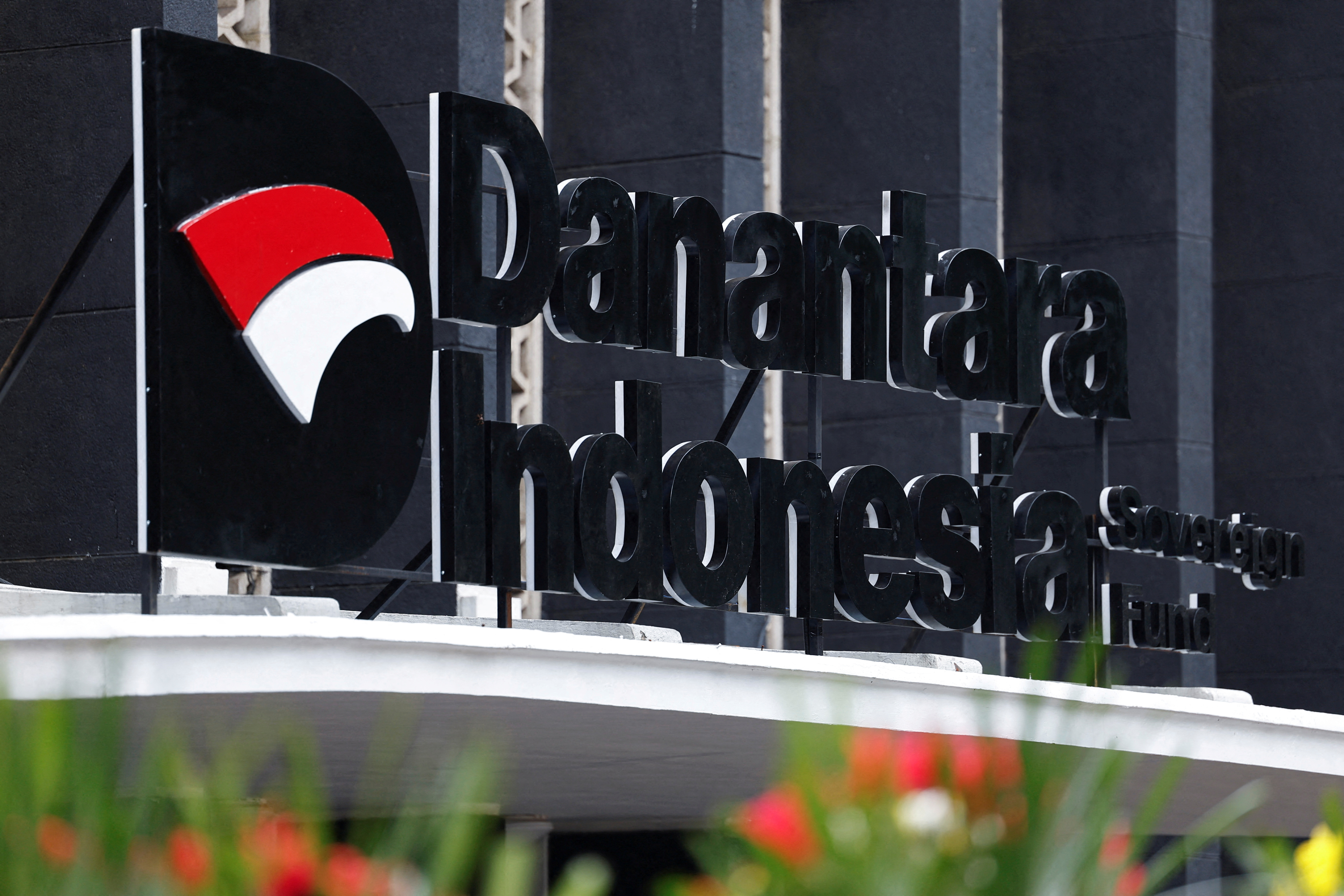
Danantara aims to raise as much as 50 trillion rupiah through the issue of “patriot” bonds.
As China marks 80 years since war against Japan, can time heal historical wounds?
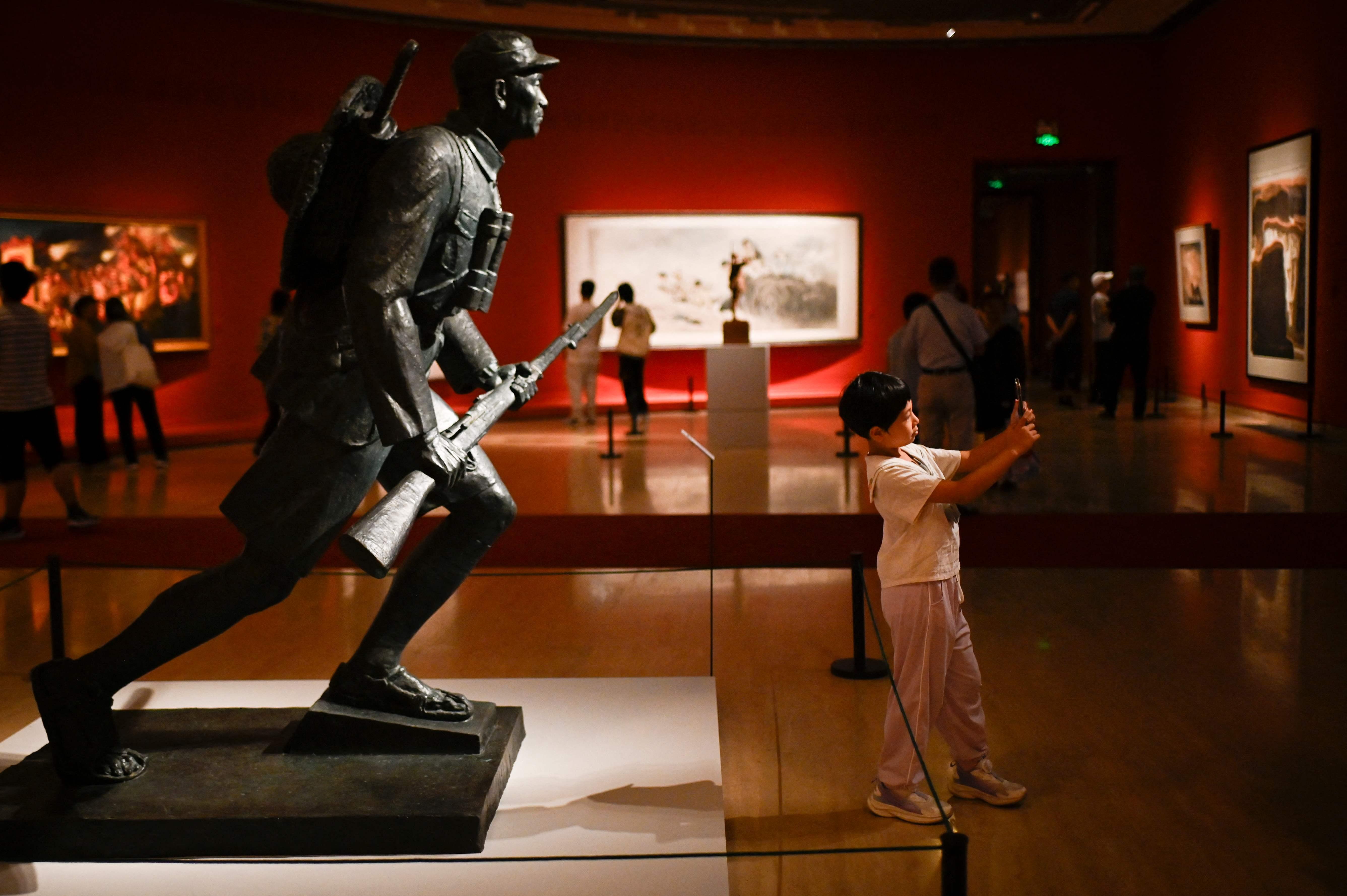
The nations have contributed to making historical memory over WWII an irritant in bilateral ties, says expert.
Netanyahu’s talk of peace is mere masquerade for Gaza destruction

The Israeli PM is hedging his bets by portraying himself as both a warlord and a peace-seeker, Jonathan Eyal writes.
Indonesia’s Gaza rescue bid: Help or hype?
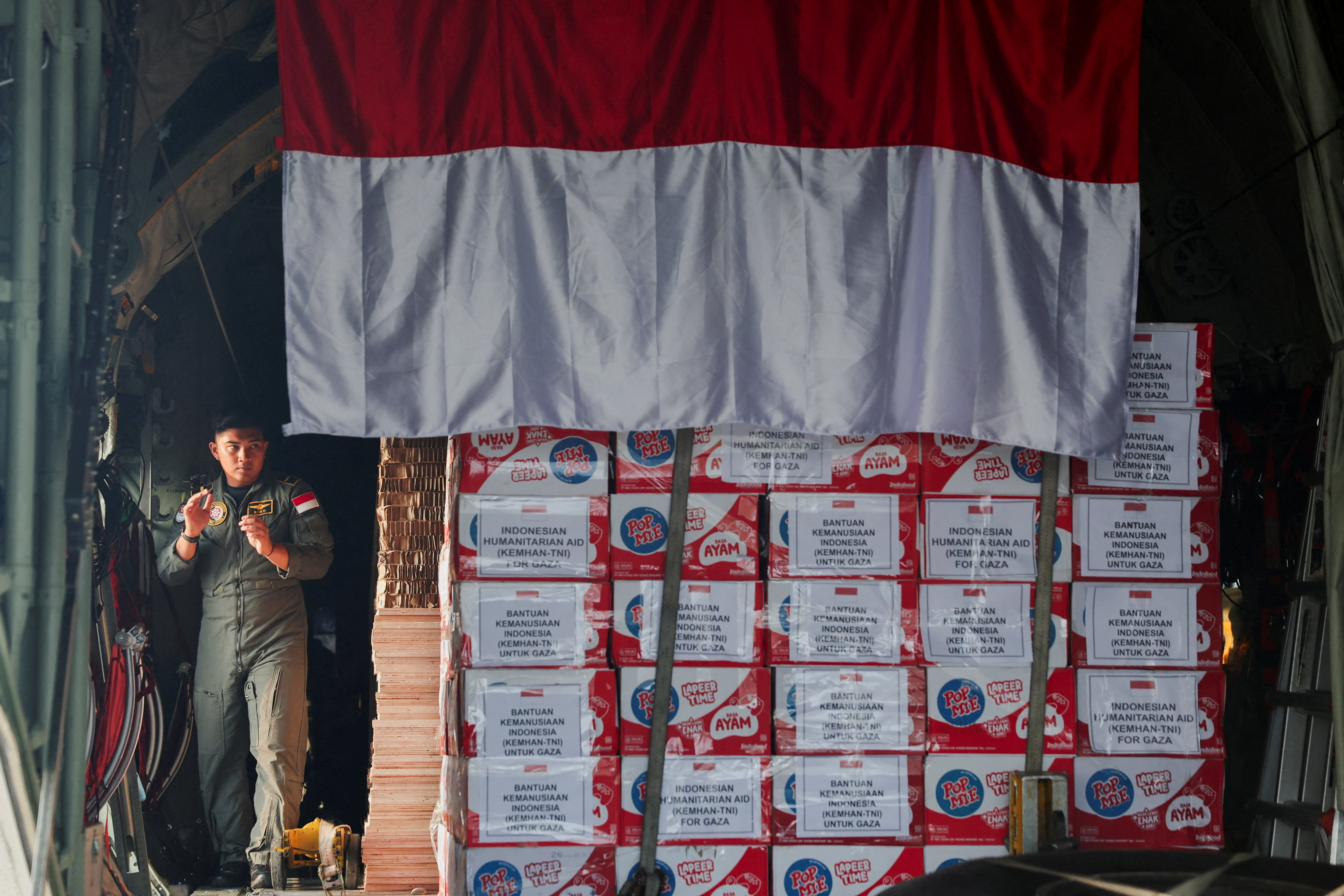
The country plans to host 2,000 wounded Palestinians on Galang Island.
Johor’s kopitiams and their brew of nostalgia that are gaining popularity

They blend familiar tastes with Insta-worthy surrounds.
If you received this newsletter from someone, sign up here to get it delivered to your inbox weekly!
If you have any feedback, please drop us an e-mail at st-newsletters@sph.com.sg