
Dear reader,
When The Straits Times’ regional correspondent Philip Wen recently travelled to Laos, he was struck by a strong sense of deja vu.
Phil, who was based in Beijing for nearly eight years till 2020, took the train on the US$6 billion high-speed rail line in Laos and found the experience in many ways “indistinguishable” to that in China. The trains, the platforms, the ticket counters – WeChat and Alipay preferred, of course – the timetable displays, the signage and even the security screening process were essentially carbon copies of their Chinese progenitors.
“But that is where the similarities end,” he recounts. Despite the rail line being completed nearly four years ago, the connecting infrastructure remains sorely lacking, with the pothole-ridden road into Vientiane, for example, going as far as the high-speed rail journey itself.
It was this story that Phil sought to explore more fully. Beyond the shiny infrastructure built as part of Chinese President Xi Jinping’s signature Belt and Road Initiative – as well as the very visible influx of Chinese businesses and investments, how are the lives of Laotians changed, or not, as a result?
In a country where people are generally careful about criticising their government, there was feedback, loud and clear. The billion-dollar HSR project had contributed to Laos’ debilitating debt levels, which in turn has fed into the fall in local currency and high inflation, and restricting the government’s ability to spend on public services like healthcare, education and road maintenance.
This has spillover effects in Asean. It has long been a rite of passage for many young Laotians to leave for neighbouring Thailand to earn higher wages as migrant workers. This is now happening in greater numbers because graduate salaries in Laos in purchasing power parity terms are lower than ever due to the devalued kip.
A look at another country in Asia could be instructive. Sri Lanka relied on Chinese loans to build massive infrastructure projects but ultimately bit off more than it can chew, ending in sovereign default, economic implosion and protesters overrunning the presidential palace in 2022.
Academics Khong Yuen Foong and Joseph Liow of the Lee Kuan Yew School of Public Policy have just released a longitudinal index measuring how countries in Southeast Asia are choosing between China and the US. Over the span of 30 years, Laos has moved clearly from being “aligned to China” to being “strongly aligned” to it. But they caveat that this is “not the last word on understanding where Southeast Asian countries are in terms of strategic alignments”.
Whether the Chinese rail lines, infrastructure and money now coursing through Laos will eventually create sustainable economic growth determines the landlocked nation’s trajectory.
As usual, I leave you with a selection of some of our best reads and podcasts from our correspondents in the past week. Meanwhile, if you have feedback or views you’d like to share, do drop me an email.
Till then.
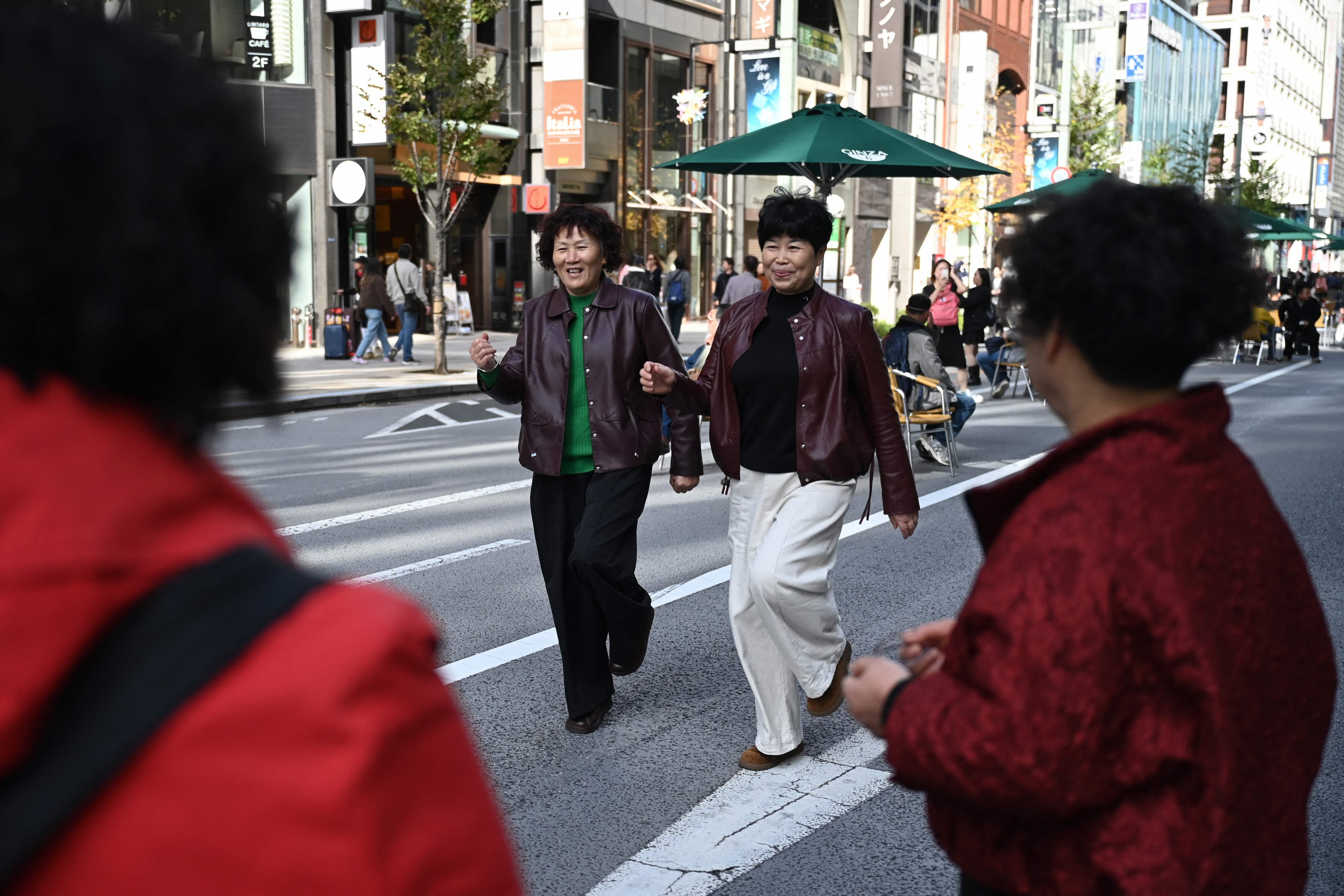
Hokkaido trip off? Chinese tourists in wait-and-see mode about Japan tours amid spat
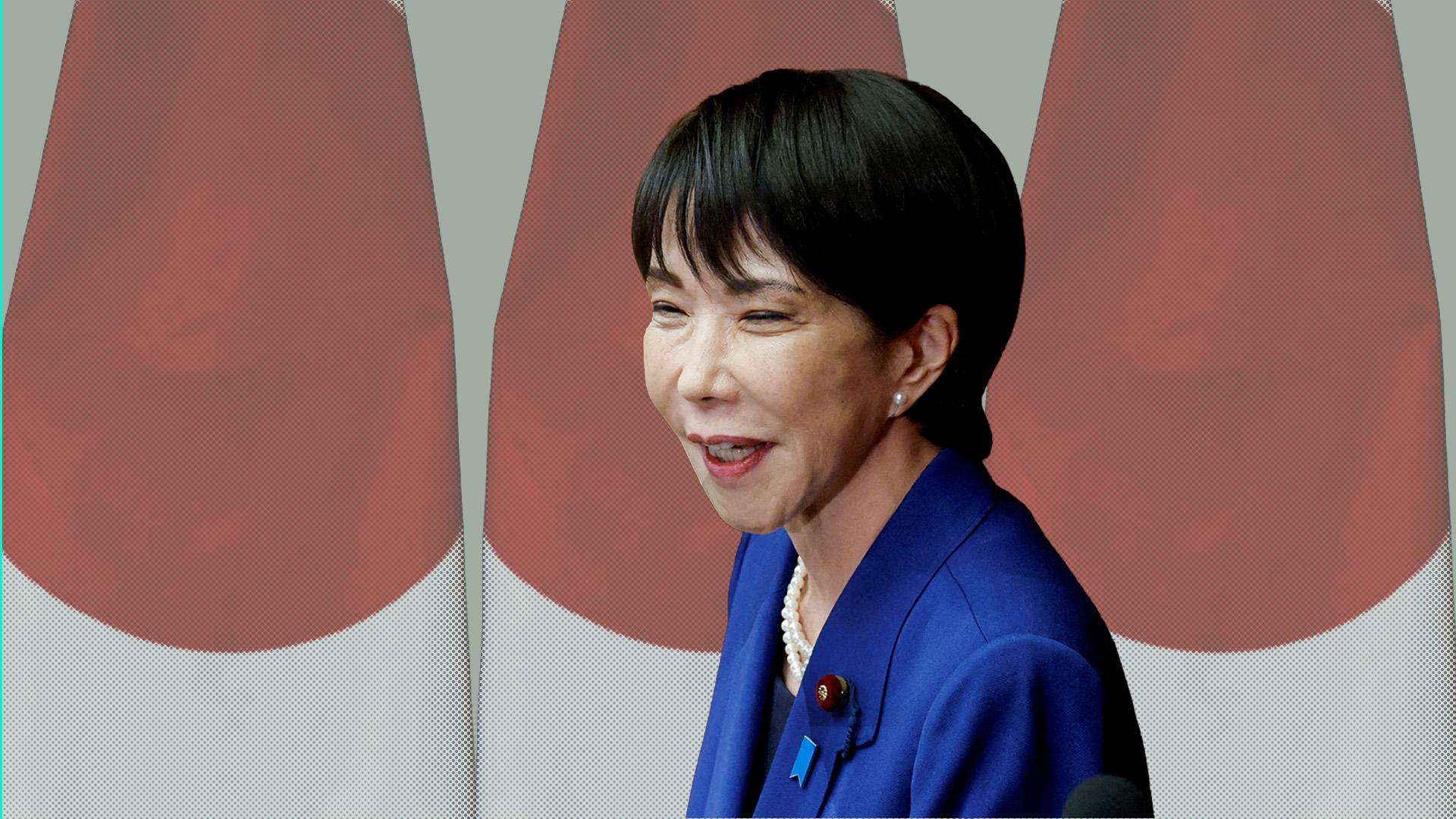
Inside the mind of Japan’s first woman PM Sanae Takaichi
Epstein vote shatters Trump’s aura of invincibility

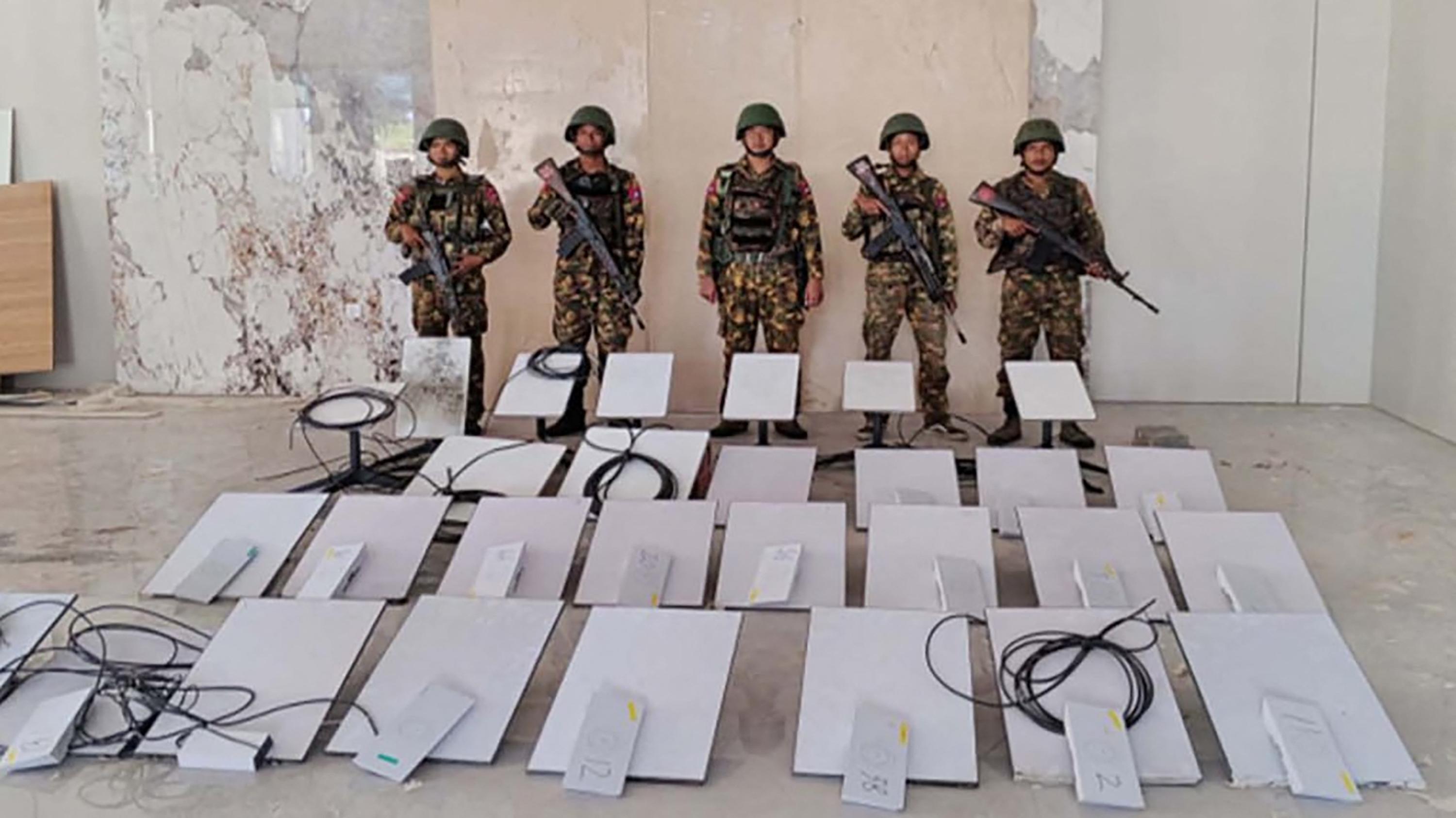
War on scams: Record crypto seizures, explosive raids, but political theatre gets in the way
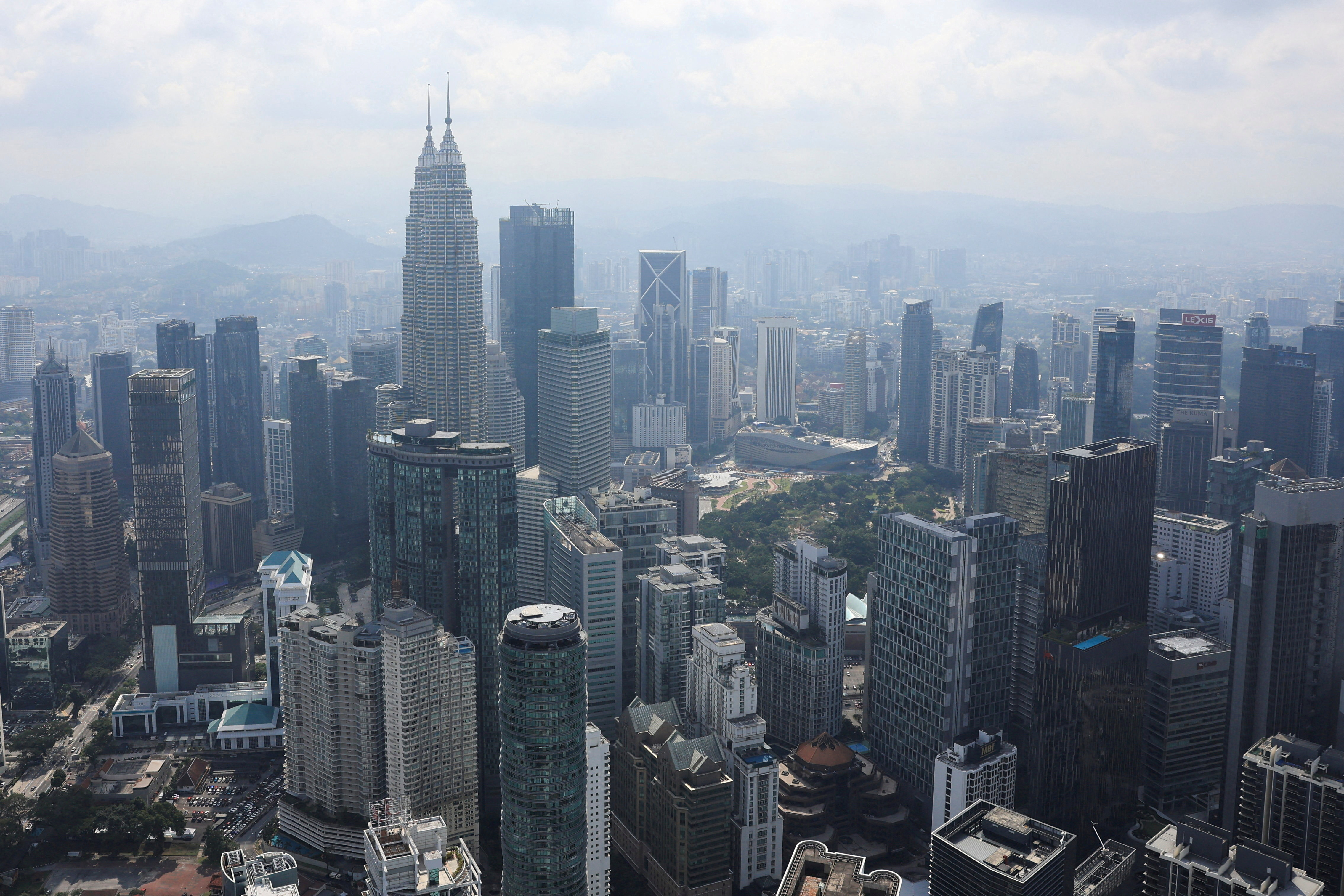
Malaysia faces renewed calls to rewind the clock, 40 years after shifting to UTC+8
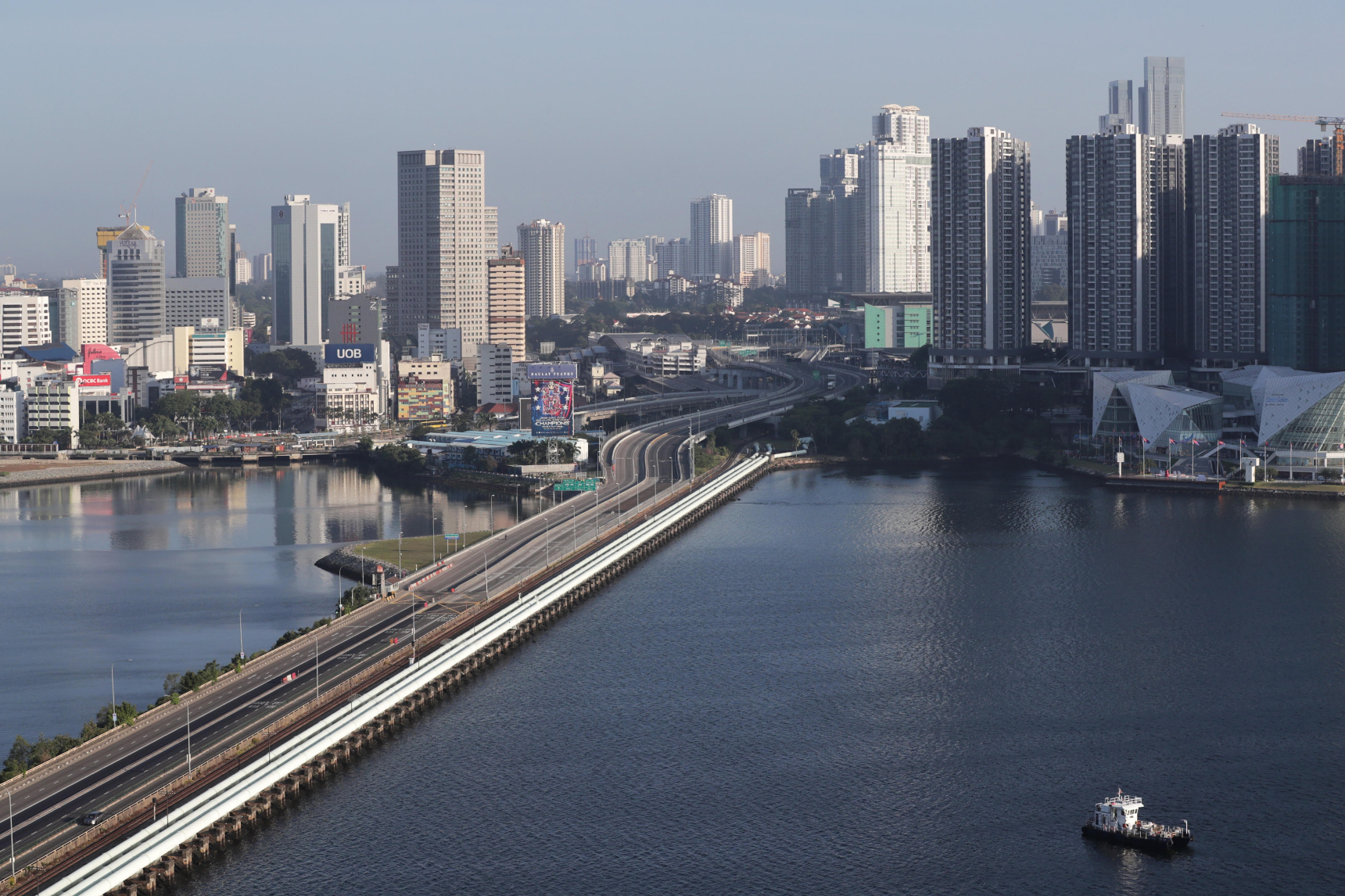
As the ringgit strengthens, what will it take for Malaysians working in S’pore to return home?
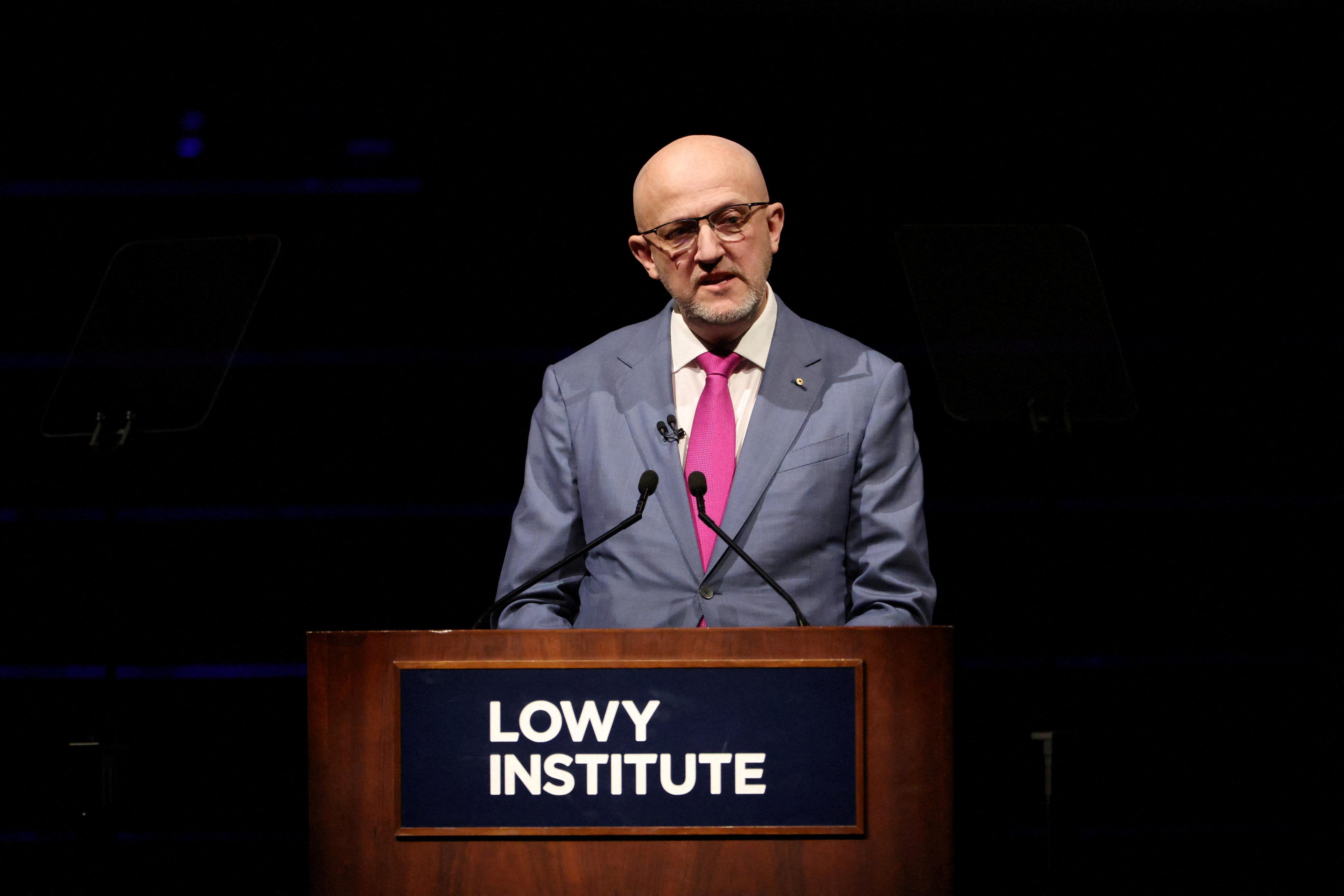
Australia spy boss warns of foreign assassination plots by agents of at least 3 nations
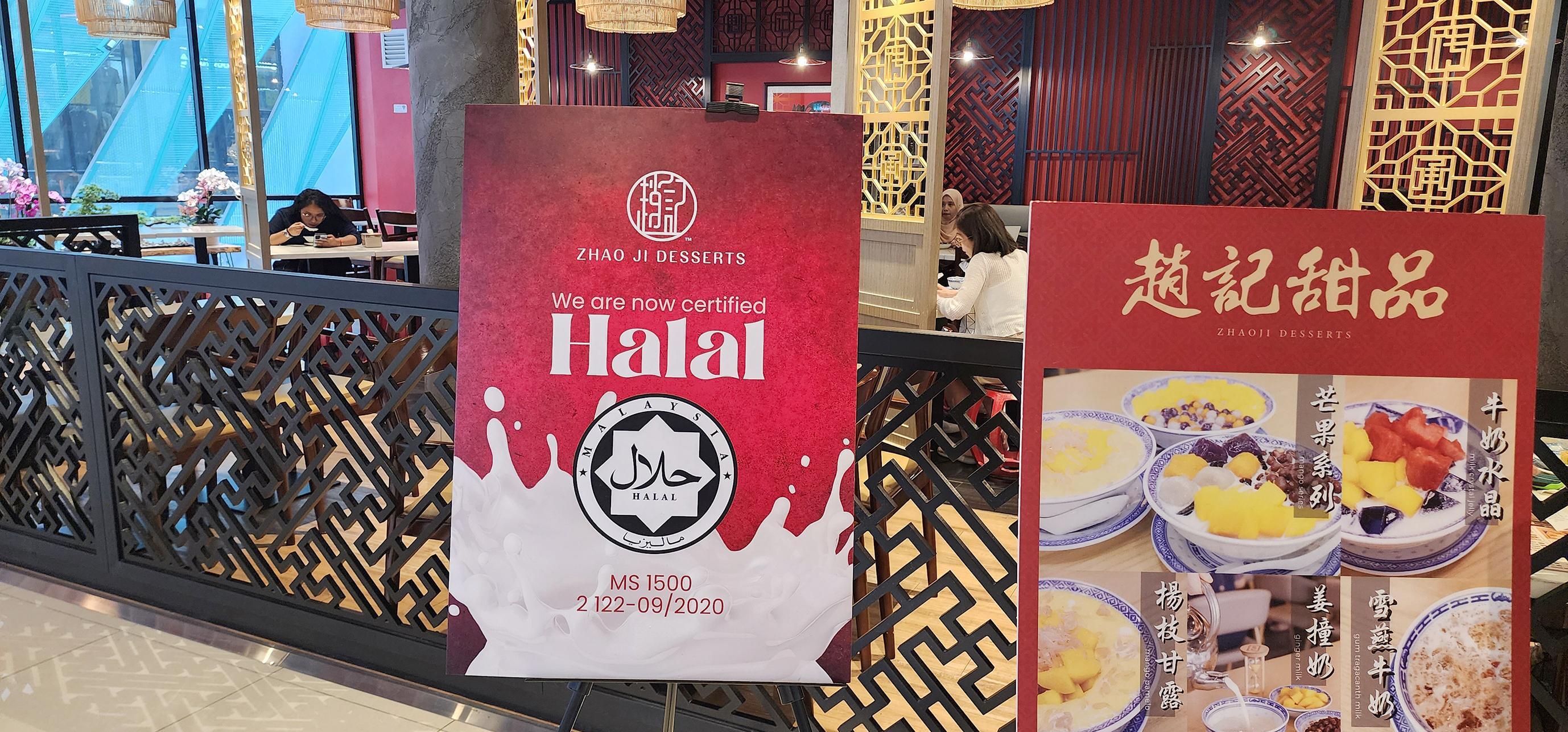
Is this a halal restaurant? Malaysia takes steps to tackle unofficial labels
If you received this newsletter from someone, sign up here to get it delivered to your inbox weekly!
If you have any feedback, please drop us an e-mail at st-newsletters@sph.com.sg