
Dear reader,
On the night of March 3, Indonesia President Prabowo Subianto invited former presidents and vice-presidents, and leaders across the political spectrum to the State Palace in Jakarta. This was no usual meeting; it was rare, unscheduled, announced just hours prior.
The agenda: the ongoing Iran war. During the meeting, Mr Prabowo stressed the need for Indonesia to be prepared – in terms of energy prices, food security and defence – should the crisis escalate, while exhorting national unity.
It came amid scrutiny of Jakarta’s relatively muted response to the US-Israel strikes on Iran and the assassination of its leader Ayatollah Ali Khamenei. To date, Mr Prabowo who leads the world’s largest Muslim-majority nation has yet to speak directly and openly on the conflict. A foreign ministry statement on Feb 28 said that the President stands ready to mediate in the war, though this ambition to be a global peacemaker, including in Gaza, has since been thwarted as outlined by Indonesia bureau chief Arlina Arshad.
Mr Prabowo’s public silence and tandem bid to manage the situation in the closed-door meeting of political elites is in contrast with neighbouring Malaysia Prime Minister Anwar Ibrahim, who has lambasted the Trump administration’s action as “hypocrisy”. Their divergent responses underscore the balancing act for leaders in South-east Asia.
For the Indonesian leader, it is a trade-off between different considerations. He wants a bigger part on the international stage, including playing an active role in the Board of Peace and to stay on US President Donald Trump’s good side, while managing domestic sentiments stirred by religion and politics.
Mr Anwar, meanwhile, has made a different calculation. Malaysia is a majority Sunni nation, and Shi’ite Islam - which Iranians practise - is officially banned. That said, he is keen not to be outflanked by opposition PAS, which was the first to extend its condolences on Mr Khamenei’s death. Mr Anwar tabled an emergency motion in Parliament on March 2 and commended politicians across the spectrum for their “consensus” in condemning the US’ actions.
“Malaysia is the only country to show a firm, brave stance,” declared Mr Anwar.
There are other ramifications playing out in Asia.
The military operation against Iran has roused questions about how it affects the big-power dynamics between the US and China, and whether the much-anticipated Trump-Xi summit, expected to take place later this month, could be postponed as a result. US bureau chief Bhagyshree Garekar also notes, Mr Trump is facing mounting domestic pressure to withdraw from Iran given the continuing lack of clarity on why the operation was necessary.
Even as China speaks up in Iran’s defence, don’t expect Beijing to go further in lending support to the regime. This is even as it watches the conflict closely, and recalculates its strategy for Taiwan, nuclear arsenal as well as arms sales.
Veteran columnist Ravi Velloor masterfully joins the dots from west Asia to Southeast Asia and explains why what is happening presages turbulence across the continent.
What of Iran itself? My colleague Jonathan Eyal unpacks the shrewdness of Iran’s strategy in hitting its neighbouring Gulf states - hard, but also the vulnerabilities within.
Stay on top of the situation in the Middle East as we continue to bring you live updates.
For kinship, not gifts: China’s rise redefines ties with relatives abroad
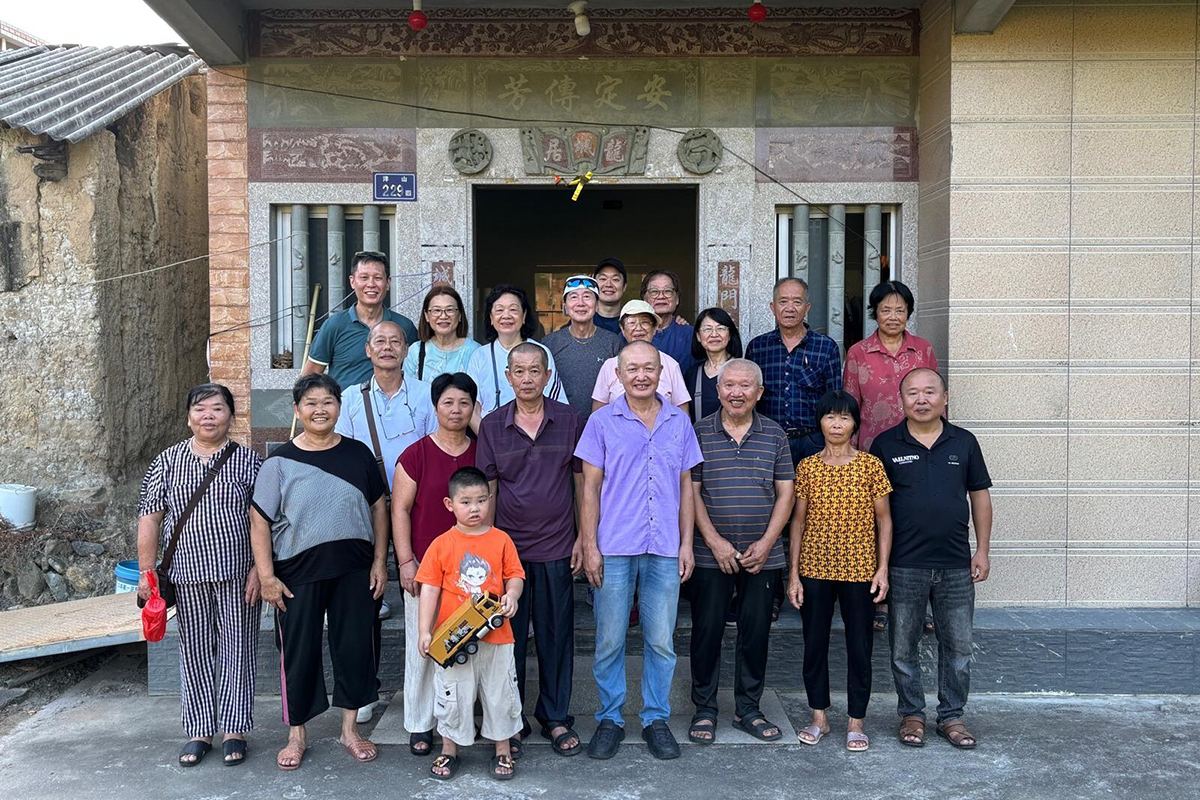
Chinese S’poreans and their ancestral families now place more focus on mutual understanding.
A tale of two elections: Quiet in Laos, lively in Thailand
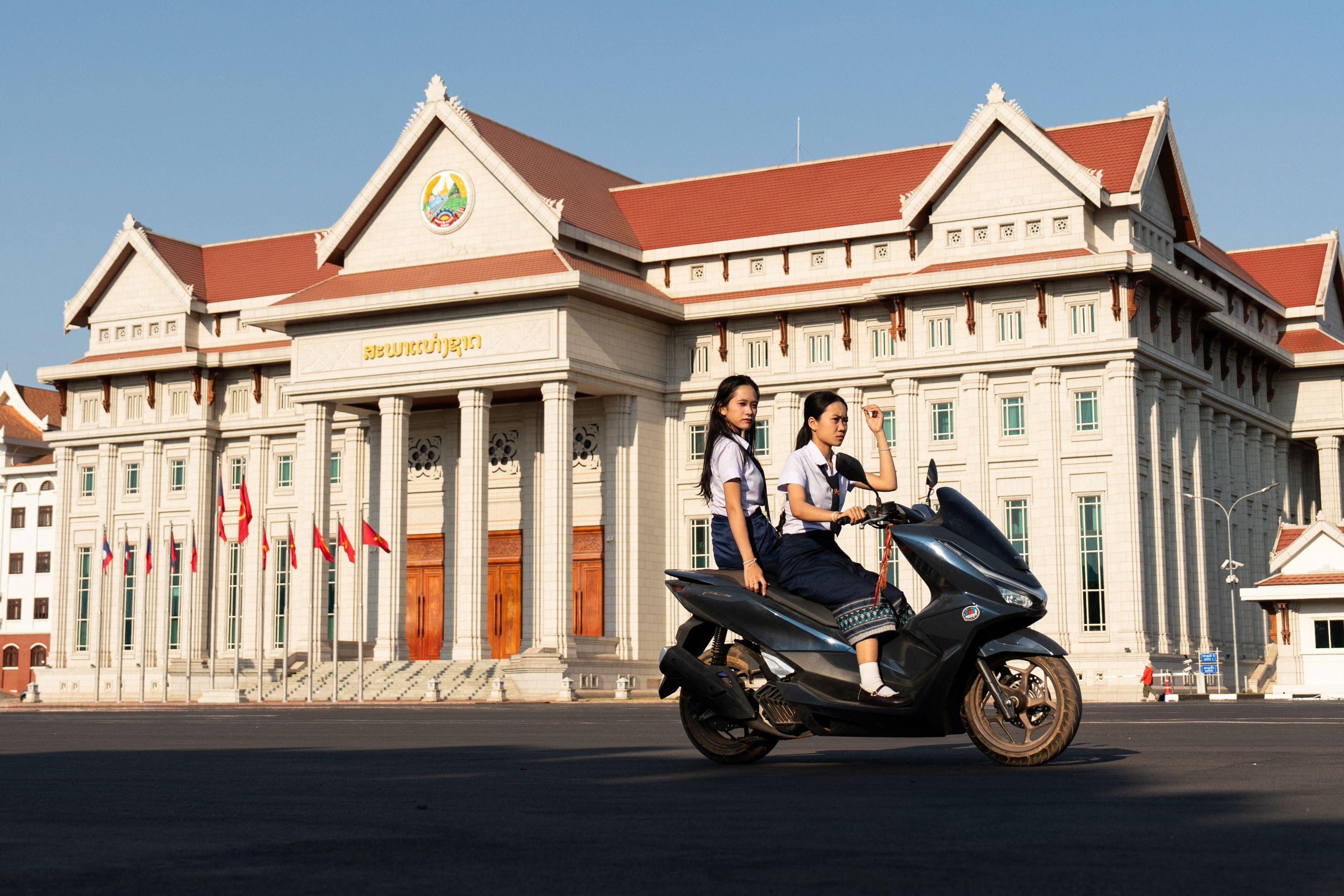
Analysts view the recent polls in Lao as “political theatre” with no real change expected.
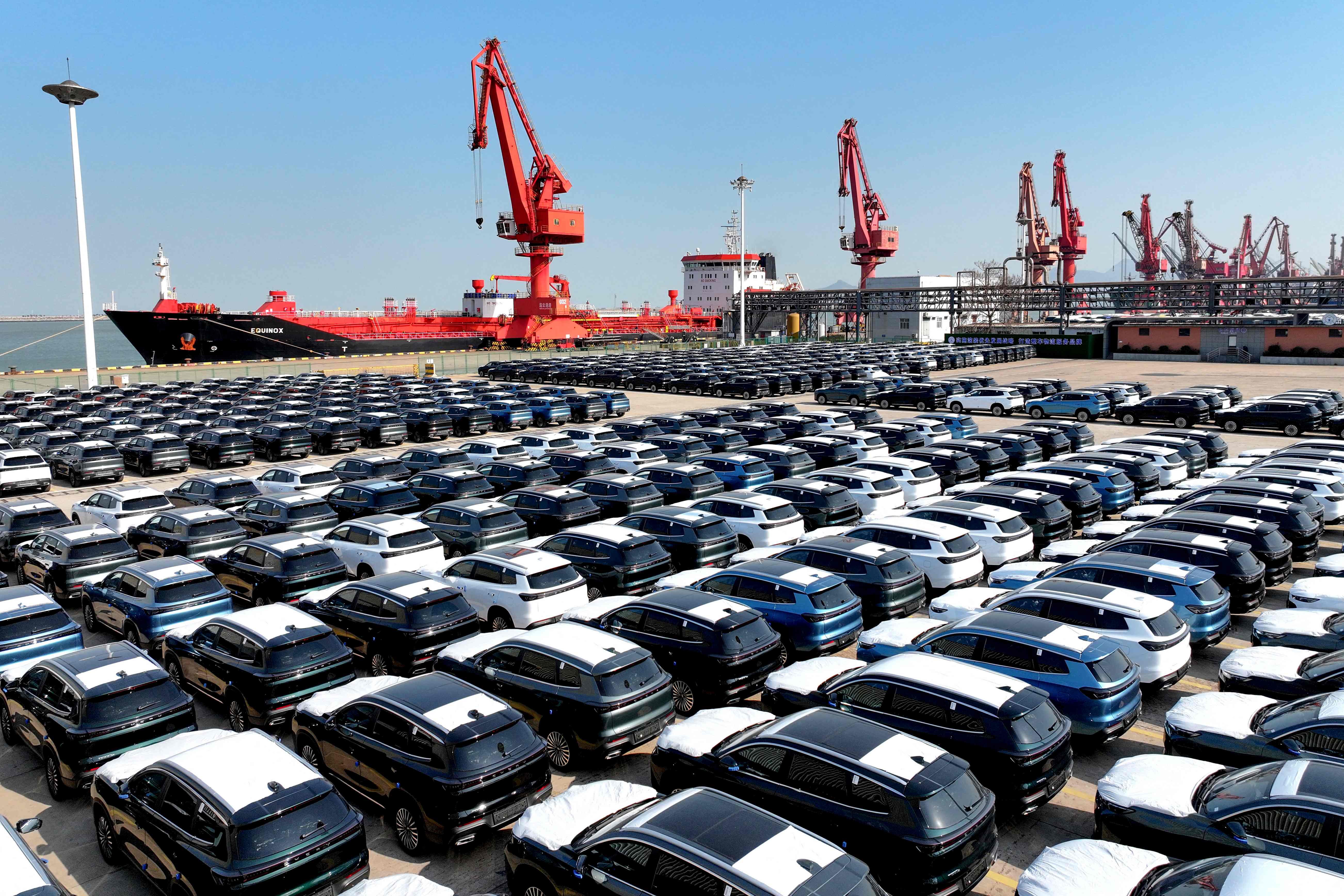
Chinese carmakers rev up EV production in S-E Asia but net gains to workers uncertain
S’pore-based Shein tried to shed its Chinese roots. Now, it has done a U-turn

Its founder touted the company’s Chinese identity, as it strives to secure Beijing’s go-ahead for an IPO.
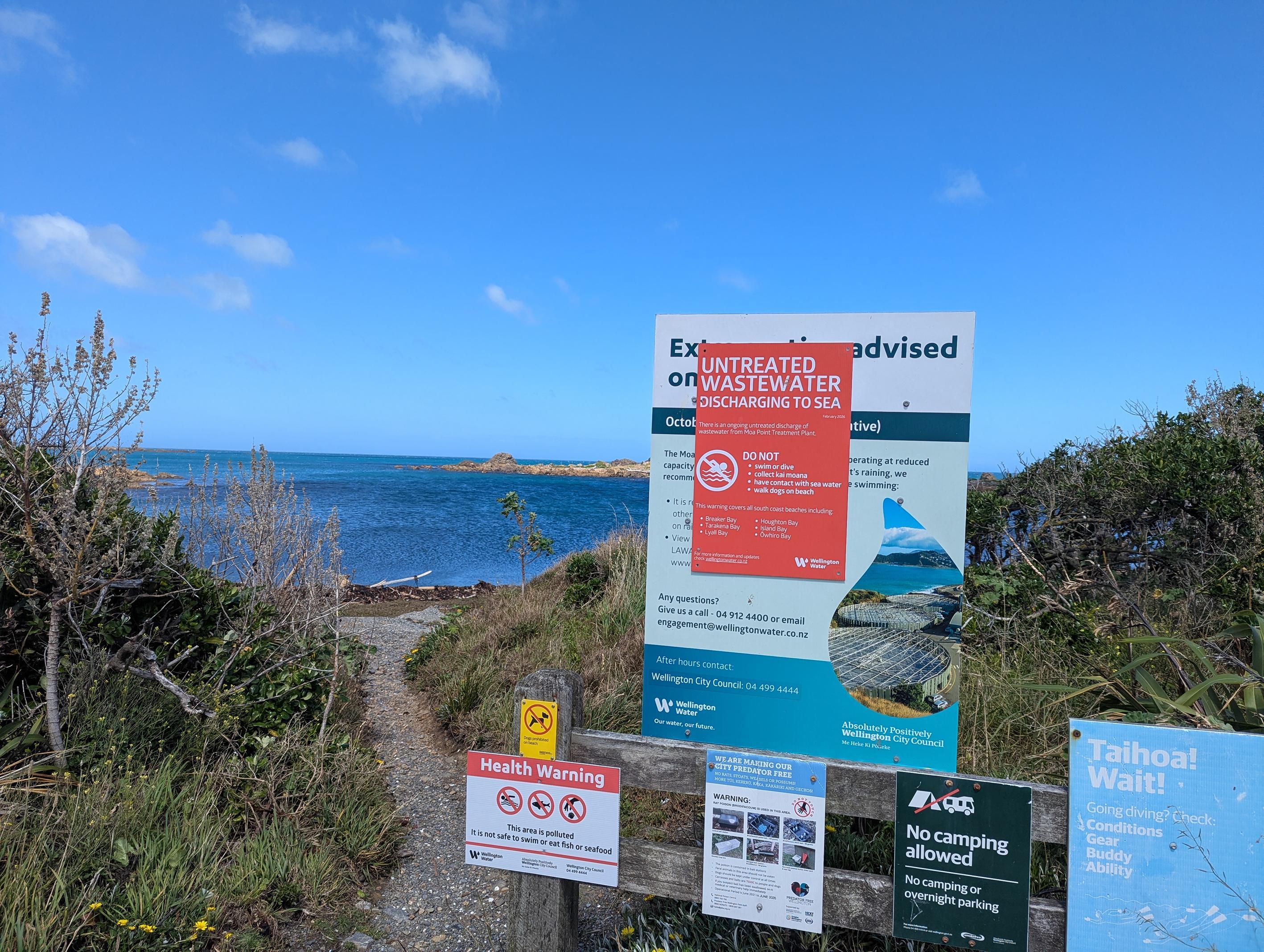
How a ‘poo-nami’ turned a NZ summer beach into a stinky nightmare
American diplomats to ramp up efforts to help sell AI in Asia
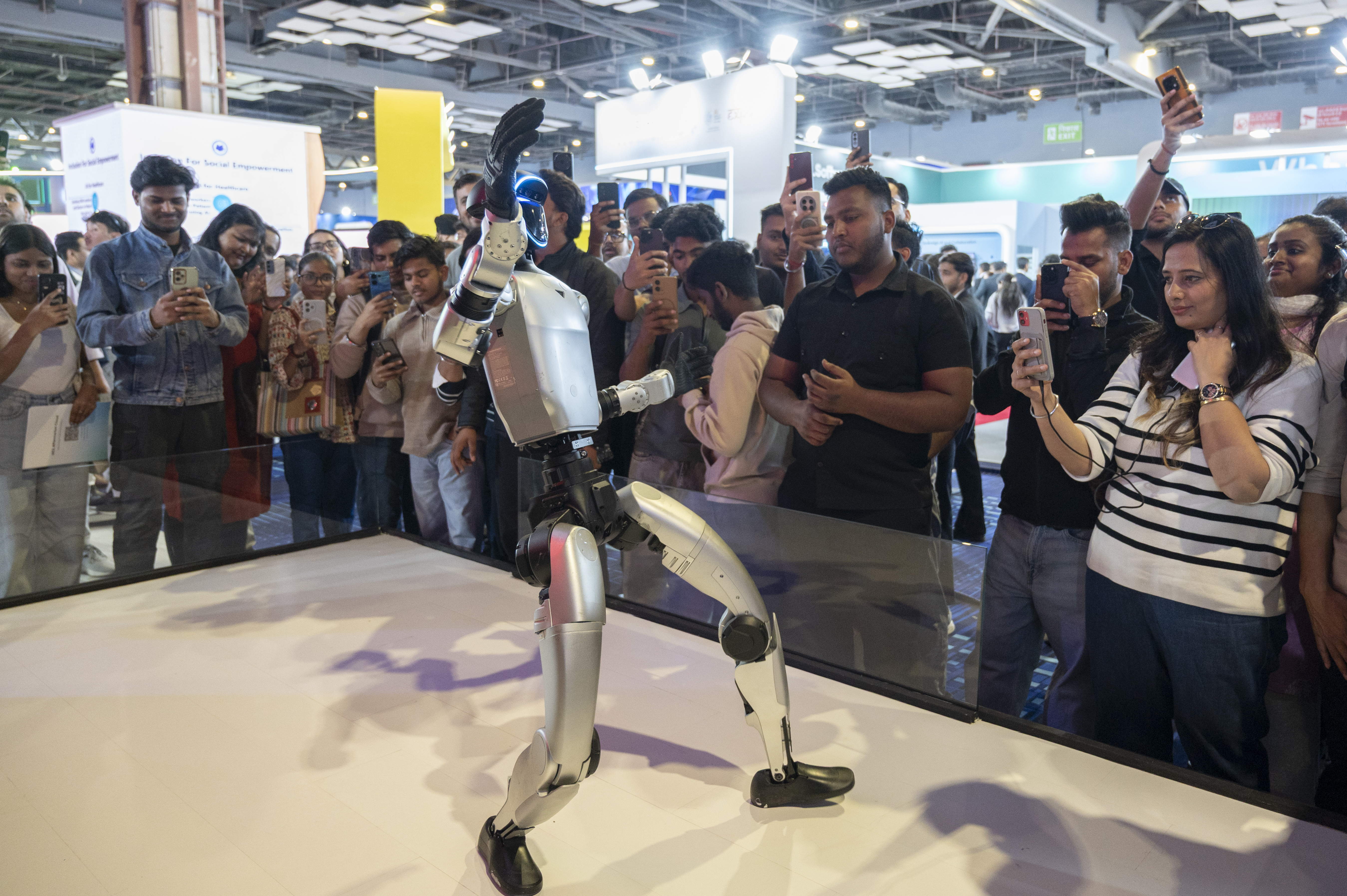
New initiatives aim to displace devices from Chinese providers like Huawei, Xiaomi, Oppo and others.
Behind India’s fixation with the precious metal

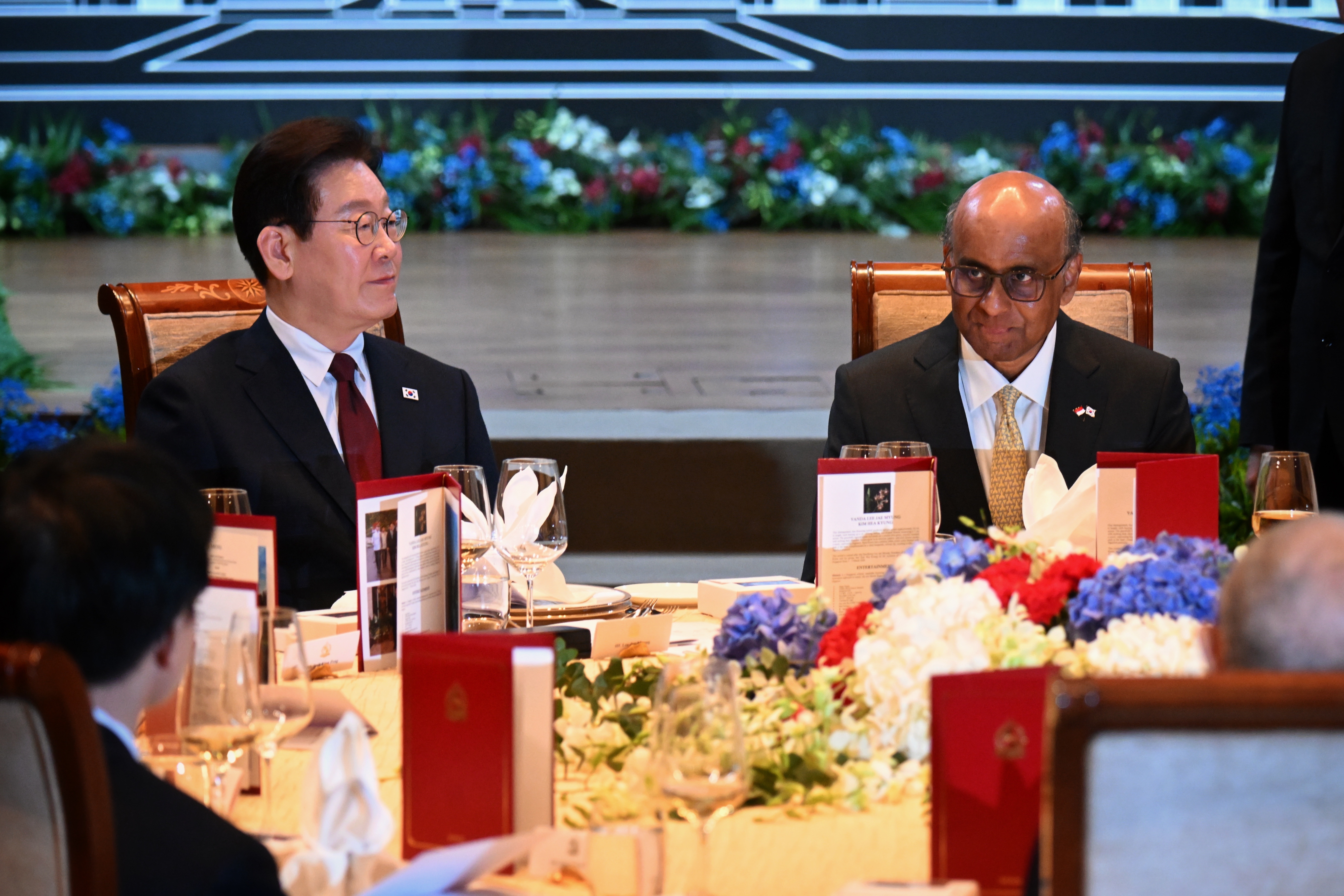
State banquet showcases ‘deep flavours’ of South Korean-Singapore partnership
If you received this newsletter from someone, sign up here to get it delivered to your inbox weekly!
If you have any feedback, please drop us an e-mail at st-newsletters@sph.com.sg