
Dear reader,
In July 2025, when US bureau chief Bhagyashree Garekar drove some 1,500 miles (or over 2,400km) across the United States, she spent less than US$200 on petrol.
The five-day journey from Washington DC to Austin, Texas, was part of The Straits Times’ aim to cover the evolving American story from where Americans live, in different states across the country.
And so eight months on, Bhagya is on the move again – this time, from Houston to Philadelphia.
The drive, again, stretches around 1,500 miles but the petrol cost almost doubled to US$350.
Along the way – through Louisiana, Mississippi and Alabama in the Deep South, up through Tennessee and West Virginia along the Appalachian Corridor, and then into the swing state of Pennsylvania – Bhagya picked up not just petrol receipts, but conversations and observations of a nation at war.
That has culminated in this multi-layered portrait of how Americans feel about US President Donald Trump’s campaign against Iran.
I asked Bhagya what has struck her most. And it is this: how in spite of rising prices across the board, the conflict still feels distant for most Americans.
“The country’s at war but you can’t really tell. Americans are going about their lives largely unimpacted. Bombs are not dropping on their heads, on their cities.”
But they know other shocks are in the pipeline. Farmers in the US, like those in Asia, are worried about the cost of fertilisers during the spring planting season.
And then there are whispers that the government could bring back the military draft, though nothing has been said about it. “People I met spoke about the possibility of their kids having to join the army, there have been rumours floating on social media for some weeks now.”
Such chatter will haunt Mr Trump, who was 18 when conscription in the Vietnam war began. He dodged it five times, citing college studies and heel spurs.
The President is thus in a big hurry to end the war despite his rhetoric, says Bhagya. If the conflict is protracted and America loses prestige, voters will punish him and his party come the mid-term elections in November.
There are other domestic storylines, a key one being what the Democrats’ stance is. “Here’s a President who tests every limit, but the Democratic Party can’t seem to frame their criticism of him effectively at all. Not only can they not land a punch, they remain sunk in low approval ratings themselves,” notes Bhagya.
With Mr Trump having extended the ceasefire deadline, which was supposed to have expired April 22, 8am SGT, where does that leave the war?
Why ASEAN has yet to step on the gas in regional energy cooperation
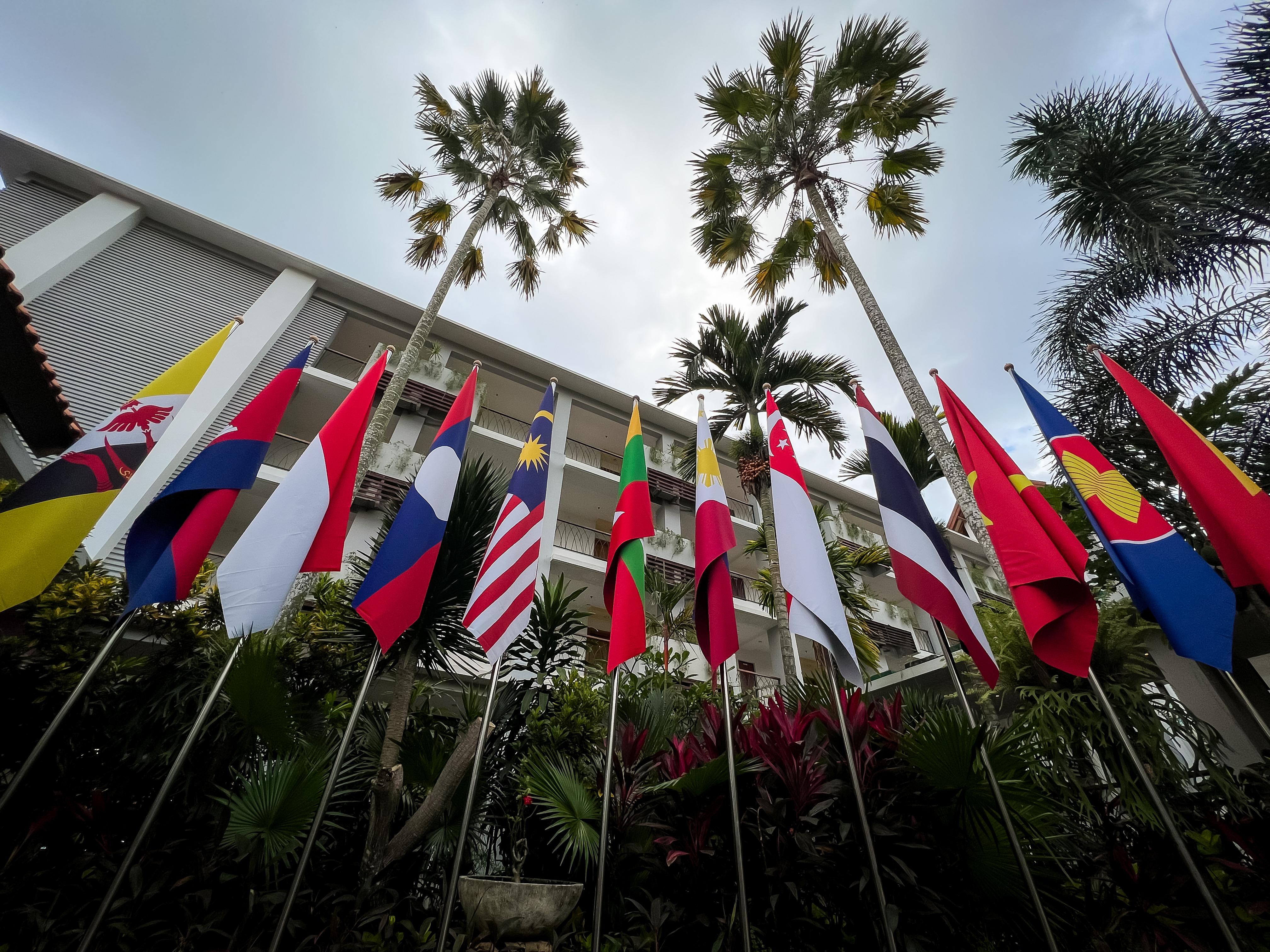
An emergency petroleum sharing pact has never been activated and analysts say challenges remain.
Standing up for freedom of navigation sends right message: UN maritime chief

Global repercussions to shipping being used as collateral in regional conflicts, he warns.
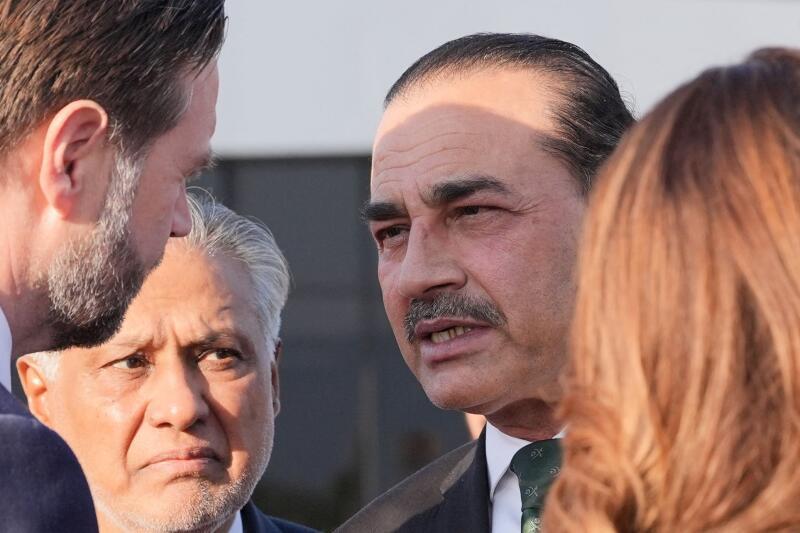
Pakistan General Asim Munir’s kite takes flight and could soar even higher
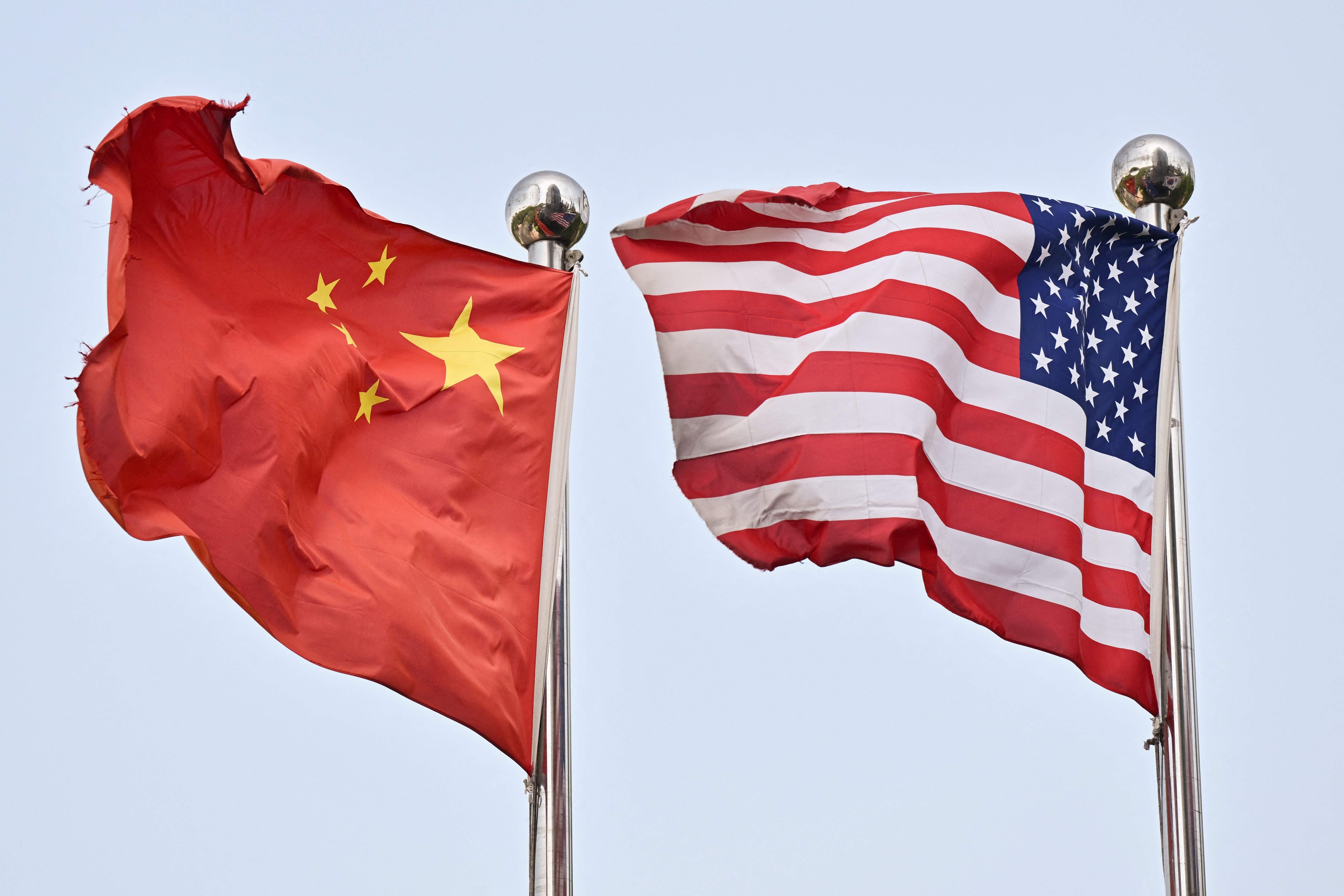
Washington’s loss doesn’t automatically translate into Beijing’s gain
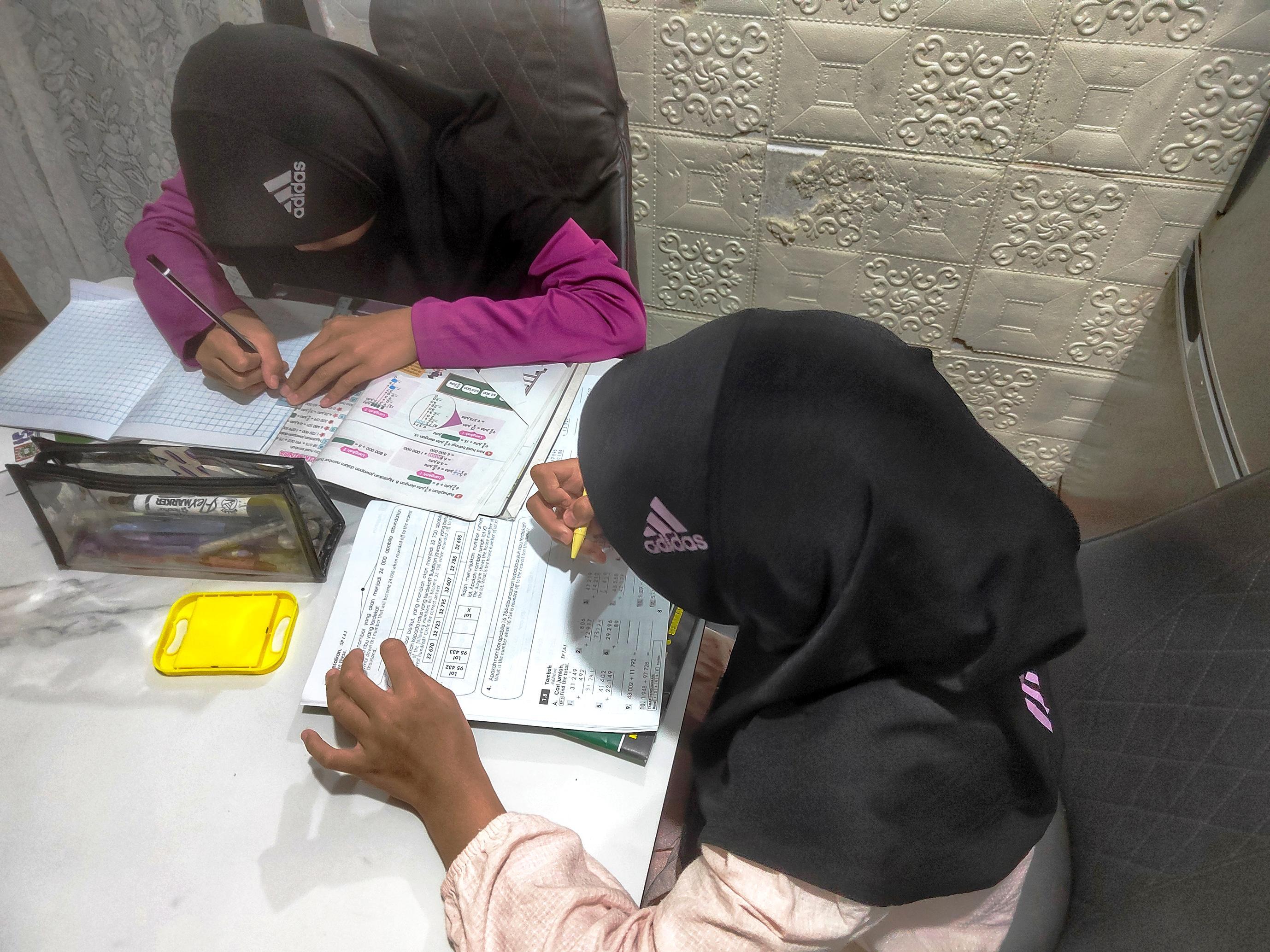
Digital poverty is holding back Malaysia’s needy children
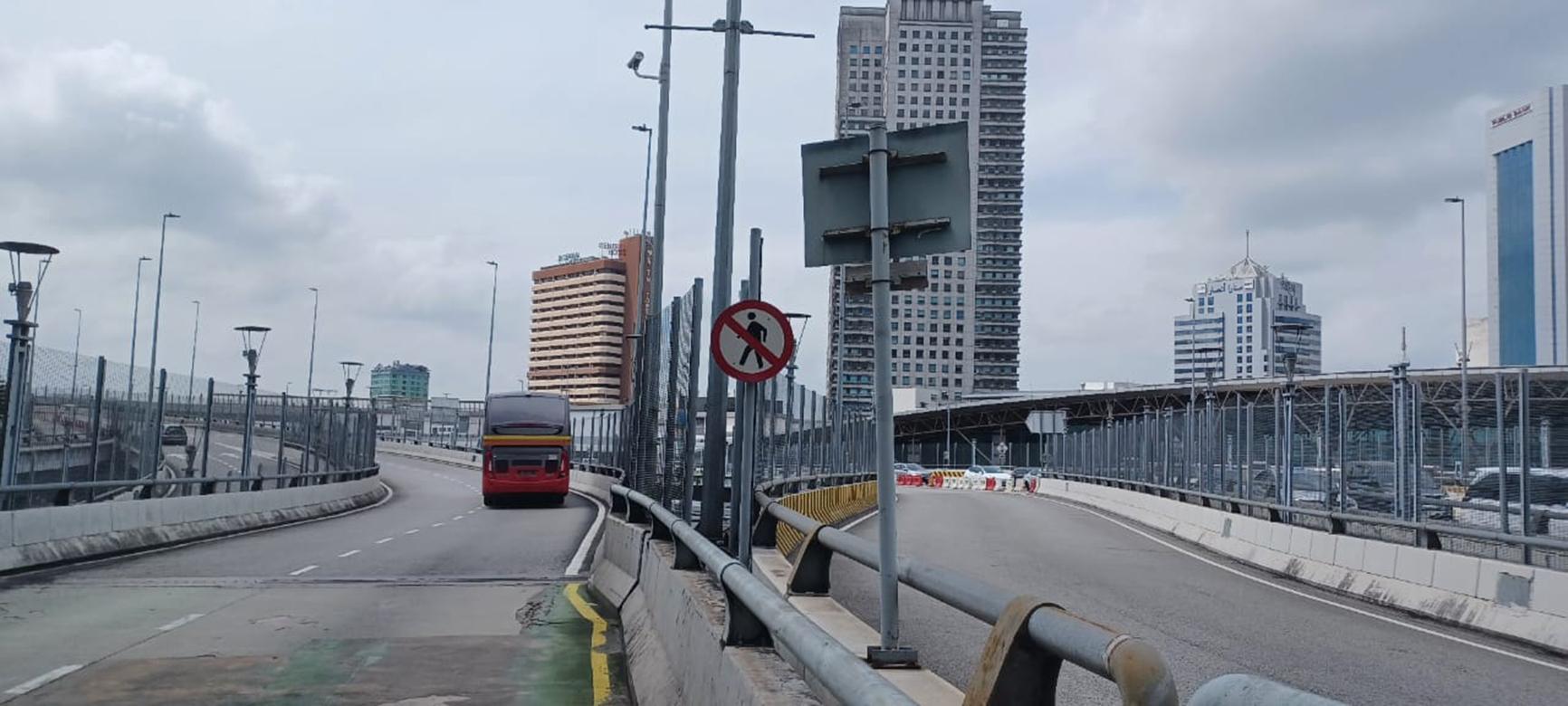
Is it legal to walk across the Causeway?
The end of ‘easy’ IT jobs? India’s tech workforce faces AI challenges
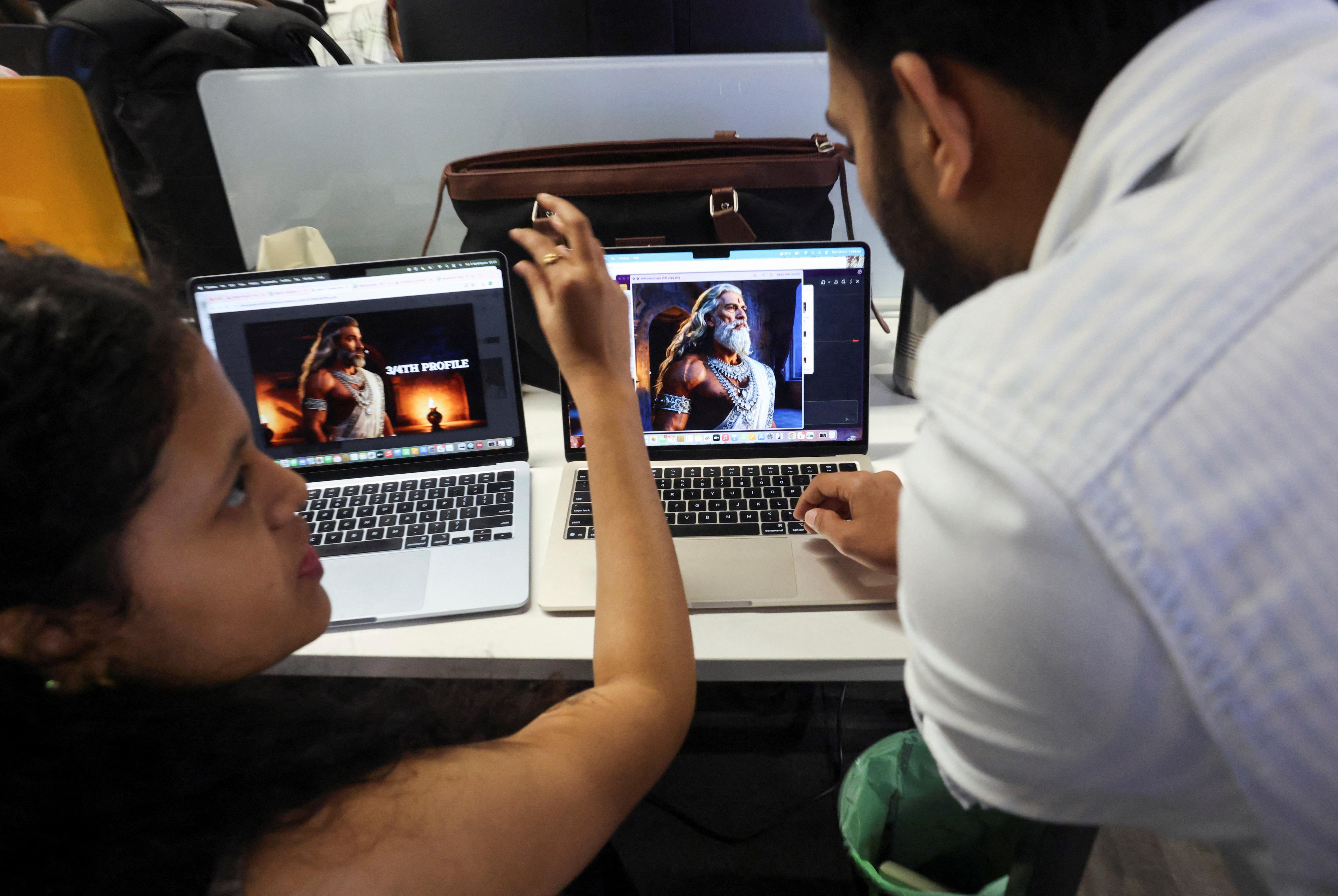
The conventional strategy of studying computer science to become a software developer may no longer be sustainable.
Life after 50: Why two women moved to Jeju and dived into a vanishing trade

Jeju has the largest haenyeo community in South Korea, but they can also be found in other coastal cities.
If you received this newsletter from someone, sign up here to get it delivered to your inbox weekly!
If you have any feedback, please drop us an e-mail at st-newsletters@sph.com.sg