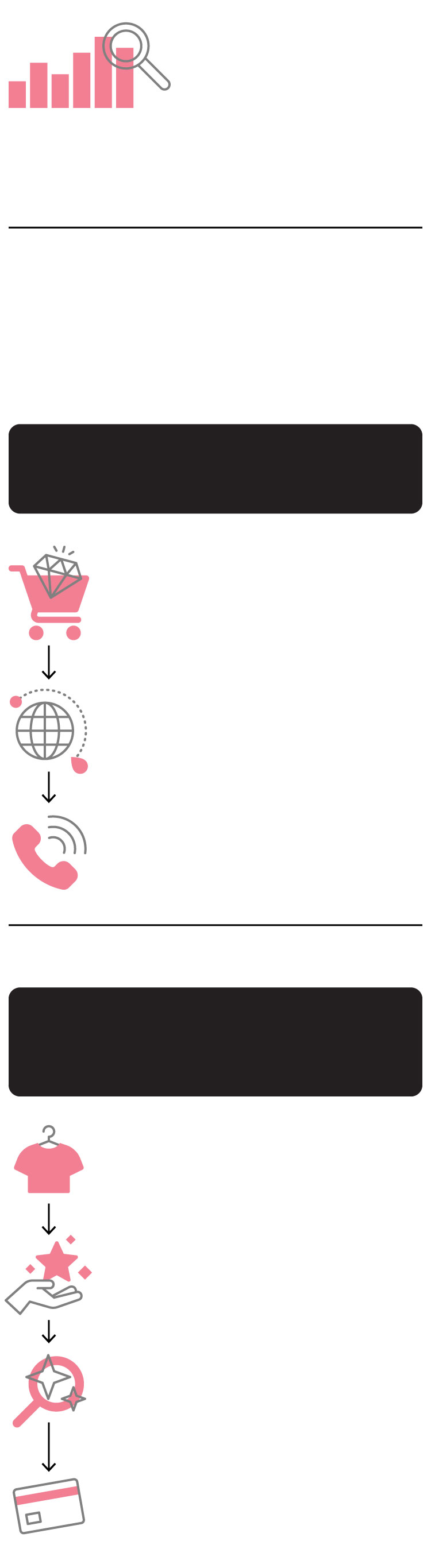
Traditional AI
Systems analyse large sets of data to classify and predict outcomes, based on pre-defined rules.
FINANCE
Early fraud detection tools adopted by banks flag suspicious transactions based on unusual patterns such as spending that exceeds a certain amount. They also use traditional AI tools to evaluate a borrower’s creditworthiness based on structured data from past loans and statistical patterns.
Using AI to constantly scrutinise transaction patterns, banks can quickly identify fishy behaviour.
For instance,
If a student in Singapore mostly uses her credit card to buy from hawker centres and local malls, a high-value purchase from a dodgy site made on the card would likely be flagged.
Several back-to-back purchases made on the other side of the world would likely also be flagged.
The system would then automatically notify the customer of the potentially fraudulent transaction, or trigger a manual check by a human agent at the bank.
RETAIL
Recommendation systems used by online retail platforms often use AI to learn what users might like, based on data such as past purchases and search history.
For instance,
A shopper often buys clothes meant for children of a certain age group.
The AI would assume that the buyer is probably a parent and would recommend movies, snacks, food and books for children of that age group.
Product types the buyer browses frequently would also shape the AI’s suggestions.
If the buyer usually pays with a Visa card, the AI might highlight Visa-related promotions to the user.
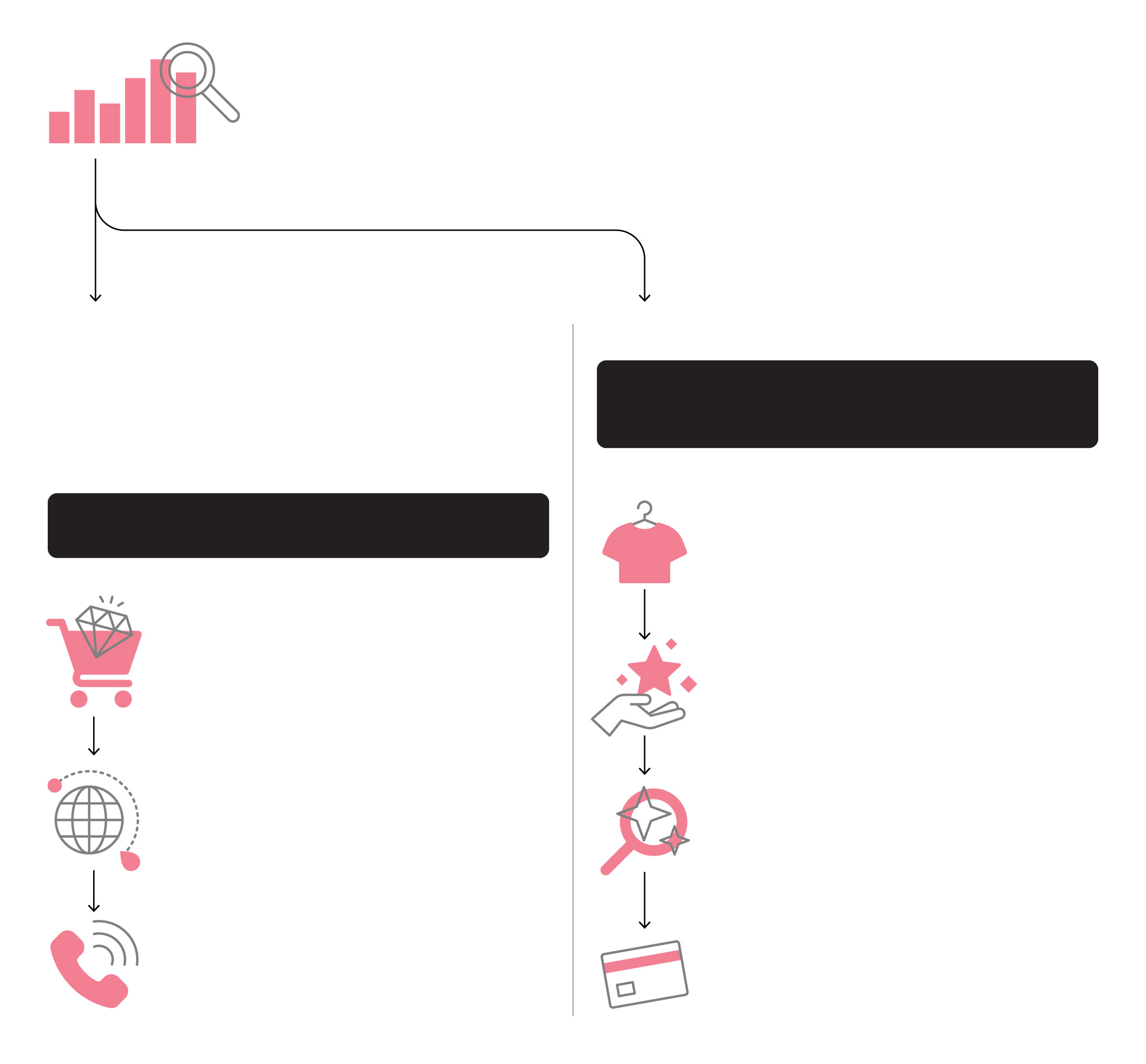
Traditional AI
Systems analyse large sets of data to classify and predict outcomes, based on pre-defined rules.
RETAIL
FINANCE
Early fraud detection tools adopted by banks flag suspicious transactions based on unusual patterns such as spending that exceeds a certain amount. They also use traditional AI tools to evaluate a borrower’s creditworthiness based on structured data from past loans and statistical patterns.
Recommendation systems used by online retail platforms often use AI to learn what users might like, based on data such as past purchases and search history.
For instance,
Using AI to constantly scrutinise transaction patterns, banks can quickly identify fishy behaviour.
A shopper often buys clothes meant for children of a certain age group.
For instance,
If a student in Singapore mostly uses her credit card to buy from hawker centres and local malls, a high-value purchase from a dodgy site made on the card would likely be flagged.
The AI would assume that the buyer is probably a parent and would recommend movies, snacks, food and books for children of that age group.
Several back-to-back purchases made on the other side of the world would likely also be flagged.
Product types the buyer browses frequently would also shape the AI’s suggestions.
The system would then automatically notify the customer of the potentially fraudulent transaction, or trigger a manual check by a human agent at the bank.
If the buyer usually pays with a Visa card, the AI might highlight Visa-related promotions to the user.
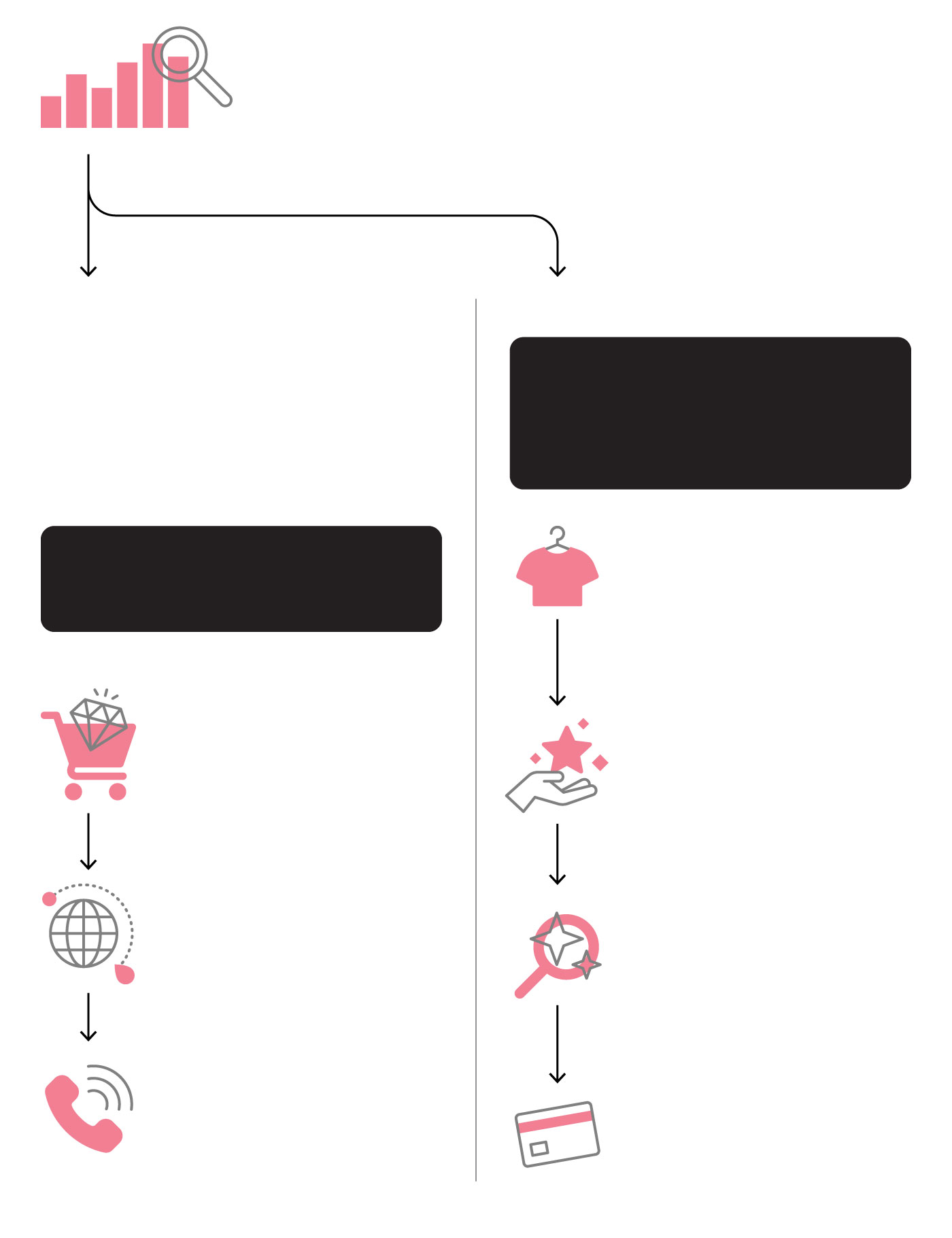
Traditional AI
Systems analyse large sets of data to classify and predict outcomes, based on pre-defined rules.
RETAIL
FINANCE
Early fraud detection tools adopted by banks flag suspicious transactions based on unusual patterns such as spending that exceeds a certain amount. They also use traditional AI tools to evaluate a borrower’s creditworthiness based on structured data from past loans and statistical patterns.
Recommendation systems used by online retail platforms often use AI to learn what users might like, based on data such as past purchases and search history.
For instance,
Using AI to constantly scrutinise transaction patterns, banks can quickly identify fishy behaviour.
A shopper often buys clothes meant for children of a certain age group.
For instance,
If a student in Singapore mostly uses her credit card to buy from hawker centres and local malls, a high-value purchase from a dodgy site made on the card would likely be flagged.
The AI would assume that the buyer is probably a parent and would recommend movies, snacks, food and books for children of that age group.
Several back-to-back purchases made on the other side of the world would likely also be flagged.
Product types the buyer browses frequently would also shape the AI’s suggestions.
The system would then automatically notify the customer of the potentially fraudulent transaction, or trigger a manual check by a human agent at the bank.
If the buyer usually pays with a Visa card, the AI might highlight Visa-related promotions to the user.