
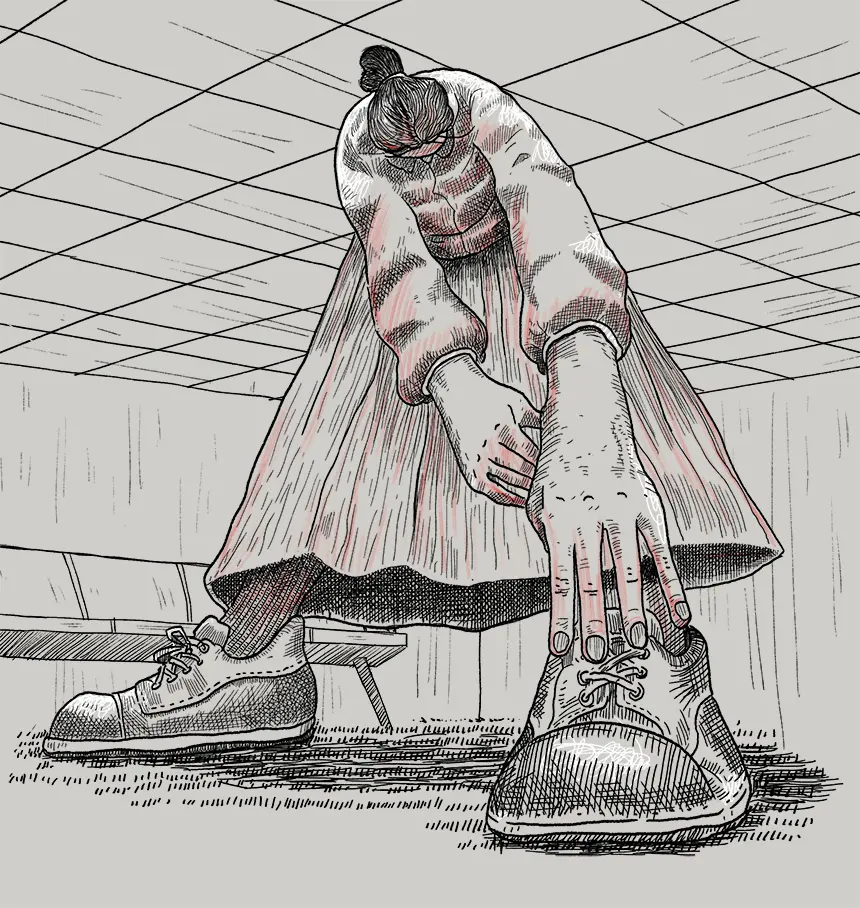
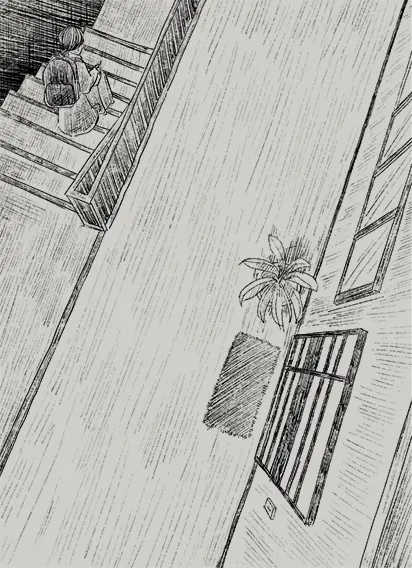
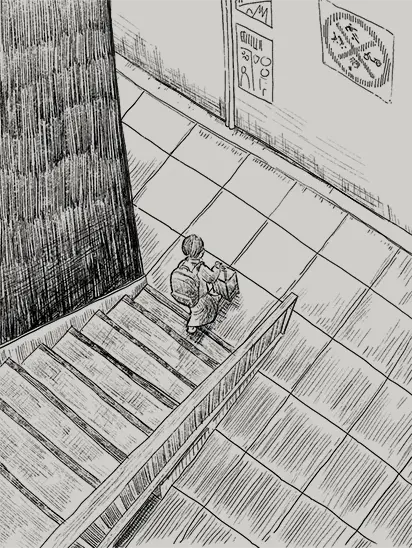
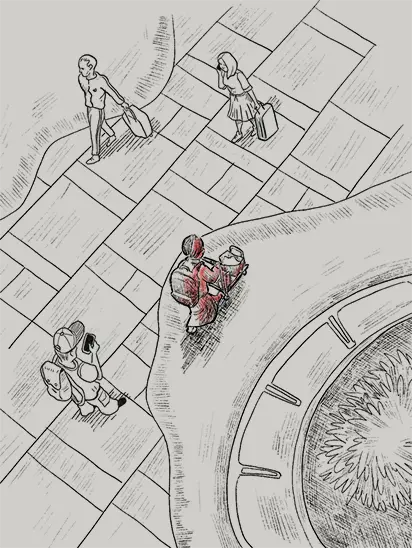
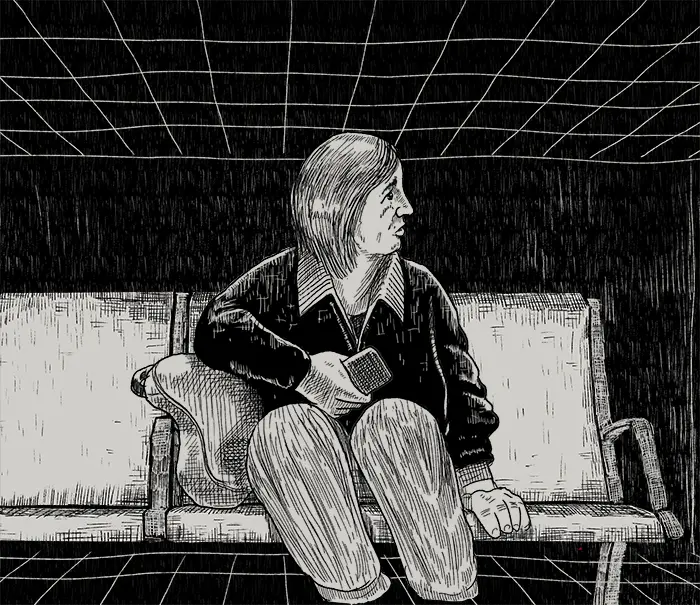
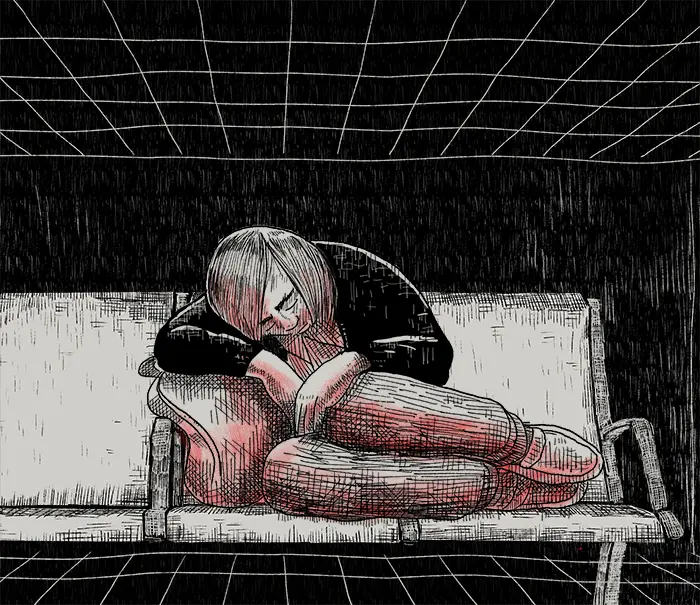
Dozens of people have made Changi Airport their home, bedding down in quiet corners of arrival and departure halls after midnight with trolleys and bags in tow.
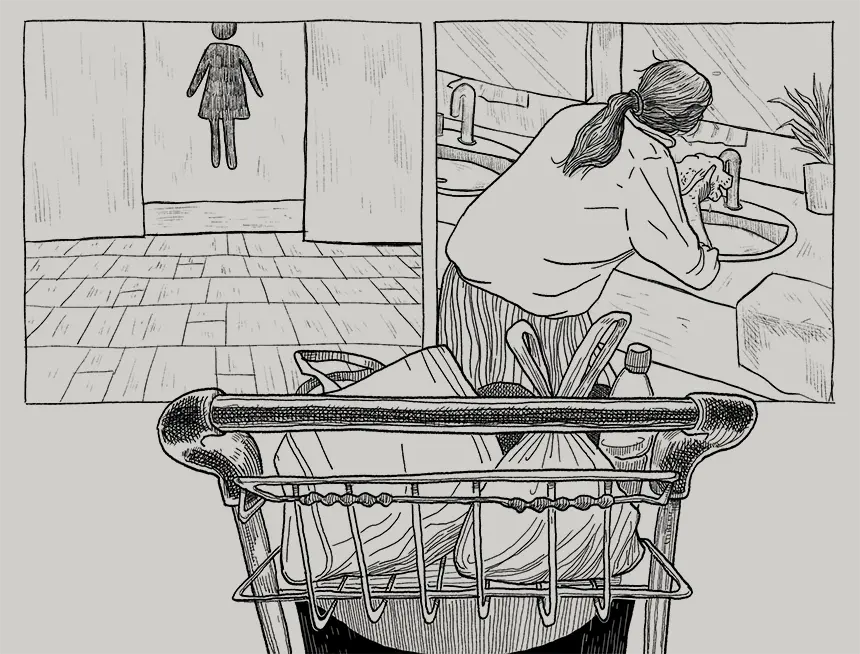
The airport’s round-the-clock operations, free Wi-Fi and toilet facilities make it an attractive place to spend the night.
Many settle into their favourite spots near power outlets to charge their mobile phones. By around 6am, they pack up and leave as cleaners begin their rounds.
During multiple visits from mid-January to April, The Straits Times observed about 20 people sleeping rough at Terminal 2 and fewer than 10 at Terminal 3, with hardly any at Terminal 1.
Most of the rough sleepers appeared to be above 60 years old.
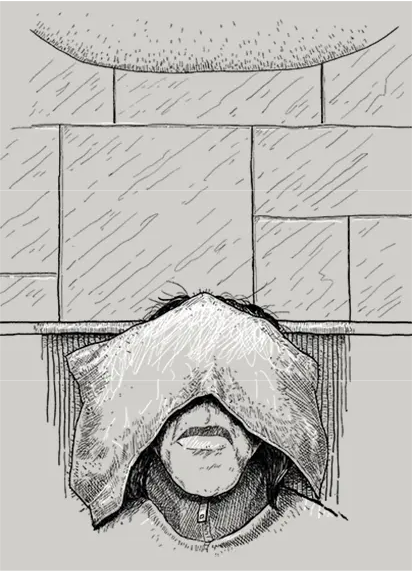
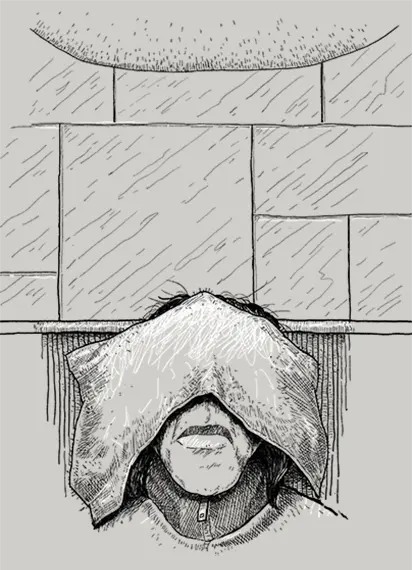
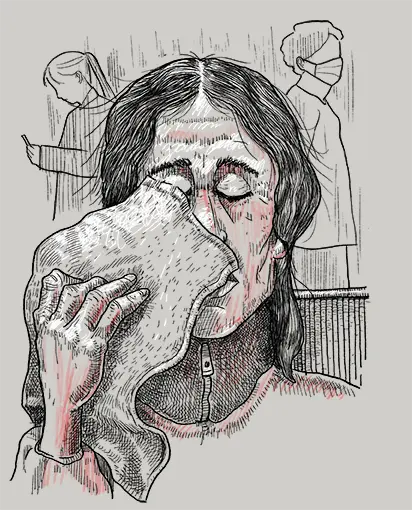
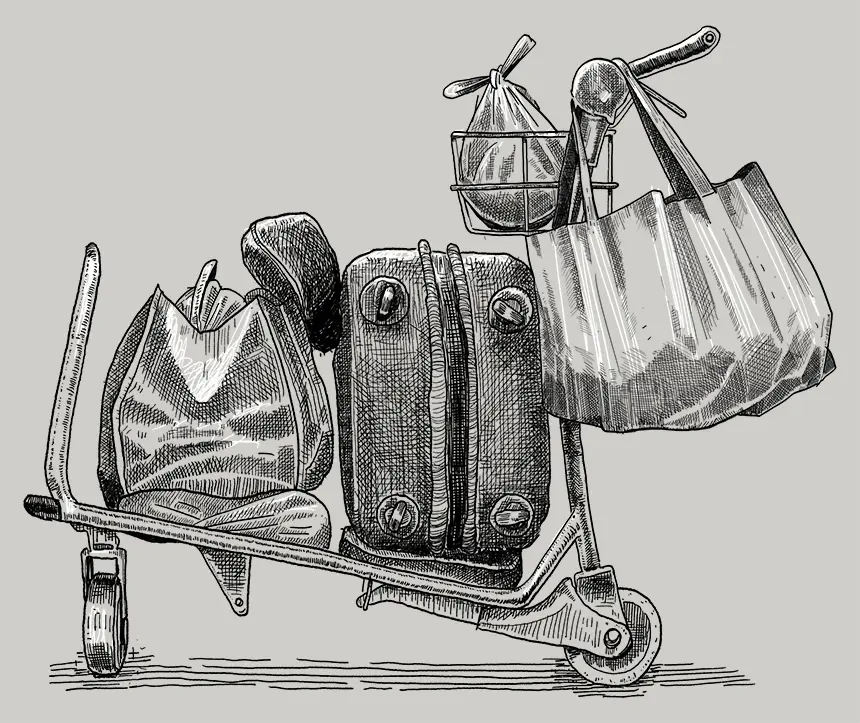
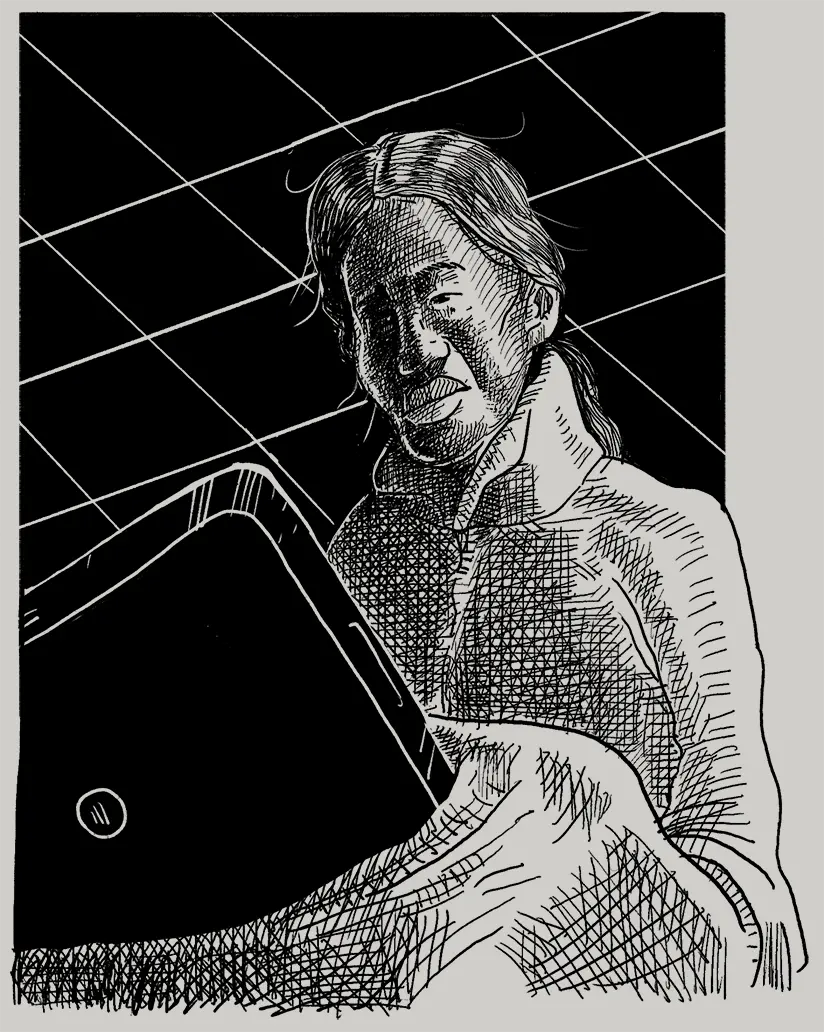
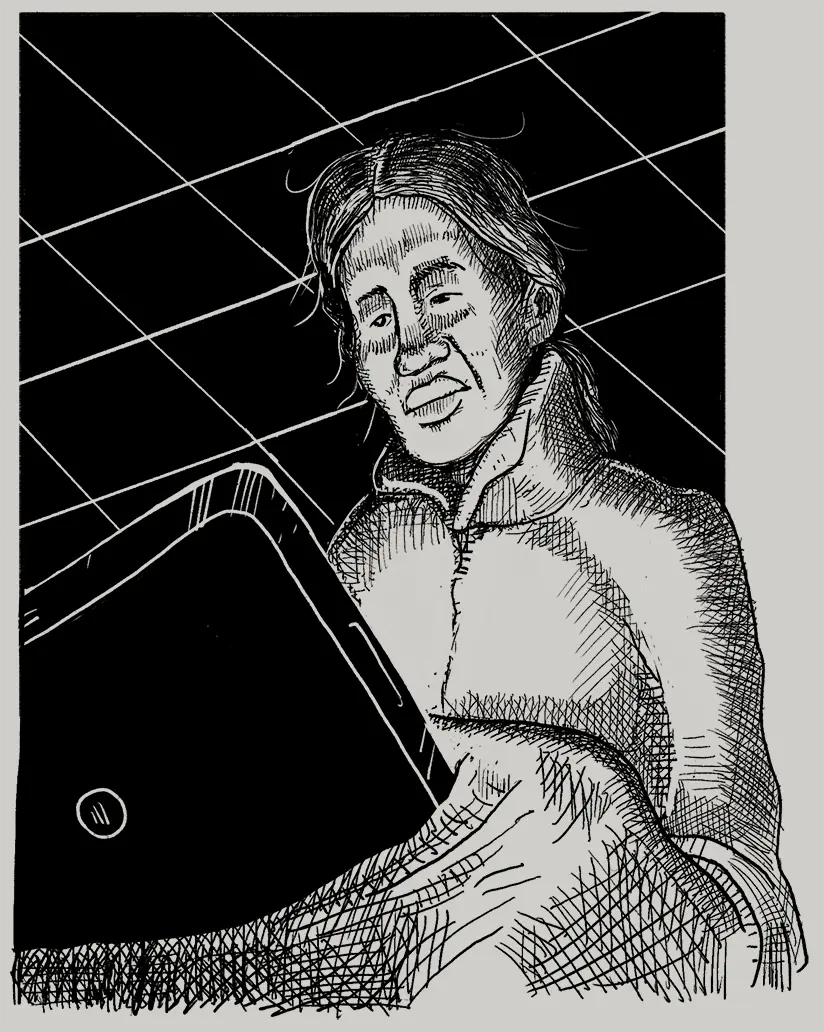
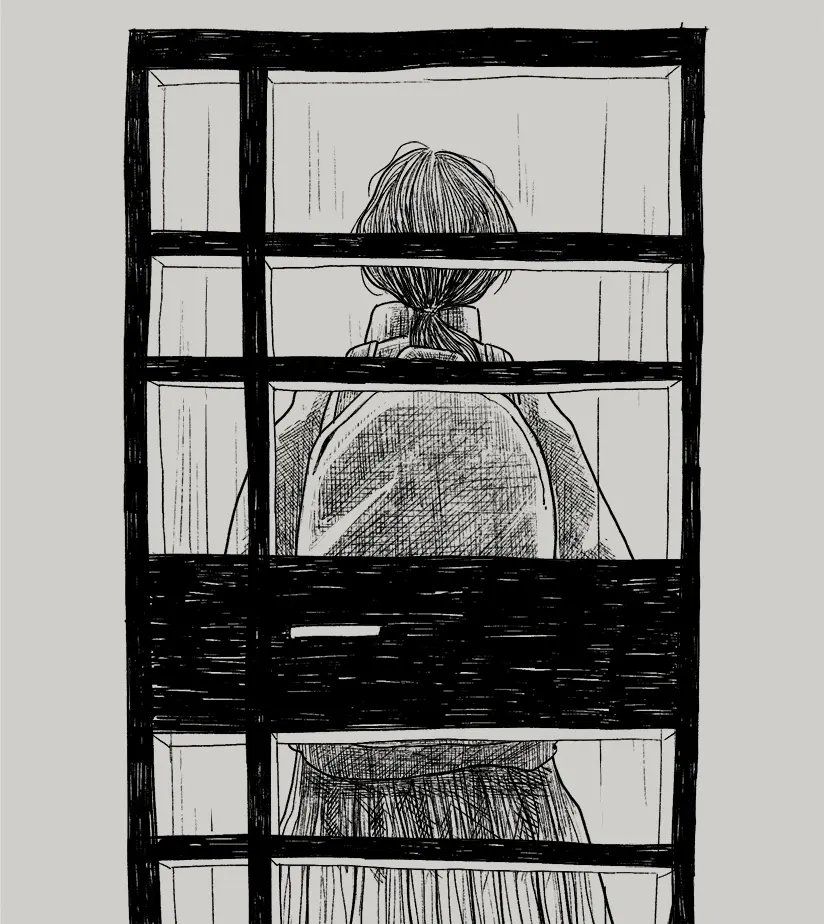
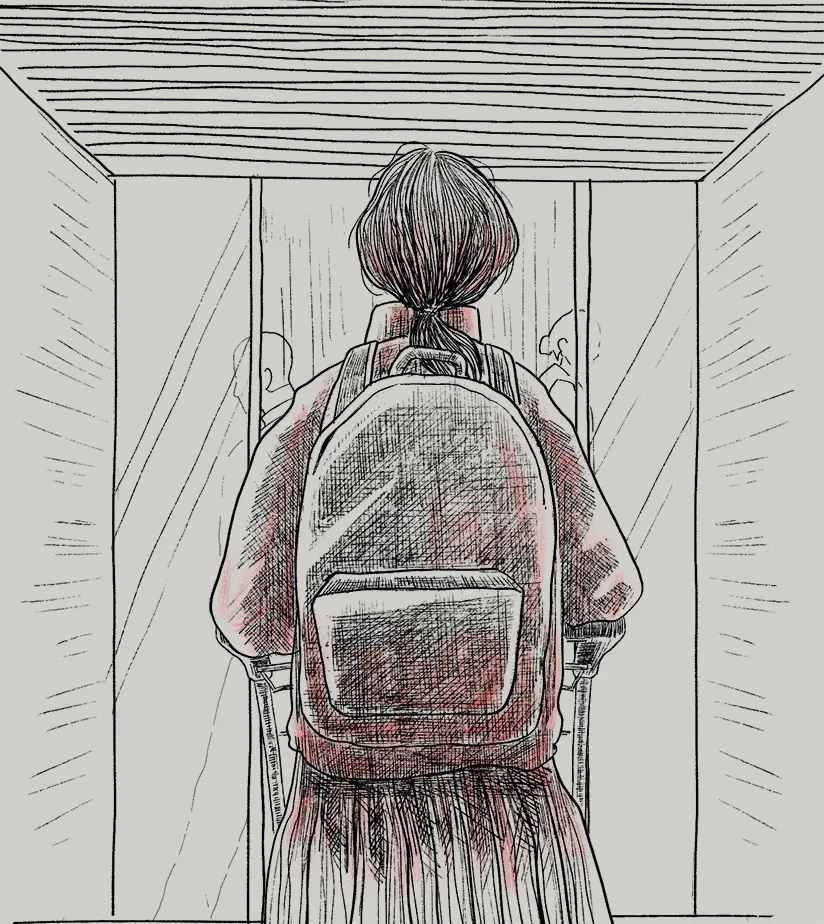
Among those ST met were 63-year-old Eileen (not her real name), who had slept at T2 for four years after being locked out of her home by her husband. She could not take on a job because she had to watch over the trolley carrying her possessions.
“My trolley is my life, and I just can’t leave it to go to work,” she said.

My trolley is my life.
Everything I own is on it.



Most rough sleepers at the airport were generally left alone, although some said they had occasionally been asked to move.
In late January, ST saw airport police tell a sleeping couple to leave ST3PS, an arena at Basement 2 of T3 that screens free movies and stages live performances.
While there are free snooze lounges across the four terminals, all are located in transit areas and are inaccessible without a boarding pass.
Paid shower facilities are available at the airport, but they may be out of reach for those sleeping rough.
A spokesperson for Changi Airport Group (CAG) said that it takes active steps to keep the terminals safe, secure and comfortable for travellers.
“Our staff patrol the terminals around the clock and engage people who appear to be staying for prolonged periods,” the spokesperson said.
“They check travel status and assess each situation, especially where there are personal safety concerns or impact on airport operations.”
CAG said it does not encourage people to use the airport as a place to stay.
“We work closely with agencies like the Ministry of Social and Family Development (MSF) and family service centres to find the best way to help them,” the spokesperson added.
The presence of rough sleepers at Changi Airport is not new.
In 2017, now-defunct Chinese-language daily Lianhe Wanbao reported on a woman in her 50s who had lived at the airport for eight years after falling into financial difficulty following the 2008 global financial crisis.
At the national level, the number of people sleeping rough in Singapore fell slightly from 530 in 2022 to 496 in 2025, according to an MSF report released on Jan 9, 2026.
Temporary accommodation is available through social service agencies such as New Hope Community Services, which operates Transit Point shelters at HDB flats in Jalan Kukoh, Margaret Drive and Yio Chu Kang.
Non-governmental groups also conduct outreach to those sleeping rough. For example, during Chinese New Year, volunteers from Love Aid Singapore distributed oranges and $50 red packets to homeless individuals at the airport, according to an Instagram post on Feb 16.
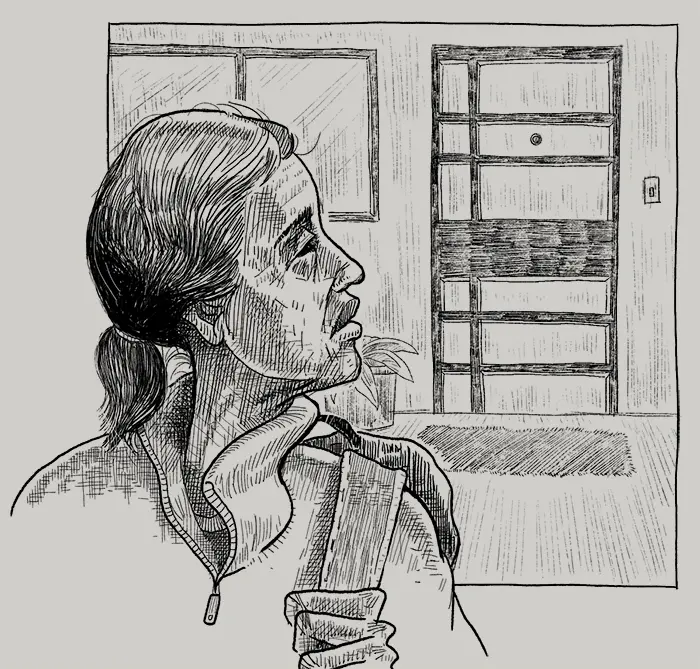
Jasmine (not her real name), another rough sleeper in her 60s, said she was neither homeless nor destitute, though she had spent two months at the airport – mostly at T3 – when ST first met her.
“Rough sleepers don’t choose the lives they live,” she said.
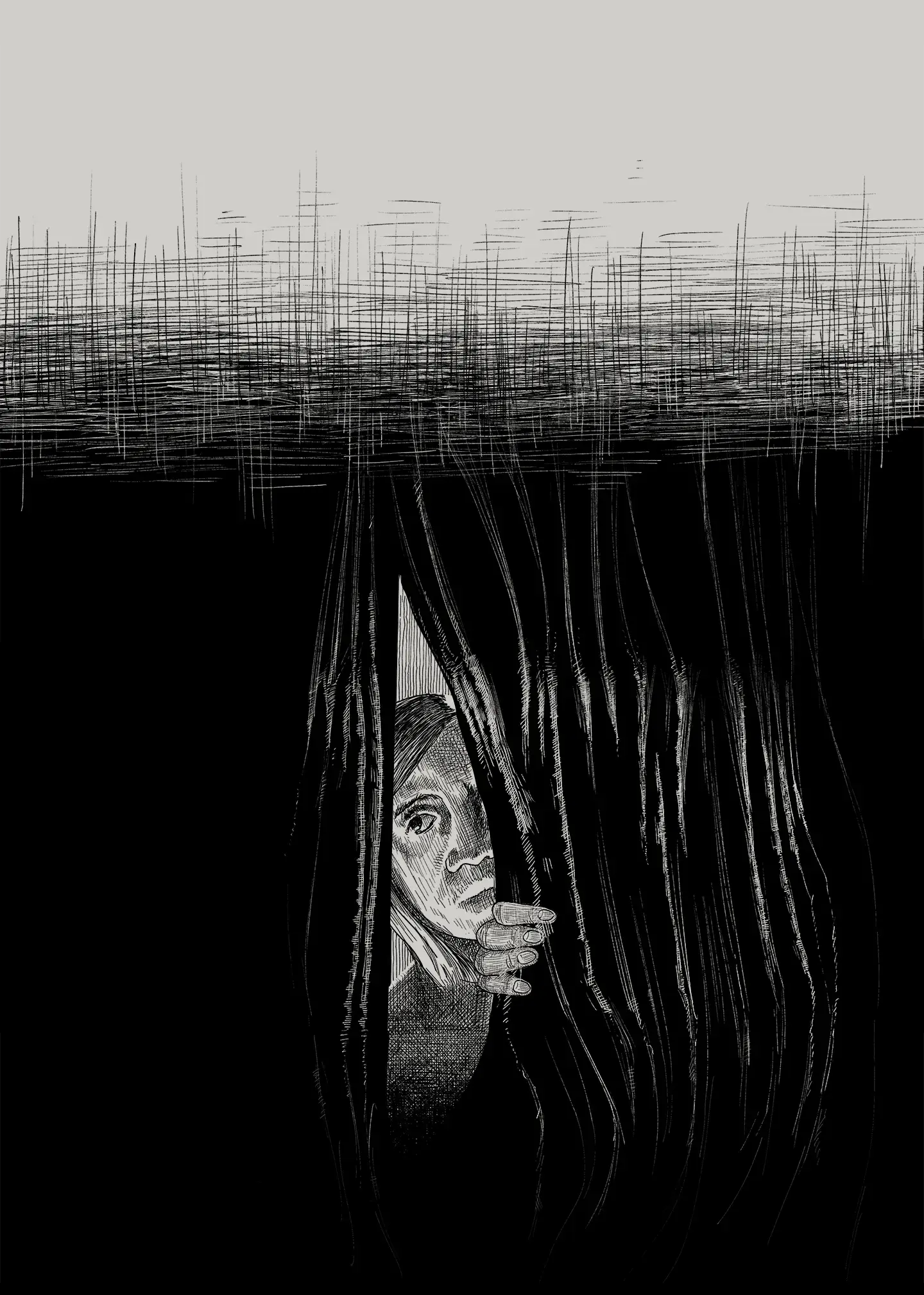
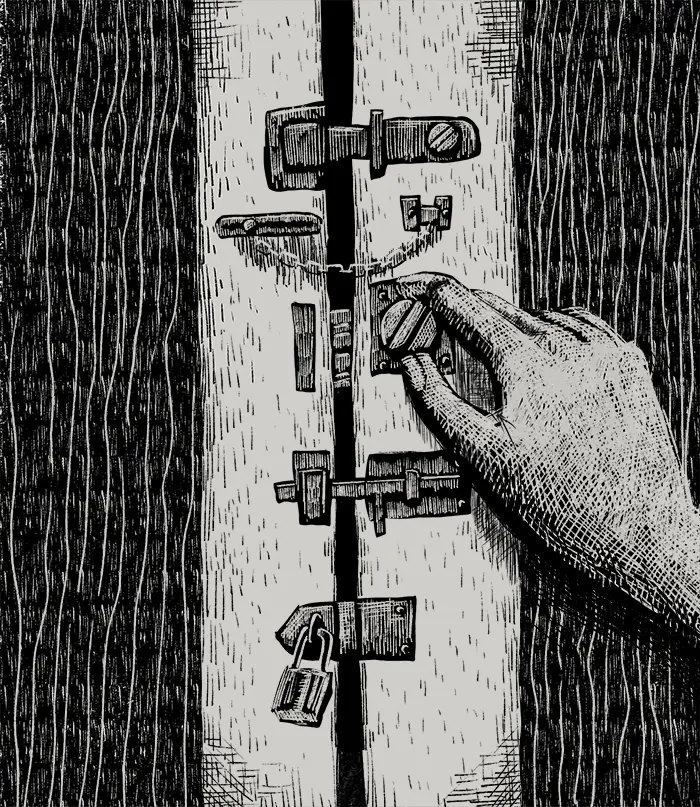
I don’t feel very safe at home.
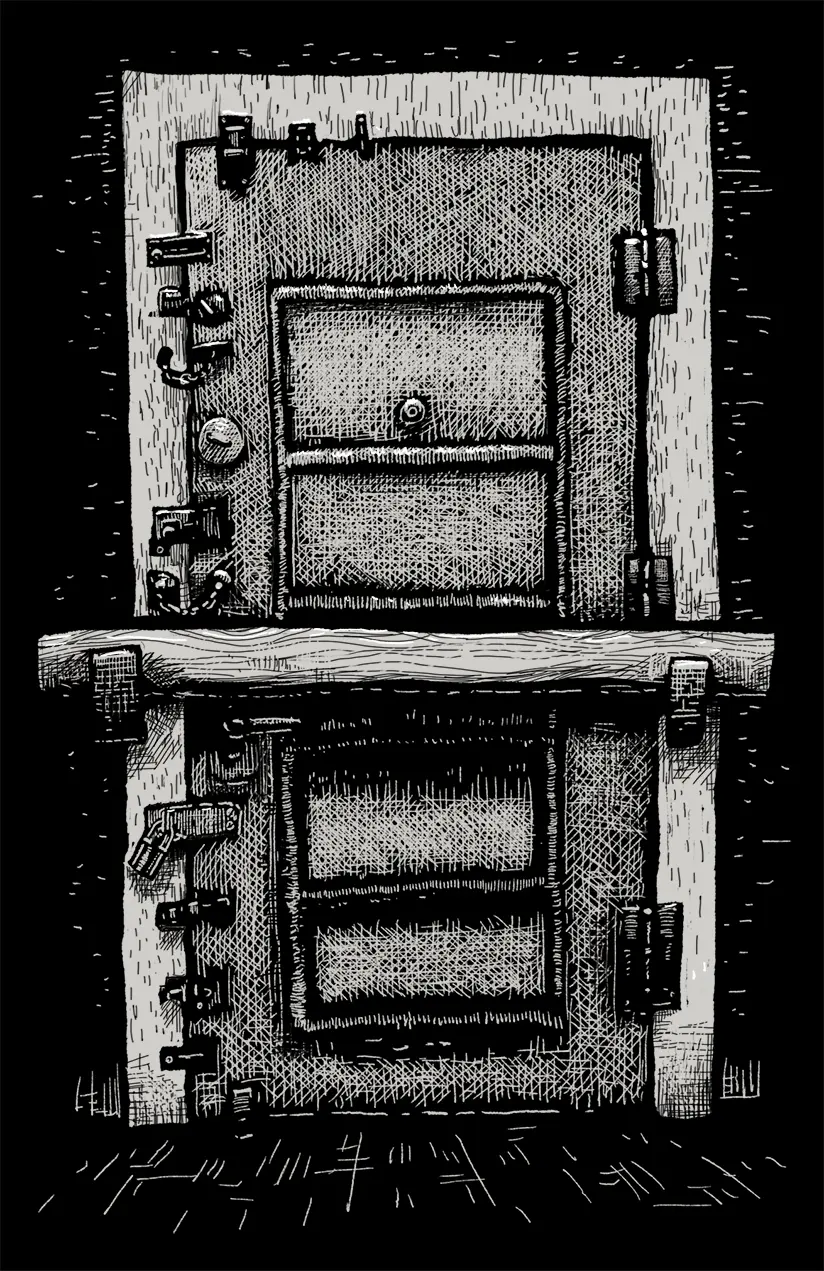
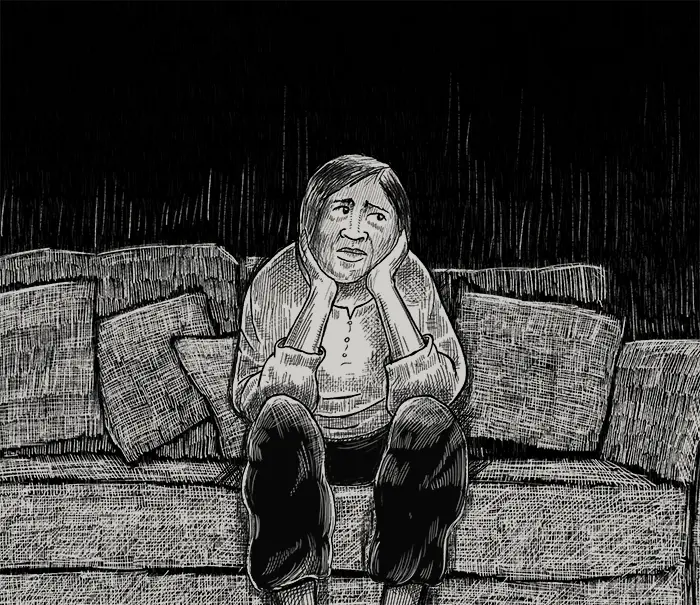

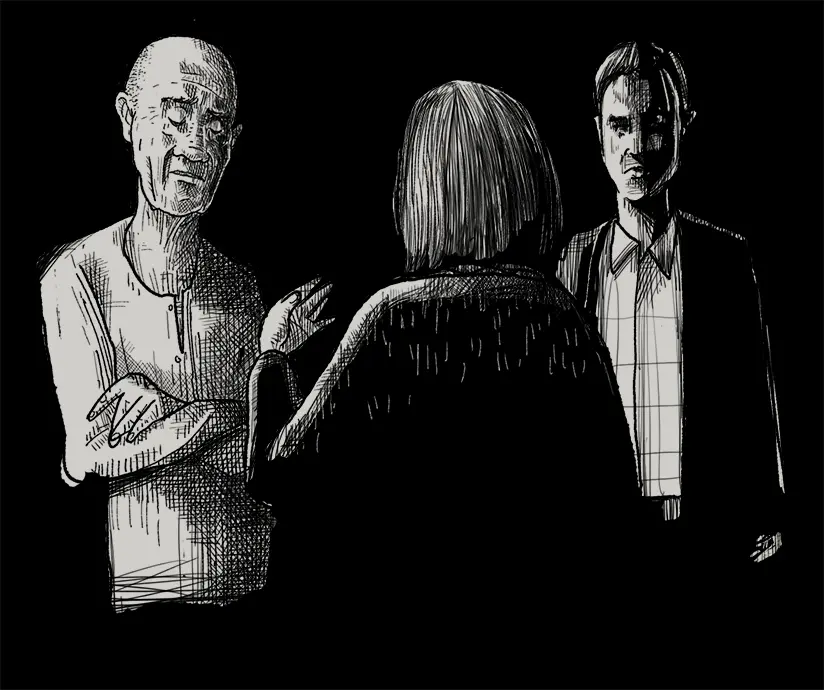

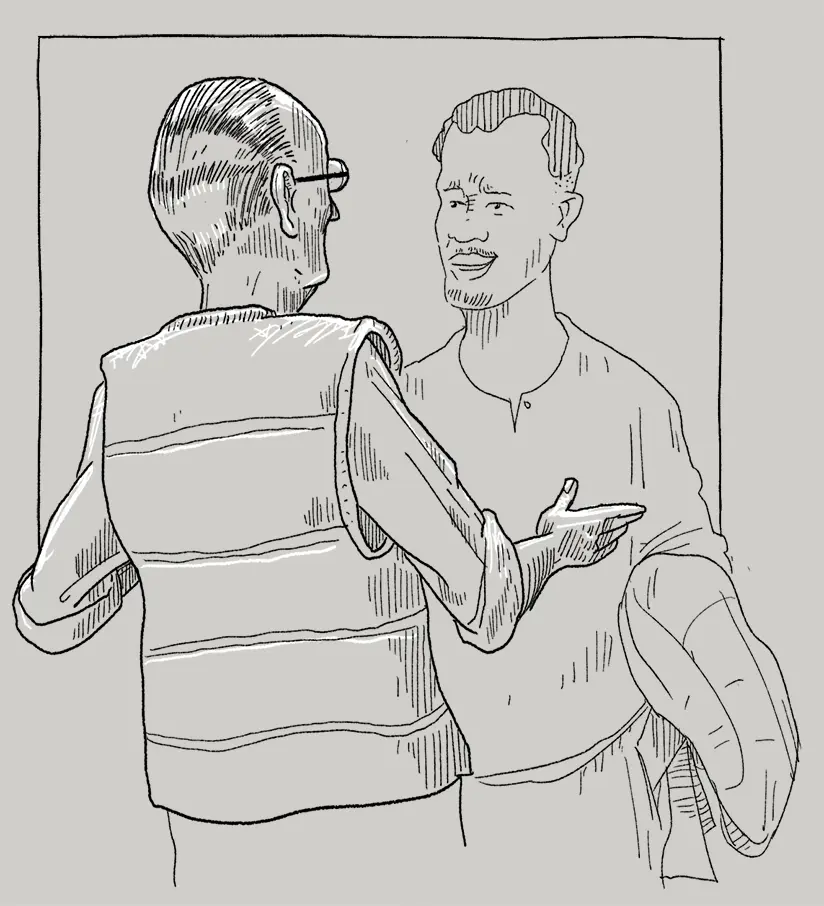
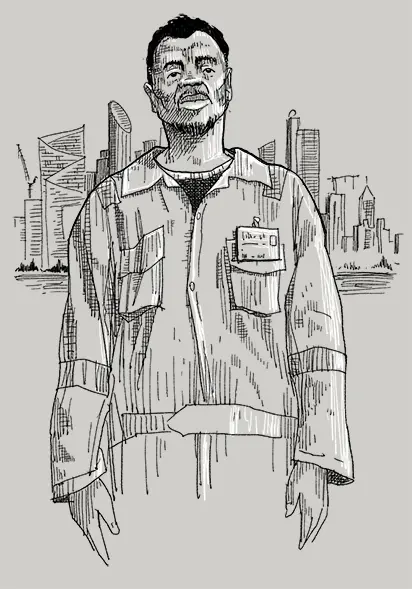
There was also a 21-year-old Tanzanian national who gave his name as Jumaah. He was stranded for two weeks at the airport after a job offer in Singapore turned out to be a scam.
It was his plight that first drew the attention of Charles Johnson, the medical director of Hope Emergency Medical Services, which operates road, air and sea ambulances.
Johnson was waiting for colleagues returning from an overseas assignment when he spotted the young man at T2 and later alerted ST to the presence of people sleeping rough there.
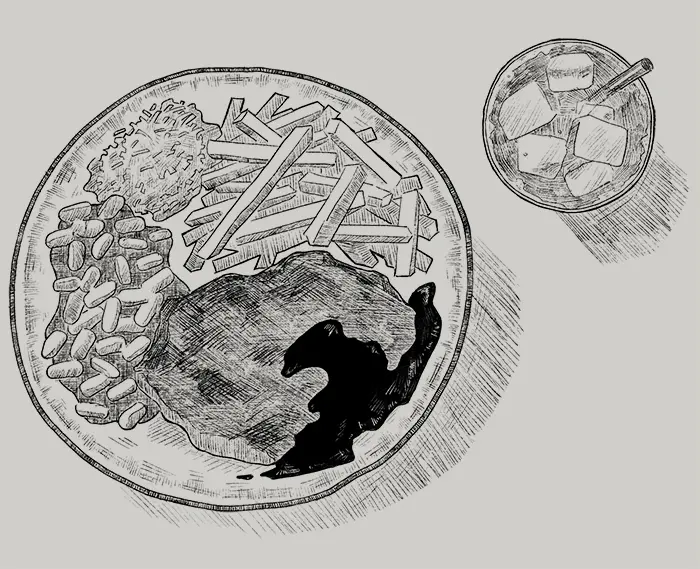
“There are dozens of them at the airport, each with a different story,” he said. “There are social workers who go to Changi Airport to distribute fruits, pocket money and food to the rough sleepers.”
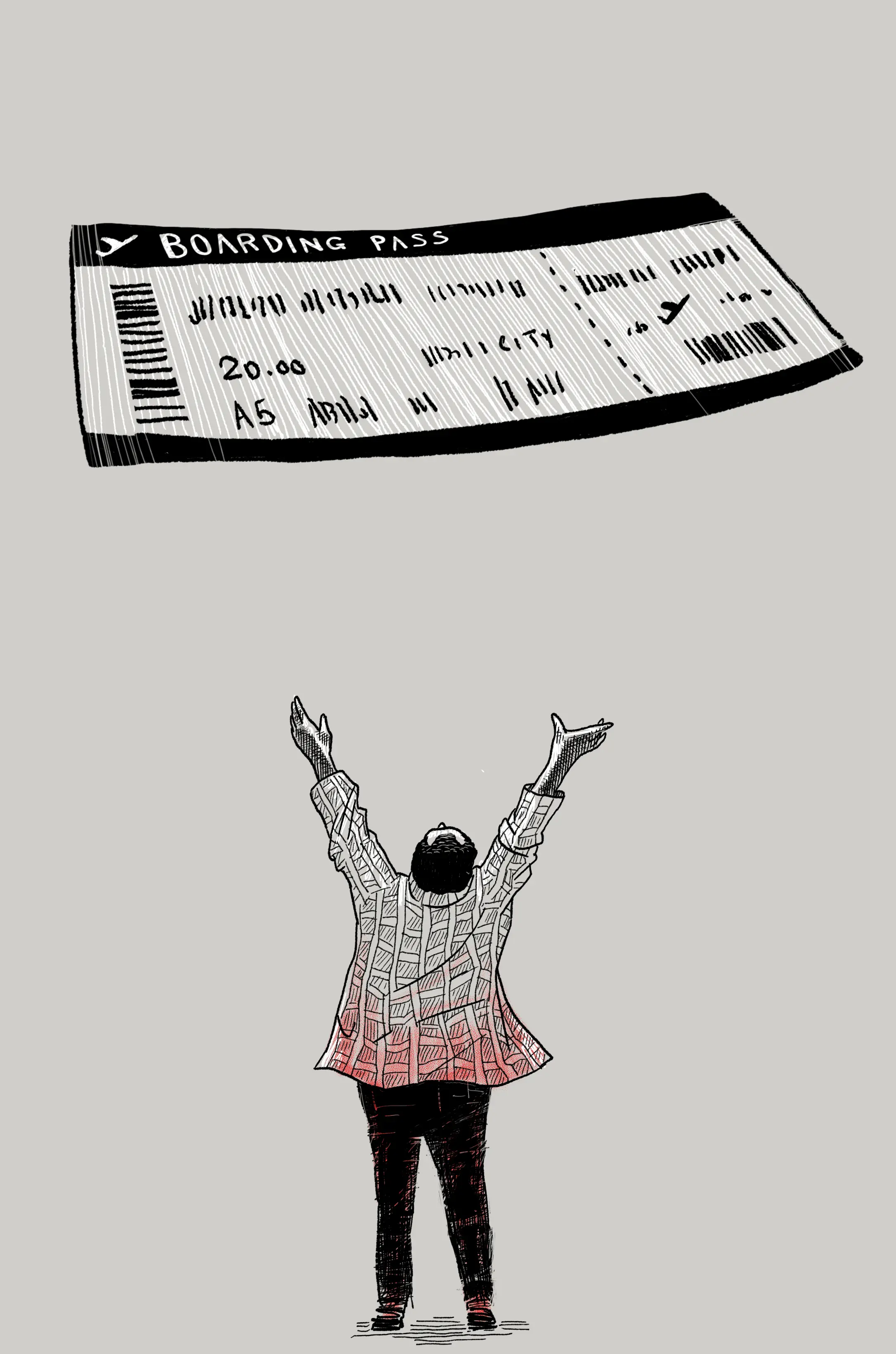
Johnson later bought a ticket for Jumaah to return home.

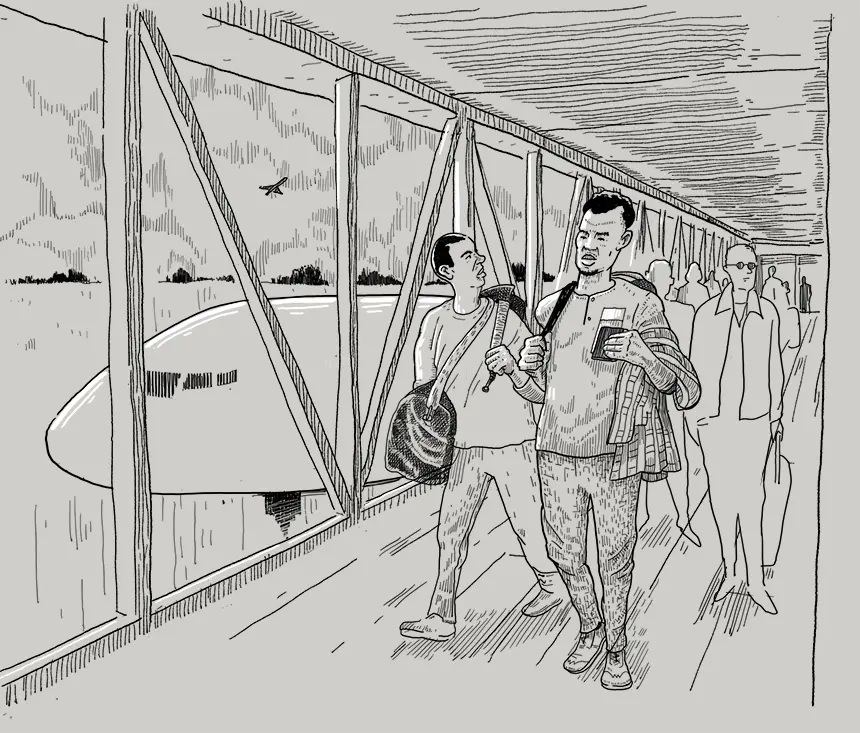


One by one, the people who came with me found ways to go back home. But I didn’t have enough money to do that.
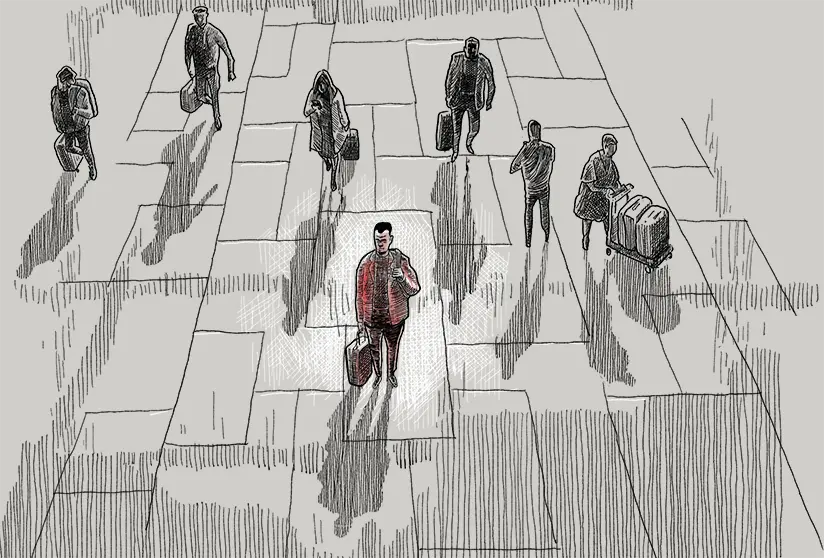

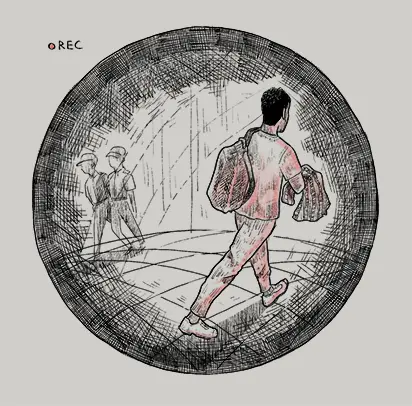

When ST returned to the airport in May, Eileen was no longer at T2, while Jasmine remained in her regular rest area at T3.
New rough sleepers included a man with stained bandages on his left leg, and another sleeping beside his personal mobility aid.
Each has a story playing out quietly behind the constant movement of travellers and the hum of one of the world’s busiest airports.